The towers the city tried to pull down: turn out to be, it turned out that and prove
About this lesson
This B2 ESL lesson plan teaches turn out to be and prove (to be) through the Watts Towers, hand-built towers in Los Angeles that the city once ordered torn down.
- Grammar
- Turn out to be and It turned out that… for what people found out, and prove that, prove them safe and prove (to be) for what a test showed.
- Topic
- How Rodia built the towers and how a 1959 load test answered the city, with words such as rebar, shard and withstand.
- Activities
- An explainer, a workshop visit and a reader's voice memo, self-checking drills, a chat about a model tower, arguments to sort and boxes about folk art.
What's inside
Chapter 1Warm-up: broken glass, big ideas
Chapter 2Let's read: 10,000 pounds on one tower
Chapter 3Let's listen: does folk art need a museum?
Chapter 4Grammar: the towers proved the city wrong
- Study the scheme: turn out and proveGrammar schemeTry it
- Choose the correct optionChoose the optionUnlock
- Fill in the gaps: use the words in bracketsFill in the gapsUnlock
- Fill in the table: say it the other wayFill in the tableTry it
- Choose the correct answer: what does it mean?QuizUnlock
- Drag the words into the gaps: Leona's notes from Kermit's workshopDrag and dropUnlock
Chapter 5Let's talk: what did the test prove?
Chapter 6Homework
- Match the words and the meaningsMatchUnlock
- Unscramble the wordsAnagramUnlock
- Fill in the gaps with the lesson's wordsFill in the gapsUnlock
- Find the matching pairs: words and meaningsMemory gameUnlock
- Choose the correct option: new sentencesChoose the optionUnlock
- Fill in the gaps: use the words in bracketsFill in the gapsUnlock
- Put the words in the correct orderUnjumbleUnlock
- Choose the correct answer: which sentence is correct?QuizUnlock
- Choose the correct option: a heritage reportChoose the optionUnlock
- Drag the words into the gaps: Leona answers BeatrizDrag and dropUnlock
Vocabulary
12 words and phrases from the lesson, each with a picture and audio in edio.
+9 more with pictures and audio in the lessonMore words
- rebar
- mosaic
- shard
- hazard
- load test
- self-taught
- conservator
- folk art
- committee
Grammar: turn out and prove + to-infinitive or that clause
Turn out reports what people found out in the end, often a surprise; prove reports what a test, facts or time showed. Towers the city called unsafe, then a load test, need both: The towers turned out to be stronger than anyone thought. The test proved them safe. Learners use to + base form after both verbs and It turned out that before a full clause.
turn out and prove + to-infinitive or that
Say what people found out in the end (turn out) or what a test, facts or time showed (prove).
turn out to be, to hold, not to be
Turn out takes to + base form: turned out to be wrong, turned out to hold 40 pounds, turned out not to be serious. For an earlier action, use to have + past participle: The pottery turned out to have come from nearby factories.
| Form | Example |
|---|---|
| turn out to be + adjective or noun | The towers turned out to be stronger than anyone thought. |
| turn out to + another verb | Our model tower turned out to hold 40 pounds. |
| turn out not to be … | The crack turned out not to be serious. |
| turn out to have + past participle (an earlier action) | The pottery turned out to have come from nearby factories. |
| It turned out that + a full clause | It turned out that the towers were safe. |
| As it turned out, + a full clause | As it turned out, the tower didn't fall. |
It turned out that + a full clause
Before a subject and verb, say It turned out that…: It turned out that the towers were safe. There's no to and no second it, so not It turned out to that… or It turned out it to be… As it turned out, … works the same way.
A verb after them: to + base form
When a verb follows turn out or prove, it's to + the base form: turned out to be, turned out not to be, proved to be, turned out to hold. Never -ing and never been: not turned out being, not proved been. For an earlier action, use to have + past participle. Before a full clause, say It turned out that…, with no to and no second it.
prove that, prove them safe, prove popular
Prove that takes a full clause: The test proved that the tower could withstand the pull. With an object, add an adjective: The test proved the towers (to be) safe; The towers proved the city wrong. With no object, to be is optional: The idea proved (to be) popular.
| Form | Example |
|---|---|
| prove that + a full clause | The test proved that the towers could withstand a pull of 10,000 pounds. |
| prove + someone / something + (to be) + adjective | The test proved the towers (to be) safe. |
| prove someone wrong / right | The towers proved the city wrong. |
| prove (to be) + adjective or noun | The idea proved (to be) popular. |
turn out or prove?
Turn out is for a discovery, often a surprise; prove is for what a test, facts or time showed, and it sounds more formal. The pattern is the same for every person: I turned out to be right, they proved to be good builders.
turn out or prove?
turn out = people found something out in the end, often a surprise. prove = a test, facts or time showed it, and it sounds a little more formal. After prove, to be is often left out: The idea proved (to be) popular. In speech, the present It turns out (that)… is common for news you have just found out: It turns out the café is closed today.
Every person: the form never changes
| Person | turn out | prove |
|---|---|---|
| I | I turned out to be right. | I proved to be a good builder. |
| you | You turned out to be right. | You proved to be a good builder. |
| he | He turned out to be right. | He proved to be a good builder. |
| she | She turned out to be right. | She proved to be a good builder. |
| it | It turned out to be strong. | It proved to be strong. |
| we | We turned out to be right. | We proved to be good builders. |
| they | They turned out to be right. | They proved to be good builders. |
Common mistakes
Never -ing and never been after these verbs: turned out being strong and proved been popular are wrong. Use to be, or nothing at all after prove: turned out to be strong, proved (to be) popular.
The towers turned out being strong.
The towers turned out to be strong.
turn out + to + base form, never -ing
The idea proved been popular.
The idea proved (to be) popular.
prove + (to be), never been
It turned out to that the towers were safe.
It turned out that the towers were safe.
before a full clause: It turned out that, with no to
It turned out it to be a long job.
It turned out to be a long job.
one it is enough
At the Watts Towers
- Rodia's towers turned out to be far stronger than the city thought.
- It turned out that the tallest tower moved no more than 1 1/4 inches.
- The 1959 test proved the towers safe.
- The test proved that the towers could withstand a pull of 10,000 pounds.
- Much of the pottery turned out to have come from nearby factories.
- In the end, the towers proved the city wrong.
More lessons on this grammar: Gerunds and infinitives lessons and exercises
Try the turn out and prove exercises
Try them yourself: these are the same exercises your students do in edio.
What's in the lesson
- 20 auto-checked exercises
- 5 games
- 1 article
- 1 grammar scheme
- 1 set of word cards
- 2 audio clips
- 2 pictures
- 2 transcripts
The main objectives of this lesson are to:
- say what people found out in the end: The towers turned out to be far stronger than the city thought.
- put a full clause after It turned out that, with no to: It turned out that the city's experts were wrong.
- say what a test or the facts showed: The 1959 test proved the towers safe. The idea proved popular.
- use to + base form or to have + past participle, never -ing: Much of the pottery turned out to have come from nearby factories.
- argue whether folk art needs museums: Love turned out not to be enough. His towers proved the city's experts wrong.
Lesson 28 closes Buildings and heritage, unit 7 of English B2.2 · Culture and Society. Its turned out to have come reuses the perfect infinitive from lesson 16's is said to have, and its homework report draws on lesson 27's report language. Lesson 29 starts the last unit, Generations, with collocations such as widely used. A city's verdict that one load test overturned is a natural home for turn out and prove.
Students spin a wheel about homemade art and old buildings, then learn twelve words, from embed and withstand to rebar and load test, with pictures and audio. They read Leona's explainer on the Watts Towers, then hear her in a Pittsburgh workshop with Kermit, a conservator who says folk art needs museums, and Beatriz from Los Angeles, who says people saved the towers; the voices are AI-generated. The grammar chapter has the scheme and five self-checking drills, among them a table that says each sentence the other way. In the speaking chapter, students answer Augustus's news about a model tower, sort arguments under Leona or Kermit and open boxes about folk art.
All ten homework tasks check themselves: a word match, an anagram, word gaps and a memory game, then forms to choose, verbs to complete, word order, a quiz on correct sentences, a heritage committee's report on a mosaic wall and Leona's reply to Beatriz.
- Grammar:
- turn out to be · it turned out that · prove + adjective · prove that · to-infinitive after turn out and prove
- Topic:
- the Watts Towers · Simon Rodia · Los Angeles · folk art · saving historic buildings · buildings and heritage · The Why Desk
Teaching tips
- Ask what people expected first: the city expected the towers to fall. Then students say what happened with turned out: They turned out to be far stronger. The gap between the two is the meaning.
- Sort discoveries from proof: turn out for what people found out, prove for what a test or the facts showed. Students sort sentences from the explainer into the two groups.
- Play the workshop dialogue twice: first for Leona's and Kermit's views on museums, then for every turned out and proved. Students note the form that follows each one.
- Run a classroom load test: groups build a paper tower, predict how many books it will hold, then report: Ours turned out to hold six. The test proved our first design wrong.
Liked it?
Teach the whole lesson in edio
34 exercises in 6 chapters, ready to teach. edio is an online platform for language schools and teachers: ready-made interactive lessons, live classes, homework and student progress in one place.
Start a free trial
7 days, no credit card.
Open the lesson
Find it in the library of 621 ready lessons. Teach it as it is, or copy any chapter into your own lessons.
Teach it live or as homework
Students work in their own accounts, in sync with you during the lesson, and the practice exercises check themselves.
The whole course: English B2.2 · Culture and Society
32 more lessons for adults at B2 in American English, with the same Why Desk team in Pittsburgh. Each lesson answers one question about how Americans learn, work, travel and remember, from the law behind the 40-hour week to the oral histories of StoryCorps. Learners link ideas in formal writing, report what is said and believed, and pack more into a sentence with participle and relative clauses. The practice exercises check themselves.See the course
Unit 1 Learning reimagined
adjective suffixes and negative prefixes, mixed conditionals, provided that and on condition that
 Lesson 1College for farmers' kids?Adjective suffixes and negative prefixes
 Lesson 2One cousin, one video, millions of learnersMixed conditionals: a past cause, a result now
 Lesson 3A college that says yesConditional linkers: provided that, on condition that, assuming, otherwise
 Lesson 4School in the woodsMixed conditionals: a present state, a past result
Unit 2 Work-life balance
be required to and be entitled to, present and perfect participle clauses, participle clauses after conjunctions
 Lesson 5Who decided a week is 40 hours?Formal rules: be required to, be entitled to, be exempt from
 Lesson 6A paid year off: rest or research?Present participle clauses for time and reason
 Lesson 7Was the coffee break born in Wisconsin?Perfect participle clauses: having done and having been done
 Lesson 8Why is the first Monday of September a day off?Participle phrases after conjunctions
Unit 3 Turning points
reduced relative clauses, preposition + which and whom, which for a whole clause, noun + preposition
 Lesson 9The keyboard that opened the officeReduced relative clauses: -ing and the past participle
 Lesson 10Earthrise: the photo that changed how we see EarthPreposition + which and whom
 Lesson 11A city of white palaces for six monthsSentence relative clauses: which for a whole clause
 Lesson 12The count that took eight years?Noun + preposition: a need for, a solution to, access to
Unit 4 News and truth
although, whereas and while, the impersonal passive, despite and however, is said to have
 Lesson 13A newspaper of their ownLinkers of contrast: although, even though, whereas and while
 Lesson 14Bat-people on the Moon?The impersonal passive: It is said that…
 Lesson 15Read like a fact-checkerLinkers of contrast: despite, in spite of, however and even so
 Lesson 16Did George Washington really chop down a cherry tree?Passive reporting verbs: is said to have done
Unit 5 Travel that gives back
so as to, in order to and so that, modifying comparatives, linkers of reason and result, verb + object + preposition + -ing
Unit 6 Sport and society
verb + noun collocations, what phrasal verb particles mean, a for-and-against essay, nouns from phrasal verbs
Unit 7 Buildings and heritage
past participle clauses, quantifier + of which and of whom, report language, turn out and prove
 Lesson 25Homes built into the cliffsPast participle clauses with a passive meaning
 Lesson 26A house over a waterfallQuantifier + of which and of whom
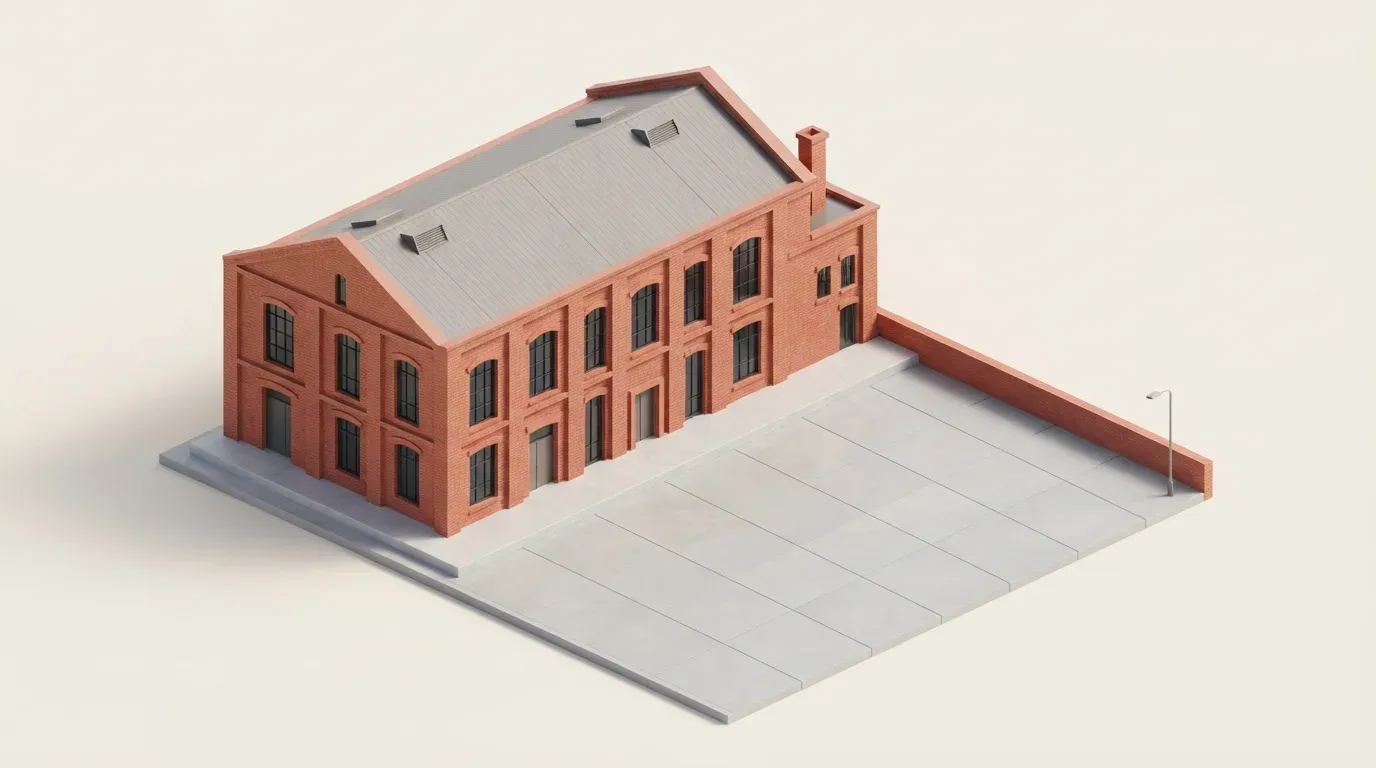 Lesson 27From factory to art museumReport language: headings, impersonal style, recommendations
 Lesson 28 · you're hereThe towers the city tried to pull downTurn out and prove + to-infinitive or that clause
Unit 8 Generations
adverb + adjective collocations, three-part phrasal verbs, negative and echo questions, prepositional phrases