B2 English: ESL lesson plans for upper intermediate adults
Level B2, upper intermediate 2 courses, 64 lessons One-to-one or groups
B2 English on edio.ai is two courses of ready-made B2 ESL lesson plans for adults, in American English. English B2.1 follows the team of a small online magazine as they explain how things work, from AI and medicine to wildlife, pop culture, money and language, with narrative tenses, the future perfect, the third conditional, wishes and past modals. English B2.2 moves on to mixed conditionals, participle and relative clauses, the impersonal passive and linkers, through stories of learning, work, the news, sport and old buildings. Every lesson is interactive, and its practice exercises check themselves.




English B2.1 · How the World Works
8 units, 32 lessons
32 lessons for adults at B2 in American English, each answering one question about how the world works. The team of The Why Desk, a small online magazine in Pittsburgh, takes on one question a week, from the day a computer beat the world chess champion to eight people sealed inside Biosphere 2. Learners tell stories with narrative tenses, speculate about the past and the future, and report what experts claim. The practice exercises check themselves.
- Grammar
- Narrative tenses, the future perfect and future continuous, the third conditional and wishes, the passive in more tenses and have something done, reporting verbs, past modals of deduction and regret, and word formation.
- Topics
- True American stories of how things work: AI, medicine, transport, wildlife comebacks, pop culture, money, language and life in extreme places, in eight units of four lessons.
- Every lesson
- Word cards, a magazine-style explainer, two listenings, grammar practice with a scheme, a chat and a speaking game, then nine or ten homework exercises that check themselves.
Unit 1 AI and the future of work
narrative tenses, by and until, be bound to and be likely to, the future perfect
- Lesson 1Checkmate: the day a computer beat the championNarrative tenses: past simple, past continuous and past perfect
- Lesson 2The robot car that crossed the desertTime prepositions: by, until, within, throughout, in time and on time
 Lesson 3Can a chatbot fool you?Probability about the future: be bound to, be likely to, the chances are
 Lesson 4By 2035, what will AI have designed?The future perfect simple: will have + past participle
Unit 2 Health breakthroughs
the third conditional, the past perfect and past continuous passive, have something done, the passive with two objects
 Lesson 5The moldy melon that changed medicineThe third conditional: if + had done, would have done
 Lesson 61.8 million Polio PioneersThe past perfect passive and the past continuous passive
 Lesson 7One clinic, many doctorsHave / get something done
 Lesson 8A kidney from a twinThe passive with two objects
Unit 3 Moving people
the past perfect continuous, the passive infinitive and -ing form, it's worth and there's no point, the future in the past
 Lesson 9Six years to the golden spikeThe past perfect continuous vs the past perfect simple
 Lesson 10Riding a pod with no driverThe passive infinitive and the passive -ing form
 Lesson 11The town that painted bike lanes firstIt's worth, there's no point and it's no use + -ing
 Lesson 12The highways that were supposed to take 13 yearsThe future in the past
Unit 4 Wildlife comebacks
reporting verbs with a that clause, with an object and infinitive and with -ing, verbs of perception
 Lesson 13Did wolves really change Yellowstone's rivers?Reporting verbs + that clause
 Lesson 14Bringing a parrot back from the edgeReporting verbs + object + (not) to + base form
 Lesson 15The beavers that came by parachuteReporting verbs + -ing and verb + preposition + -ing
 Lesson 16Fifteen bison take the trainVerbs of perception + object + base form or -ing
Unit 5 Pop culture goes global
comment adverbs, wish and if only for the present and the past, have someone do and get someone to do
 Lesson 17The party that started hip hopComment adverbs: apparently, supposedly, undoubtedly
 Lesson 18Slide to the left!Wish and if only for wishes about now
 Lesson 19If only they'd kept SupermanWish and if only + past perfect for regrets
 Lesson 20The hit factory on West Grand BoulevardCausative have and get: have someone do, get someone to do
Unit 6 Money and smart choices
-ever words and no matter, should have and could have, prepositions for numbers and change, it's time and would rather
 Lesson 21The bank that never closed-ever words and no matter
 Lesson 22One marshmallow now or two later?Should have, shouldn't have and could have
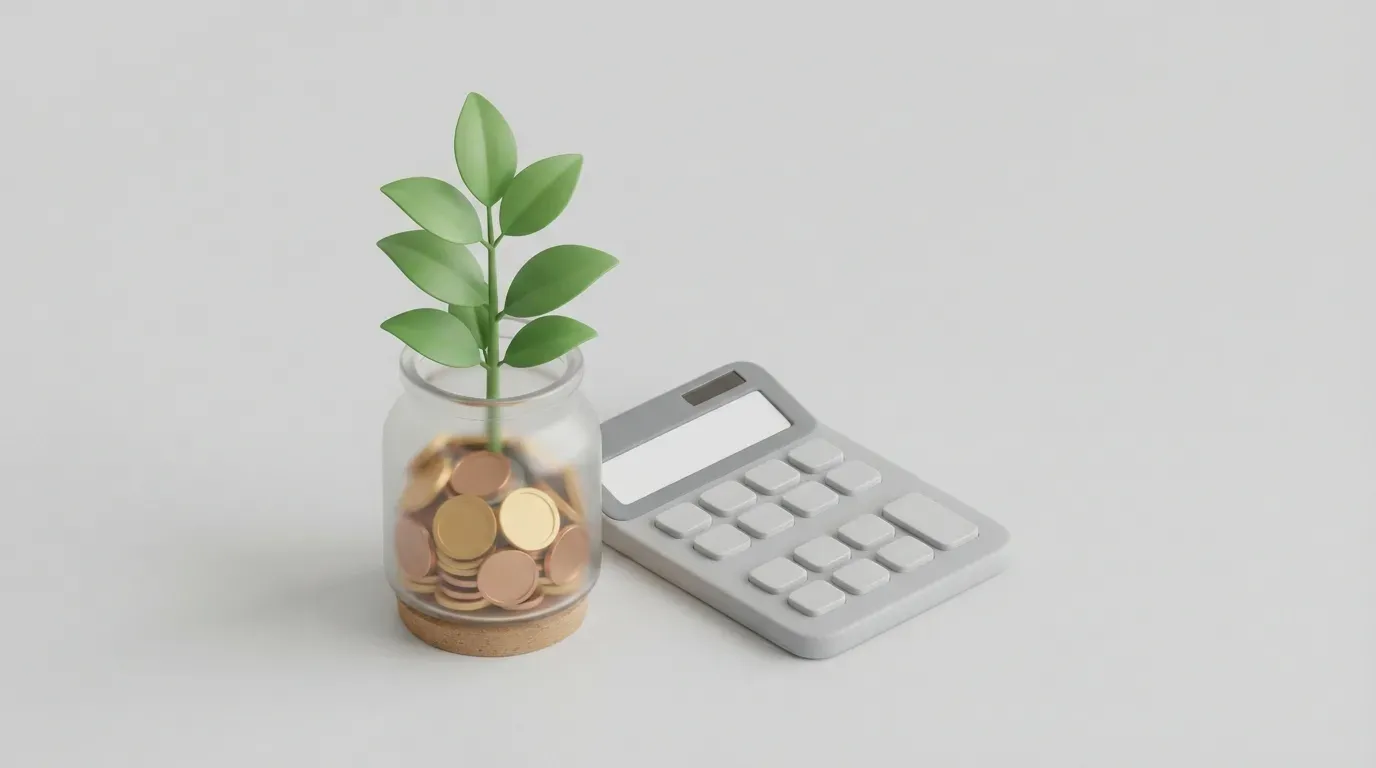 Lesson 23Benjamin Franklin's 200-year giftPrepositions for numbers and change
 Lesson 24Why buy a drill you'll use once?It's (high) time and would rather + past simple
Unit 7 Language and communication
must have, might have and can't have, verb prefixes and suffixes, past modals in continuous and passive forms, agreement with quantities
 Lesson 25How did one man write down a language?Past modals of deduction: must have, might have, can't have
 Lesson 26Why do Americans write “color”?Verb prefixes and suffixes: misspell, rewrite, simplify, shorten
 Lesson 27The joke that needed a smileyPast modals in continuous and passive forms
 Lesson 28Can preschoolers save a language?Subject-verb agreement with quantities and collective nouns
Unit 8 Exploring the extremes
dimension nouns, the future continuous and future perfect continuous, compound adjectives, only, even and just
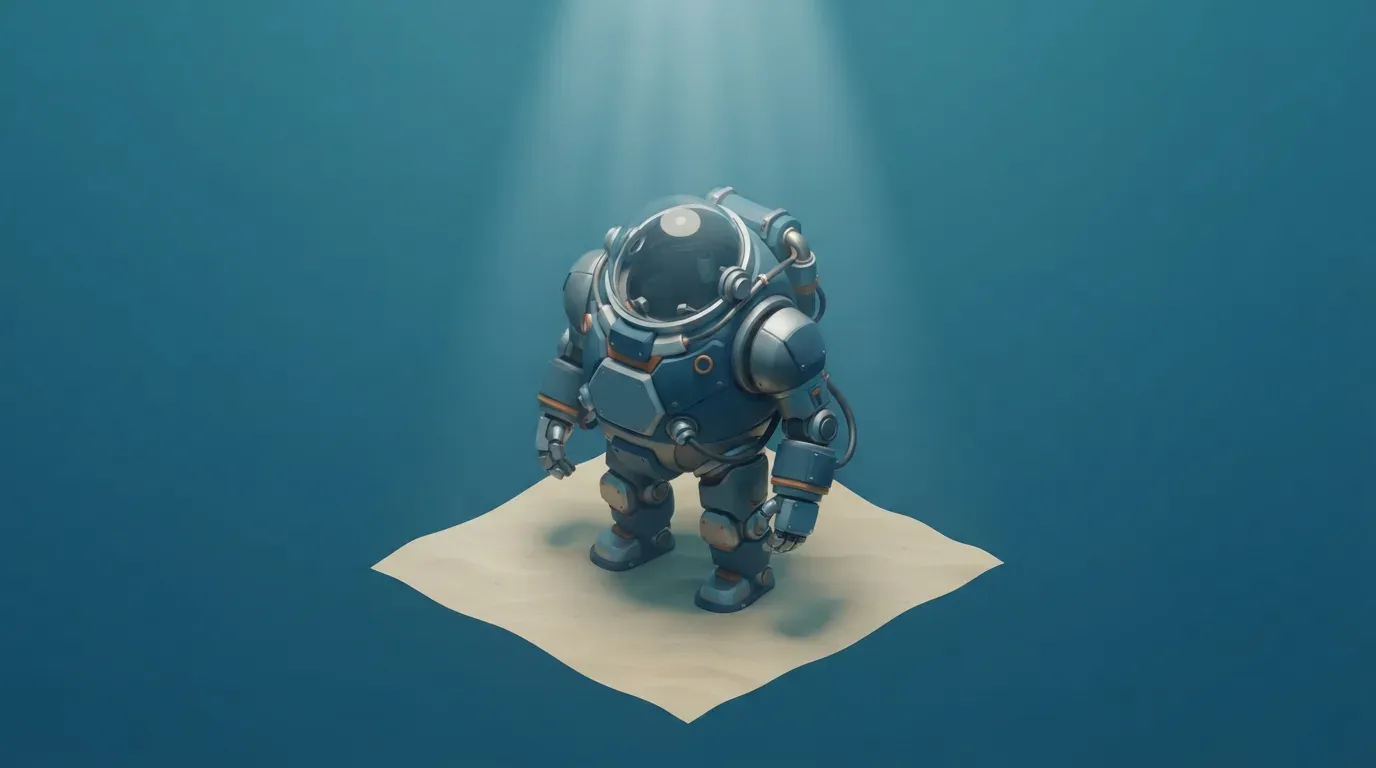 Lesson 29A walk on the ocean floorDimension nouns and phrases: depth, width, height
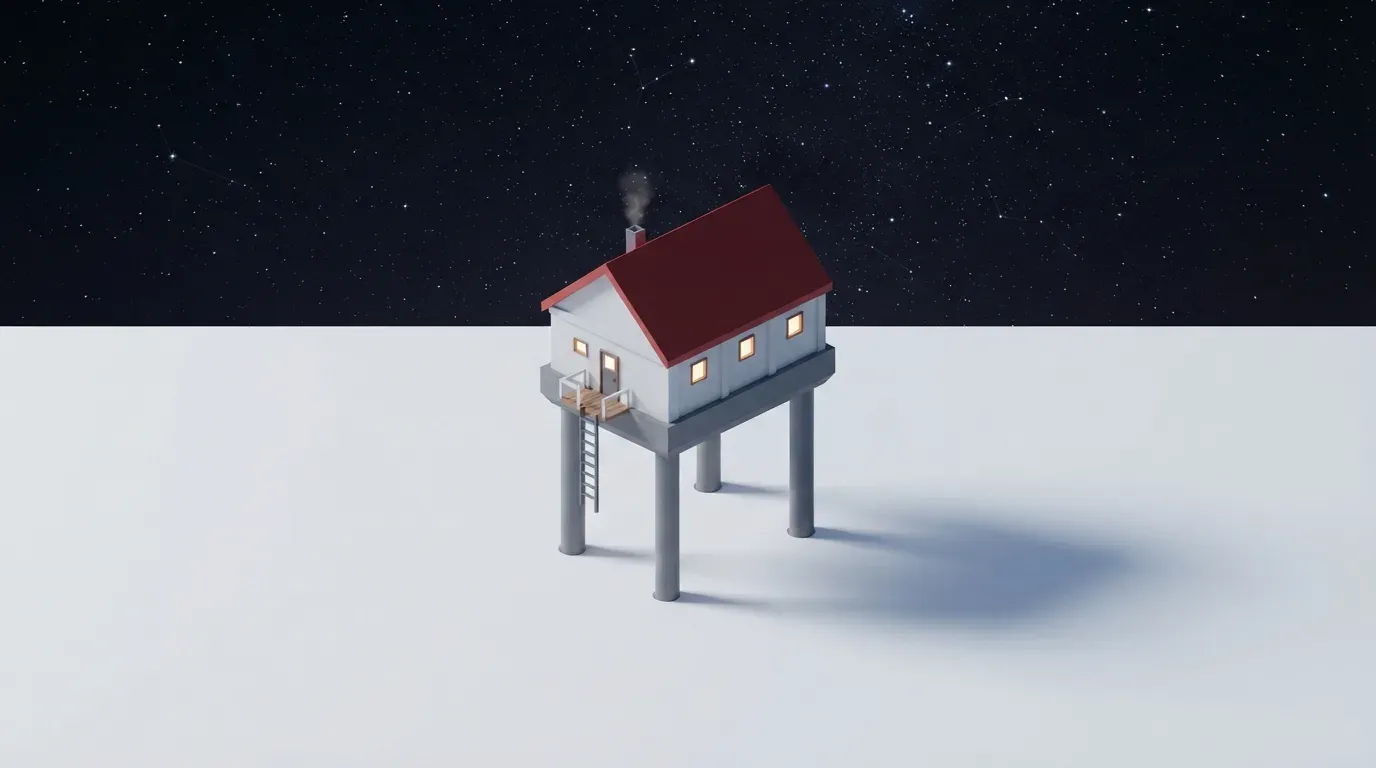 Lesson 30Six months of night at the South PoleThe future continuous and the future perfect continuous
 Lesson 31Flying on pedal powerCompound adjectives with numbers and participles
 Lesson 32Two years under glassFocus adverbs: only, even, just and at all
English B2.2 · Culture and Society
8 units, 32 lessons
32 more lessons for adults at B2 in American English, with the same Why Desk team in Pittsburgh. Each lesson answers one question about how Americans learn, work, travel and remember, from the law behind the 40-hour week to the oral histories of StoryCorps. Learners link ideas in formal writing, report what is said and believed, and pack more into a sentence with participle and relative clauses. The practice exercises check themselves.
- Grammar
- Mixed conditionals and conditional linkers, participle clauses, advanced relative clauses, the impersonal and personal passive, linkers of contrast, purpose and reason, collocations, phrasal verbs and word formation.
- Topics
- True American stories of culture and society: learning, work and rest, turning points, news and truth, travel that gives back, sport, buildings and heritage, and generations, in eight units of four lessons.
- Every lesson
- Word cards, a magazine-style explainer, two listenings, grammar practice with a scheme, a chat and a speaking game, then nine or ten homework exercises that check themselves.
Unit 1 Learning reimagined
adjective suffixes and negative prefixes, mixed conditionals, provided that and on condition that
- Lesson 1College for farmers' kids?Adjective suffixes and negative prefixes
- Lesson 2One cousin, one video, millions of learnersMixed conditionals: a past cause, a result now
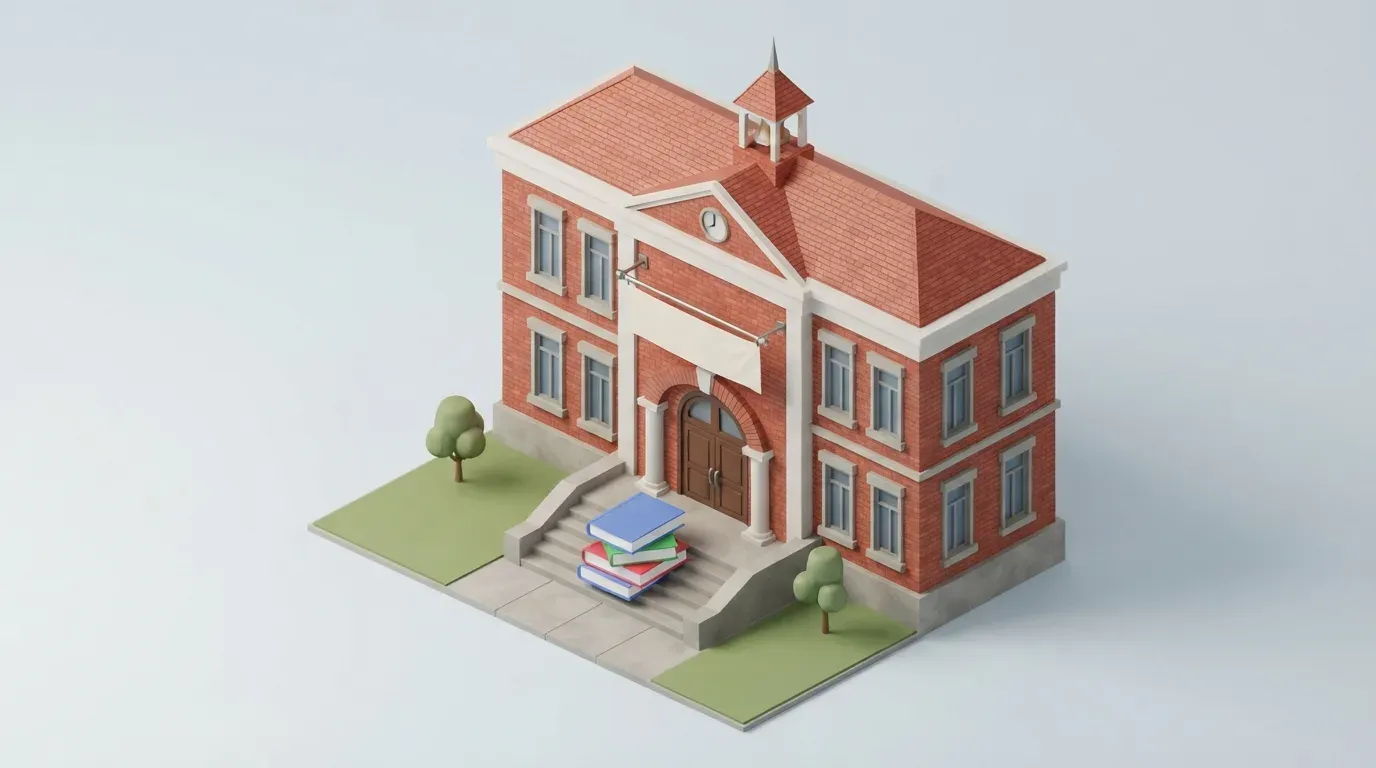 Lesson 3A college that says yesConditional linkers: provided that, on condition that, assuming, otherwise
 Lesson 4School in the woodsMixed conditionals: a present state, a past result
Unit 2 Work-life balance
be required to and be entitled to, present and perfect participle clauses, participle clauses after conjunctions
 Lesson 5Who decided a week is 40 hours?Formal rules: be required to, be entitled to, be exempt from
 Lesson 6A paid year off: rest or research?Present participle clauses for time and reason
 Lesson 7Was the coffee break born in Wisconsin?Perfect participle clauses: having done and having been done
 Lesson 8Why is the first Monday of September a day off?Participle phrases after conjunctions
Unit 3 Turning points
reduced relative clauses, preposition + which and whom, which for a whole clause, noun + preposition
 Lesson 9The keyboard that opened the officeReduced relative clauses: -ing and the past participle
 Lesson 10Earthrise: the photo that changed how we see EarthPreposition + which and whom
 Lesson 11A city of white palaces for six monthsSentence relative clauses: which for a whole clause
 Lesson 12The count that took eight years?Noun + preposition: a need for, a solution to, access to
Unit 4 News and truth
although, whereas and while, the impersonal passive, despite and however, is said to have
 Lesson 13A newspaper of their ownLinkers of contrast: although, even though, whereas and while
 Lesson 14Bat-people on the Moon?The impersonal passive: It is said that…
 Lesson 15Read like a fact-checkerLinkers of contrast: despite, in spite of, however and even so
 Lesson 16Did George Washington really chop down a cherry tree?Passive reporting verbs: is said to have done
Unit 5 Travel that gives back
so as to, in order to and so that, modifying comparatives, linkers of reason and result, verb + object + preposition + -ing
Unit 6 Sport and society
verb + noun collocations, what phrasal verb particles mean, a for-and-against essay, nouns from phrasal verbs
Unit 7 Buildings and heritage
past participle clauses, quantifier + of which and of whom, report language, turn out and prove
 Lesson 25Homes built into the cliffsPast participle clauses with a passive meaning
 Lesson 26A house over a waterfallQuantifier + of which and of whom
 Lesson 27From factory to art museumReport language: headings, impersonal style, recommendations
 Lesson 28The towers the city tried to pull downTurn out and prove + to-infinitive or that clause
Unit 8 Generations
adverb + adjective collocations, three-part phrasal verbs, negative and echo questions, prepositional phrases







More English lessons
Ready-made interactive lessons for every level, from beginner to advanced.