Saturday morning: Little League – making plans and suggestions
About this lesson
An A1 ESL lesson plan for making plans and suggestions, with the free time activities students do on the weekend.
- Grammar
- The present simple for free time with I, you, we and they, can for what's possible, Let's and How about…? (Let's watch the game!), and on, at and in for times.
- Topic
- Weekend plans around a kids' baseball league in Brooklyn and the Little League World Series in Pennsylvania, with words such as team, coach, fan and bleachers.
- Activities
- A Little League flyer to read, a dialogue and a radio minute to hear, self-checking drills, a chat, open-the-box weekend plans and a message to write.
What's inside
Chapter 1Hello, weekend!
Chapter 2Let's read: Little League
Chapter 3Let's listen: weekend plans
Chapter 4Grammar: Let's meet on Saturday!
Chapter 5Let's talk: plan a weekend
Chapter 6Homework
Vocabulary
10 words and phrases from the lesson, each with a picture and audio in edio.
+7 more with pictures and audio in the lessonMore words
- baseball
- bat
- team
- coach
- field
- fan
- bleachers
Grammar: free time and making plans
Everyone has a weekend to fill, which makes it the natural thing to plan with a friend. Learners move from routines to invitations: they say what they usually do with the present simple, then what's possible with can, and make suggestions with Let's and How about…? until everyone agrees on a time.
What do you do on the weekend? Let's make a plan!
Talk about your free time with the present simple. Make plans with can, Let's and How about…?
Free time in the present simple
For routines, the verb stays plain with I, you, we and they: I watch baseball on Saturday morning. Negatives take don't. The table shows he, she and it as well, marked as coming in A1.2, so the drills leave them out.
| Who | Yes ✓ | No ✗ |
|---|---|---|
| I | I watch baseball on Saturday morning. | I don't work on Sunday. |
| you | You relax on the weekend. | You don't get up early on Sunday. |
| he, she, it → A1.2 | She plays on Saturday. | She doesn't play on Sunday. |
| we | We meet at nine. | We don't work on the weekend. |
| they | They play baseball on Saturday morning. | They don't play on Monday. |
Can for plans: what's possible
Here can means it's possible, not a skill: We can meet at nine. Fans can sit on the bleachers. Can you come? works as the invitation, and Sorry, I can't as the polite no.
I / you / he / she / it / we / theycan / can'tverb
We can meet at nine.
Fans can sit on the bleachers.
Can you come? – Sorry, I can't.
Let's, How about…? and Are you free?
The plan table puts each question beside its replies. Let's takes a verb (Let's watch the game!), while How about takes a time or a thing: How about nine o'clock? Are you free on Sunday? gets Yes, I am.
| You | Your friend |
|---|---|
| What do you do on Saturday morning? | I relax. / I watch baseball. |
| Do you play baseball on the weekend? | Yes, I do. / No, I don't. |
| Are you free on Sunday? | Yes, I am. / No, I'm not. |
| Can you come? | Yes, I can. / Sorry, I can't. |
| Let's + verb: Let's watch the game! | Great idea! / OK! |
| How about + time or thing: How about nine o'clock? | OK! / Sorry, I can't. |
On Saturday, at nine, in the morning
Time words follow three patterns: on with a day or the weekend, at with a clock time, in the with a part of the day. A day keeps on when morning follows: on Saturday morning.
on, at or in?
on + day, on the weekend
- on Saturday
- on Saturday morning
- on Sunday afternoon
- on the weekend
at + time
- at nine o'clock
- at 8:30
- at 11 a.m.
in the + part of the day
- in the morning
- in the afternoon
- in the evening
on the weekend
the weekend = Saturday and Sunday. Say on the weekend, like on Saturday: We relax on the weekend. (Not: in the weekend.)
free = no money, free = not busy
free (no money): The games are free. free (not busy): Are you free on Sunday?
Common mistakes
What you do on Saturday?
What do you do on Saturday?
questions: What do you + verb
Do you can come?
Can you come?
can questions: no do
We can to meet at nine.
We can meet at nine.
can + verb (no to)
See you at Saturday morning!
See you on Saturday morning!
a day (+ morning): on
Try the making plans exercises
Try them yourself: these are the same exercises your students do in edio.
What's in the lesson
- 11 auto-checked exercises
- 3 games
- 2 teacher-checked tasks
- 1 real-life document
- 1 grammar scheme
- 1 set of word cards
- 2 audio clips
- 2 pictures
- 2 transcripts
The main objectives of this lesson are to:
- say what they do in their free time with the present simple: I relax on Sunday. We don't work on the weekend.
- make suggestions with Let's and How about…? and reply to them: Let's watch the game! Great idea!
- invite someone and say no politely: Can you come? Sorry, I can't.
- use on for days, at for clock times and in the for parts of the day: on Saturday morning, at 11 a.m.
- read a sports flyer for days, times, places and prices: Price for fans: free!
Lesson 31 of English A1.1 · Hello, World is the third lesson in Free time, the course's last unit. It builds on can from lessons 29 and 30, used here for what's possible rather than for skills, and on lesson 22, where on and at go with days and times; lesson 32 reviews the whole unit. A flyer with games at 9 and 11 a.m. gives every plan a real day and time to agree on.
Students spin a wheel of weekend questions, then learn ten words, from bat and coach to bleachers and relax, with pictures and audio. They read the Oak Hill Little League flyer and answer true-or-false and multiple-choice questions. They hear two AI-voiced clips: Emma and Liam's weekend plans, and a radio minute on the Little League World Series. In the grammar chapter, the scheme comes first, then four exercises that check each answer, among them a drag-and-drop of on, at and in. In the speaking chapter, they plan Saturday with Jack in a chat and open boxes to plan a weekend in pairs.
Homework puts sentences in order and matches baseball and weekend words with their meanings, both self-checking. Students then write a message to a friend that plans the weekend and record the plan as a voice message, and the teacher reviews the message and the recording.
- Grammar:
- present simple (I, you, we, they) · can for plans · Let's · How about…? · on the weekend · on Saturday morning
- Topic:
- Little League · baseball · free time · the weekend · plans
Teaching tips
- Contrast a routine with a plan on the board: I relax on Sunday versus We can meet at nine. Ask which one is about every week and which is about this week.
- Point out the two meanings of free: the flyer's games are free for fans, and Jack asks Are you free on the weekend? Then ask students for one free thing to do on a Saturday.
- Sort time phrases from students' own week into on, at and in columns on the board before the drag-and-drop.
- Let real calendars drive the box game: pairs find a day and time that suit both of them, then tell the class: On Saturday morning, we…
Liked it?
Teach the whole lesson in edio
25 exercises in 6 chapters, ready to teach. edio is an online platform for language schools and teachers: ready-made interactive lessons, live classes, homework and student progress in one place.
Start a free trial
7 days, no credit card.
Open the lesson
Find it in the library of 621 ready lessons. Teach it as it is, or copy any chapter into your own lessons.
Teach it live or as homework
Students work in their own accounts, in sync with you during the lesson, and the practice exercises check themselves.
The whole course: English A1.1 · Hello, World
32 lessons for complete beginners in simple American English, from the verb to be to can and can't. Eight units cover greetings, family, numbers, home, food, daily routines, the town and free time, and each ends with a review lesson. Pictures and definitions replace translations, and the practice exercises check themselves.See the course
Unit 1 Hello!
greetings, the verb to be, countries and nationalities, yes/no questions
 Lesson 1Hi, hey, howdy or aloha?The verb to be with I and you
 Lesson 2Ellis Island: where are they from?He's, she's, they're: the verb to be
 Lesson 3Six languages at the UNYes/no questions with be and short answers
 Lesson 4Review: hello from the Statue of LibertyThe verb to be and yes/no questions, reviewed
Unit 2 My people
family members, possessive adjectives, have got, describing people
Unit 3 Numbers all around
numbers and dates, a/an and plurals, phone numbers and prices
 Lesson 9Why is March 14 Pi Day?Numbers 0 to 100, decimals and US dates
 Lesson 10How old is the General Sherman tree?A, an and plurals, with big numbers and How old…?
 Lesson 119-1-1 and other numbers to knowSaying phone numbers, emails and prices
 Lesson 12Review: 102 floors and 1,860 stepsNumbers, dates, ages and prices, reviewed
Unit 4 Home sweet home
rooms in a house, this, that, these and those, furniture, opposites
Unit 5 Food I love
likes and dislikes, present simple questions, ordering food
 Lesson 17Pancakes for breakfast?I like, I don't like and plural nouns
 Lesson 18New York pizza or Chicago deep-dish?Present simple questions and short answers
 Lesson 19A coffee to go, please!Ordering food with I'd like and Can I have…?
 Lesson 20Review: lunch from a food truckI like, Do you like and I'd like, reviewed
Unit 6 My day
telling the time, daily routines, days of the week, prepositions of time
Unit 7 My town
places in town, prepositions of place, giving directions
 Lesson 25Main Street, USAPrepositions of place: near and next to
 Lesson 26Meet me at Union SquarePresent simple questions and negatives with we and they
 Lesson 27Turn left on 42nd StreetImperatives for giving directions
 Lesson 28Review: streets for peoplePlaces, the present simple and directions, reviewed
Unit 8 Free time
hobbies, can and can't, sports, making plans
 Lesson 29Can you play Scrabble?Can and can't for ability
 Lesson 30Can you surf?Can for ability and how well
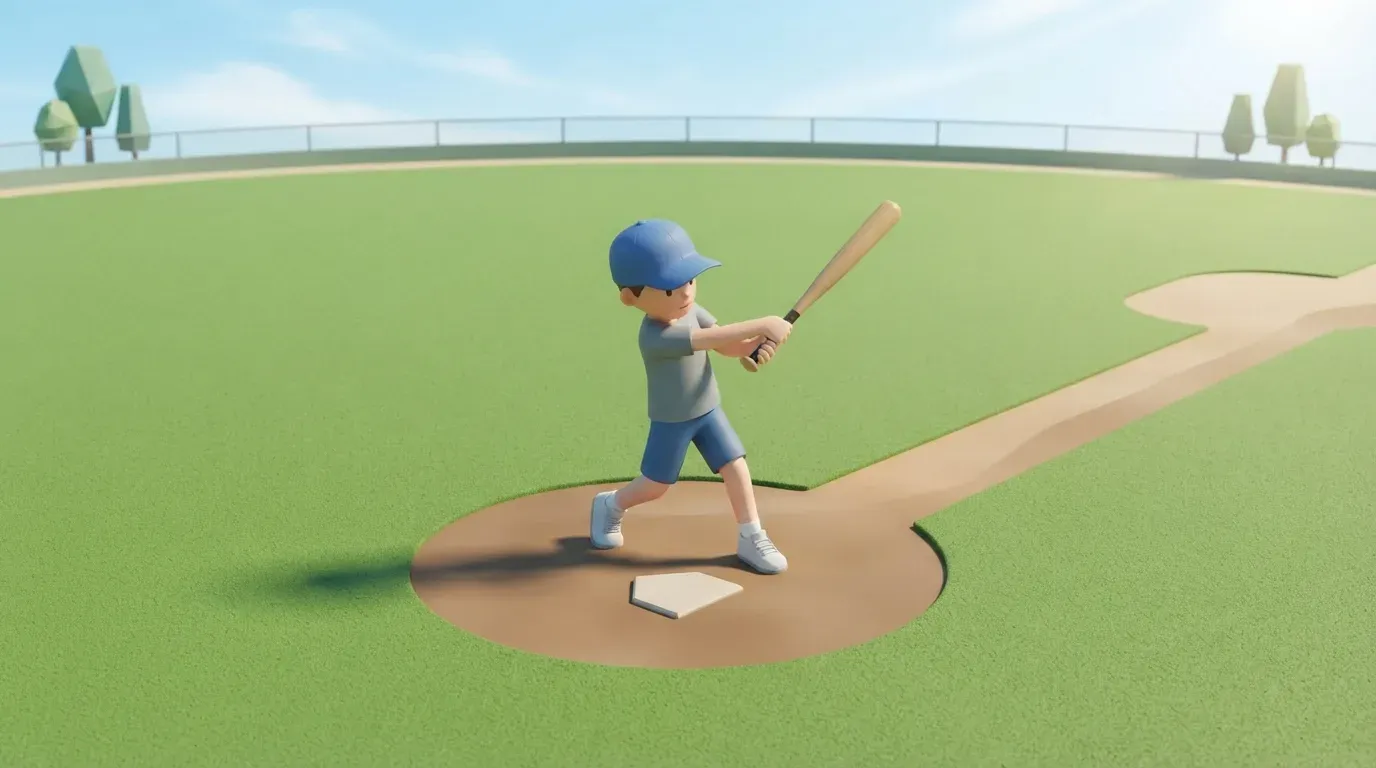 Lesson 31 · you're hereSaturday morning: Little LeagueFree time and making plans
 Lesson 32Review: a book for every childCan, can't and free time, reviewed