Can you play Scrabble? Can and can't for hobbies
About this lesson
An A1 ESL lesson plan on can and can't for hobbies, from playing chess to collecting stamps.
- Grammar
- Can and can't for ability, the same for every person (She can dance.), yes/no questions with short answers (Can you draw? No, I can't.), and telling can from can't by ear.
- Topic
- Hobbies and board games, with a free Scrabble night at a Brooklyn library on National Scrabble Day and words such as chess, puzzle, guitar and collect.
- Activities
- A game night poster to read, two roommates' Scrabble game to listen to, self-checking drills with a yes-and-no table, a chat, a who-can-do-it spin wheel and a post to write.
What's inside
Chapter 1Hello, hobbies!
Chapter 2Let's read: game night!
Chapter 3Let's listen: Scrabble in the kitchen
Chapter 4Grammar: I can, I can't
- Study the scheme: can and can'tGrammar schemeTry it
- Choose the right optionChoose the optionUnlock
- Fill in the gaps: ✅ can or ❌ can't + the verbFill in the gapsUnlock
- Fill in the table: Yes, I can. / No, I can't.Fill in the tableTry it
- Drag the words into the gapsDrag and dropUnlock
- Choose the right sentenceQuizUnlock
Chapter 5Let's talk: who can do it?
Chapter 6Homework
Hobbies vocabulary
10 words and phrases from the lesson, each with a picture and audio in edio.
+7 more with pictures and audio in the lessonMore words
- puzzle
- guitar
- piano
- video game
- sing
- draw
- collect
Grammar: can and can't for ability
Hobbies give beginners a real need to say what they can and can't do, and a game night gives them a reason to ask: Can you play Scrabble? Learners use one form of can for every person, ask questions without do, and answer with Yes, I can or No, I can't.
I can, I can't
Can you play Scrabble? – Yes, I can. / No, I can't.
Can and can't: one form for every person
Can stays the same whoever does the action: I can draw, she can dance, they can take photos. The verb after it is bare: no to, no -s, no -ing. Can't is short for cannot.
can / can't + verb
| Who? | ✅ can | ❌ can't |
|---|---|---|
| I | I can draw. | I can't draw. |
| you | You can sing. | You can't sing. |
| he | He can cook. | He can't cook. |
| she | She can dance. | She can't dance. |
| it | It can talk. 🦜 | It can't draw. 🦜 |
| we | We can play chess. | We can't play chess. |
| they | They can take photos. | They can't take photos. |
Remember
- can is the same for every person: I can, he can, she can (not cans).
- After can: the verb with no to, no -s, no -ing. She can draw (not can to draw, can draws, can drawing).
- can't = cannot: I can't sing.
Can you…? Yes, I can. No, I can't.
Questions put can before the person, with no do: Can he play chess? Short answers end on the verb, Yes, he can or No, he can't, and the table covers every person, a parrot included.
| Question | ✅ Yes | ❌ No |
|---|---|---|
| Can you draw? | Yes, I can. | No, I can't. |
| Can he play chess? | Yes, he can. | No, he can't. |
| Can she sing? | Yes, she can. | No, she can't. |
| Can your parrot talk? | Yes, it can. | No, it can't. |
| Can you and your friend dance? | Yes, we can. | No, we can't. |
| Can they cook? | Yes, they can. | No, they can't. |
Hobbies that follow can
The scheme's hobbies are ready-made verb phrases that slot in after can: play chess, play the piano, do puzzles, collect stamps, take photos. Games take play; instruments take play the.
- play chess
- play board games
- play video games
- play the guitar
- play the piano
- do puzzles
- draw
- paint
- collect stamps
- read books
- sing
- take photos
Can or can't? Listen for the stress
In a sentence, can is short and quiet, close to kn: I can draw. Can't is long and stressed: I CAN'T draw. In a short answer, can is strong too: Yes, I CAN!
Say it: can or can't?
In a sentence, can is short and quiet: I can draw = "I kn draw". can't is long and strong: I CAN'T draw. In short answers, can is strong too: Yes, I CAN!
Common mistakes
I can to dance.
I can dance.
no to after can
She cans draw.
She can draw.
no -s: he can, she can
Do you can play chess?
Can you play chess?
no do: Can you…?
I don't can sing.
I can't sing.
not don't can: can't
More lessons on this grammar: Modal verbs lessons and exercises
Try the can and can't exercises
Try them yourself: these are the same exercises your students do in edio.
What's in the lesson
- 11 auto-checked exercises
- 3 games
- 2 teacher-checked tasks
- 1 real-life document
- 1 grammar scheme
- 1 set of word cards
- 1 audio clip
- 2 pictures
- 1 transcript
The main objectives of this lesson are to:
- say what they can and can't do, with one form for every person: I can draw. Kofi can't sing.
- ask about abilities and give a short answer: Can you play chess? No, I can't.
- talk about hobbies such as play the guitar, do puzzles and collect stamps
- hear and say the difference between a short, quiet can and a long, strong can't
- read an event poster for its day, time and price: Tuesday, April 13, 6–8 p.m., free
Lesson 29 opens Free time, the last unit of English A1.1 · Hello, World. It builds on the present simple questions and short answers from lesson 18 (Do you like…? Yes, I do.), and lesson 32 reviews can and can't with the rest of the unit. A game night gives the grammar a real job: before the first move, someone asks Can you play Scrabble?
Students open boxes of questions about their hobbies, then learn ten words, from board game to collect, with pictures and audio. They read the library's game night poster, with Alfred Butts's story and the tile scores, and answer true-or-false and multiple-choice questions. Next, they listen to Olivia and Kofi (an AI-voiced dialogue) and mark what each of them can do. The grammar chapter has the scheme and five exercises, from choosing the right option to a yes-and-no table for every person and a drag-and-drop of verbs, each checked as students answer. In the speaking chapter, they chat with Olivia about game night and spin a wheel of who-can-do-it questions.
Homework starts with two self-checking tasks, putting words in order and sorting hobbies into music, games and art. Students then write a short post for the library's game night page and record a voice message about what they can and can't do, and the teacher reads and listens to both.
- Grammar:
- can / can't · Can you…? Yes, I can. / No, I can't. · hobbies
- Topic:
- Scrabble · board games · word games · hobbies · free time · National Scrabble Day
Teaching tips
- Model can and can't with your own hobbies: I can draw, I can't sing. Say can short and can't long, and let students tell you which one they heard.
- Put Can you…? next to Do you like…? on the board. Students know the second from the food unit, and seeing both together heads off Do you can…?
- Run the spin wheel as a survey: each student asks three classmates, then reports one thing someone can do and one thing someone can't.
- After the chat with Olivia, have pairs write their own game night invitation with two Can you…? questions; it doubles as a draft for the homework post.
Liked it?
Teach the whole lesson in edio
23 exercises in 6 chapters, ready to teach. edio is an online platform for language schools and teachers: ready-made interactive lessons, live classes, homework and student progress in one place.
Start a free trial
7 days, no credit card.
Open the lesson
Find it in the library of 621 ready lessons. Teach it as it is, or copy any chapter into your own lessons.
Teach it live or as homework
Students work in their own accounts, in sync with you during the lesson, and the practice exercises check themselves.
The whole course: English A1.1 · Hello, World
32 lessons for complete beginners in simple American English, from the verb to be to can and can't. Eight units cover greetings, family, numbers, home, food, daily routines, the town and free time, and each ends with a review lesson. Pictures and definitions replace translations, and the practice exercises check themselves.See the course
Unit 1 Hello!
greetings, the verb to be, countries and nationalities, yes/no questions
 Lesson 1Hi, hey, howdy or aloha?The verb to be with I and you
 Lesson 2Ellis Island: where are they from?He's, she's, they're: the verb to be
 Lesson 3Six languages at the UNYes/no questions with be and short answers
 Lesson 4Review: hello from the Statue of LibertyThe verb to be and yes/no questions, reviewed
Unit 2 My people
family members, possessive adjectives, have got, describing people
Unit 3 Numbers all around
numbers and dates, a/an and plurals, phone numbers and prices
 Lesson 9Why is March 14 Pi Day?Numbers 0 to 100, decimals and US dates
 Lesson 10How old is the General Sherman tree?A, an and plurals, with big numbers and How old…?
 Lesson 119-1-1 and other numbers to knowSaying phone numbers, emails and prices
 Lesson 12Review: 102 floors and 1,860 stepsNumbers, dates, ages and prices, reviewed
Unit 4 Home sweet home
rooms in a house, this, that, these and those, furniture, opposites
Unit 5 Food I love
likes and dislikes, present simple questions, ordering food
 Lesson 17Pancakes for breakfast?I like, I don't like and plural nouns
 Lesson 18New York pizza or Chicago deep-dish?Present simple questions and short answers
 Lesson 19A coffee to go, please!Ordering food with I'd like and Can I have…?
 Lesson 20Review: lunch from a food truckI like, Do you like and I'd like, reviewed
Unit 6 My day
telling the time, daily routines, days of the week, prepositions of time
Unit 7 My town
places in town, prepositions of place, giving directions
 Lesson 25Main Street, USAPrepositions of place: near and next to
 Lesson 26Meet me at Union SquarePresent simple questions and negatives with we and they
 Lesson 27Turn left on 42nd StreetImperatives for giving directions
 Lesson 28Review: streets for peoplePlaces, the present simple and directions, reviewed
Unit 8 Free time
hobbies, can and can't, sports, making plans
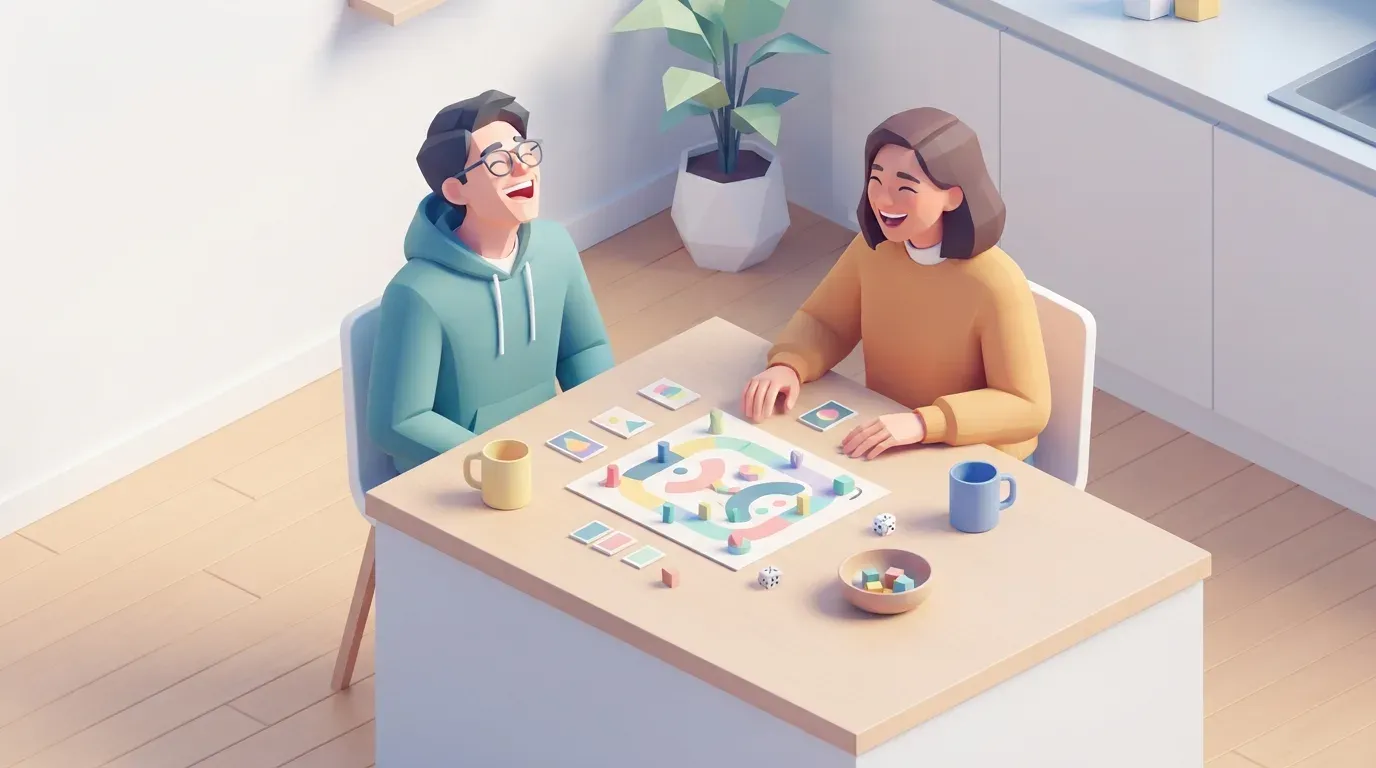 Lesson 29 · you're hereCan you play Scrabble?Can and can't for ability
 Lesson 30Can you surf?Can for ability and how well
 Lesson 31Saturday morning: Little LeagueFree time and making plans
 Lesson 32Review: a book for every childCan, can't and free time, reviewed