Why is March 14 Pi Day? Numbers and dates in English
About this lesson
This A1 ESL lesson plan teaches numbers and dates in English through Pi Day on March 14.
- Grammar
- Numbers from 0 to 100 (forty with no u, a hyphen in twenty-one), the stress in 13 and 30, decimals read with point, and US dates, month first: 3/14.
- Topic
- Pi Day in the US, the day for pi and pie, at a pie shop in Brooklyn, New York, with words like slice, circle, math and calendar.
- Activities
- Students read a Pi Day poster, hear a dialogue and a radio host, practice in self-checking drills, chat about the date, open boxes of number tasks and record numbers at home.
What's inside
Chapter 1Pies and numbers!
Chapter 2Let's read: Happy Pi Day!
Chapter 3Let's listen: how many pies?
Chapter 4Grammar: numbers and dates
Chapter 5Let's talk: what's the date?
Chapter 6Homework
Vocabulary
10 words and phrases from the lesson, each with a picture and audio in edio.
+7 more with pictures and audio in the lessonMore words
- oven
- math
- calendar
- party
- birthday
- count
- write
Grammar: numbers 0 to 100, decimals and US dates
Pi Day is a number and a date at once: pi is about 3.14, and in the US, March 14 is written 3/14. That makes the day a natural way into numbers for beginners. Learners count Sam's pies, learn numbers in English from 0 to 100, read 3.14 aloud with point, and write every date with the month first.
Numbers 0–100, 3.14 and dates
Say and write numbers, say 3.14, and write dates the American way.
Numbers 0 to 100: fourteen, but forty
The table runs from zero to one hundred and marks the spelling trap: four and fourteen, but forty with no u. For the numbers between the tens, a hyphen joins the two words: twenty-one, forty-five, ninety-nine.
Numbers 0–100
| 0–9 | 10–19 | 20, 30 … 100 |
|---|---|---|
| 0 zero | 10 ten | 20 twenty |
| 1 one | 11 eleven | 30 thirty |
| 2 two | 12 twelve | 40 forty (no u!) |
| 3 three | 13 thirteen | 50 fifty |
| 4 four | 14 fourteen | 60 sixty |
| 5 five | 15 fifteen | 70 seventy |
| 6 six | 16 sixteen | 80 eighty |
| 7 seven | 17 seventeen | 90 ninety |
| 8 eight | 18 eighteen | 100 one hundred |
| 9 nine | 19 nineteen |
Tens + one to nine: use a hyphen (-)
twenty, thirty … ninetyone, two … nine
twenty-one = 21
forty-five = 45
ninety-nine = 99
Thirteen or thirty? Listen for the stress
The teens are loud at the end, thirTEEN, and the tens at the start, THIRty. The stress is what tells 13 from 30, which is why Priya stops to check Sam's list: Fifteen or fifty?
13, 14 … 19: loud at the end
- 13 thirTEEN
- 14 fourTEEN
- 15 fifTEEN
20, 30 … 90: loud at the start
- 30 THIRty
- 40 FORty
- 50 FIFty
3.14: say point, then one digit at a time
A decimal is read with point, never comma, and the digits after it come one by one: three point one four, two point five. The digits of pi, 3.14159…, never end.
- 3.14 = three point one fourAfter the point, say one digit at a time: one, four.
- 2.5 = two point five
- π = 3.14159… = three point one four one five nine…The digits of pi (3, 1, 4, 1, 5, 9…) never end.
Dates the American way: month first
The months are numbered 1 to 12, and a US date starts with the month: March 14 is 3/14, December 25 is 12/25. The tip shows how people say it: March fourteenth or three fourteen.
The months: 1–12
- 1 January
- 2 February
- 3 March
- 4 April
- 5 May
- 6 June
- 7 July
- 8 August
- 9 September
- 10 October
- 11 November
- 12 December
Dates in the US: the month is first
| In words | In numbers | The first number |
|---|---|---|
| March 14 | 3/14 | 3 = March |
| July 4 | 7/4 | 7 = July |
| December 25 | 12/25 | 12 = December |
Say the date
We write March 14 or 3/14. We say March fourteenth or three fourteen.
Common mistakes
fourty
forty
4 four, 14 fourteen, but 40 forty: no u!
twenty one
twenty-one
Twenty + one: use a hyphen (-).
3.14 = three comma fourteen
3.14 = three point one four
Say point. Then say one digit at a time.
March 14 = 14/3
March 14 = 3/14
In the US, the month is first.
Try the numbers and dates exercises
Try them yourself: these are the same exercises your students do in edio.
What's in the lesson
- 11 auto-checked exercises
- 3 games
- 1 teacher-checked task
- 1 real-life document
- 1 grammar scheme
- 1 set of word cards
- 2 audio clips
- 2 pictures
- 2 transcripts
The main objectives of this lesson are to:
- count and write numbers from 0 to 100, with a hyphen in twenty-one and no u in forty
- hear and say the difference between thirteen and thirty, and between the other teens and tens
- read a decimal aloud, one digit at a time after the point: 3.14 is three point one four
- write dates the American way, with the month first: March 14 is 3/14
- name the months and their numbers, from January (1) to December (12)
Lesson 9 opens Numbers all around, the third unit of English A1.1 · Hello, World. It builds on the family words and possessive adjectives of lesson 5, now with ages (My mom is forty), and lesson 12 closes the unit with a review of numbers and dates. Pi Day makes the US date order easy to remember: March 14 is 3/14, which looks like pi's 3.14.
Students warm up with a spin wheel of number questions, ten words from pie to calendar with pictures and audio, and a picture task with three kinds of pie. They read a Pi Day poster from the shop, with a slice for $3.14, a party at 1:59 p.m. and a pi challenge, then answer true-or-false and multiple-choice questions. Next they hear Sam and Priya count the pies (an AI-voiced dialogue) and a radio host's Pi Day message. The grammar chapter has the scheme and four exercises, from choosing twelve or twenty to dragging month, day and point into sentences, each checked as students answer. In the speaking chapter, they reply to Olivia in a chat and open boxes of questions about numbers, dates and birthdays.
The homework asks for a table of dates, with numbers for July 4 and a month name for 2/9, and an anagram of words from the lesson. Last comes a recording: counting in tens, telling 13 from 30, saying pi and giving a birthday month first, for the teacher to review.
- Grammar:
- numbers 0–100 · saying 3.14 · dates the US way
- Topic:
- Pi Day · numbers · dates · pie
Teaching tips
- Write 3.14 and 3/14 side by side before the reading and ask what they have in common; the poster then confirms the guesses.
- Run a stress dictation with 13 and 30, 14 and 40, 15 and 50: you say one, students write it down, then pairs take over, as in the open-the-box game.
- Collect the class's birthdays as US dates on the board, month first, and ask whose comes next. It practices the months and the order in one go.
- Hold the poster's pi challenge in class: who can say 3.14159 the fastest, with point and one digit at a time?
- Use the chat with Olivia as a model, then have pairs text each other dates like 7/4 and 12/25 and read them back in words.
Liked it?
Teach the whole lesson in edio
24 exercises in 6 chapters, ready to teach. edio is an online platform for language schools and teachers: ready-made interactive lessons, live classes, homework and student progress in one place.
Start a free trial
7 days, no credit card.
Open the lesson
Find it in the library of 621 ready lessons. Teach it as it is, or copy any chapter into your own lessons.
Teach it live or as homework
Students work in their own accounts, in sync with you during the lesson, and the practice exercises check themselves.
The whole course: English A1.1 · Hello, World
32 lessons for complete beginners in simple American English, from the verb to be to can and can't. Eight units cover greetings, family, numbers, home, food, daily routines, the town and free time, and each ends with a review lesson. Pictures and definitions replace translations, and the practice exercises check themselves.See the course
Unit 1 Hello!
greetings, the verb to be, countries and nationalities, yes/no questions
 Lesson 1Hi, hey, howdy or aloha?The verb to be with I and you
 Lesson 2Ellis Island: where are they from?He's, she's, they're: the verb to be
 Lesson 3Six languages at the UNYes/no questions with be and short answers
 Lesson 4Review: hello from the Statue of LibertyThe verb to be and yes/no questions, reviewed
Unit 2 My people
family members, possessive adjectives, have got, describing people
Unit 3 Numbers all around
numbers and dates, a/an and plurals, phone numbers and prices
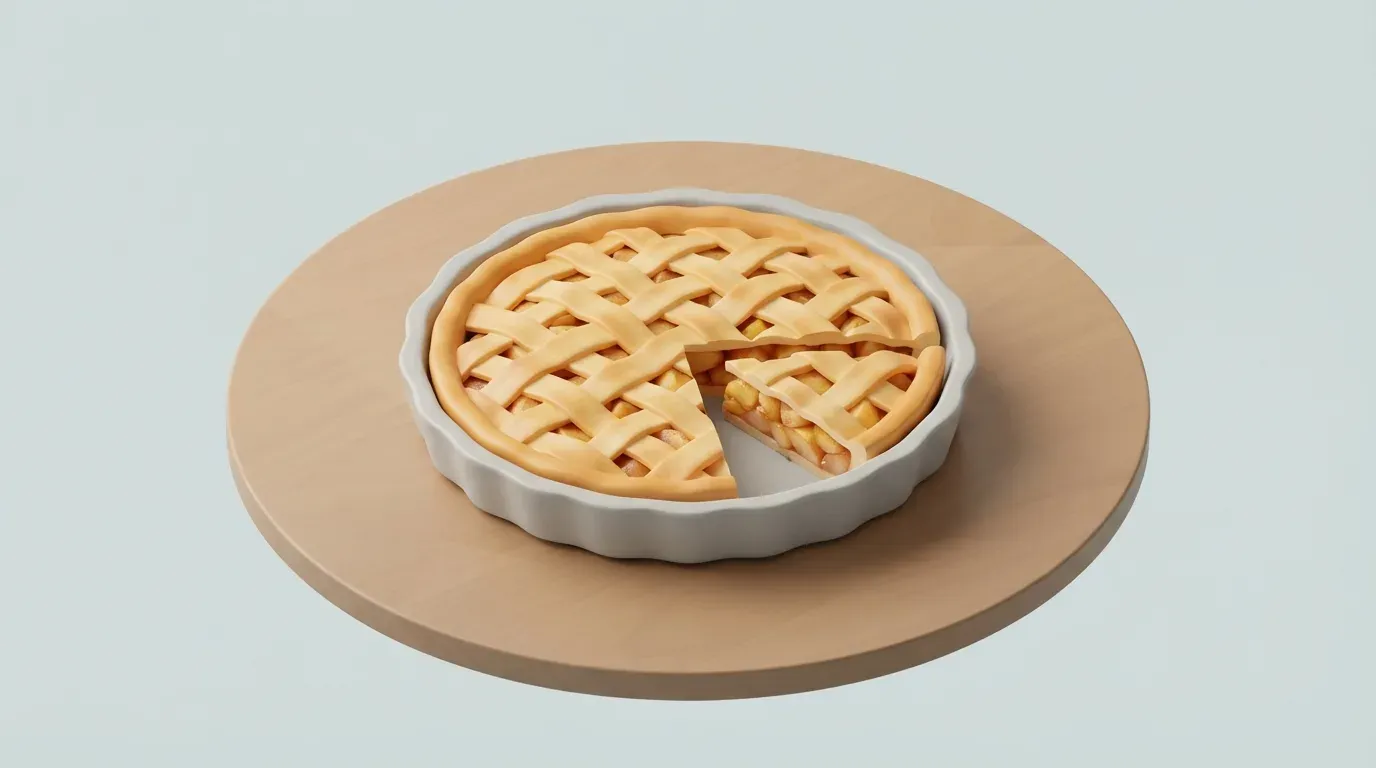 Lesson 9 · you're hereWhy is March 14 Pi Day?Numbers 0 to 100, decimals and US dates
 Lesson 10How old is the General Sherman tree?A, an and plurals, with big numbers and How old…?
 Lesson 119-1-1 and other numbers to knowSaying phone numbers, emails and prices
 Lesson 12Review: 102 floors and 1,860 stepsNumbers, dates, ages and prices, reviewed
Unit 4 Home sweet home
rooms in a house, this, that, these and those, furniture, opposites
Unit 5 Food I love
likes and dislikes, present simple questions, ordering food
 Lesson 17Pancakes for breakfast?I like, I don't like and plural nouns
 Lesson 18New York pizza or Chicago deep-dish?Present simple questions and short answers
 Lesson 19A coffee to go, please!Ordering food with I'd like and Can I have…?
 Lesson 20Review: lunch from a food truckI like, Do you like and I'd like, reviewed
Unit 6 My day
telling the time, daily routines, days of the week, prepositions of time
Unit 7 My town
places in town, prepositions of place, giving directions
 Lesson 25Main Street, USAPrepositions of place: near and next to
 Lesson 26Meet me at Union SquarePresent simple questions and negatives with we and they
 Lesson 27Turn left on 42nd StreetImperatives for giving directions
 Lesson 28Review: streets for peoplePlaces, the present simple and directions, reviewed
Unit 8 Free time
hobbies, can and can't, sports, making plans