Come to our cookout! Invitations with Would you like to…?
About this lesson
This A2 ESL lesson plan teaches making and answering invitations in English: how to invite, accept and decline politely.
- Grammar
- Inviting with Would you like to…? or Do you want to…?, accepting with I'd love to!, and a polite no with a reason in the present continuous: Sorry, I can't. I'm working that day.
- Topic
- The Fourth of July in Bristol, Rhode Island, whose celebration people call the oldest in the country, and the American cookout, with words such as side dish, lawn chair and sparkler.
- Activities
- A cookout invitation to read, two listenings (a campsite dialogue and a viewer's message), self-checking drills, a chat invitation from Marco and open boxes.
What's inside
Chapter 1Fire up the grill!
Chapter 2Let's read: you're invited!
Chapter 3Let's listen: see you on Saturday!
Chapter 4Grammar: I'd love to!
- Study the scheme: invite, accept, refuseGrammar schemeTry it
- Choose the correct optionChoose the optionUnlock
- Fill in the gaps: say no politely with the present continuousFill in the gapsTry it
- Drag the words into the gaps: invitations at the campgroundDrag and dropUnlock
- Choose the right answerQuizUnlock
Chapter 5Let's talk: are you free on Saturday?
Chapter 6Homework
- Match the words and the meaningsMatchUnlock
- Unscramble the wordsAnagramUnlock
- Fill in the gaps with the words from the lessonFill in the gapsUnlock
- Sort the words into the correct columnsSort into columnsUnlock
- Choose the correct optionChoose the optionUnlock
- Fill in the table: say no politelyFill in the tableUnlock
- Put the words in the correct orderUnjumbleUnlock
- Choose the correct option: the friends' group chatChoose the optionUnlock
- Drag the words into the gaps: our answer to SusanDrag and dropUnlock
Vocabulary
10 words and phrases from the lesson, each with a picture and audio in edio.
+7 more with pictures and audio in the lessonMore words
- cookout
- side dish
- lawn chair
- corn on the cob
- sparkler
- spatula
- campsite
Grammar: making, accepting and refusing invitations
An invitation in English is a polite question with a few fixed answers: Would you like to come? I'd love to! Sorry, I can't. Around a Fourth of July cookout, learners invite with Would you like to…? or Do you want to…?, accept warmly, and turn invitations down politely, with a reason in the present continuous.
Would you like to come? I'd love to!
Invite with Would you like to…? or Do you want to…?, say yes with I'd love to!, and say no politely with a reason.
Inviting: Would you like to…? and Do you want to…?
Both questions take to + the base verb: Would you like to come to our cookout? Do you want to join us for the fireworks? Would you like to…? sounds more polite, and Are you free on Saturday? checks the day first.
| Start | Example |
|---|---|
| Would you like to + verb …? | Would you like to come to our cookout? |
| Do you want to + verb …? | Do you want to join us for the fireworks? |
| Are you free on + day? | Are you free on Saturday? |
Accepting: I'd love to!
I'd love to!, That sounds great! and Thanks for inviting me! all say yes. I'd is short for I would, and I'd love always takes to: I'd love to! or I'd love to come!, never I'd love! I'd love to come to! stops too early, too.
2. Answer
| Accept 👍 | Refuse politely 🙏 |
|---|---|
| I'd love to! | Sorry, I can't. + a reason |
| That sounds great! | I'd love to, but + a reason |
| Thanks for inviting me! | Thanks for asking! Maybe next time! |
I'd love to!
I'd = I would. After I'd love, say to: I'd love to! You can say more, too: I'd love to come! I'd love to come to your cookout! Don't stop after love or after come to. (Not: I'd love! Not: I'd love to come to!)
Saying no politely, with a reason
A bare No or No, I wouldn't sounds rude. Say Sorry, I can't or I'd love to, but…, then give the reason as a plan in the present continuous: I'm working that day. We're going to the beach. Close with Thanks for asking! or Maybe next time!
Be polite!
To say no, don't say just No or No, I wouldn't. It sounds rude. Say Sorry, I can't + a reason, then Thanks for asking! or Maybe next time! And it's always I can't (never: I don't can).
3. The reason: a plan (present continuous)
| Who | Refuse politely |
|---|---|
| I | Sorry, I can't. I'm working that day. |
| you | You can't come? Oh, you're visiting your aunt. |
| he, she, it | Marco can't. He's grilling. / Maya can't. She's filming. / The band can't. It's playing. |
| we | Sorry, we can't. We're going to the beach. |
| they | They can't come. They're working on the Fourth. |
The reason is a plan
Your reason is a plan for that day, so use the present continuous: I'm working that day. We're visiting my grandma on Saturday. It sounds better than the present simple (I work that day).
Can't, never don't can
Two more slips: Would you like come? drops the to, and Sorry, I don't can should be Sorry, I can't, because can never takes do or don't. The campground examples put the moves together, a ranger's polite no among them.
Common mistakes
I'd love!
I'd love to!
I'd love + to
Would you like come?
Would you like to come?
like to + verb
Sorry, I don't can.
Sorry, I can't.
can't, never don't can
No, I wouldn't.
Sorry, I can't. I'm working that day.
polite: sorry + a reason
At the campground
- Rafael: Would you like to come to our cookout?
- Nora: We'd love to! Thanks for inviting us.
- Rafael: Do you want to bring a side dish?
- Nora: Sure! Would you like some help at the grill?
- Ranger: Sorry, I can't. I'm working that day. Maybe next time!
- Kelly: That sounds great! I'd love to come!
Try the invitations exercises
Try them yourself: these are the same exercises your students do in edio.
What's in the lesson
- 17 auto-checked exercises
- 4 games
- 1 real-life document
- 1 grammar scheme
- 1 set of word cards
- 2 audio clips
- 2 pictures
- 2 transcripts
The main objectives of this lesson are to:
- invite someone with Would you like to…?, Do you want to…? or Are you free on Saturday?
- accept warmly: I'd love to! That sounds great! Thanks for inviting me!
- say no politely with a reason in the present continuous: I'd love to, but I'm working that day. Maybe next time!
- keep the to in I'd love to and Would you like to come?, and say I can't, never I don't can
Lesson 29 opens Traditions we love, the last unit of English A2.2 · Curious Minds, in which learners explain a tradition and invite others to join in. It builds on A2.1 lesson 11, where Would you like…? offered food at a diner, and on A2.1 lesson 22, the present continuous for arrangements, which now gives the reason behind a polite no. The invitation asks for an answer by Thursday, so every reader has a real yes or no to give.
Students spin a wheel of questions about eating outside, fireworks and saying no to a party, then learn ten words, from grill, accept and refuse to spatula and campsite, with pictures and audio. They read a neighbor's invitation to a Fourth of July cookout, which also mentions the Bristol parade, then hear Nora accept it for her friends (an AI-voiced dialogue) and a viewer ask what a cookout is, with a challenge to collect three yeses. Four drills then practice inviting, accepting and refusing, with feedback on every answer, including a gap-fill of reasons for saying no. In the speaking chapter, students answer Marco's invitation in a chat, then open boxes that ask them to invite, accept or say no.
The nine homework tasks all check themselves: a word match, an anagram and a word gap-fill, a sort of cookout words, a choice of forms, a table of polite refusals for every person, word order, the friends' group chat and an answer to the viewer to complete.
- Grammar:
- invitations · Would you like to…? · Do you want to…? · I'd love to! · Sorry, I can't + present continuous
- Topic:
- Fourth of July · cookouts · Bristol, Rhode Island · fireworks · long weekend · Curious Minds
Teaching tips
- Run an invitation mingle: each student invites three classmates to a real weekend plan, and every answer must be I'd love to! or Sorry, I can't + a reason, such as I'm visiting my aunt.
- Before the reading, ask what guests bring to a party. Students then find what the invitation asks for (a side dish or a dessert, and a blanket) and who is welcome.
- Play the campsite dialogue for the answers: students note each invitation and whether the reply accepts or says no, then check as you read the transcript aloud.
- Ban the bare no: when a student turns down an invitation with just No, the class prompts Sorry, I can't…, and the student adds a reason and Maybe next time!
Liked it?
Teach the whole lesson in edio
30 exercises in 6 chapters, ready to teach. edio is an online platform for language schools and teachers: ready-made interactive lessons, live classes, homework and student progress in one place.
Start a free trial
7 days, no credit card.
Open the lesson
Find it in the library of 621 ready lessons. Teach it as it is, or copy any chapter into your own lessons.
Teach it live or as homework
Students work in their own accounts, in sync with you during the lesson, and the practice exercises check themselves.
The whole course: English A2.2 · Curious Minds
32 lessons that pick up where English A2.1 ends, in simple American English, from the present perfect to used to, have to and relative clauses. Eight units cover nature, tech at home, heroes, healthy habits, fashion, school, animals and traditions. Pictures and definitions replace translations, and the practice exercises check themselves.See the course
Unit 1 Wonders of nature
the present perfect with ever and never, been to, superlatives with I've ever, articles with place names
Unit 2 Clever tech at home
the present perfect with just, already and yet, phrasal verbs, subject and object questions
Unit 3 Everyday heroes
the past continuous, when and while, adjective order, story linkers
Unit 4 Healthy and happy habits
will for predictions, the zero and first conditionals, so do I and neither do I
 Lesson 13Why does school start later in California?Will and won't for predictions, decisions and offers
 Lesson 14Brain freeze!The zero conditional for facts
 Lesson 15Doctor's orders: go to the park!The first conditional with if and will
 Lesson 16Walking in the mall at 7 a.m.Agreeing with So do I and Neither do I
Unit 5 Style through time
used to, didn't use to, made of and made from, still and not anymore
Unit 6 School in America
have to, must and mustn't, be allowed to, had to
Unit 7 Amazing animals
relative clauses with which, that, who and where, look and sound + adjective, adjectives with prepositions
 Lesson 25The bird that copies car alarmsRelative clauses with which and that
 Lesson 26Alligators and crocodiles togetherWho, which, that and where in relative clauses
 Lesson 27Sailors thought it was a mermaidLook, sound and feel as linking verbs
 Lesson 28Beagles at the airportAdjectives with prepositions
Unit 8 Traditions we love
invitations, will vs going to, so and such, one and ones
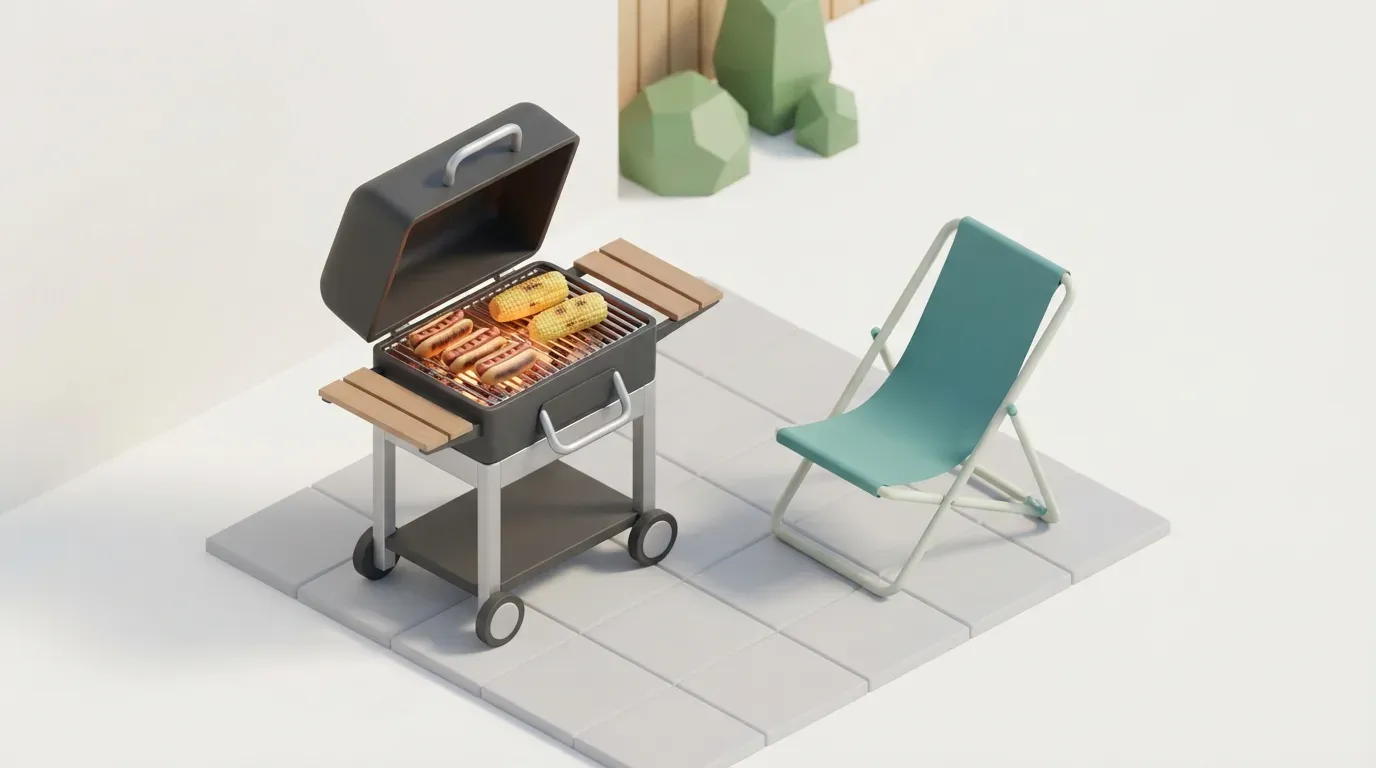 Lesson 29 · you're hereCome to our cookout!Making, accepting and refusing invitations
 Lesson 30Is spring going to come early?Will vs going to for the future
 Lesson 31From turnips to pumpkinsSo and such for emphasis
 Lesson 32Giant balloons over ManhattanOne and ones in place of a noun