Why did everyone use to wear a hat? Used to for past habits and states
About this lesson
This A2 ESL lesson plan teaches used to for past habits and states, comparing the hats fans wore to old ballgames with today's caps.
- Grammar
- Used to + verb for things that aren't true now (Men used to wear hats to games.), the same for every person, set against the past simple and usually.
- Topic
- Types of hats at American ballgames, from the straw boater and the fedora to the baseball cap, with words such as brim, scoreboard and seventh-inning stretch.
- Activities
- A museum notice to read, a guide's talk and a viewer's question to hear, self-checking drills, a chat from the stands and open boxes of I used to… prompts.
What's inside
Chapter 1Hats on!
Chapter 2Let's read: hats in the stands
Chapter 3Let's listen: the ballpark museum
Chapter 4Grammar: Men used to wear hats
Chapter 5Let's talk: I used to…
Chapter 6Homework
- Match the words and the meaningsMatchUnlock
- Unscramble the wordsAnagramUnlock
- Fill in the gaps with the words from the lessonFill in the gapsUnlock
- Sort the words into the correct columnsSort into columnsUnlock
- Choose the correct optionChoose the optionUnlock
- Fill in the gaps: say it with used toFill in the gapsUnlock
- Put the words in the correct orderUnjumbleUnlock
- Drag the words into the gaps: Nora's postDrag and dropUnlock
- Choose the correct option: comments under the postChoose the optionUnlock
Vocabulary
10 words and phrases from the lesson, each with a picture and audio in edio.
+7 more with pictures and audio in the lessonMore words
- fedora
- suit
- baseball cap
- brim
- scoreboard
- seventh-inning stretch
- casual
Grammar: used to for past habits and states
Used to is the grammar for a past that has changed: Men used to wear hats to games. (Most men don't now.) With old photos of crowds in hats, learners set each used to sentence against one about now, use the same form for every person, and keep the past simple for single events.
Men used to wear hats. Now people wear caps.
used to + verb: a habit or a state in the past. It isn't true now.
Then and now
Each used to sentence has a partner about today in the present simple: Fans used to dress up for games. Now fans wear casual clothes. Used to is followed by the base verb, and be works too: The fedora used to be very popular.
Then and now
| Then: used to + verb | Now: present simple |
|---|---|
| Men used to wear hats to games. | Now a lot of fans wear baseball caps. |
| Fans used to dress up for games. | Now fans wear casual clothes. |
| The fedora used to be very popular. | Now the baseball cap is popular. |
used to = not now
used to + verb is about the past, and it isn't true now: Men used to wear hats (but most men don't now). It's the same for every person: I, you, he, she, it, we, they used to. After did, we write use to, without d: Why did everyone use to wear a hat?
One form for every person
Used to never changes: I, you, he, she, it, we and they all take it, so it's He used to wear a suit to games, with no -s anywhere. There used to be works the same way: There used to be an old rule about straw hats.
Every person: the same form
| Who | used to + verb |
|---|---|
| I | I used to wear a cap to school. |
| you | You used to sing along to every song. |
| he | He used to wear a suit to games. |
| she | She used to dress up on Sundays. |
| it | It used to be a hat store. |
| we | We used to play baseball in the park. |
| they | They used to wear straw hats in summer. |
At the ballpark museum
- Men used to wear a hat outdoors.
- Fans used to dress up for ballgames.
- Women used to wear hats to games too.
- Biscuit used to chew Marco's hats!
- There used to be an old rule about straw hats.
Used to or the past simple?
Used to is for something repeated many times or true for a long time: Men used to wear hats every day. One event, at one time, takes the past simple: On August 29, 1924, fans watched a scoreboard. Last night, our team won the game.
used to: many times or a long time
- Men used to wear hats every day.
- Biscuit used to chew hats.
- Car roofs used to be higher.
past simple: one time, one event
- On August 29, 1924, fans watched a scoreboard.
- Today, Marco tried on a boater.
- Last night, our team won the game.
Usually now, used to then
Usually and the present simple describe habits today: These days, fans usually wear caps. Used to only looks back: As a kid, I used to wear rain boots. So Now I used to wear a hoodie is wrong; it's Now I usually wear a hoodie.
Now: usually + present simple
- These days, fans usually wear caps.
- I usually wear sneakers.
Then: used to + verb
- In the 1920s, men used to wear hats.
- As a kid, I used to wear rain boots.
Common mistakes
Men used to wore hats.
Men used to wear hats.
used to + the base form
Fans use to dress up.
Fans used to dress up.
used, with d (no did before it)
I'm used to wear a cap.
I used to wear a cap.
no am, is or are before used to
Last Sunday, our team used to win.
Last Sunday, our team won.
one event: the past simple
More lessons on this grammar: Used to lessons and exercises
Try the used to exercises
Try them yourself: these are the same exercises your students do in edio.
What's in the lesson
- 17 auto-checked exercises
- 4 games
- 1 real-life document
- 1 grammar scheme
- 1 set of word cards
- 2 audio clips
- 3 pictures
- 2 transcripts
The main objectives of this lesson are to:
- talk about past habits with used to + verb: Men used to wear hats to games. Fans used to dress up.
- describe past states that aren't true now: The fedora used to be very popular. Car roofs used to be higher.
- keep the past simple for one event: Last night, our team won the game, not used to win
- compare then and now with used to and usually: As a kid, I used to wear rain boots. I usually wear sneakers.
Lesson 17 opens Style through time, unit 5 of English A2.2 · Curious Minds. It builds on A2.1 lessons 1 and 2, which taught the past simple of regular and irregular verbs, and on A1.2 lesson 8, where adverbs of frequency such as usually described habits. Lesson 18 adds didn't use to and Did … use to…? Old photos where almost every man wears a hat ask for exactly this language: what people did then and don't do now.
Students spin a wheel of questions about hats, ballgames and old family photos, then learn ten words, from dress up to seventh-inning stretch, with pictures and audio. They read a ballpark museum notice on hats in the stands, Felt Hat Day included, then hear Marco talk with Zoe, a museum guide, and a viewer ask why everyone wore a hat, both AI-voiced. The grammar chapter has the scheme and four self-checking exercises, among them a then-and-now table for every person. In the speaking chapter, students answer Maya's messages from the stands, then open boxes about what they used to do, wear, eat and play.
All nine homework tasks check themselves: a word match, an anagram, a gap-fill and a column sort for the words, then a choice between used to and the past simple, gaps that turn past simple sentences into used to, word order, a then-and-now post to complete and a choice of forms in the comments under it.
- Grammar:
- used to + verb · past habits and states · used to vs past simple · used to vs usually
- Topic:
- baseball · hats · boater · fedora · seventh-inning stretch · Felt Hat Day · Curious Minds
Teaching tips
- Start with a family photo: show an old one of your own, or ask students to find one on their phones, and describe it together: My grandpa used to wear a hat. Now he wears a cap.
- Before the museum notice, show a straw hat and a felt hat, or pictures of them, and ask when people wore each. The notice has the answer: straw in summer, felt in winter.
- Play the guide's talk twice: first for the hats and clothes, then for each used to sentence. Students raise a hand at each one, then say what's true now: Now fans wear T-shirts.
- Hold a seventh-inning stretch halfway through: everyone stands up, stretches and says one thing they used to do as a kid, starting I used to…
Liked it?
Teach the whole lesson in edio
31 exercises in 6 chapters, ready to teach. edio is an online platform for language schools and teachers: ready-made interactive lessons, live classes, homework and student progress in one place.
Start a free trial
7 days, no credit card.
Open the lesson
Find it in the library of 621 ready lessons. Teach it as it is, or copy any chapter into your own lessons.
Teach it live or as homework
Students work in their own accounts, in sync with you during the lesson, and the practice exercises check themselves.
The whole course: English A2.2 · Curious Minds
32 lessons that pick up where English A2.1 ends, in simple American English, from the present perfect to used to, have to and relative clauses. Eight units cover nature, tech at home, heroes, healthy habits, fashion, school, animals and traditions. Pictures and definitions replace translations, and the practice exercises check themselves.See the course
Unit 1 Wonders of nature
the present perfect with ever and never, been to, superlatives with I've ever, articles with place names
Unit 2 Clever tech at home
the present perfect with just, already and yet, phrasal verbs, subject and object questions
Unit 3 Everyday heroes
the past continuous, when and while, adjective order, story linkers
Unit 4 Healthy and happy habits
will for predictions, the zero and first conditionals, so do I and neither do I
 Lesson 13Why does school start later in California?Will and won't for predictions, decisions and offers
 Lesson 14Brain freeze!The zero conditional for facts
 Lesson 15Doctor's orders: go to the park!The first conditional with if and will
 Lesson 16Walking in the mall at 7 a.m.Agreeing with So do I and Neither do I
Unit 5 Style through time
used to, didn't use to, made of and made from, still and not anymore
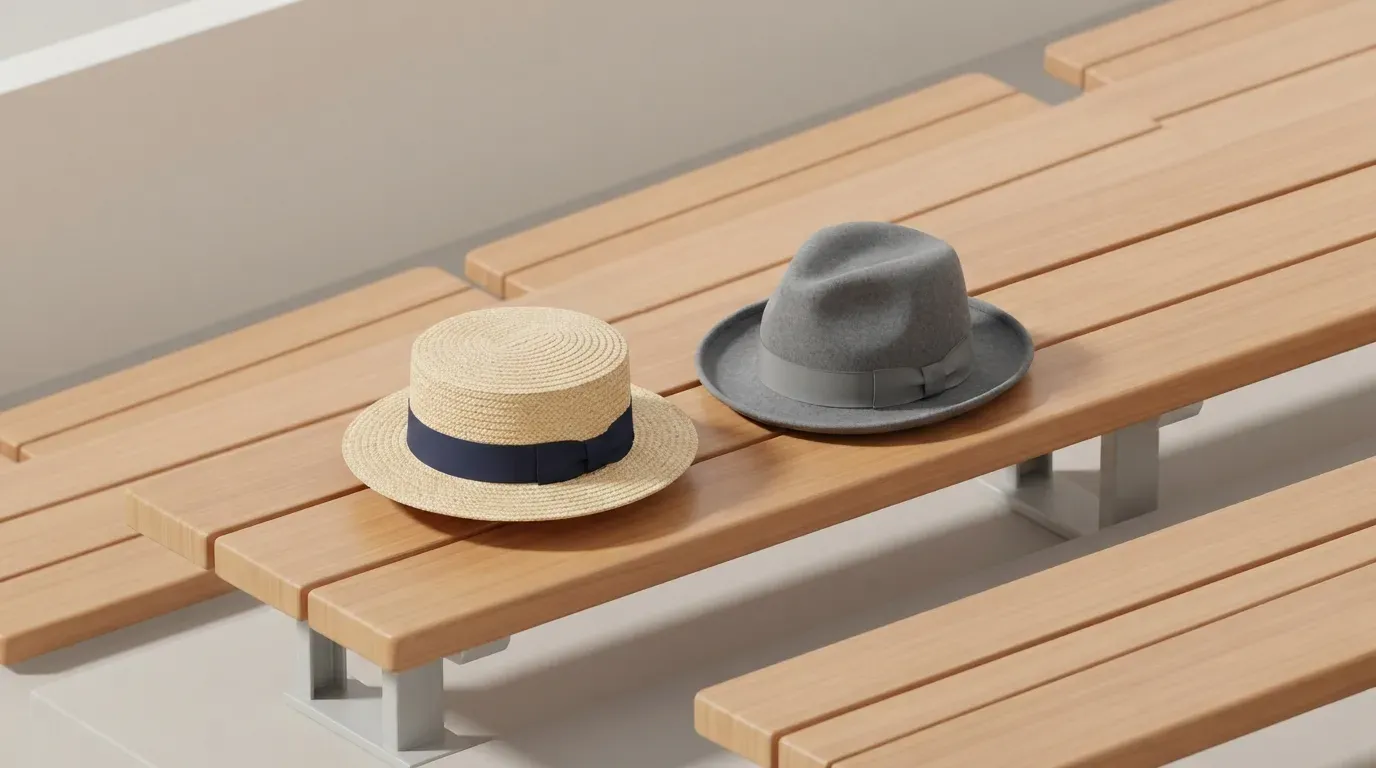 Lesson 17 · you're hereWhy did everyone use to wear a hat?Used to for past habits and states
 Lesson 18Jeans used to be work clothesUsed to in negatives and questions
 Lesson 19Quilts made from old clothesMade of, made from and made by
 Lesson 20Cowboy boots, still made by handStill, not anymore and no longer
Unit 6 School in America
have to, must and mustn't, be allowed to, had to
Unit 7 Amazing animals
relative clauses with which, that, who and where, look and sound + adjective, adjectives with prepositions
 Lesson 25The bird that copies car alarmsRelative clauses with which and that
 Lesson 26Alligators and crocodiles togetherWho, which, that and where in relative clauses
 Lesson 27Sailors thought it was a mermaidLook, sound and feel as linking verbs
 Lesson 28Beagles at the airportAdjectives with prepositions
Unit 8 Traditions we love
invitations, will vs going to, so and such, one and ones