Giant balloons over Manhattan: one and ones to avoid repeating a noun
About this lesson
A2 learners use one and ones in place of a noun in this ESL lesson plan about a Thanksgiving balloon parade.
- Grammar
- One for one thing and ones for two or more, in place of a noun: a big one, the yellow ones, Which one is yours?, the one with the green hat.
- Topic
- New York City's Thanksgiving parade from 1924 to today's helium balloons, with about 90 handlers for a big one, and words such as inflate, rope, helium and knot.
- Activities
- The show's post on the parade's story, a talk with a balloon handler and a viewer's question, self-checking drills, a favorites chat with Maya and open boxes.
What's inside
Chapter 1Balloons, balloons, balloons!
Chapter 2Let's read: the parade's story
Chapter 3Let's listen: the night before
Chapter 4Grammar: the big one, the yellow ones
Chapter 5Let's talk: which one is yours?
Chapter 6Homework
- Match the words and the meaningsMatchUnlock
- Unscramble the wordsAnagramUnlock
- Fill in the gaps with the lesson's wordsFill in the gapsUnlock
- Choose the correct wordChoose the optionUnlock
- Fill in the gaps: don't say the noun againFill in the gapsUnlock
- Put the words in the correct orderUnjumbleUnlock
- Choose the right answerQuizUnlock
- Drag the words into the gaps: Maya's notebookDrag and dropUnlock
- Choose the correct option: our goodbye postChoose the optionUnlock
Vocabulary
10 words and phrases from the lesson, each with a picture and audio in edio.
+7 more with pictures and audio in the lessonMore words
- handler
- rope
- helium
- giant
- knot
- reward
- hippo
Grammar: one and ones in place of a noun
English usually avoids saying the same noun twice in a row: the pronoun one stands in for it, and ones does the same for plurals. Choosing favorites at a balloon parade, learners replace the second noun with one or ones, put a, the or an adjective before it, ask Which one?, and keep nouns like music as they are.
I like the big one. The yellow ones are my favorites.
Use one (one thing) or ones (two or more), so you don't say the same noun again.
Don't say the noun twice
When the noun is clear from what came before, one or ones takes its place: I don't like the red balloon. I like the blue one. The short ropes are new. The long ones are old. Saying the noun again sounds heavy.
The noun again 😕
- I don't like the red balloon. I like the blue balloon.
- The short ropes are new. The long ropes are old.
one / ones 😊
- I don't like the red balloon. I like the blue one.
- The short ropes are new. The long ones are old.
One thing or more: one or ones
One stands for a singular noun, ones for a plural: the yellow one, the yellow ones, my favorite ones. After a or an, only one fits: a big one, but just big ones. The verb follows the number, too: Which one is yours? Which ones are yours?
| Before it | one: one thing | ones: two or more |
|---|---|---|
| a / an + adjective | a big one | no a / an: big ones |
| the + adjective | the yellow one | the yellow ones |
| my favorite, the first | my favorite one, the first one | my favorite ones, the first ones |
| Which…? | Which one is yours? | Which ones are yours? |
| the … with … | the one with the red rope | the ones with the green hats |
No noun after one, and the one with…
One and ones replace the noun, so the noun never comes after them: the big one, not the big one balloon. They also follow this, that, the first and my favorite, and they work before with: the one with the red rope.
one and ones take the noun's place
one = one thing, ones = two or more. Don't say the noun after them: the big one (not: the big one balloon). After a / an, use only one: a big one (not: a big ones). Which one + is, Which ones + are.
At the parade
- I don't want a small balloon. I want a big one.
- They're inflating the turkey balloon. Next, they're going to inflate the dog one.
- Tie the short ropes first. Then tie the long ones.
- Which one is your favorite? – The orange one!
- Do you want this one or that one?
- Isaac is the one with the green hat.
Not for music, water or helium
Nouns with no plural, such as music, water and helium, take no one or ones, so the noun comes back: I don't like loud music. I like quiet music. Quiet one would be wrong here, and so would warm one for water.
Not for water, music, helium
Nouns like water, music and helium have no plural. Don't use one or ones for them. Say the noun again: I don't like loud music. I like quiet music (not: quiet one).
Four common slips
The scheme's mistakes come from mixing the rules: the big one balloon keeps the noun, The yellow one are uses one for a plural, a small ones puts a before a plural, and Which ones is yours? pairs ones with is.
I want the big one balloon.
I want the big one.
one = balloon: don't say both
The yellow one are my favorites.
The yellow ones are my favorites.
two or more: ones
I'd like a small ones.
I'd like a small one.
a / an + one, never ones
Which ones is yours?
Which one is yours? / Which ones are yours?
one + is, ones + are
More lessons on this grammar: Pronouns lessons and exercises
Try the one and ones exercises
Try them yourself: these are the same exercises your students do in edio.
What's in the lesson
- 17 auto-checked exercises
- 4 games
- 1 real-life document
- 1 grammar scheme
- 1 set of word cards
- 2 audio clips
- 2 pictures
- 2 transcripts
The main objectives of this lesson are to:
- use one and ones instead of repeating a noun: I don't like the red balloon. I like the blue one.
- put a, the or an adjective before them: a big one, the yellow ones, my favorite one
- ask and answer about choices: Which one is yours? Which ones are yours? The one with the green hat.
- keep the noun with words like music and water: I like quiet music, not quiet one
Lesson 32 closes Traditions we love and, with it, English A2.2 · Curious Minds. It builds on countable and uncountable nouns from A2.1 lesson 9, since only countable nouns can become one or ones, and on this and that from A1.1 lesson 14, which now come before one: this one, that one. At a parade of big and small balloons, Which one is your favorite? is the obvious question.
The lesson opens with a wheel of questions about parades, balloons and favorite holidays and ten word cards with pictures and audio, from inflate, tie and let go to reward and hippo. Students read the show's post on the parade's story, from store workers and zoo animals in 1924 to the first balloon in 1927, then hear Nora meet Isaac, a balloon handler, the night before (an AI-voiced dialogue), and a viewer asking Which balloon is your favorite one? The drills after the scheme, four in all, check answers as students go; one is a table that turns each noun into one or ones. In the speaking chapter, Maya messages from the parade to ask about the student's favorites, and open boxes ask about big ones and small ones.
Every homework task checks itself: matching, unscrambling and a gap-fill with the lesson's words, a choice of one, ones or it, gap-fills that avoid the noun, word order, a quiz, Maya's notebook with words to drag in and the friends' goodbye post.
- Grammar:
- one / ones · the big one, the yellow ones · Which one? Which ones? · the one with… · this one / that one
- Topic:
- Thanksgiving · Thanksgiving parade · New York City · giant balloons · Philadelphia · Curious Minds
Teaching tips
- Collect three bags or jackets at the front and ask Which one is yours? Owners answer with The black one or The one with the zipper, never naming the noun.
- Draw balloons in different sizes and colors on the board, and let students vote for favorites with I like the big one or The yellow ones are my favorites.
- Play the handler dialogue for the numbers: how many handlers a big balloon needs, how many a small one needs, and the years when finders got a reward.
- Hold up a card that says one whenever a student repeats a noun (the red balloon… the blue balloon), and wait until the sentence comes back with one or ones.
Liked it?
Teach the whole lesson in edio
30 exercises in 6 chapters, ready to teach. edio is an online platform for language schools and teachers: ready-made interactive lessons, live classes, homework and student progress in one place.
Start a free trial
7 days, no credit card.
Open the lesson
Find it in the library of 621 ready lessons. Teach it as it is, or copy any chapter into your own lessons.
Teach it live or as homework
Students work in their own accounts, in sync with you during the lesson, and the practice exercises check themselves.
The whole course: English A2.2 · Curious Minds
32 lessons that pick up where English A2.1 ends, in simple American English, from the present perfect to used to, have to and relative clauses. Eight units cover nature, tech at home, heroes, healthy habits, fashion, school, animals and traditions. Pictures and definitions replace translations, and the practice exercises check themselves.See the course
Unit 1 Wonders of nature
the present perfect with ever and never, been to, superlatives with I've ever, articles with place names
Unit 2 Clever tech at home
the present perfect with just, already and yet, phrasal verbs, subject and object questions
Unit 3 Everyday heroes
the past continuous, when and while, adjective order, story linkers
Unit 4 Healthy and happy habits
will for predictions, the zero and first conditionals, so do I and neither do I
 Lesson 13Why does school start later in California?Will and won't for predictions, decisions and offers
 Lesson 14Brain freeze!The zero conditional for facts
 Lesson 15Doctor's orders: go to the park!The first conditional with if and will
 Lesson 16Walking in the mall at 7 a.m.Agreeing with So do I and Neither do I
Unit 5 Style through time
used to, didn't use to, made of and made from, still and not anymore
Unit 6 School in America
have to, must and mustn't, be allowed to, had to
Unit 7 Amazing animals
relative clauses with which, that, who and where, look and sound + adjective, adjectives with prepositions
 Lesson 25The bird that copies car alarmsRelative clauses with which and that
 Lesson 26Alligators and crocodiles togetherWho, which, that and where in relative clauses
 Lesson 27Sailors thought it was a mermaidLook, sound and feel as linking verbs
 Lesson 28Beagles at the airportAdjectives with prepositions
Unit 8 Traditions we love
invitations, will vs going to, so and such, one and ones
 Lesson 29Come to our cookout!Making, accepting and refusing invitations
 Lesson 30Is spring going to come early?Will vs going to for the future
 Lesson 31From turnips to pumpkinsSo and such for emphasis
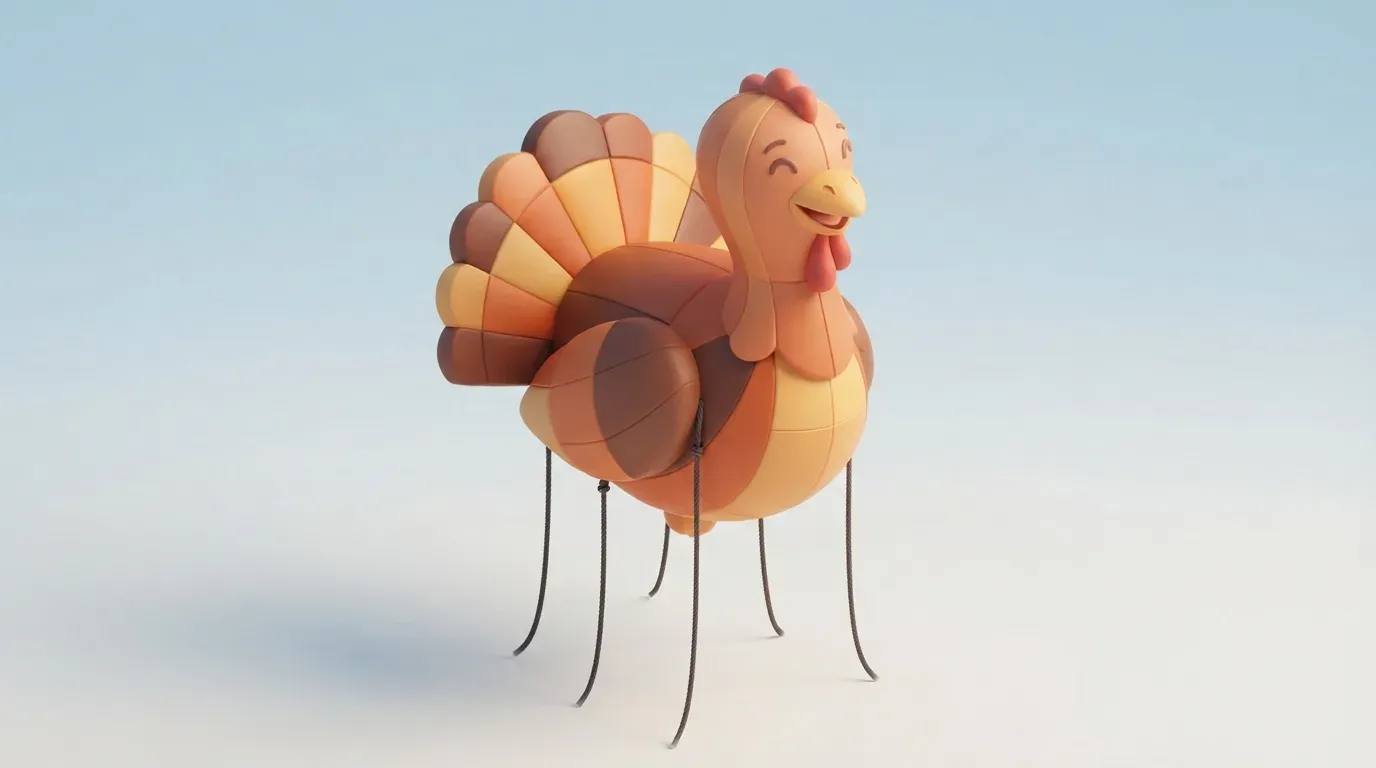 Lesson 32 · you're hereGiant balloons over ManhattanOne and ones in place of a noun