Beagles at the airport: adjectives with prepositions like good at
About this lesson
A2 learners practice adjectives with prepositions like good at and afraid of in this ESL lesson plan about airport beagles.
- Grammar
- Adjectives with dependent prepositions (good at, interested in, afraid of, proud of, excited about, famous for), then a noun or a verb + -ing: She's good at finding food.
- Topic
- The Beagle Brigade, dogs that have sniffed bags for fruit, plants and meat at US airports since 1984, with words such as sniff, paw, treat and baggage claim.
- Activities
- Maya's post on airport beagles, a dialogue with a dog handler and a viewer's challenge, drills that check themselves, a chat about what students are good at, and open boxes.
What's inside
Chapter 1Super noses at the airport!
Chapter 2Let's read: the Beagle Brigade
Chapter 3Let's listen: a nose at work!
Chapter 4Grammar: good at sniffing!
Chapter 5Let's talk: what are you good at?
Chapter 6Homework
- Match the words and the meaningsMatchUnlock
- Unscramble the wordsAnagramUnlock
- Fill in the gaps with the words from the lessonFill in the gapsUnlock
- Choose the correct optionChoose the optionUnlock
- Fill in the gaps: adjective + preposition + -ingFill in the gapsUnlock
- Put the words in the correct orderUnjumbleUnlock
- Drag the words into the gaps: Nora's postDrag and dropUnlock
- Choose the correct option: Biscuit's job profileChoose the optionUnlock
Vocabulary
10 words and phrases from the lesson, each with a picture and audio in edio.
+7 more with pictures and audio in the lessonMore words
- paw
- treat
- kennel
- breed
- baggage claim
- dog show
- pest
Grammar: adjectives with prepositions
Many English adjectives come with a fixed preposition, often called a dependent preposition: good at, interested in, afraid of. With airport beagles that are good at finding food, learners pair each adjective with at, in, of, about or for, add a noun or a verb + -ing, and ask What are you good at?
She's good at finding food. I'm afraid of flying.
Some adjectives need a preposition. After it, use a noun or a verb + -ing.
Good at, interested in, afraid of
Each adjective has its own preposition: good at and bad at, interested in, afraid of, tired of and proud of, excited about, famous for. Learn the adjective and the preposition together: it's famous for, never famous of. Americans also say excited for before an event.
Which preposition?
| Adjective | Preposition | Example |
|---|---|---|
| good, bad | at | Beagles are good at sniffing. Maya is bad at cooking. |
| interested | in | Maya is interested in animals. |
| afraid | of | Biscuit is afraid of thunder. |
| tired | of | We're tired of the rain. |
| proud | of | Nate is proud of his beagle. |
| excited | about | Biscuit is excited about his treat. |
| famous | for | Snoopy is famous for his doghouse. |
Learn them in pairs
Learn each adjective with its preposition: good at, interested in, afraid of, famous for (not: famous of). In America, people also say excited for + an event (I'm excited for the trip!). In this lesson, we use excited about.
Be comes first
The adjective needs a form of be before it: I'm good at swimming. She's interested in animals. Leaving out be is a common slip: She good at it should be She's good at it. In negatives, not follows be: I'm not afraid of dogs.
| Who | be + adjective + preposition | not |
|---|---|---|
| I | I'm good at swimming. | I'm not afraid of dogs. |
| you | You're interested in maps. | You aren't tired of walking. |
| he | He's good at cooking. | He isn't afraid of flying. |
| she | She's interested in animals. | She isn't tired of questions. |
| it | It's good at finding food. | It isn't afraid of people. |
| we | We're excited about the trip. | We aren't tired of tacos. |
| they | They're famous for their noses. | They aren't afraid of busy airports. |
A noun or a verb + -ing
After the preposition comes a noun or a verb + -ing: afraid of planes, afraid of flying. A verb after a preposition always takes -ing: good at finding, not good at find or good at to find. Spelling follows the usual rules: wagging, getting, hiding.
+ a noun or + verb-ing
| Adjective + preposition | + a noun | + verb-ing |
|---|---|---|
| good at | good at games | good at finding food |
| afraid of | afraid of planes | afraid of flying |
| interested in | interested in dogs | interested in becoming a handler |
| excited about | excited about the trip | excited about getting a treat |
After a preposition: -ing
After at, in, of, about and for, a verb takes -ing: good at finding (not: good at find, good at to find). Spelling: wag → wagging, get → getting, hide → hiding. And don't forget be: She's good at it (not: She good at it).
What are you good at?
Questions start with be, and short answers repeat it: Are you good at cooking? – Yes, I am. Is she interested in dogs? – No, she isn't. In a question with what, the preposition stays at the end: What are you good at? What are you afraid of?
| Question | Answer |
|---|---|
| Are you good at cooking? | Yes, I am. / No, I'm not. |
| Is she interested in dogs? | Yes, she is. / No, she isn't. |
| Are they afraid of flying? | Yes, they are. / No, they aren't. |
| What are you good at? | I'm good at drawing. |
At the airport
- The beagle is good at sniffing bags.
- Maya is interested in becoming a handler.
- Travelers aren't afraid of small dogs.
- Nate is proud of his partner.
- Biscuit is famous for stealing snacks!
- Are you good at finding things? – Yes, I am!
Common mistakes
She's good in finding food.
She's good at finding food.
good at, not good in
Maya is interested on dogs.
Maya is interested in dogs.
interested in
I'm afraid from flying.
I'm afraid of flying.
afraid of
He's good at find snacks.
He's good at finding snacks.
after a preposition: -ing
More lessons on this grammar: Prepositions lessons and exercises
Try the adjectives with prepositions exercises
Try them yourself: these are the same exercises your students do in edio.
What's in the lesson
- 16 auto-checked exercises
- 4 games
- 1 real-life document
- 1 grammar scheme
- 1 set of word cards
- 2 audio clips
- 2 pictures
- 2 transcripts
The main objectives of this lesson are to:
- use the right preposition after each adjective: good at, interested in, afraid of, excited about, famous for
- put a verb in the -ing form after the preposition: She's good at finding food. I'm afraid of flying.
- ask and answer about skills and interests: What are you good at? Are you interested in dogs? – Yes, I am.
- keep be in every sentence, negatives too: I'm not afraid of dogs. She isn't tired of questions.
Lesson 28 ends unit 7, Amazing animals, of English A2.2 · Curious Minds, and builds on two earlier points: A2.1 lesson 21, where love, enjoy and hate took a verb + -ing, and A1.2 lesson 27, with verbs and their prepositions such as wait for. Now the preposition follows an adjective, and the -ing form follows the preposition. A dog whose job is finding food shows what good at means.
After a wheel of questions about dogs, trips and smells, students learn ten words with pictures and audio, among them sniff, paw, kennel and baggage claim. Maya's post explains why beagles work at American airports and where they train, in Newnan, Georgia, and true-or-false and multiple-choice questions check it. The first listening follows Maya and Nate, a dog handler at the Atlanta airport, as his beagle sniffs out an orange; in the second, Sadie, a viewer, sets a snack-hunting challenge (both AI-voiced). Grammar starts with the scheme; of the four drills after it, all with instant feedback, one is a gap-fill of -ing forms after a preposition. The chat in the speaking chapter asks what students are good at, afraid of and proud of, and open boxes ask for more.
The eight homework tasks all check themselves: word work with a match, an anagram and gaps, a choice of prepositions and -ing forms, a gap-fill that builds adjective + preposition + -ing, word order, a drag-and-drop post and, to finish, a beagle's joke job profile.
- Grammar:
- adjective + preposition · good at / bad at · interested in · afraid of / tired of / proud of · excited about / famous for · preposition + -ing
- Topic:
- beagles · Beagle Brigade · airports · dog handlers · Atlanta, Georgia · Snoopy · Curious Minds
Teaching tips
- Start with a class survey: each student asks three classmates What are you good at? and What are you afraid of?, then reports one answer aloud with the right preposition.
- Let students guess the beagle's job first: what could a small dog find in a suitcase at an airport? Maya's post then gives the answer and the reasons airports choose beagles.
- Collect the pairs from the dialogue: while it plays, students note each adjective with its preposition, from good at finding to excited about getting and interested in becoming.
- Turn the last open box into a job profile: students describe a pet they know with It's good at… and It's afraid of…, and the class decides if it could join the airport team.
Liked it?
Teach the whole lesson in edio
29 exercises in 6 chapters, ready to teach. edio is an online platform for language schools and teachers: ready-made interactive lessons, live classes, homework and student progress in one place.
Start a free trial
7 days, no credit card.
Open the lesson
Find it in the library of 621 ready lessons. Teach it as it is, or copy any chapter into your own lessons.
Teach it live or as homework
Students work in their own accounts, in sync with you during the lesson, and the practice exercises check themselves.
The whole course: English A2.2 · Curious Minds
32 lessons that pick up where English A2.1 ends, in simple American English, from the present perfect to used to, have to and relative clauses. Eight units cover nature, tech at home, heroes, healthy habits, fashion, school, animals and traditions. Pictures and definitions replace translations, and the practice exercises check themselves.See the course
Unit 1 Wonders of nature
the present perfect with ever and never, been to, superlatives with I've ever, articles with place names
Unit 2 Clever tech at home
the present perfect with just, already and yet, phrasal verbs, subject and object questions
Unit 3 Everyday heroes
the past continuous, when and while, adjective order, story linkers
Unit 4 Healthy and happy habits
will for predictions, the zero and first conditionals, so do I and neither do I
 Lesson 13Why does school start later in California?Will and won't for predictions, decisions and offers
 Lesson 14Brain freeze!The zero conditional for facts
 Lesson 15Doctor's orders: go to the park!The first conditional with if and will
 Lesson 16Walking in the mall at 7 a.m.Agreeing with So do I and Neither do I
Unit 5 Style through time
used to, didn't use to, made of and made from, still and not anymore
Unit 6 School in America
have to, must and mustn't, be allowed to, had to
Unit 7 Amazing animals
relative clauses with which, that, who and where, look and sound + adjective, adjectives with prepositions
 Lesson 25The bird that copies car alarmsRelative clauses with which and that
 Lesson 26Alligators and crocodiles togetherWho, which, that and where in relative clauses
 Lesson 27Sailors thought it was a mermaidLook, sound and feel as linking verbs
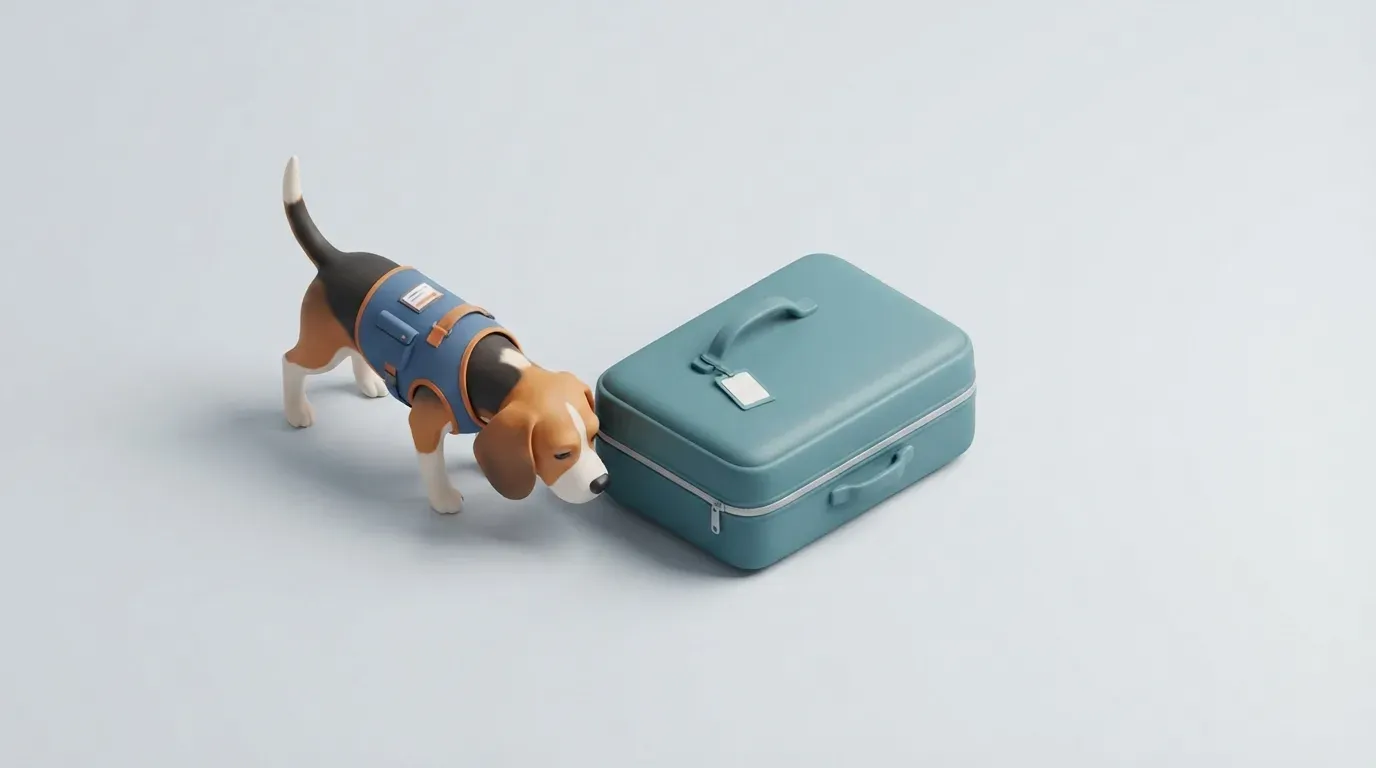 Lesson 28 · you're hereBeagles at the airportAdjectives with prepositions
Unit 8 Traditions we love
invitations, will vs going to, so and such, one and ones