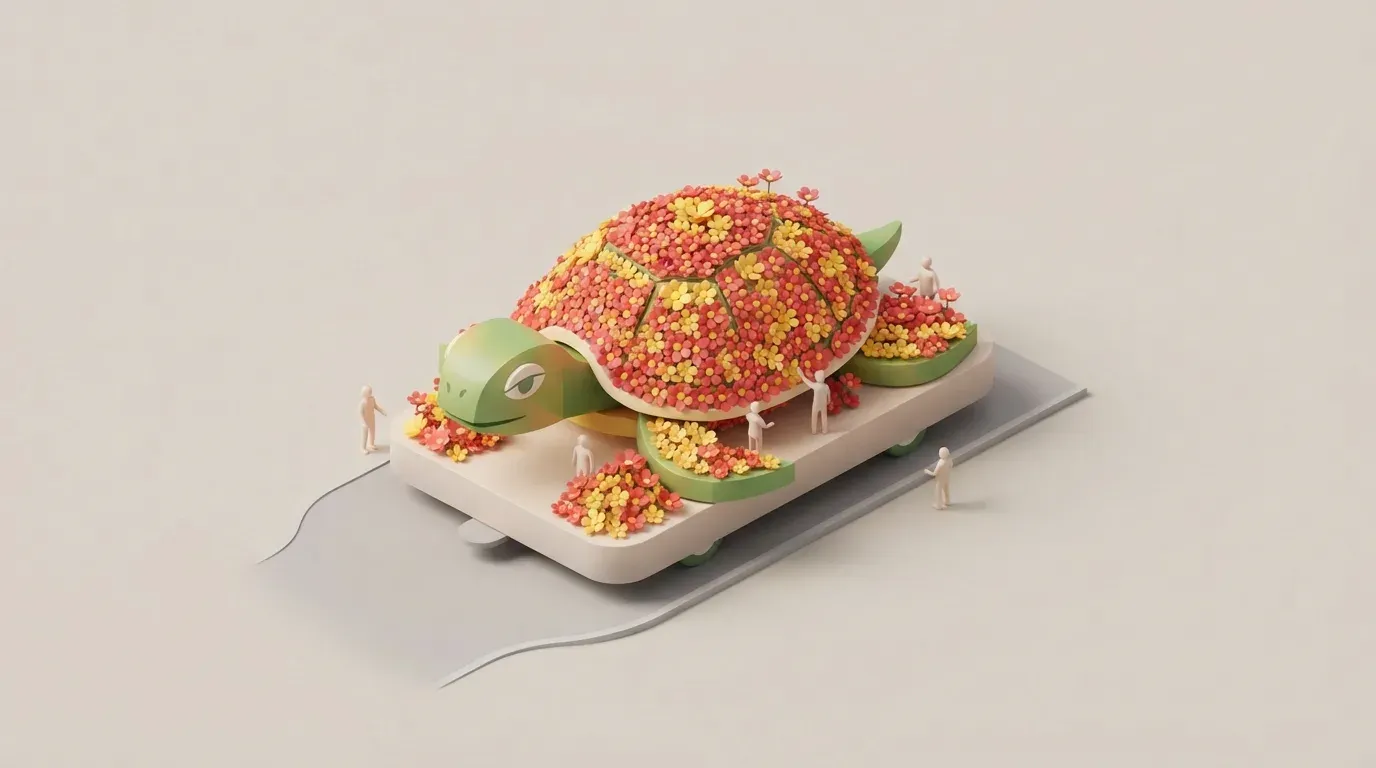
Where do the baby turtles go? A, an and the: first and second mention
About this lesson
This A1 ESL lesson plan teaches the articles a, an and the through one sea turtle's night on a Florida beach.
- Grammar
- Indefinite a and an for one thing the first time, definite the for the second time and the only one (the moon), and no article for all of a kind: Turtles lay eggs.
- Topic
- Sea turtles nesting on Florida beaches, and why lights should go off at night for the hatchlings, with words such as nest, shell and flipper.
- Activities
- A beach sign, a turtle walk dialogue and a guide's talk, self-checking drills, a chat about a favorite animal and an animal story to write.
What's inside
Chapter 1Hello, sea turtles!
Chapter 2Let's read: lights out!
Chapter 3Let's listen: a turtle walk
Chapter 4Grammar: a turtle, the turtle
Chapter 5Let's talk: my favorite animal
Chapter 6Homework
Vocabulary
9 words and phrases from the lesson, each with a picture and audio in edio.
+6 more with pictures and audio in the lessonMore words
- nest
- sand
- hatchling
- shell
- moon
- flipper
Grammar: a, an and the for first and second mention
English has two kinds of article, indefinite a and an and definite the, and a story shows the difference: when a turtle first appears, it's a turtle; once everyone knows which one, it's the turtle. Following one sea turtle up a Florida beach, learners switch from a to the as the story goes on, choose a or an by sound, and use the for the moon and the ocean.
A turtle, an egg, the ocean
a or an: one thing, the first time. the: the second time, or the only one.
A or an? The next sound decides
A and an go with one thing only, so never a eggs. Use an before a vowel sound and a before other sounds: an egg, an island, a nest, a turtle. An adjective in between can change the choice: a big egg, an old turtle.
a or an? Listen to the next word
a + b, d, h, n, t… sounds
- a turtle
- a nest
- a hatchling
- a big egg
an + a, e, i, o, u sounds
- an egg
- an animal
- an island
- an old turtle
a and an: only ONE thing
a and an go with one thing: a turtle, an egg. Two or more? No a or an: turtles, eggs (not: a eggs). Look at the next word: an egg, but a big egg; a turtle, but an old turtle. Not: a ocean, an turtle.
First mention a, second mention the
The second time, the same thing takes the: Look! There's a turtle on the beach. The turtle is digging a nest. The also goes with the only one, as in the moon, the sun and the sky, and with a place we both know: Let's go to the beach!
| When? | Say | Example |
|---|---|---|
| one thing, the first time | a / an | Look! There's a turtle on the beach. |
| the same thing, the second time | the | The turtle is digging a nest. |
| there is only one | the | the moon, the sun, the sky, the ocean |
| we both know it | the | Let's go to the beach! (our beach) |
| all of them (plural) | no word | Turtles lay eggs. Hatchlings go to the ocean. |
A turtle story, and no article for all turtles
In the story, each noun moves from a to the: The turtle digs a nest in the sand. She lays about 100 eggs in the nest. About all of a kind, plurals take no article at all: Sea turtles lay eggs on Florida beaches.
- At night, a turtle comes out of the ocean.a turtle: the first time · the ocean: only one
- The turtle digs a nest in the sand.the turtle: the second time · a nest: the first time
- She lays about 100 eggs in the nest.the nest: the second time
- After about 60 days, the eggs hatch.the eggs: the second time
- Sea turtles lay eggs on Florida beaches.all sea turtles: no word
Common mistakes
A moon is bright tonight.
The moon is bright tonight.
there is only one moon: the
The turtles lay eggs. (all turtles)
Turtles lay eggs.
all of them: no the
I can see an turtle.
I can see a turtle.
t sound: a
The turtle lays a eggs.
The turtle lays eggs.
two or more: no a
More lessons on this grammar: Articles lessons and exercises
Try the articles exercises
Try them yourself: these are the same exercises your students do in edio.
What's in the lesson
- 12 auto-checked exercises
- 2 games
- 2 teacher-checked tasks
- 1 real-life document
- 1 grammar scheme
- 1 set of word cards
- 2 audio clips
- 2 pictures
- 2 transcripts
The main objectives of this lesson are to:
- choose a or an by the next sound: an egg, a big egg, a turtle, an old turtle
- switch from a to the the second time: A turtle comes out of the ocean. The turtle digs a nest.
- use the for the only one: the moon, the sun, the sky, the ocean
- talk about all of a kind with no article, as in Turtles lay eggs, and tell a short animal story
Lesson 24 closes Animals and nature, the sixth unit of English A1.2 · Out and About. It builds on lesson 10 of English A1.1 · Hello, World, where students chose a or an by the first sound, and on the There's a… sentences of lesson 21, then adds the for what is already known. A turtle's night on the beach follows one animal from start to finish, so a turtle becomes the turtle from the second sentence on.
Students spin a wheel of warm-up questions and learn nine words, from dig and hatch to shell and flipper, with pictures and audio. They read a beach sign, Lights Out for Sea Turtles!, then listen to Mia tell Tunde about a night turtle walk in Florida (an AI-voiced dialogue) and to a beach guide starting a walk. The grammar chapter has the scheme and four exercises, checked as students answer: choosing a, an or the, a drag-and-drop that tells a turtle's story, a gap-fill on first time, second time or only one, and picking the right sentence. In the speaking chapter, students tell Mia about their favorite animal in a chat, then open boxes, one of which starts a turtle story for them to finish.
Homework starts with two self-checking tasks, sorting words into a and an and matching beach words with their meanings. Students then write a short animal story for a class blog and record a sea turtle's story, which both go to the teacher.
- Grammar:
- a / an · the · a or an · first time and second time · no article with plurals
- Topic:
- sea turtles · Florida · beaches · animals and nature · lights out
Teaching tips
- Tell a two-line story about the classroom: There's a bag on the desk. The bag is red. Ask why the second line says the, then let pairs write their own two-line stories.
- Hunt for articles on the beach sign: after a first read for meaning, students circle every a, an and the and say why each one is there.
- Play an adjective switch: say an egg and add big, and the class answers a big egg; say a turtle and add old, and they answer an old turtle.
- Retell the turtle's night as a chain: one student starts with A turtle comes out of the ocean, and each next student adds a sentence with the until the hatchlings reach the water.
Liked it?
Teach the whole lesson in edio
25 exercises in 6 chapters, ready to teach. edio is an online platform for language schools and teachers: ready-made interactive lessons, live classes, homework and student progress in one place.
Start a free trial
7 days, no credit card.
Open the lesson
Find it in the library of 621 ready lessons. Teach it as it is, or copy any chapter into your own lessons.
Teach it live or as homework
Students work in their own accounts, in sync with you during the lesson, and the practice exercises check themselves.
The whole course: English A1.2 · Out and About
32 lessons that pick up where English A1.1 ends, in simple American English, from the present simple with he and she to was and were. Eight units cover shopping, the weather, getting around, celebrations, health, animals and nature, jobs and weekends. Pictures and definitions replace translations, and the practice exercises check themselves.See the course
Unit 1 Shopping
clothes and colors, he and she in the present simple, sizes and prices, paying in a store
 Lesson 1What does she wear on Aloha Friday?Present simple with he, she and it
 Lesson 2A basket on wheels?Present simple negatives with don't and doesn't
 Lesson 3What size are these boots?What questions and a pair of
 Lesson 4Can I try it on? The Santa Fe Indian MarketRequests and permission with Can I and Can you
Unit 2 Weather and seasons
the weather, seasons and months, the present continuous, how often it rains or snows
Unit 3 Getting around
transport, timetables, where places are, tickets with want and need
Unit 4 Celebrations
dates and holidays, in and on, party invitations, object pronouns
Unit 5 Healthy me
the body, how often, at the pharmacy, steps with first and then
Unit 6 Animals and nature
there is and there are, what animals are doing, parks, a, an and the
 Lesson 21Which frog sings its name?There is and there are for what's in a place
 Lesson 22What's the bear doing now?Present continuous questions and negatives
 Lesson 23Are there any horses on the beach?Questions with is there and are there any
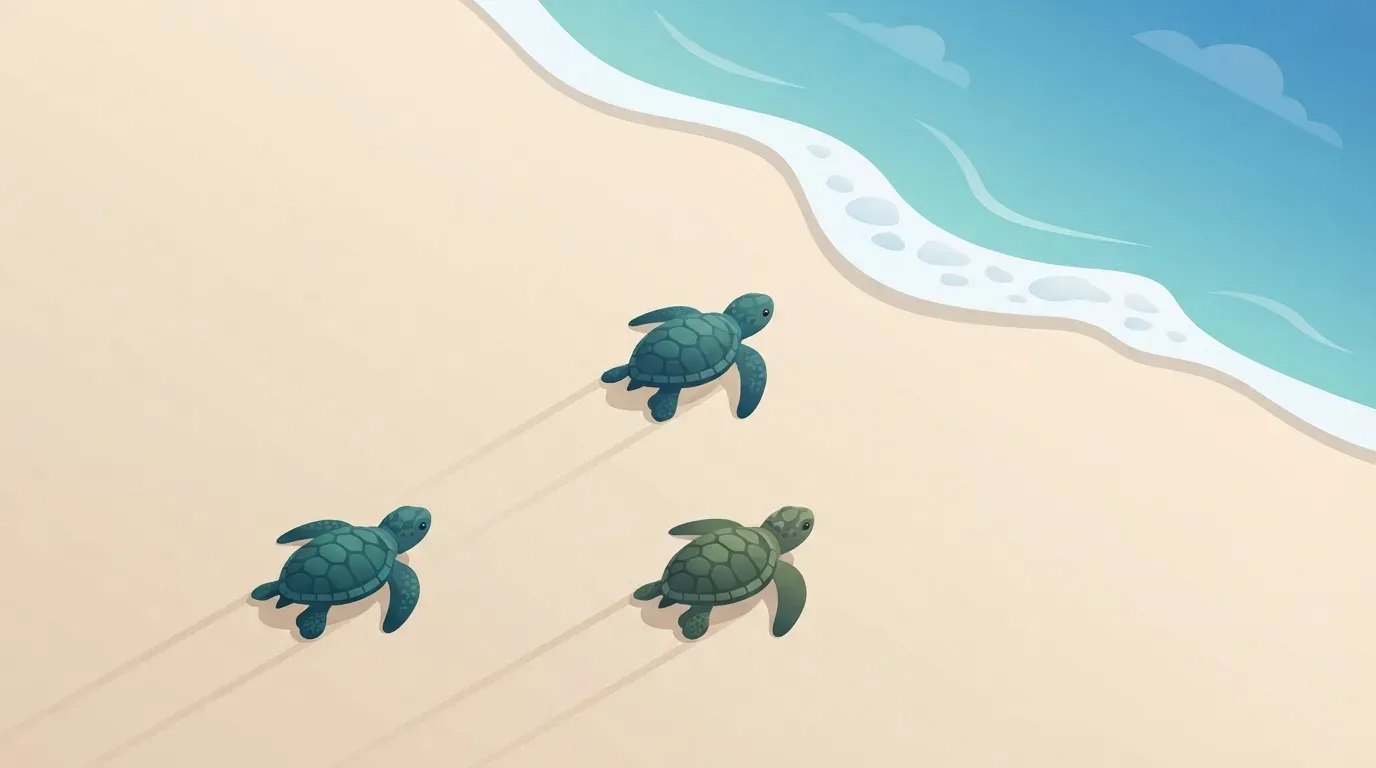 Lesson 24 · you're hereWhere do the baby turtles go?A, an and the for first and second mention
Unit 7 Jobs people do
jobs and workplaces, the present simple and continuous, job interviews, possessive pronouns
Unit 8 Weekend stories and plans
was and were, how long and how tall, and, but and or, camping food