Articles: ESL lesson plans and exercises
Levels A1 to B2 4 lesson plans · 4 drill lessons Exercises that check themselves
Articles are the small words before a noun: a or an for one thing you mention for the first time, the when it's clear which one, and no article when you mean all of them (Turtles lay eggs). Here are 4 ready-made lessons on articles from the edio.ai library, levels A1 to B1, in American English, with the and place names at A2. Play exercises from them, read each rule in the lesson's grammar scheme and choose one for your class. Their practice exercises are interactive and check each answer as students go.
Articles lesson plans and drills
4 lesson plans and 4 drill lessons, A1 to B2. Lesson plans are whole lessons with reading, listening and speaking; drill lessons are 44 to 46 self-checking exercises with no new words.
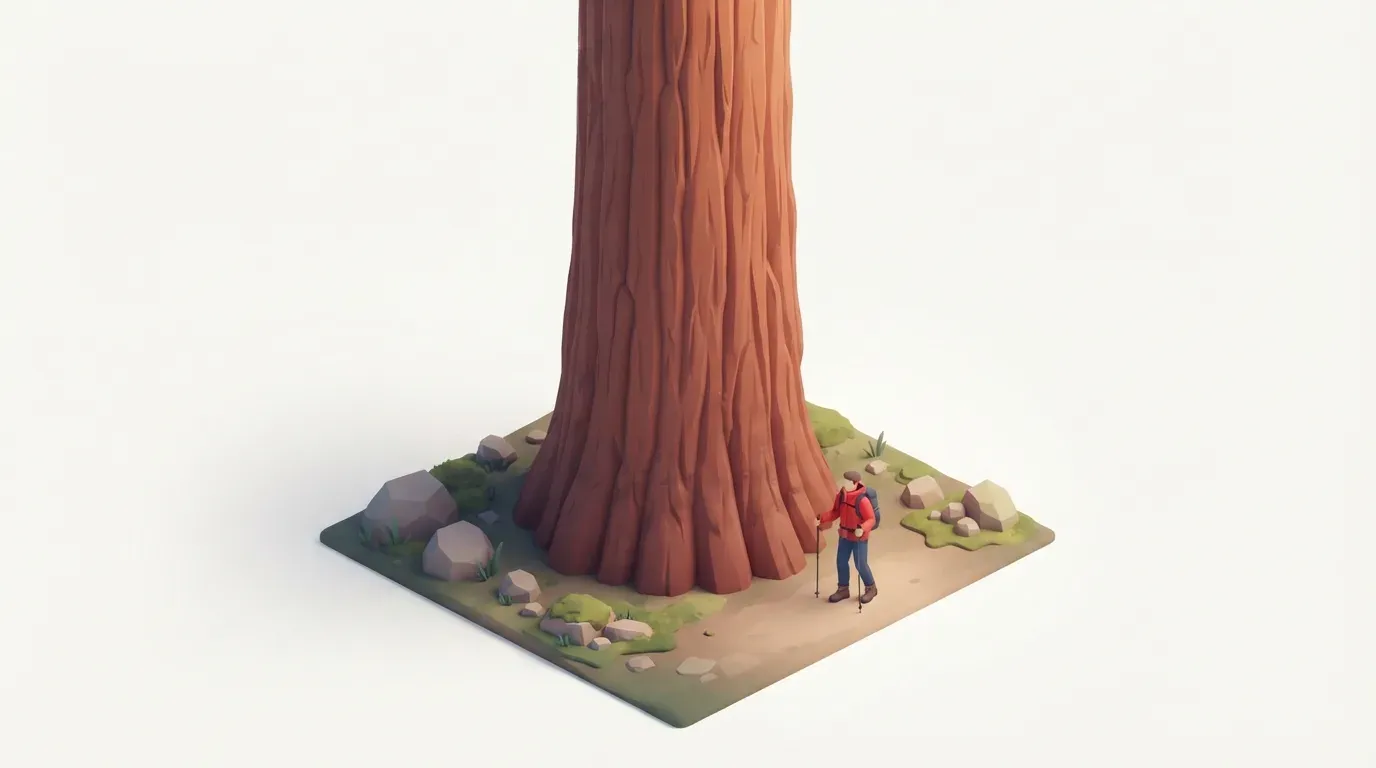 A1Lesson planEnglish A1.1
How old is the General Sherman tree?
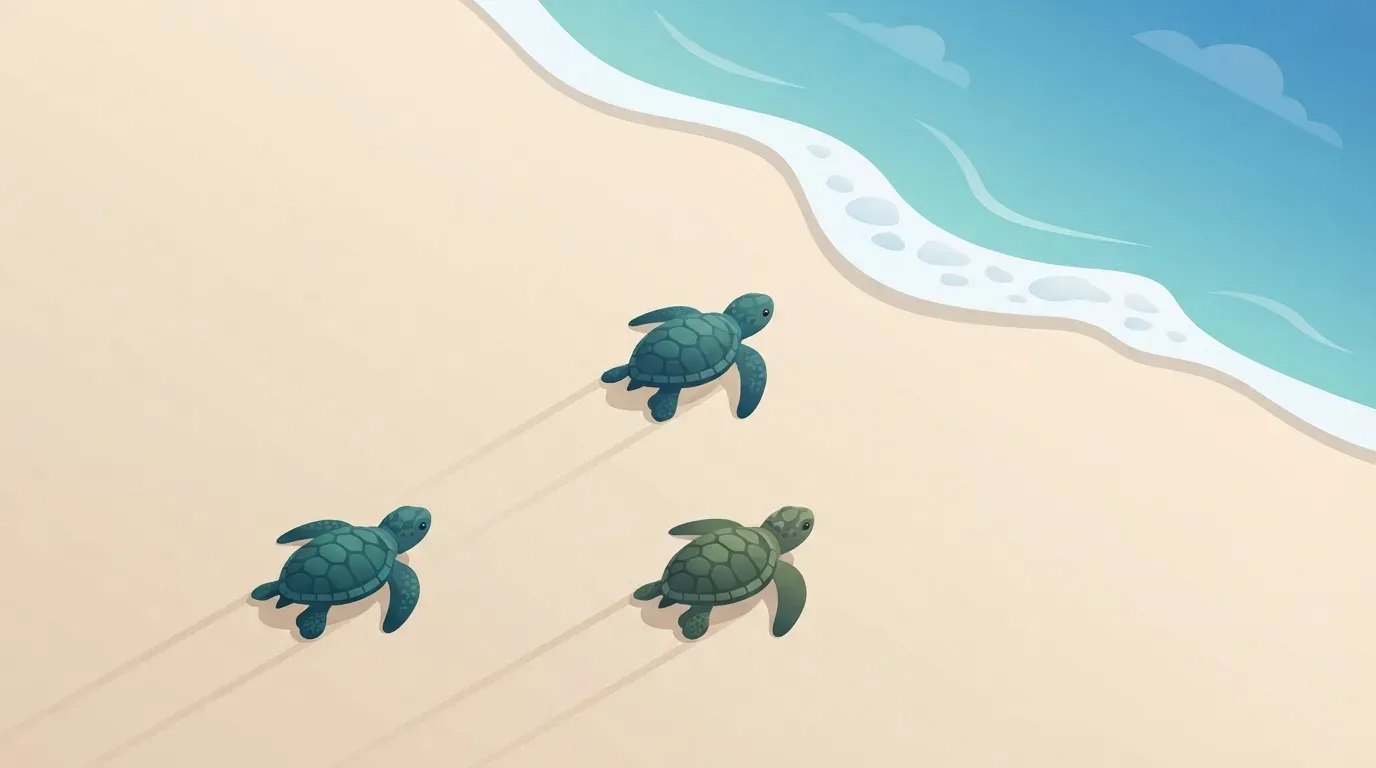 A1Lesson planEnglish A1.2
Where do the baby turtles go?
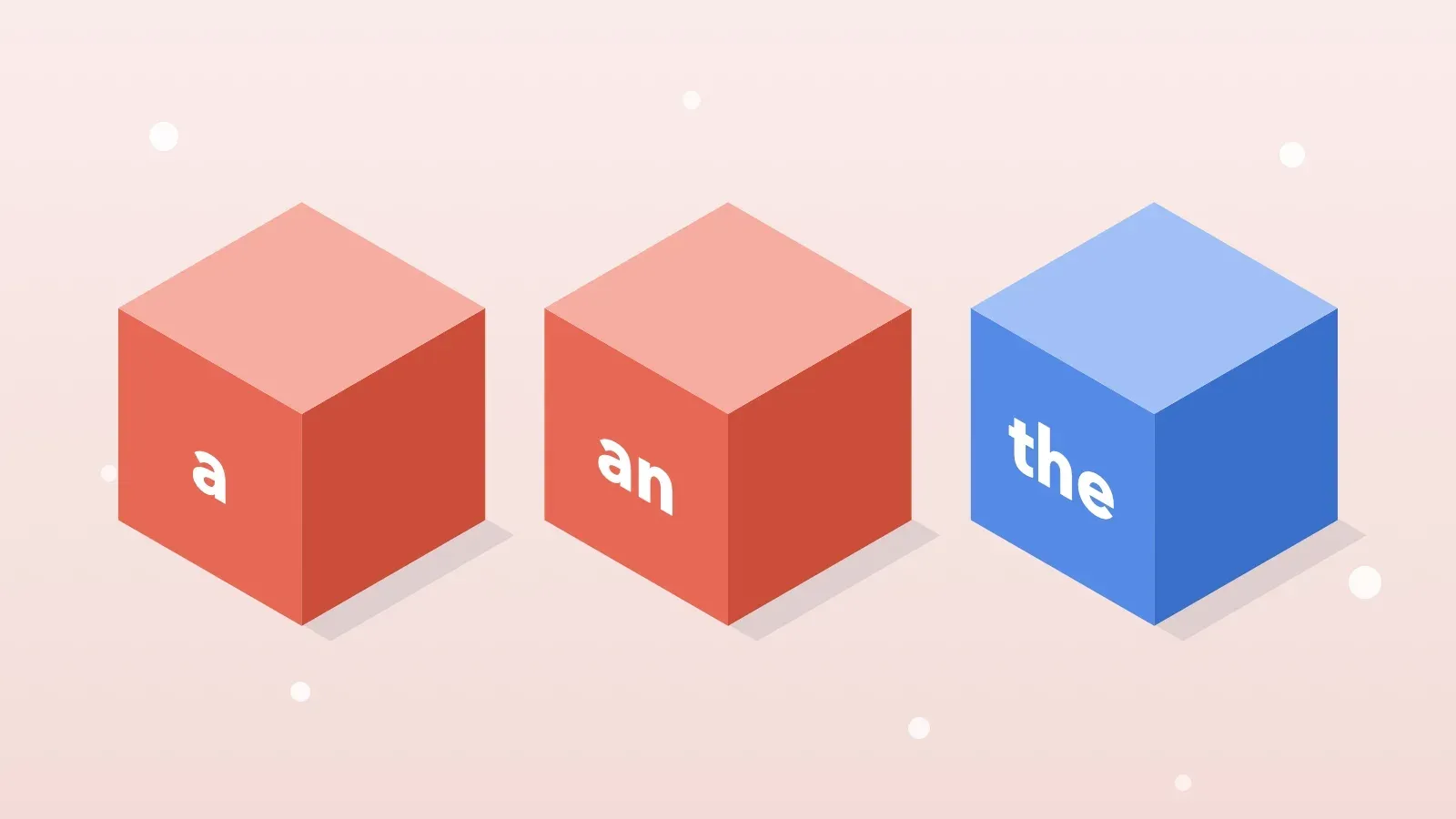 A1DrillsGrammar Practice · A1
A, an, the: a new apartment
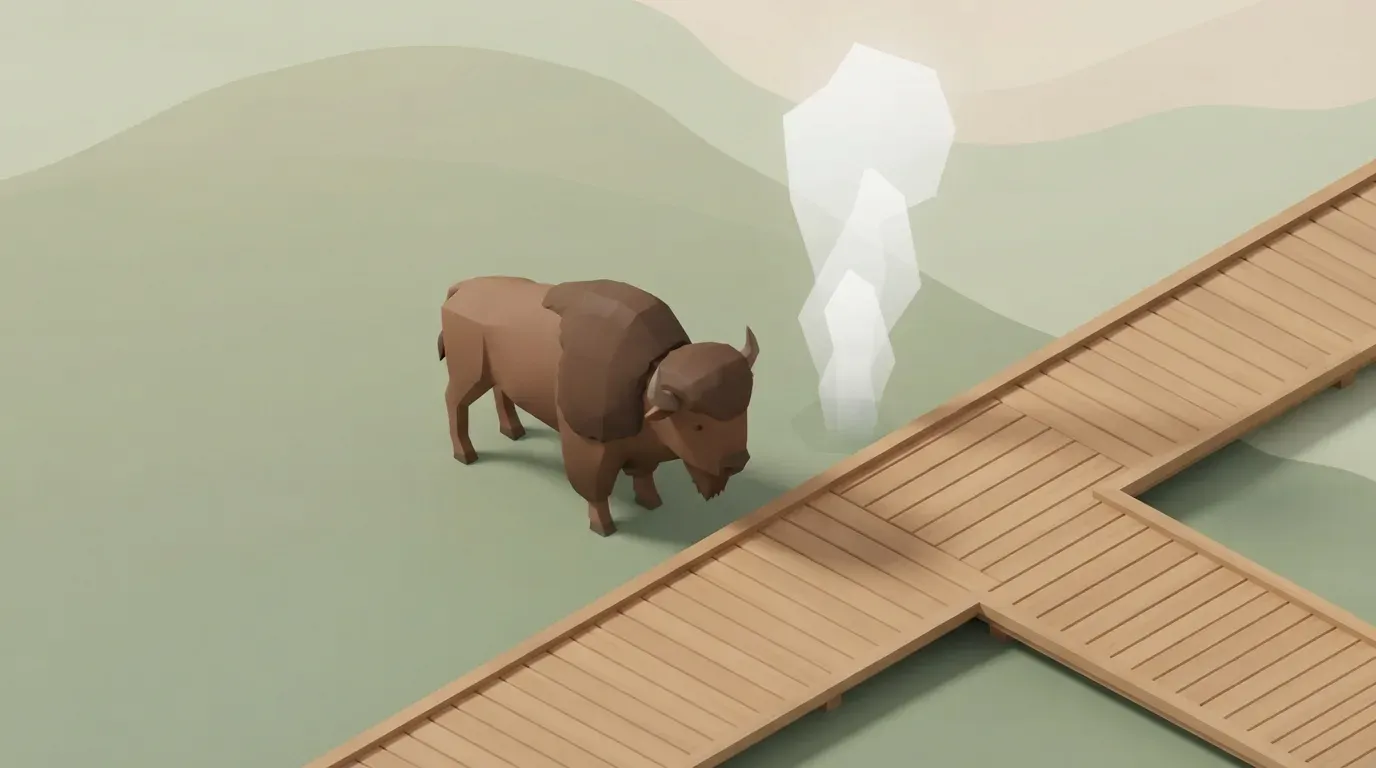 A2Lesson planEnglish A2.2
The first national park
 A2DrillsGrammar Practice · A2
Articles: a, the or no article?
 B1Lesson planEnglish B1.1
Where are the books about girls like me?
 B1DrillsGrammar Practice · B1
Articles with place names: the Nile, but Lake Como
 B2DrillsGrammar Practice · B2
Articles with general ideas: life or the life?
Try the articles exercises
One exercise from each of 6 lessons. These are the same exercises your students do in edio.
Articles explained
Articles tell the listener whether a noun is new or already known. We use a or an for one new thing and the when the listener knows which one, and plural nouns that mean all of them take no article. Place names follow rules of their own.
A or an: the first sound decides
Choose a or an by the first sound of the next word, not its first letter: an umbrella, but a uniform, which starts with a “you” sound. Vowel sounds take an (an old tree), and consonant sounds take a (a park ranger).
a + a consonant sound (b, g, p, t…)
- a tree
- a bear
- a giant sequoia
- a park ranger
- a uniform (a “you” sound)
an + a vowel sound (a, e, i, o, u)
- an old tree
- an animal
- an apple pie
- an architecture student
- an umbrella
From the lesson How old is the General Sherman tree? (English A1.1)
A, an or the? First time, second time
The first time you mention one thing, use a or an; after that, it's the: There's a turtle on the beach. The turtle is digging a nest. The also goes with the only one (the moon) and with places we both know: Let's go to the beach!
| When? | Say | Example |
|---|---|---|
| one thing, the first time | a / an | Look! There's a turtle on the beach. |
| the same thing, the second time | the | The turtle is digging a nest. |
| there is only one | the | the moon, the sun, the sky, the ocean |
| we both know it | the | Let's go to the beach! (our beach) |
| all of them (plural) | no word | Turtles lay eggs. Hatchlings go to the ocean. |
From the lesson Where do the baby turtles go? (English A1.2)
Through a story, and no article for all of them
In a story, the article tracks what's new and what's known: a nest appears first, then it's the nest. A plural noun that means every one of a kind takes no article: Sea turtles lay eggs on Florida beaches.
- At night, a turtle comes out of the ocean.a turtle: the first time · the ocean: only one
- The turtle digs a nest in the sand.the turtle: the second time · a nest: the first time
- She lays about 100 eggs in the nest.the nest: the second time
- After about 60 days, the eggs hatch.the eggs: the second time
- Sea turtles lay eggs on Florida beaches.all sea turtles: no word
From the lesson Where do the baby turtles go? (English A1.2)
Place names: Wyoming, but the Rocky Mountains
With names, the kind of place decides: no article for states, cities, parks, one lake or one mountain (Wyoming, Lake Michigan, Mount Rainier), but the for rivers, oceans, mountain ranges, deserts, canyons, and plural or of names (the Pacific Ocean, the United States).
| No the 🚫 | the ✅ |
|---|---|
| states and cities: Wyoming, Montana, Louisiana, Atlanta | rivers and oceans: the Yellowstone River, the Pacific Ocean |
| one lake: Yellowstone Lake, Lake Michigan | mountain ranges (many mountains): the Rocky Mountains, the Absaroka Range |
| one mountain: Mount Washburn, Mount Rainier, Eagle Peak | deserts and canyons: the Sonoran Desert, the Grand Canyon |
| parks: Yellowstone National Park, Central Park | plurals and “of” names: the United States (of America), the Great Lakes |
From the lesson The first national park (English A2.2)
The name or the ordinary word
A name like Yellowstone National Park takes no article, but the ordinary word for the same place takes the: the park, the state, the lake. Both can meet in one sentence: Most of the park is in Wyoming.
The park, the state
Names like Yellowstone National Park, Wyoming and Old Faithful have no the. But with a normal word for the place, say the: the park, the state, the lake, the geyser. Most of the park is in Wyoming.
From the lesson The first national park (English A2.2)
Questions about articles
When do we use a, an and the?
How do you know whether to use a or an?
How do I teach articles to A1 students?
What are good activities for teaching articles?
Are there interactive articles exercises and quizzes?
When do you use the with place names?
When do you use no article?
Do these articles lessons work one-to-one?
More English grammar
Lessons for every grammar point, from the verb to be to reported speech. All grammar points