What's the bear doing now? Present continuous questions and negatives
About this lesson
An A1 ESL lesson plan for present continuous questions and negatives, from What are you doing? to It isn't swimming.
- Grammar
- Questions with am, is or are first (Is it sleeping?), short answers (Yes, it is. No, it isn't.), What and Where questions, and negatives with not: They aren't fishing.
- Topic
- Live bear cams at Brooks Falls in Alaska's Katmai National Park, where brown bears catch jumping salmon, with action verbs such as catch, jump and fish.
- Activities
- A webcam page, a dialogue and a ranger live on the cam, self-checking drills, a chat, open-box questions and mimes, and a message about what everyone at home is doing.
What's inside
Chapter 1Hello, bears!
Chapter 2Let's read: watch the bears live!
Chapter 3Let's listen: bear cam time!
- Look at the picture: Emma and Sam at the laptopPictureUnlock
- Listen to Emma and SamListeningTry it
- Transcript, for the teacherUnlock
- Listen and choose the right answerQuizUnlock
- Listen to a park ranger on the bear camListeningUnlock
- Transcript, for the teacherUnlock
- Listen and mark true or falseTrue or falseUnlock
Chapter 4Grammar: Is it sleeping?
Chapter 5Let's talk: what are you doing?
Chapter 6Homework
Vocabulary
10 words and phrases from the lesson, each with a picture and audio in edio.
+7 more with pictures and audio in the lessonMore words
- salmon
- cub
- claw
- waterfall
- webcam
- hungry
- den
Grammar: present continuous questions and negatives
A live webcam keeps raising the same question: what's happening right now? Watching brown bears at Brooks Falls, learners turn present continuous sentences into questions by putting am, is or are first, answer Yes, it is or No, it isn't, and say what the bears aren't doing with not.
What's the bear doing? Is it sleeping?
Ask about now and say no: am / is / are + verb-ing in questions and with not.
Questions: am, is or are comes first
To ask about now, move am, is or are in front of the person and keep the -ing verb: The bear is sleeping becomes Is the bear sleeping?, and They're eating becomes Are they eating? The -ing stays, so Is it sleep? is wrong.
Am / Is / AreI / you / he / she / it / we / theyverb + -ing?
Is the bear sleeping?
Are they eating?
Are you watching the bear cam?
Short answers: Yes, it is. No, it isn't.
A short answer keeps am, is or are and drops the rest: Is it sleeping? Yes, it is. After yes, the form stays long, never Yes, it's or Yes, I'm; after no, the short form is fine: No, it isn't. No, I'm not.
Questions and short answers: every person
| Who | Question | Short answers |
|---|---|---|
| I | Am I doing it right? | Yes, you are. / No, you aren't. |
| you | Are you watching the cam? | Yes, I am. / No, I'm not. |
| he | Is he cooking? | Yes, he is. / No, he isn't. |
| she | Is she reading? | Yes, she is. / No, she isn't. |
| it | Is it sleeping? | Yes, it is. / No, it isn't. |
| we | Are we going home? | Yes, we are. / No, we aren't. |
| they | Are they fishing? | Yes, they are. / No, they aren't. |
Short answers: Yes, it is.
Short answers have no -ing: Is it sleeping? – Yes, it is. After yes, say the long form: Yes, it is. Yes, I am. (Not: Yes, it's. Yes, I'm.) After no, the short form is OK: No, it isn't. No, I'm not.
Negatives: I'm not, isn't, aren't
To say no, put not after am, is or are: I'm not sleeping. It isn't swimming. They aren't fishing. An -ing verb never takes do or does, so They don't fishing and Does it sleeping? are both wrong.
✗ Say no: am / is / are + not + verb-ing
| Who | Long form | Short form |
|---|---|---|
| I | I am not sleeping. | I'm not sleeping. |
| you | You are not swimming. | You aren't swimming. |
| he | He is not cooking. | He isn't cooking. |
| she | She is not reading. | She isn't reading. |
| it | It is not fishing. | It isn't fishing. |
| we | We are not watching TV. | We aren't watching TV. |
| they | They are not eating. | They aren't eating. |
No do, no does with -ing!
With am / is / are + -ing, don't use do, does or don't: Is it sleeping? (Not: Does it sleeping?) They aren't fishing. (Not: They don't fishing.)
What's it doing? Where are they going?
A question word goes first, and the question order follows: What's it doing? What are you watching? Where are they going? What it is doing? keeps the order of a statement, one of the common mistakes the scheme lists.
What / Wheream / is / areI / you / he / she / it / we / theyverb + -ing?
What's it doing? (What's = What is)
What are you watching?
Where are they going?
Common mistakes
What it is doing?
What is it doing?
questions: is / are before it, they…
Is it sleep?
Is it sleeping?
is / are + verb-ing
It not swimming.
It isn't swimming.
don't forget is / are: isn't, aren't
Does it sleeping?
Is it sleeping?
-ing: no do or does
More lessons on this grammar: Present continuous lessons and exercises
Try the present continuous questions exercises
Try them yourself: these are the same exercises your students do in edio.
What's in the lesson
- 11 auto-checked exercises
- 3 games
- 2 teacher-checked tasks
- 1 real-life document
- 1 grammar scheme
- 1 set of word cards
- 2 audio clips
- 3 pictures
- 2 transcripts
The main objectives of this lesson are to:
- ask what's happening now with What and Where: What's the bear doing? Where are they going?
- ask yes/no questions and answer them briefly: Are you watching the cam? Yes, I am. Is it sleeping? No, it isn't.
- say what isn't happening with I'm not, isn't and aren't: The cubs aren't fishing.
- describe animals in action with verbs like catch, jump, swim and wait: A big bear is catching a fish!
Lesson 22 is the second lesson of Animals and nature, the sixth unit of English A1.2 · Out and About. It builds on lesson 7, which taught present continuous statements and the -ing spelling (It's raining. They're playing.), and lesson 25 later sets the present continuous beside the present simple. A live webcam is all about now, so every look at the screen brings a new question: What's that bear doing?
Students spin a wheel of warm-up questions, then learn ten words, from catch and claw to cub and den, with pictures and audio. They read the webcam page of the Brooks Falls bear cams, then listen to Emma and Sam watching the cam on a laptop (an AI-voiced dialogue) and to a park ranger talking live on the cam. After the scheme, four exercises check each answer as students go: choosing the right word, a gap-fill of questions and short answers, a yes, no and question table, and a final choice of the right sentence. In the speaking chapter, students reply to Sam's messages from his break at the pie shop, then open boxes that have them mime an action while a partner guesses with Are you…ing?
Homework has two self-checking tasks, sentences to put in order and words to match with their meanings. Students then write a message about what the people at home are doing and record a live webcam show as a park ranger, and the teacher reviews both.
- Grammar:
- present continuous questions · present continuous negatives · short answers: Yes, it is. / No, it isn't. · What are you doing?
- Topic:
- bear cams · Brooks Falls · Katmai National Park · Alaska · brown bears · animals
Teaching tips
- Start with a mime: act out fishing or sleeping, and let the class guess with Are you fishing? Answer only Yes, I am or No, I'm not until students give short answers too.
- Play the dialogue twice with a new job each time: first students note what the bears are doing, then they write down Emma's questions, such as Are they swimming?
- Run the fill-in table as a chain: one student reads a yes sentence, the next makes it negative, and a third turns it into a question.
- Follow Sam's chat with a paper chat: partners pass a note that asks What are you doing?, and each reply gives one thing they're doing and one they aren't.
Liked it?
Teach the whole lesson in edio
26 exercises in 6 chapters, ready to teach. edio is an online platform for language schools and teachers: ready-made interactive lessons, live classes, homework and student progress in one place.
Start a free trial
7 days, no credit card.
Open the lesson
Find it in the library of 621 ready lessons. Teach it as it is, or copy any chapter into your own lessons.
Teach it live or as homework
Students work in their own accounts, in sync with you during the lesson, and the practice exercises check themselves.
The whole course: English A1.2 · Out and About
32 lessons that pick up where English A1.1 ends, in simple American English, from the present simple with he and she to was and were. Eight units cover shopping, the weather, getting around, celebrations, health, animals and nature, jobs and weekends. Pictures and definitions replace translations, and the practice exercises check themselves.See the course
Unit 1 Shopping
clothes and colors, he and she in the present simple, sizes and prices, paying in a store
 Lesson 1What does she wear on Aloha Friday?Present simple with he, she and it
 Lesson 2A basket on wheels?Present simple negatives with don't and doesn't
 Lesson 3What size are these boots?What questions and a pair of
 Lesson 4Can I try it on? The Santa Fe Indian MarketRequests and permission with Can I and Can you
Unit 2 Weather and seasons
the weather, seasons and months, the present continuous, how often it rains or snows
Unit 3 Getting around
transport, timetables, where places are, tickets with want and need
Unit 4 Celebrations
dates and holidays, in and on, party invitations, object pronouns
Unit 5 Healthy me
the body, how often, at the pharmacy, steps with first and then
Unit 6 Animals and nature
there is and there are, what animals are doing, parks, a, an and the
 Lesson 21Which frog sings its name?There is and there are for what's in a place
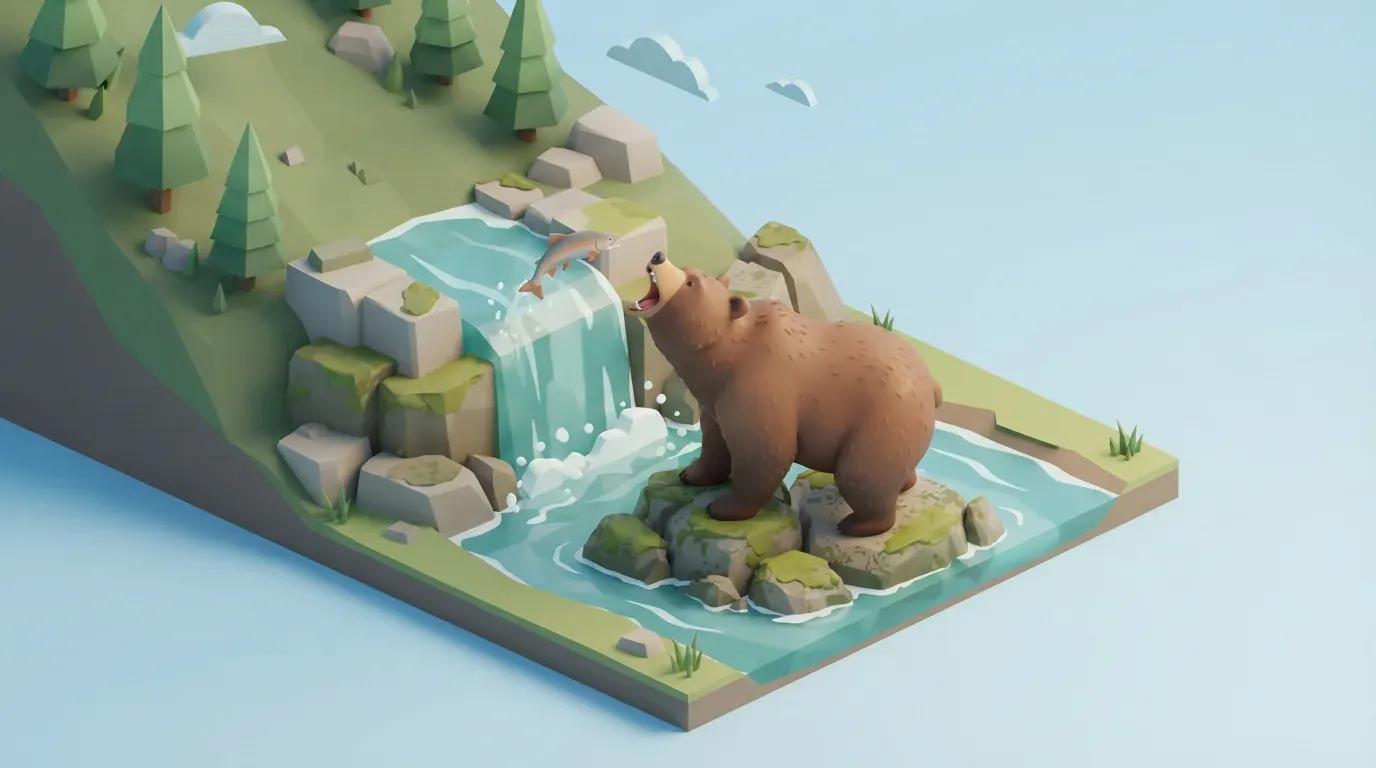 Lesson 22 · you're hereWhat's the bear doing now?Present continuous questions and negatives
 Lesson 23Are there any horses on the beach?Questions with is there and are there any
 Lesson 24Where do the baby turtles go?A, an and the for first and second mention
Unit 7 Jobs people do
jobs and workplaces, the present simple and continuous, job interviews, possessive pronouns
Unit 8 Weekend stories and plans
was and were, how long and how tall, and, but and or, camping food