Modal verbs: ESL lesson plans and exercises
Levels A1 to C1 31 lesson plans · 10 drill lessons Exercises that check themselves
Modal verbs such as can, should, must and might go before another verb and add ability, advice, rules or how sure we are: She can swim, You should rest. The edio.ai library has 31 ready-made lessons on modal verbs, levels A1 to C1, from can for hobbies to must have in an incident report. Try the exercises, read each modal's rule in the lessons' grammar schemes, and choose a lesson for your class by level. All the modal verbs lessons are interactive and in American English.
Modal verbs lesson plans and drills
31 lesson plans and 10 drill lessons, A1 to C1. Lesson plans are whole lessons with reading, listening and speaking; drill lessons are 43 to 47 self-checking exercises with no new words.
 A1Lesson planEnglish A1.1
Can you play Scrabble?
 A1Lesson planEnglish A1.1
Can you surf?
 A1Lesson planEnglish A1.1
Review: a book for every child
 A1Lesson planEnglish A1.2
Can I try it on? The Santa Fe Indian Market
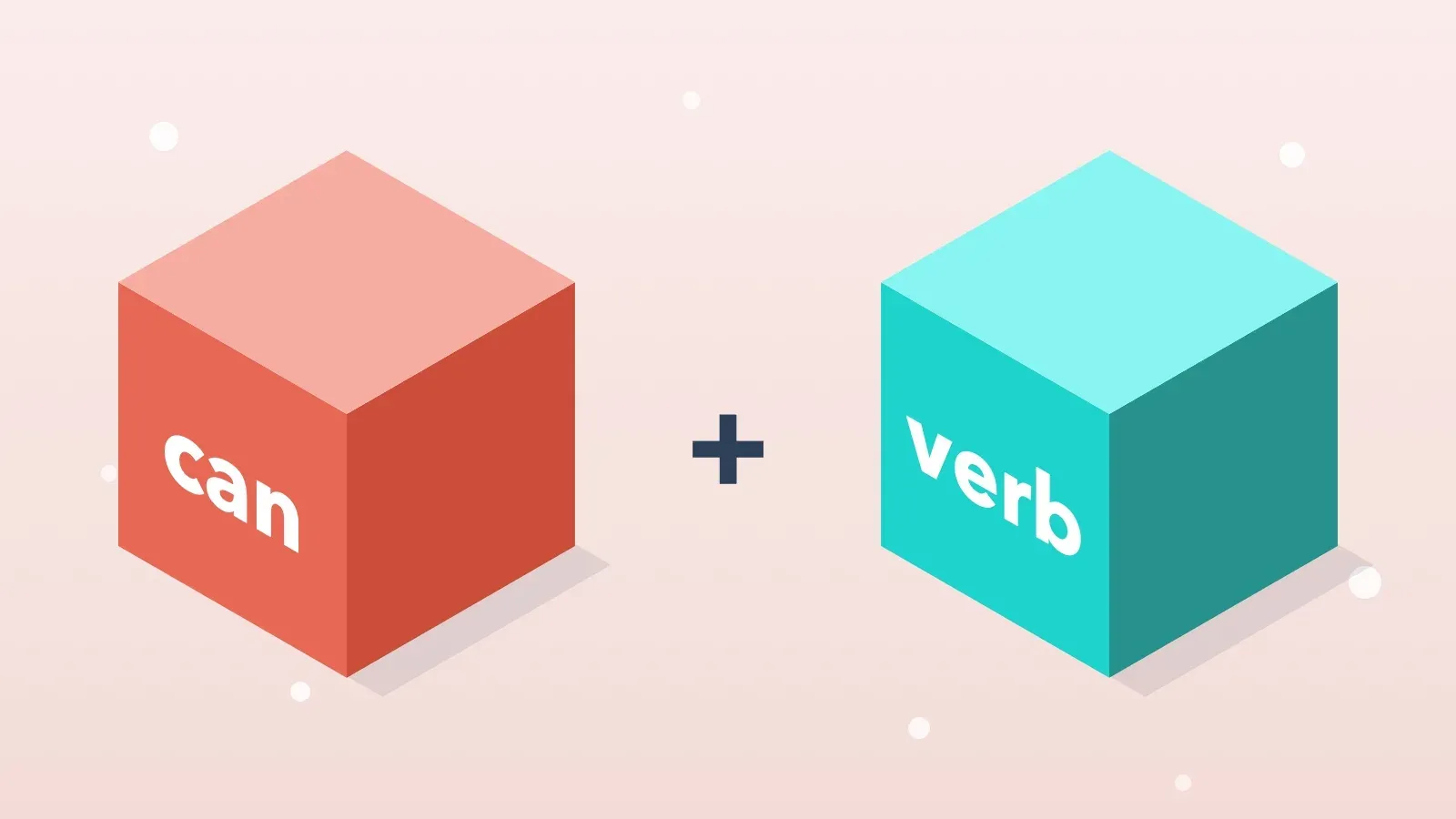 A1DrillsGrammar Practice · A1
Can and can't: I can swim
 A2Lesson planEnglish A2.1
Twelve seconds in the air
 A2Lesson planEnglish A2.1
Good neighbors shovel snow
 A2Lesson planEnglish A2.1
Open in the year 6939
 A2Lesson planEnglish A2.2
Do you have to wear a uniform?
 A2Lesson planEnglish A2.2
Stop for the yellow bus!
 A2Lesson planEnglish A2.2
A class trip to the Smithsonian
 A2Lesson planEnglish A2.2
One room, one teacher, every grade
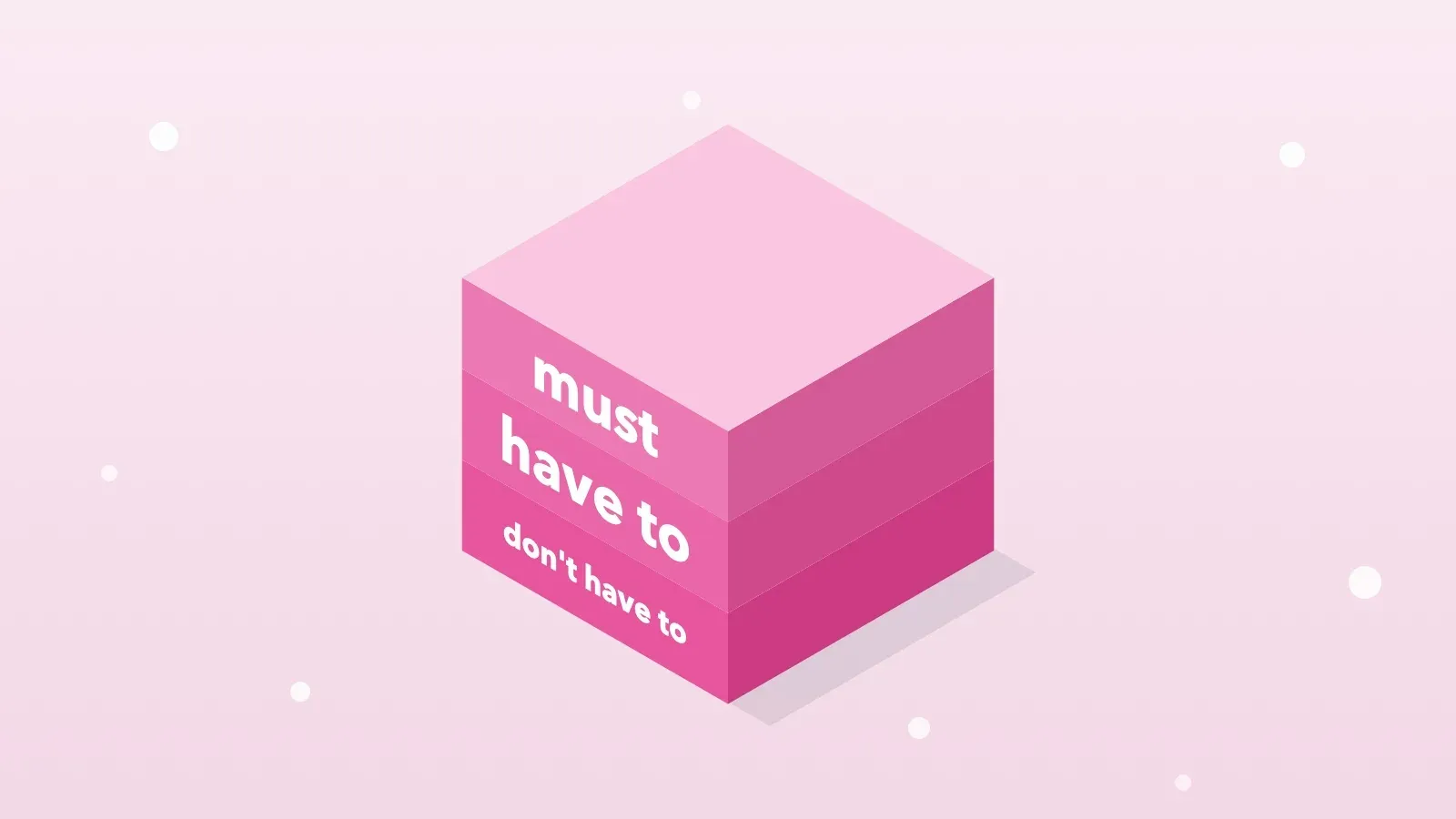 A2DrillsGrammar Practice · A2
Must and have to: what are the rules?
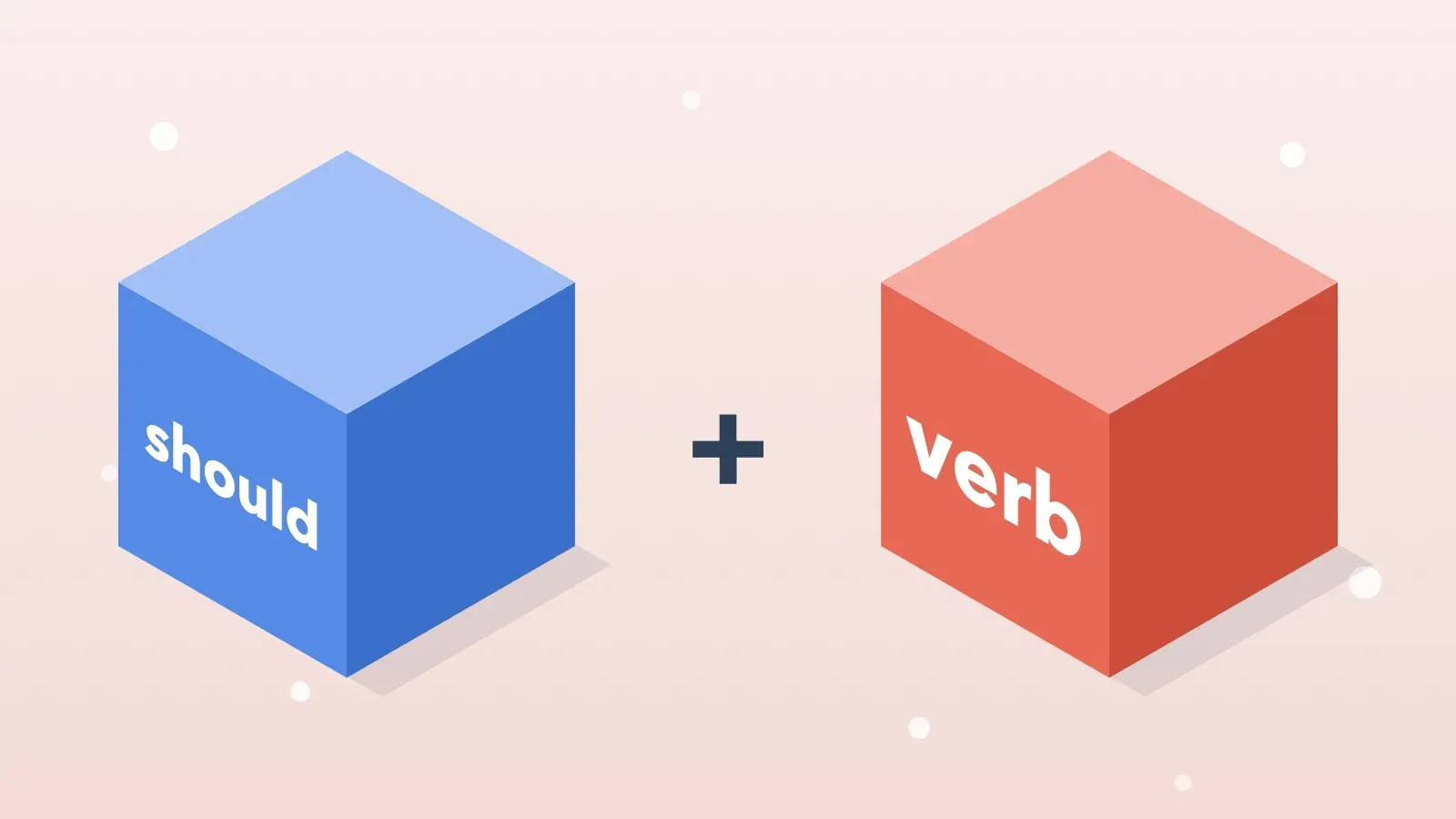 A2DrillsGrammar Practice · A2
Should: what should I do?
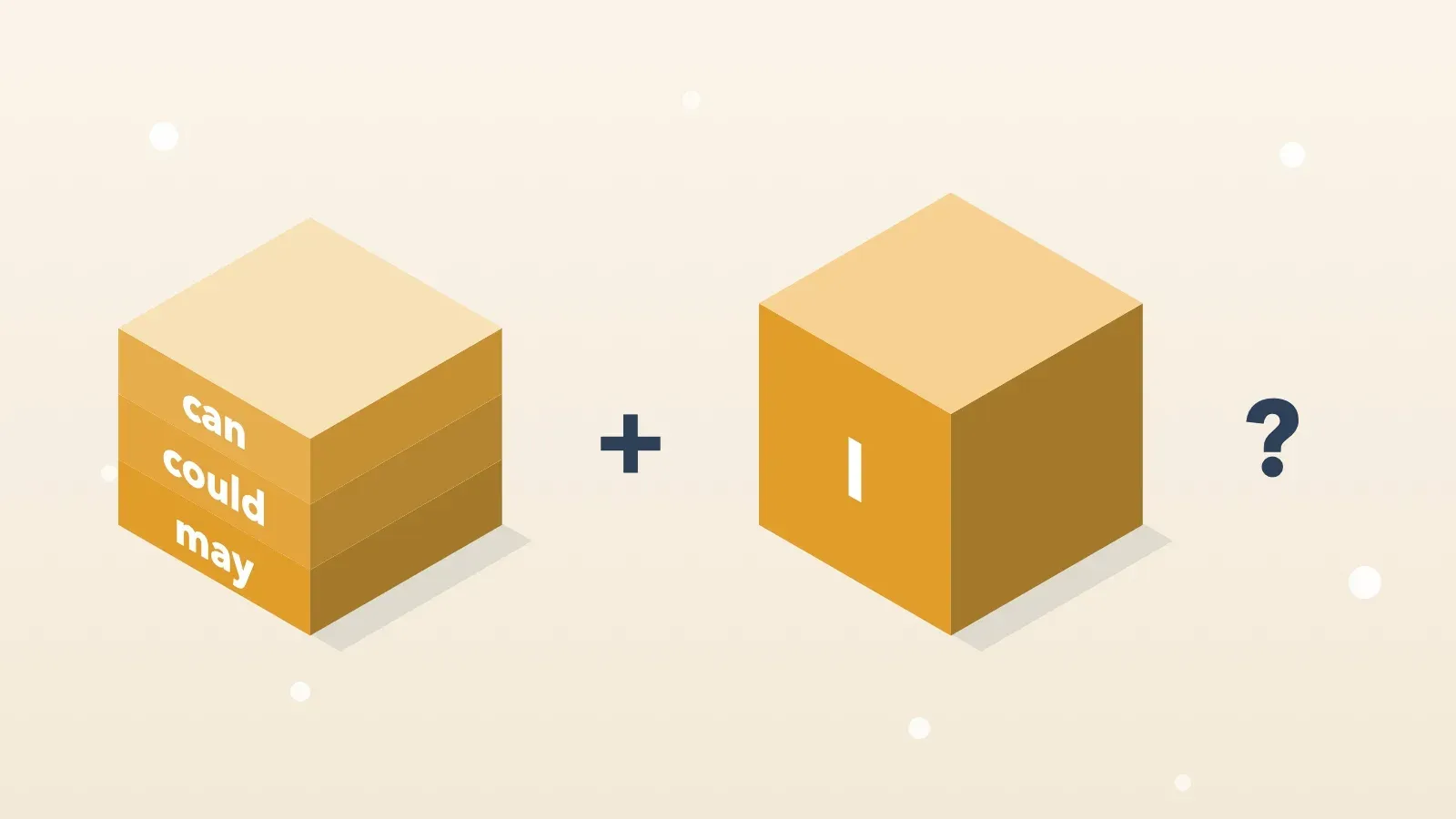 A2DrillsGrammar Practice · A2
Can, could, may: could you help me, please?
 B1Lesson planEnglish B1.1
Would you jump off a moving boat for a job?
 B1Lesson planEnglish B1.1
Who sent the first spam?
 B1Lesson planEnglish B1.1
Is your password really safe?
 B1Lesson planEnglish B1.1
From a leg brace to three golds
 B1Lesson planEnglish B1.2
It must be here somewhere!
 B1Lesson planEnglish B1.2
How did Houdini get out?
 B1Lesson planEnglish for IT B1
Help, I'm blocked!
 B1Lesson planEnglish for IT B1
Could we maybe…?
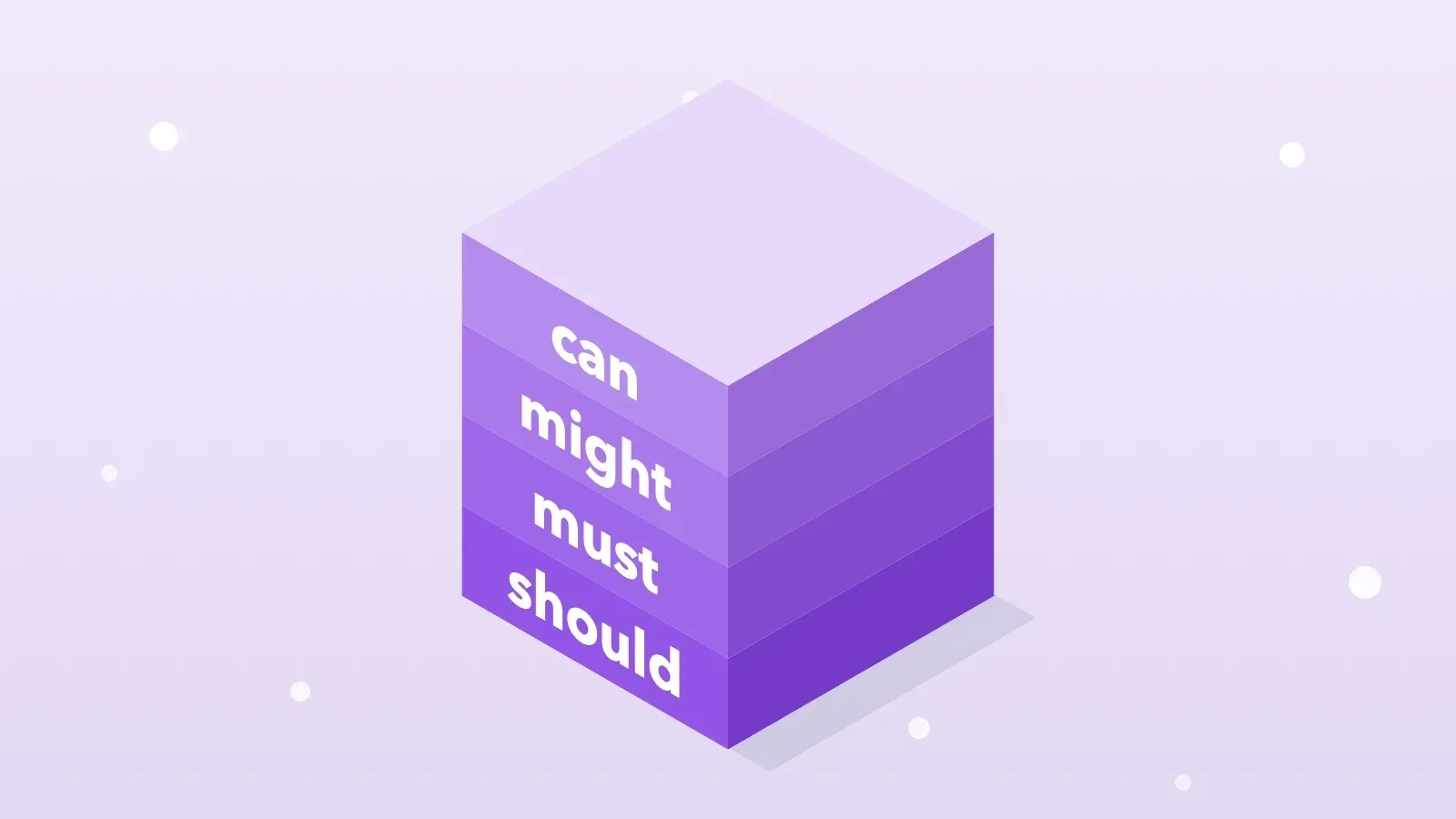 B1DrillsGrammar Practice · B1
Modal verbs: can, must, should or might?
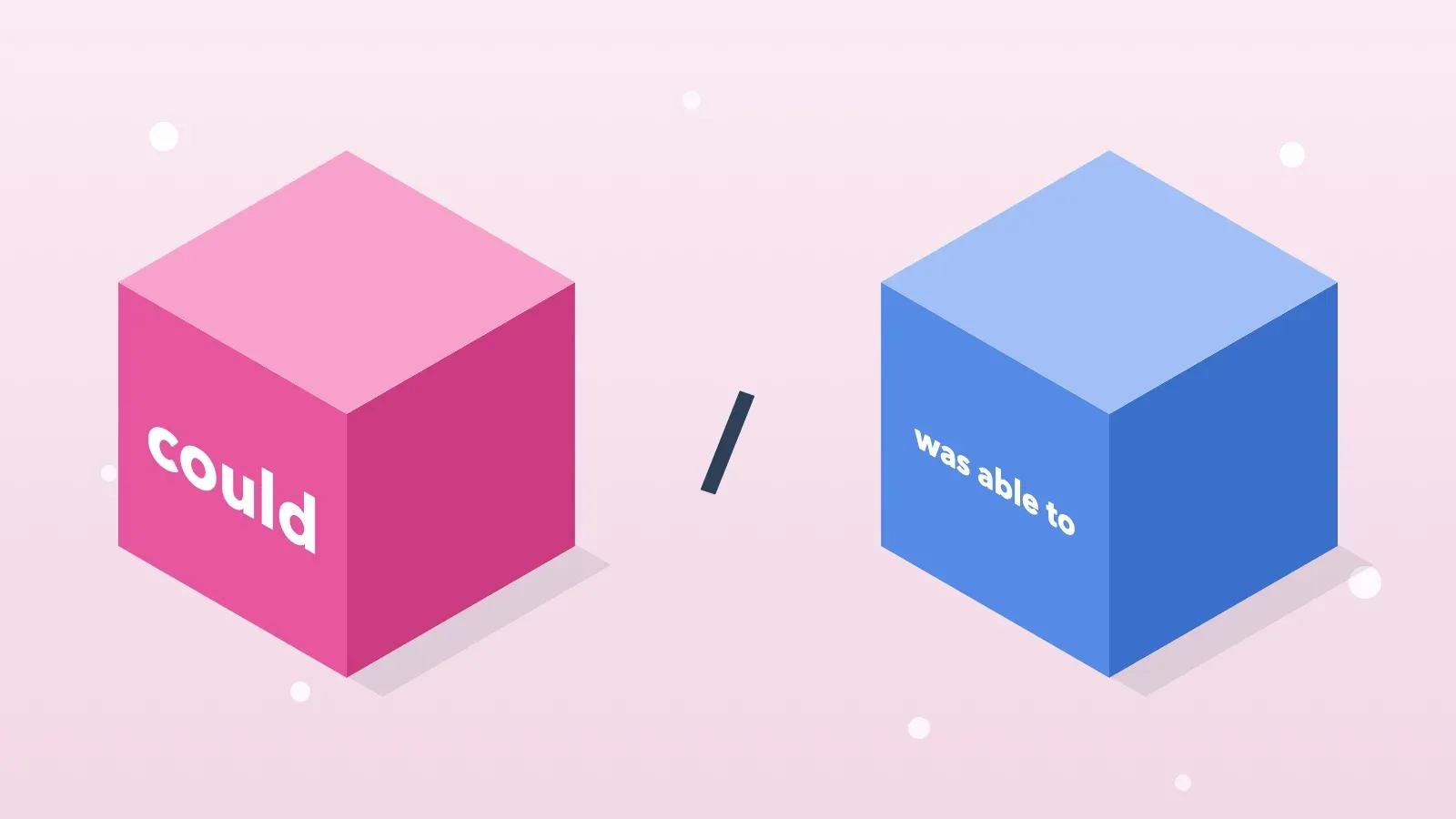 B1DrillsGrammar Practice · B1
Could, was able to, managed to: did you make it?
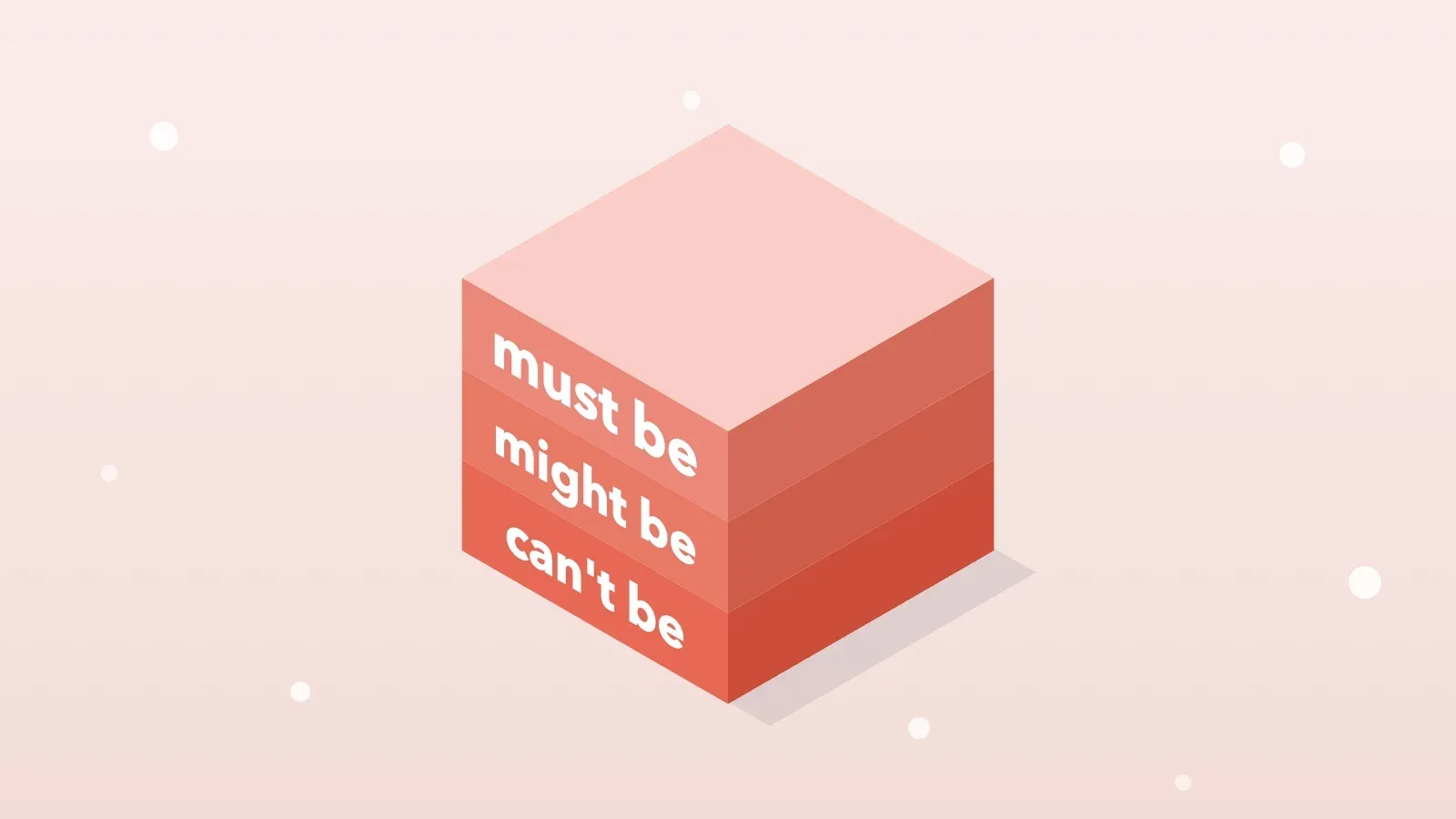 B1DrillsGrammar Practice · B1
Modals of deduction: whose bag could it be?
 B2Lesson planBusiness English B2
Travel and Expenses: Can I Claim That?
 B2Lesson planBusiness English B2
Giving Feedback
 B2Lesson planBusiness English B2
Working Across Cultures
 B2Lesson planEnglish B2.1
One marshmallow now or two later?
 B2Lesson planEnglish B2.1
How did one man write down a language?
 B2Lesson planEnglish B2.1
The joke that needed a smiley
 B2Lesson planEnglish B2.2
Who decided a week is 40 hours?
 B2Lesson planEnglish for IT B2
MUST, SHOULD or MAY?
 B2Lesson planEnglish for IT B2
It's always DNS
 B2Lesson planEnglish for IT B2
Change your password? Maybe not
 B2DrillsGrammar Practice · B2
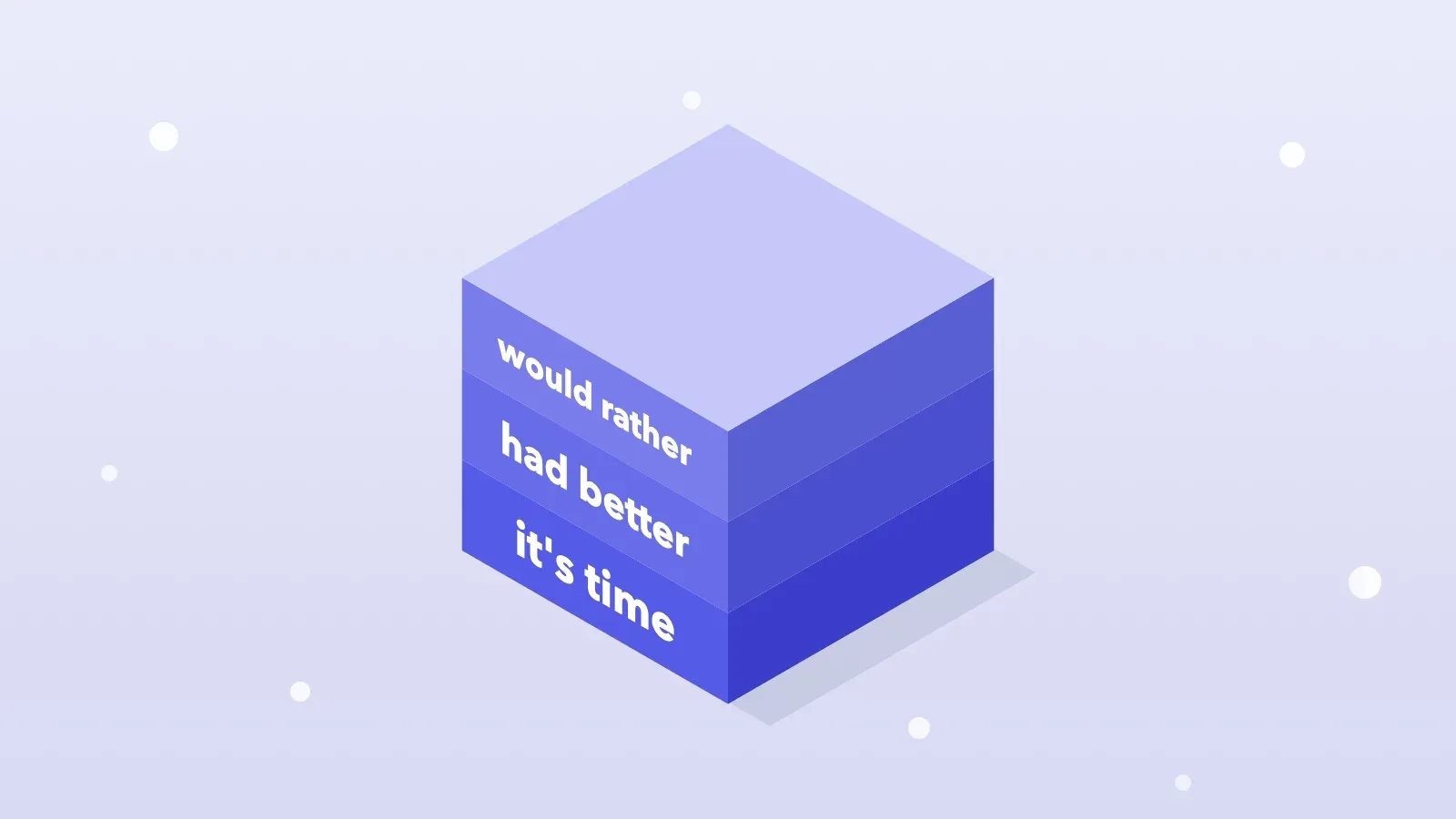
Would rather, had better and it's time: the couch crisis
 B2DrillsGrammar Practice · B2
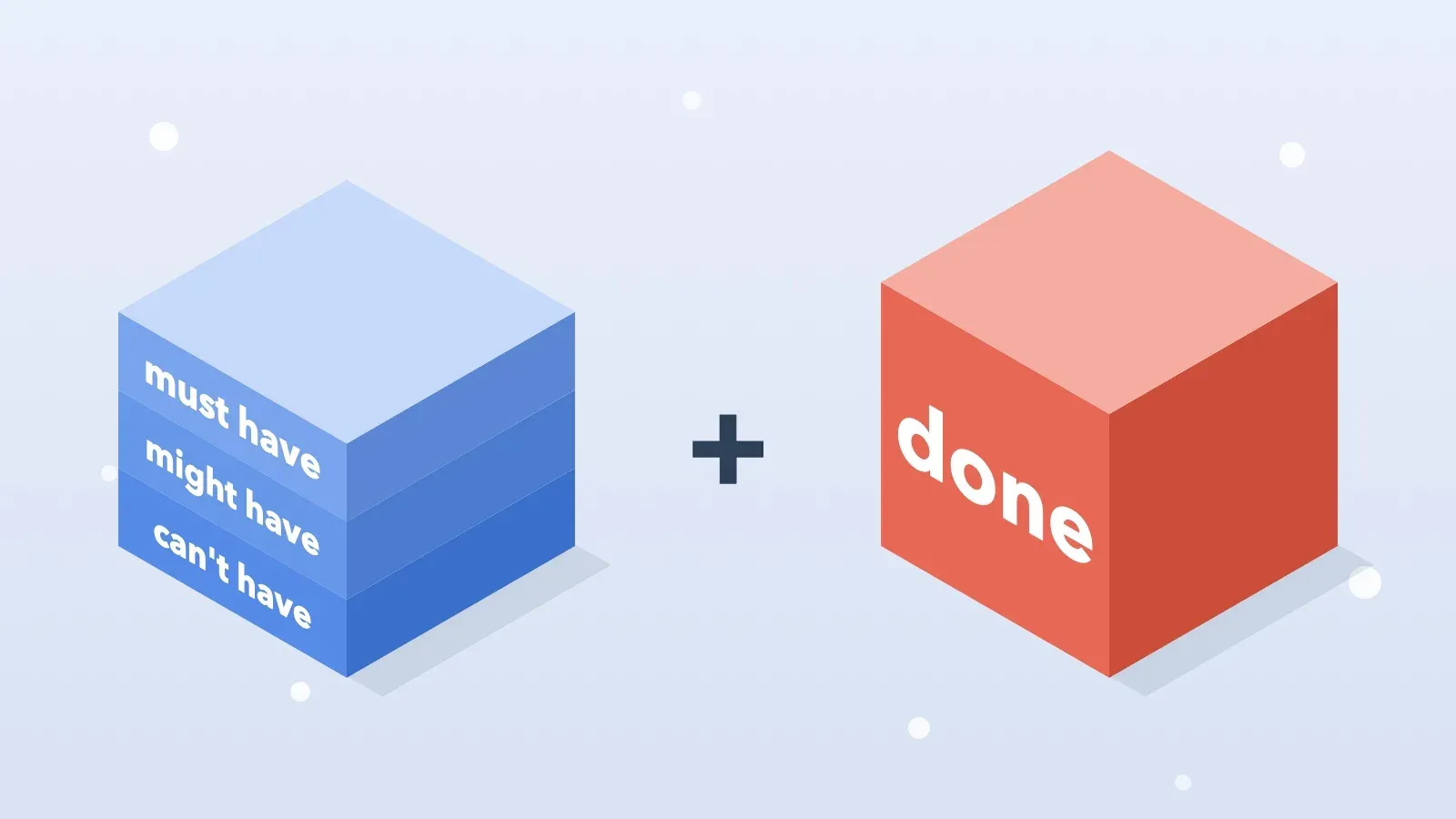
Past modals of deduction: what must have happened here?
 B2DrillsGrammar Practice · B2
Should have and needn't have: what went wrong?
 C1Lesson planEnglish for IT C1
Incident! Learning from the CrowdStrike Outage
 C1Lesson planEnglish for IT C1
AI at Work: Writing the Team's Rules
Try the modal verbs exercises
One exercise from each of 6 lessons. These are the same exercises your students do in edio.
Modal verbs explained
We use modal verbs to talk about ability (can, could), requests and permission (Can I…?), advice (should), rules (must, have to) and how sure we are (might, can't). Can, should, must and might never take -s, and the verb after them has no to: She can draw, not She cans draw. Questions start with the modal, without do: Can you surf?
Can and can't for ability
Can says someone knows how to do something, and can't (cannot) says they don't. Both stay the same for every person: He can cook, We can't play chess, and for a parrot, It can talk.
| Who? | ✅ can | ❌ can't |
|---|---|---|
| I | I can draw. | I can't draw. |
| you | You can sing. | You can't sing. |
| he | He can cook. | He can't cook. |
| she | She can dance. | She can't dance. |
| it | It can talk. 🦜 | It can't draw. 🦜 |
| we | We can play chess. | We can't play chess. |
| they | They can take photos. | They can't take photos. |
From the lesson Can you play Scrabble? (English A1.1)
Could and couldn't: can in the past
For ability in the past, can becomes could: They could glide before 1903, I could swim at six. Negatives and questions need no did: People couldn't fly with an engine, Could you swim at five?
| Who | ✓ could | ✗ couldn't |
|---|---|---|
| I | I could swim at six. | I couldn't read at three. |
| you | You could walk at two. | You couldn't drive at ten. |
| he | He could ride a bike at five. | He couldn't swim at five. |
| she | She could dance at four. | She couldn't cook at four. |
| it | In 1903, it (the Flyer) could fly. | It couldn't stay in the air for long. |
| we | We could see the sea from the dune. | We couldn't see the horses. |
| they | They could glide before 1903. | They couldn't fly with an engine. |
From the lesson Twelve seconds in the air (English A2.1)
Should and shouldn't for advice
Should marks a good idea and shouldn't a bad one: You should clear the path, Biscuit shouldn't eat street snow. To ask for advice, put should first: What should I do?
I, you, he, she, it, we, theyshould / shouldn't (= should not)base verb
You should clear the path.
Biscuit shouldn't eat street snow.
From the lesson Good neighbors shovel snow (English A2.1)
Must, mustn't and don't have to
Must is a rule to follow and mustn't a rule against something: Drivers must stop for the bus, You mustn't pass on the right. Don't have to means there's no rule at all, so it's your choice.
| Words | It means… | Example |
|---|---|---|
| must ✅ | a rule or a law: do it! | Drivers must stop for the bus. |
| mustn't ⛔ | a rule or a law: don't do it! | You mustn't pass on the right. |
| don't have to 🆗 | no rule: it isn't necessary, but you can | You don't have to run. Zack waits. |
From the lesson Stop for the yellow bus! (English A2.2)
Must, might, can't: how sure are you?
From the evidence, must be means you're sure, might be, may be or could be that it's possible, and can't be that you're sure it isn't: It can't be the app: the web dashboard is slow too.
| How sure? | Form | Example |
|---|---|---|
| I'm sure it is. | must + be | The old address is still coming back, so it must be a cached copy. |
| It's possible. | might / may / could + be | It might be the office Wi-Fi. We haven't checked it yet. |
| Maybe it isn't. | might not / may not + be | It may not be the phone. Let's try another one. |
| I'm sure it isn't. | can't / cannot / couldn't + be | It can't be the app: the web dashboard is slow too. |
From the lesson It's always DNS (English for IT B2)
Should have, could have: looking back
Modal + have + past participle looks back. Should have is the right step that didn't happen, shouldn't have a mistake that did, and could have an option nobody used: You could have called them after a week.
| Form | Did it happen? | What it means | Example |
|---|---|---|---|
| should have + past participle | No | It was the right thing to do, but it didn't happen: criticism or regret. | I should have followed up after a week. |
| shouldn't have + past participle | Yes | It happened, and it was a mistake. | You shouldn't have offered ten percent on the spot. |
| could have + past participle | No | It was possible, but you didn't do it. | You could have called them after a week. |
| didn't need to + base form | Yes or no: the context tells you | It wasn't necessary. | I printed fifty brochures, but I didn't need to. / They had our list, so I didn't need to send it. |
From the lesson Giving Feedback (Business English B2)
Questions about modal verbs
What are modal verbs?
What's the difference between can and could?
When do we use should and shouldn't?
What's the difference between must and have to?
What are modals of deduction?
How do you use should have and could have?
How do I teach modal verbs to beginners?
What are good modal verbs games and activities?
Are there interactive modal verbs exercises?
Do the modal verbs lessons work as homework?
More English grammar
Lessons for every grammar point, from the verb to be to reported speech. All grammar points