Prepositions: ESL lesson plans and exercises
Levels A1 to C1 17 lesson plans · 3 drill lessons Exercises that check themselves
Prepositions are the short words that say where, when and how: next to the bank, on January 1st, by bus, through the forest. You'll find 17 ready-made lessons on them here, from the edio.ai library, for levels A1 to C1 and in American English. Try exercises from them, see each rule in the lessons' own grammar schemes, and find a lesson for your class in the list by level, from place and time to prepositions with numbers. The lessons are interactive, and their drills, from in, on and at to rose by, check themselves.
Prepositions lesson plans and drills
17 lesson plans and 3 drill lessons, A1 to C1. Lesson plans are whole lessons with reading, listening and speaking; drill lessons are 45 to 46 self-checking exercises with no new words.
 A1Lesson planEnglish A1.1
Is it morning in Hawaii?
 A1Lesson planEnglish A1.1
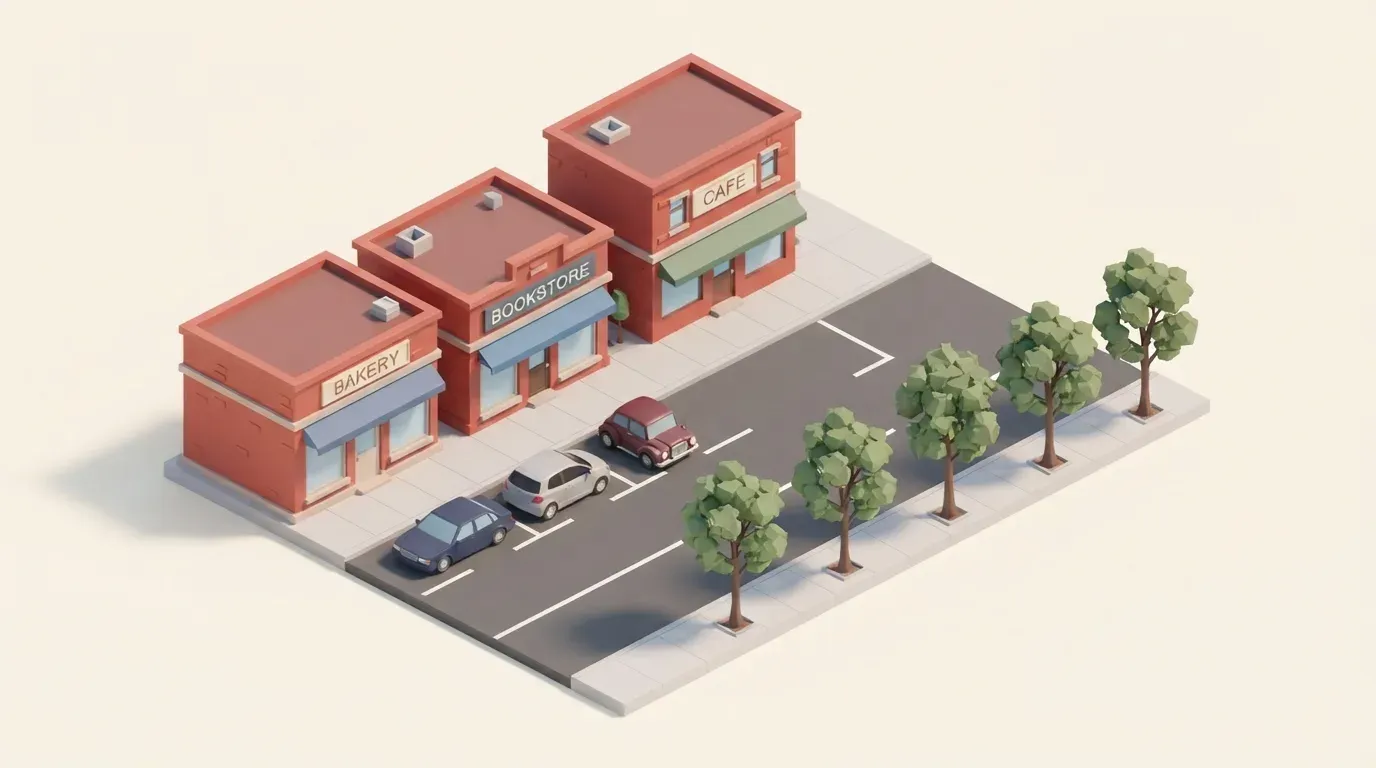
Main Street, USA
 A1Lesson planEnglish A1.2
How do you get to work?
 A1Lesson planEnglish A1.2
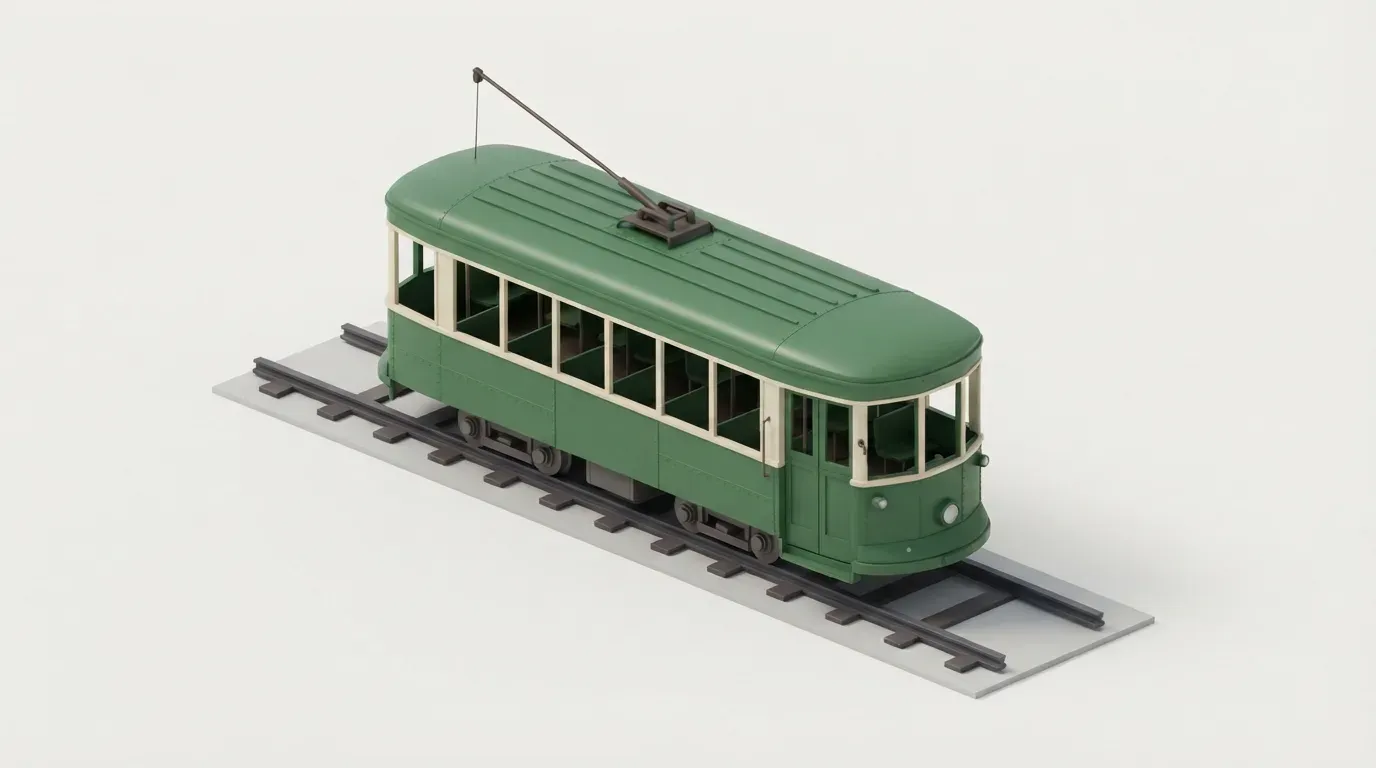
Where's the streetcar stop?
 A1Lesson planEnglish A1.2
Never on a Sunday? The Rose Parade
 A1Lesson planEnglish A1.2
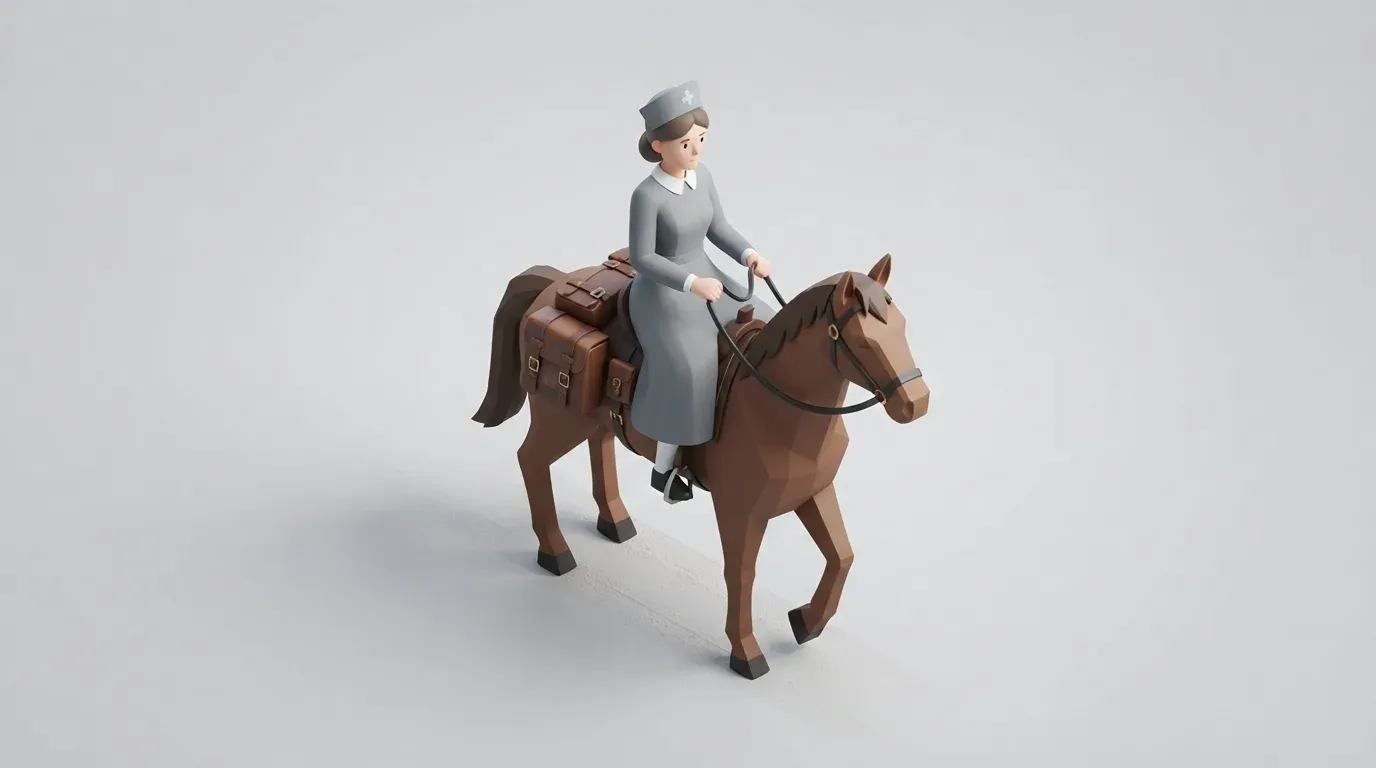
Nurses on horses?
 A1Lesson planEnglish A1.2
Can you be a lifeguard?
 A1DrillsGrammar Practice · A1
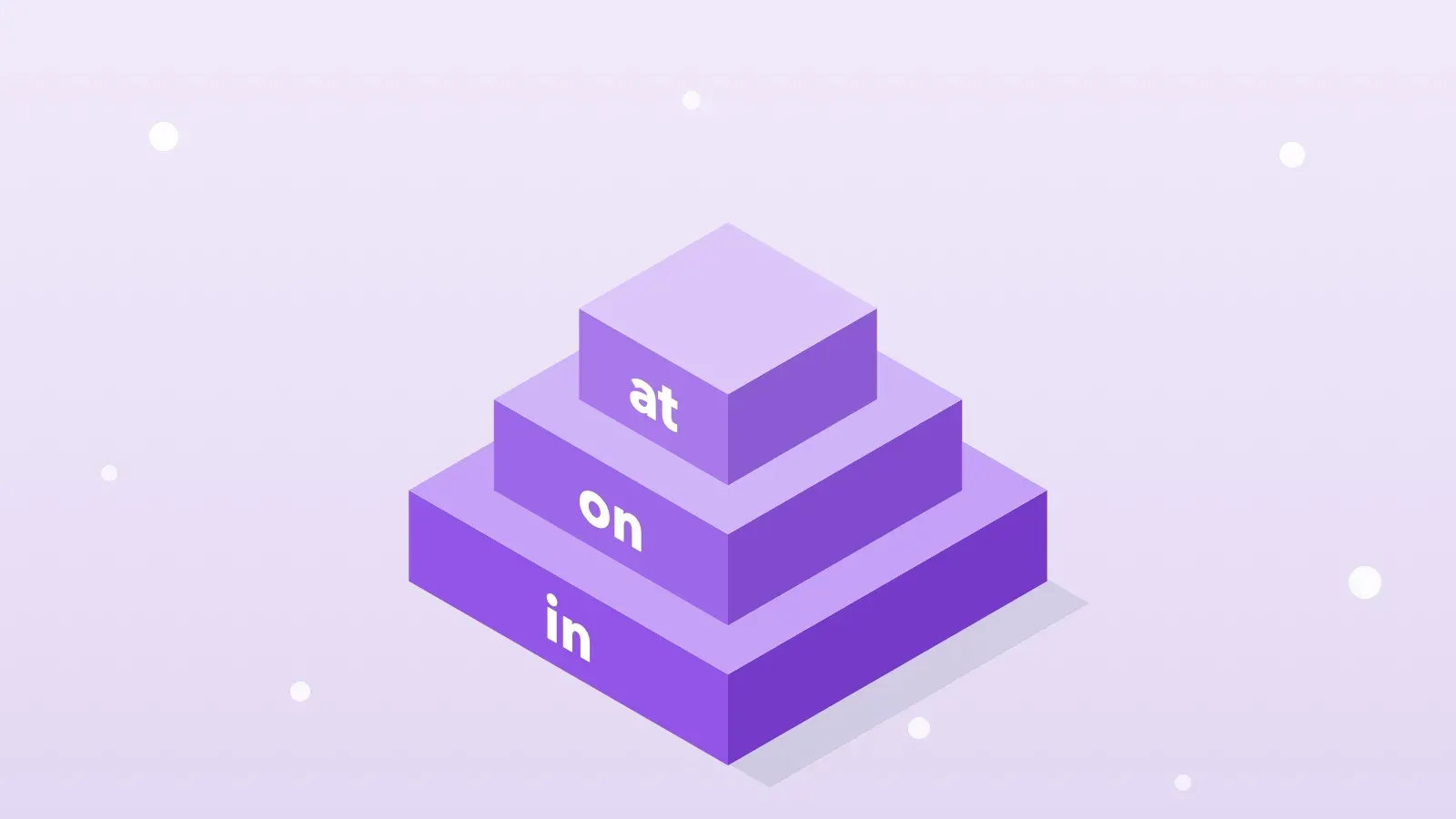
In, on, at: times, days and months
 A1DrillsGrammar Practice · A1
Prepositions of place: in, on, under, next to
 A2Lesson planEnglish A2.1
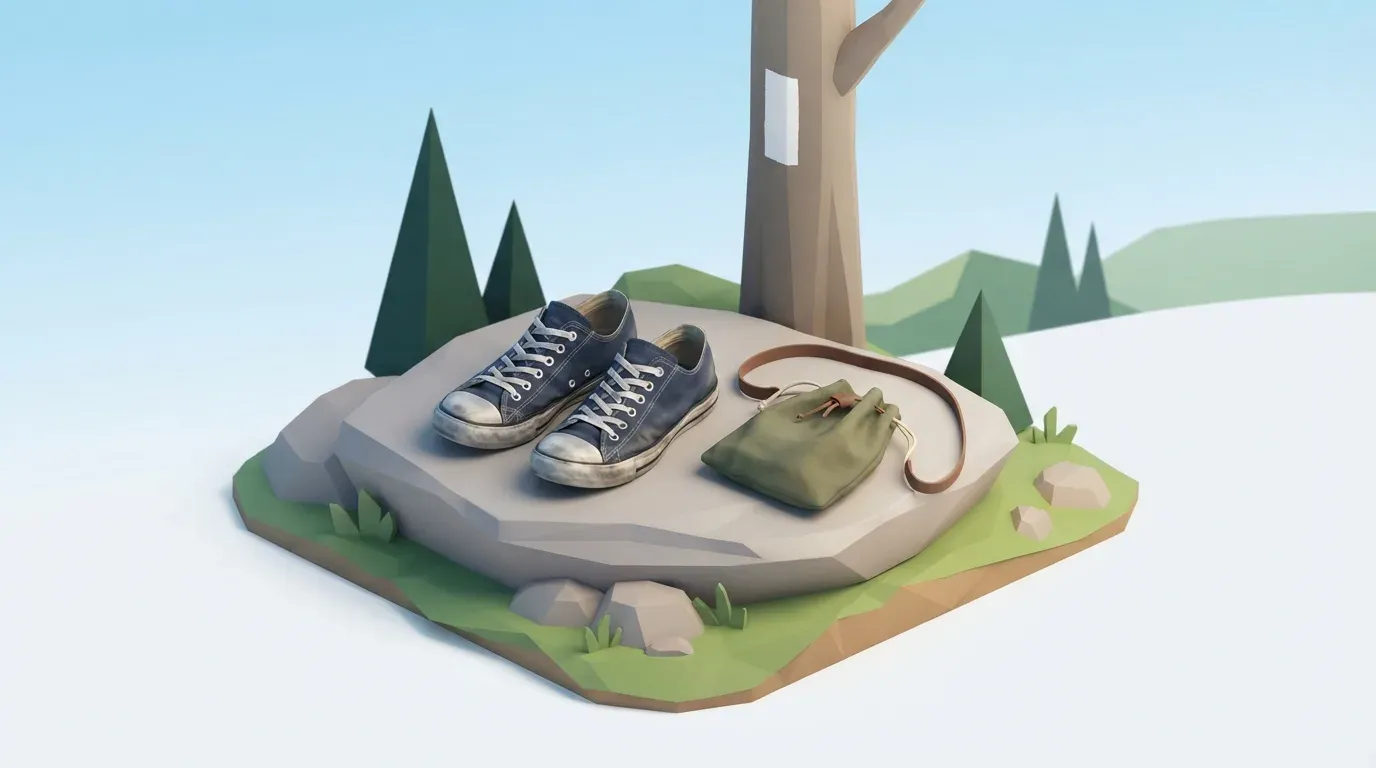
She walked 2,000 miles in sneakers
 A2Lesson planEnglish A2.2
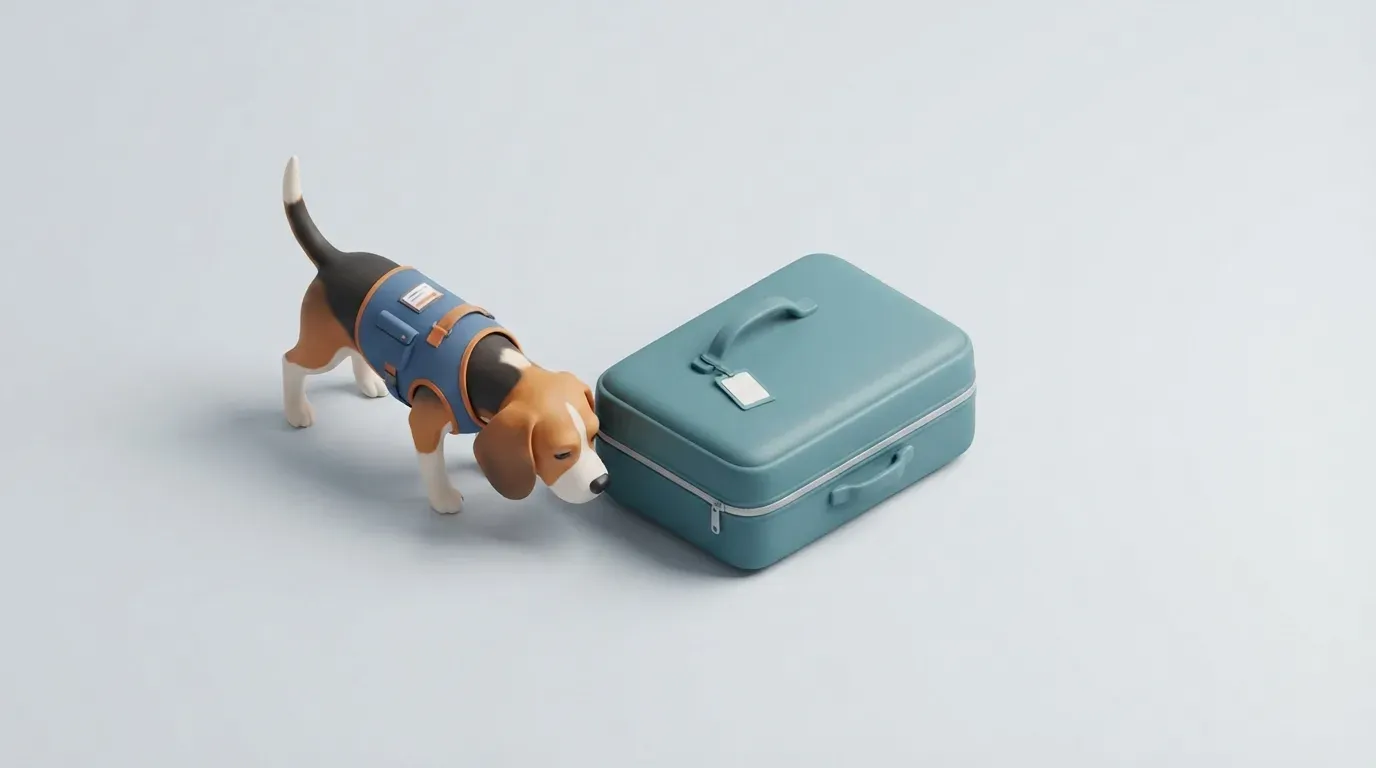
Beagles at the airport
 B1Lesson planEnglish B1.1
A doctor and an Olympic champion?
 B1Lesson planEnglish B1.2
Why do corn, beans and squash grow together?
 B2Lesson planEnglish B2.1
The robot car that crossed the desert
 B2Lesson planEnglish B2.1
Benjamin Franklin's 200-year gift
 B2Lesson planEnglish B2.2
The count that took eight years?
 B2Lesson planEnglish B2.2
Volunteer on vacation?
 B2Lesson planEnglish B2.2
A day for grandparents
 B2DrillsGrammar Practice · B2
Dependent prepositions: depend on, interested in, a reason for
 C1Lesson planEnglish for IT C1
Metrics, Dashboards and SLOs
Try the prepositions exercises
One exercise from each of 6 lessons. These are the same exercises your students do in edio.
Prepositions explained
A preposition comes before a noun or pronoun and links it to the rest of the sentence: at night, across from the stop, wait for me. Many have to be learned as fixed pairs, because verbs and adjectives choose their own: listen to, wait for, good at, afraid of.
Between, behind, in front of, across from
Prepositions of place say where a building is on a street. Between needs two places (between the bank and the bookstore), in front of keeps its of while behind has none, and Americans often say across from for opposite.
| Words | Example | See it |
|---|---|---|
| between … and … | The café is between the bank and the bookstore. | 🏦 ☕ 📚 |
| behind | The garden is behind the house. | 👀 ➜ 🏠 ➜ 🌷 |
| in front of | The fountain is in front of the hotel. | 👀 ➜ ⛲ ➜ 🏨 |
| across from | The bookstore is across from the stop. | 📚 | the street | 🚋 |
| on the corner of … and … | The stop is on the corner of Elm Street and Pine Street. | Elm Street ➕ Pine Street = 📍 |
| at the end of | The hotel is at the end of the street. | 🛣️ ➜ ➜ ➜ 🏨 |
From the lesson Where's the streetcar stop? (English A1.2)
In, on and at for time
In goes with months, seasons, years and parts of the day (in January, in the morning), on with days and dates (on January 1st, on the weekend), and at with clock times: at 8 a.m., at noon.
in + month, season, year, part of the day
- in January
- in winter
- in 1890
- in 2023
- in the morning
- in the evening
on + day, date, special day
- on Monday
- on January 1st
- on Monday, January 2nd
- on New Year's Day
- on my birthday
- on the weekend
at + a time
- at 8 a.m.
- at eight o'clock
- at noon
- at midnight
From the lesson Never on a Sunday? The Rose Parade (English A1.2)
At, in and on for places of work
Places use the same three words in their own way: at a workplace or home (at a hospital, at work), in a room, city or state (in an office, in Kentucky), and on a farm, a ranch or a ship.
at + a workplace, home, work
- at a hospital
- at a school
- at a clinic
- at home
- at work
in + a room, a city, a state, an area
- in an office
- in a kitchen
- in Atlanta
- in Kentucky
- in the mountains
on + a farm, a ranch, a ship, a horse, the road
- on a farm
- on a ranch
- on a ship
- on a horse
- on the road
From the lesson Nurses on horses? (English A1.2)
Movement: along, over, through, into
Prepositions of movement follow a verb and trace a path: We walked along the river, Biscuit jumped over the log. Across means from side to side of something flat, through in one side and out the other, and into from outside to inside.
| Word | The way | Example |
|---|---|---|
| along → → → | next to a long line: a road, a river, a trail | We walked along the river. |
| over ↗ ↘ | from one side to the other, above it | Biscuit jumped over the log. |
| across ⟷ | from one side to the other of a flat thing | Nora walked across the road. |
| through → ▢ → | in one side and out the other | We drove through the forest. |
| up ↑ | to a higher place | Emma climbed up the mountain. |
| down ↓ | to a lower place | We walked down the hill. |
| into → ▢ | from outside to inside | Biscuit ran into the tent. |
| out of ▢ → | from inside to outside | Marco climbed out of the river. |
| past → • → | by something, with no stop | We drove past the farm. |
| around ↻ | in a circle | We walked around the lake. |
From the lesson She walked 2,000 miles in sneakers (English A2.1)
Good at, afraid of: adjectives with prepositions
Some adjectives always take the same preposition: good at, interested in, afraid of, famous for. After it comes a noun or a verb + -ing, never the base form: afraid of planes, afraid of flying.
Which preposition?
| Adjective | Preposition | Example |
|---|---|---|
| good, bad | at | Beagles are good at sniffing. Maya is bad at cooking. |
| interested | in | Maya is interested in animals. |
| afraid | of | Biscuit is afraid of thunder. |
| tired | of | We're tired of the rain. |
| proud | of | Nate is proud of his beagle. |
| excited | about | Biscuit is excited about his treat. |
| famous | for | Snoopy is famous for his doghouse. |
+ a noun or + verb-ing
| Adjective + preposition | + a noun | + verb-ing |
|---|---|---|
| good at | good at games | good at finding food |
| afraid of | afraid of planes | afraid of flying |
| interested in | interested in dogs | interested in becoming a handler |
| excited about | excited about the trip | excited about getting a treat |
From the lesson Beagles at the airport (English A2.2)
Rose by, rose to: prepositions with numbers
At C1, prepositions carry the numbers in a report. Rose by 270 ms gives the size of the change and rose to 450 ms the new level, while a noun takes in for what changed: a sharp increase in latency.
| Pattern | Use it for | Example |
|---|---|---|
| rise / fall by + amount | the size of the change | Our p99 rose by 270 ms. |
| rise / fall to + level | the new level | Our p99 rose to 450 ms. |
| from … to … | the start and the end | It rose from 180 ms to 450 ms. |
| an increase / a spike in + metric | what changed | a sharp increase in latency |
| an increase / a fall of + amount | the size of the change | an increase of 150% |
| peak / level off / stand at | a point or a level | Availability stands at 99.93%. |
From the lesson Metrics, Dashboards and SLOs (English for IT C1)
Questions about prepositions
When do you use in, on and at for time?
When do you use at, in and on for places?
Are there interactive prepositions of place exercises?
What are prepositions of movement?
When do you use by for transportation?
Which prepositions go with adjectives like good and afraid?
Do you say rose by or rose to with numbers?
How do I teach prepositions of place to beginners?
What are good prepositions games?
Can these preposition lessons be used one-to-one?
More English grammar
Lessons for every grammar point, from the verb to be to reported speech. All grammar points