Two eggs, sunny side up! Would you like…? and I'd like… at a diner
About this lesson
A2 learners practice Would you like and I'd like in this ESL lesson plan, offering food and ordering breakfast at an American diner.
- Grammar
- Offers with Would you like…?, orders with I'd like…, please, would like + a noun or + to + verb, polite replies (Yes, please. I'd love to!) and the casual Do you want…?
- Topic
- The American diner, whose story starts with a lunch wagon in Providence, Rhode Island, in 1872, with restaurant vocabulary such as booth, refill, over easy and blue plate special.
- Activities
- A diner menu to read, a breakfast order and Grandpa's challenge to hear, self-checking drills, an ordering chat and role-play boxes.
What's inside
Chapter 1Welcome to the diner!
Chapter 2Let's read: the menu
Chapter 3Let's listen: breakfast for two
Chapter 4Grammar: Would you like…?
Chapter 5Let's talk: order a meal!
Chapter 6Homework
- Match the words and the meaningsMatchUnlock
- Unscramble the words: diner wordsAnagramUnlock
- Fill in the gaps: diner wordsFill in the gapsUnlock
- Match the pairs: diner talkMemory gameUnlock
- Choose the right words: at the dinerChoose the optionUnlock
- Put the words in the right order: order a mealUnjumbleUnlock
- Fill in the gaps: make it politeFill in the gapsUnlock
- Sort the sentences: good or bad?Sort into columnsUnlock
- Drag the words into the gaps: Nora's app reviewDrag and dropUnlock
Restaurant vocabulary
10 words and phrases from the lesson, each with a picture and audio in edio.
+7 more with pictures and audio in the lessonMore words
- counter
- refill
- sunny side up
- over easy
- blue plate special
- pie case
- lunch wagon
Grammar: offers and orders with would like
At a diner, nearly every line is an offer or an order: Would you like some coffee? I'd like the pancakes, please. Learners set Would you like…? against Do you like…?, an offer now against a question about tastes, answer with polite replies, put a noun or to + verb after like, and use one form of would like for every person.
Would you like some coffee? – Yes, please!
Offer and order politely: Would you like…? What would you like? I'd like…, please.
Do you like…? or Would you like…?
Do you like pie? asks about your tastes in general, so the answer is Yes, I do. or No, I don't. Would you like some pie? is an offer for now, and the answer is Yes, please. or No, thank you.
Do you like…? = in general
- Do you like pie? – Yes, I do. / No, I don't.
- I like pie. = in general, not only today.
Would you like…? = an offer, now
- Would you like some pie? – Yes, please. / No, thank you.
- I'd like pie, please. = I want pie now.
Offers and polite replies
A warm yes is I'd love some! for food and I'd love to! for an action, and a no often adds I'm fine. To the question What would you like?, an order starts with I'd like: I'd like the pancakes, please.
| Offer | Yes 👍 | No 👎 |
|---|---|---|
| Would you like coffee? | Yes, please. | No, thank you. |
| Would you like some pie? | Yes, please. I'd love some! | No, thank you. I'm fine. |
| Would you like to sit in a booth? | Yes, please. I'd love to! | No, thank you. |
| What would you like? | I'd like the pancakes, please. | – |
A thing, or to + a verb
After would like, put a thing (Would you like coffee? I'd like a booth, please.) or to + a verb: Would you like to see the menu? I'd love to try it! The to can't drop out, so Would you like eat…? is wrong.
Would you like / I'd like + a thing
- Would you like coffee?
- Would you like some pancakes?
- I'd like a booth, please.
Would you like / I'd love + to + a verb
- Would you like to see the menu?
- Would you like to pour the syrup?
- I'd love to try it!
I'd, he'd, we'd: one form for everyone
Would like stays the same for every person: I'd like (I would like), He'd like pancakes, We'd like a booth. There's no -s, so it's she'd like, never she'd likes, and questions put would first: What would she like?
would like: the same for every person
| Who | Example |
|---|---|
| I | I'd like (= I would like) two eggs, please. |
| you | Would you like a refill? |
| he, she, it | He'd like pancakes. What would she like? |
| we | We'd like a booth, please. |
| they | Would they like some pie? |
At the diner
- We serve breakfast all day. What would you like?
- Eddie pours the coffee. Would you like some milk?
- Would you like to try our cherry pie? – I'd love to!
- Marco would like the whole menu!
Do you want…? with friends
Do you want…? is the casual way, fine with friends and family: Do you want a waffle? With a server, a guest or someone new, Would you like…? sounds more polite, and an order with I'd like sounds nicer than I want.
Do you want…? is casual
With friends and family, you can say Do you want…?: Marco, do you want a waffle? To a server, a guest or a new person, say Would you like…? It's more polite. At a diner, order with I'd like…, please. It sounds nicer than I want.
Common mistakes
Do you like a coffee? (an offer)
Would you like a coffee?
an offer now: Would you like…?
Would you like coffee? – Yes, I would like.
Would you like coffee? – Yes, please.
a short reply: Yes, please.
I like the pancakes, please.
I'd like the pancakes, please.
order with I'd like
Would you like eat some pie?
Would you like to eat some pie?
like + to + verb
Try the would like exercises
Try them yourself: these are the same exercises your students do in edio.
What's in the lesson
- 16 auto-checked exercises
- 5 games
- 1 real-life document
- 1 grammar scheme
- 1 set of word cards
- 2 audio clips
- 2 pictures
- 2 transcripts
The main objectives of this lesson are to:
- offer food and drinks politely: Would you like some coffee? What would you like?
- order with I'd like…, please: I'd like two eggs, sunny side up, please.
- accept or turn down an offer: Yes, please. I'd love some! No, thank you. I'm fine.
- use would like with a noun or with to + verb, for every person: Would you like to sit in a booth? He'd like pancakes.
Lesson 11 comes third in American food, the unit of English A2.1 · Then and Now in which learners describe dishes, compare tastes and order food. It builds on A1.1 lesson 19, where students ordered at a coffee shop with I'd like and Can I have…? and met Would you like…?, and adds What would you like?, would like + to + verb and a full set of polite replies. English A2.2 · Curious Minds comes back to Would you like to…? in lesson 29, for invitations. A diner server offers something at every step, from a booth to a coffee refill.
The warm-up wheel asks about breakfast, and ten word cards follow, from serve and pour to sunny side up and lunch wagon, each with a picture and audio. Students then read a diner menu from Providence, with egg orders, diner lingo such as Joe for coffee and a short history, then hear Nora order breakfast from Eddie, the server (an AI-voiced dialogue), and Grandpa's diner challenge. Four drills follow the scheme and check every answer, one of them a gap-fill of like + to + verb. In the speaking chapter, students order a meal from Eddie in a chat and take turns as server and guest with open-box prompts.
The nine homework tasks check themselves, from a word match and a memory game of diner talk to a drill that makes casual questions polite and Nora's app review, with words to drag into its gaps.
- Grammar:
- Would you like…? · What would you like? · I'd like…, please · polite replies · Would you like to + verb · Do you want…?
- Topic:
- diners · American breakfast · diner lingo · free refills · Providence, Rhode Island · ordering food
Teaching tips
- Set up a diner in the classroom: two desks make a booth and a row of chairs the counter, and the server greets each guest with Would you like to sit at the counter or in a booth?
- Before the listening, ask how students like their eggs, and draw sunny side up and over easy on the board. Students then listen for which order is Nora's and which is her cousin's.
- Go round the room with a coffee pot, real or imagined, offering refills. Each student answers Yes, please. or No, thank you. I'm fine. Anyone who says Yes, I do pours the next cup.
- Contrast the two questions on the board: Do you like pie? and Would you like some pie? Then call out offers and questions at random, and students answer each with Yes, I do. or Yes, please.
Liked it?
Teach the whole lesson in edio
30 exercises in 6 chapters, ready to teach. edio is an online platform for language schools and teachers: ready-made interactive lessons, live classes, homework and student progress in one place.
Start a free trial
7 days, no credit card.
Open the lesson
Find it in the library of 621 ready lessons. Teach it as it is, or copy any chapter into your own lessons.
Teach it live or as homework
Students work in their own accounts, in sync with you during the lesson, and the practice exercises check themselves.
The whole course: English A2.1 · Then and Now
32 lessons for adults at A2 in simple American English, from the past simple to going to, should and might. Eight units tell stories of journeys, American firsts, food, places, sports, music, neighbors and dreams. Pictures and definitions replace translations, and the practice exercises check themselves.See the course
Unit 1 Amazing journeys
the past simple, regular and irregular verbs, negatives, prepositions of movement
Unit 2 American firsts
was and were, past questions and short answers, ago and in, could for past ability
Unit 3 American food
countable and uncountable nouns, comparatives, ordering food, a few and a little
 Lesson 9The first chocolate chip cookieCountable and uncountable nouns in a recipe
 Lesson 10Is a jalapeño hotter than a habanero?Comparatives of short adjectives
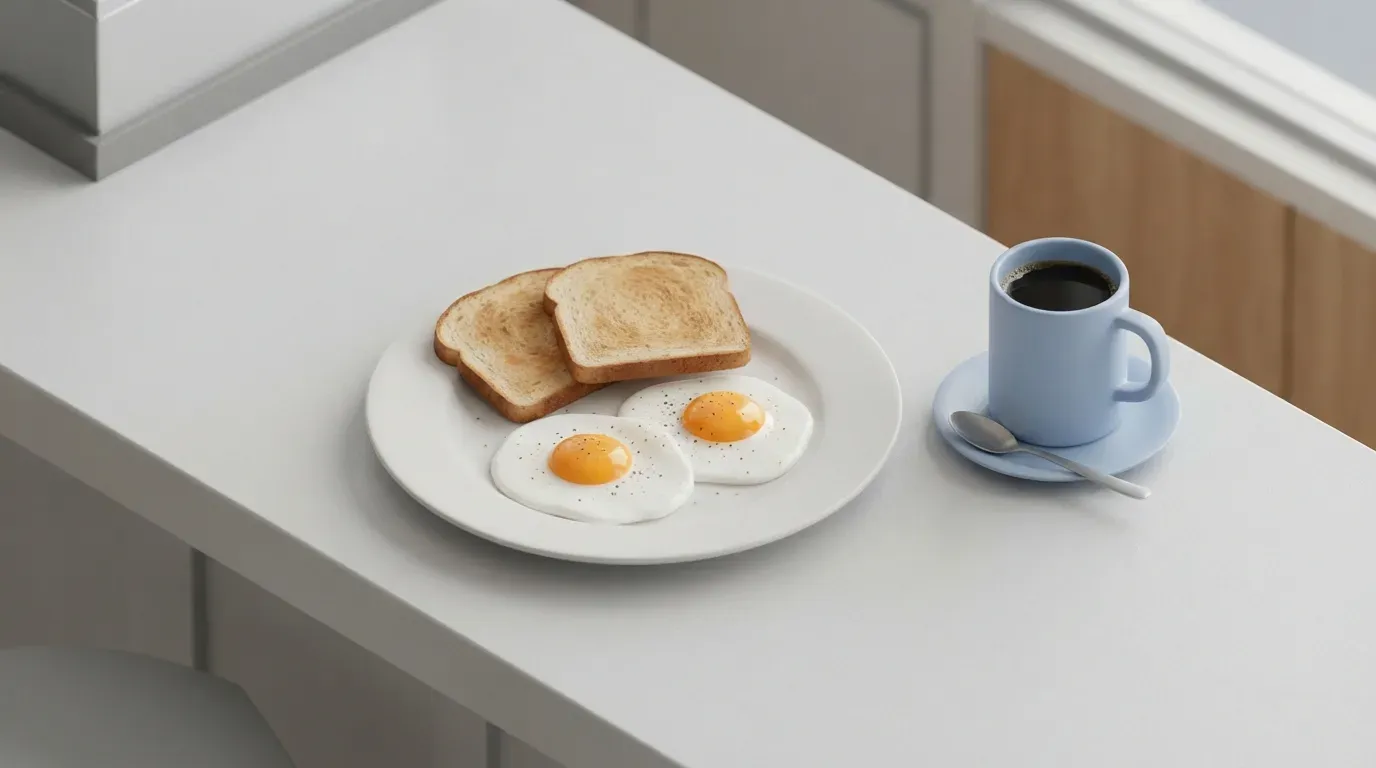 Lesson 11 · you're hereTwo eggs, sunny side up!Offers and orders with would like
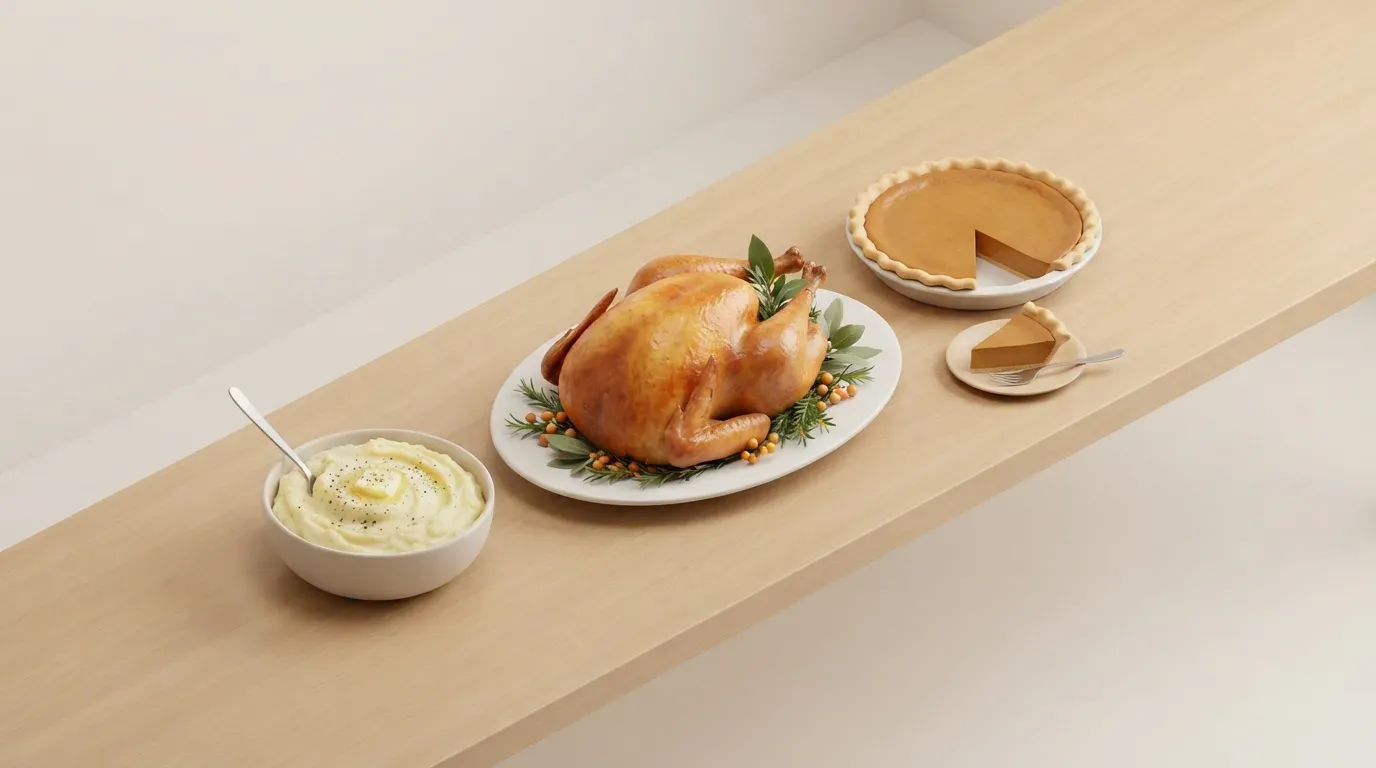 Lesson 12Cooking for twenty on ThanksgivingA few, a little and a lot of
Unit 4 City or country?
comparatives with more and less, superlatives, as … as, too and enough
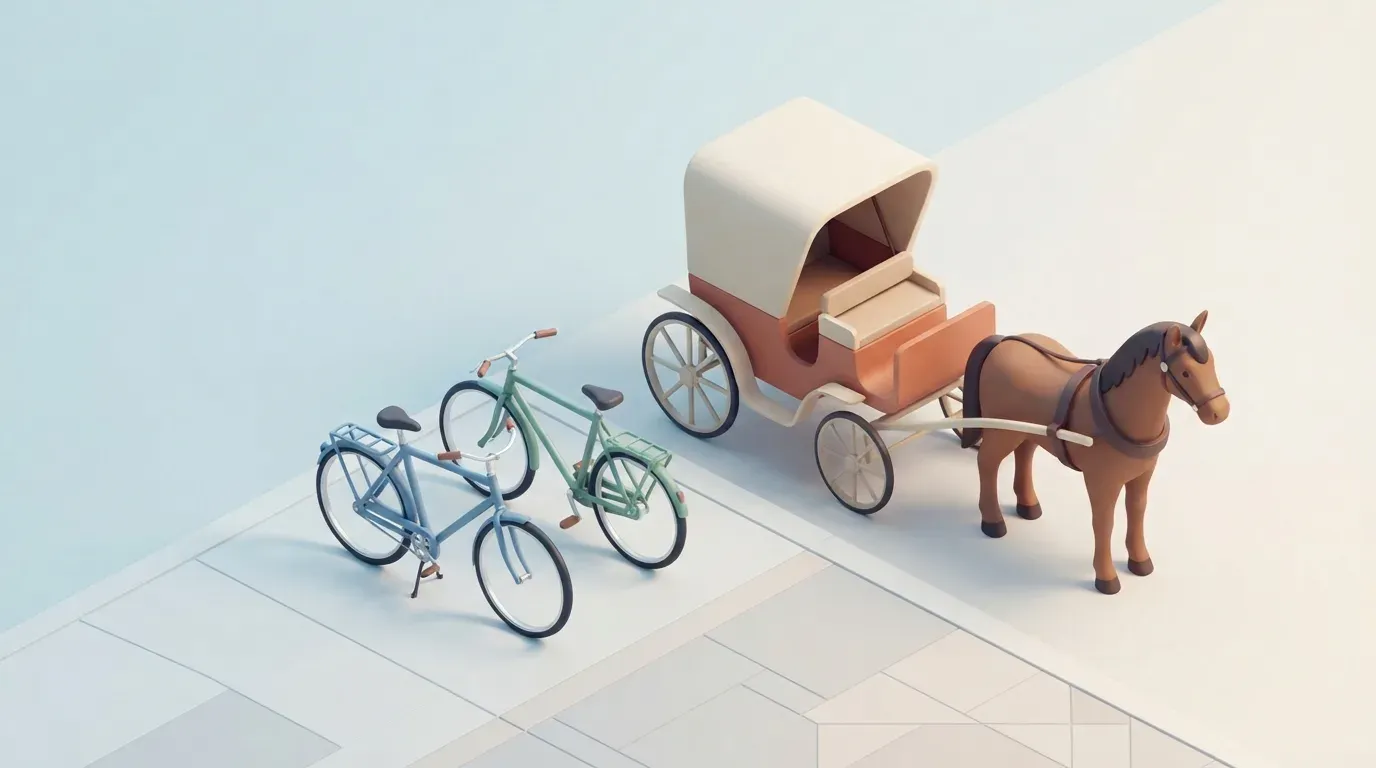 Lesson 13The island with no carsComparatives with more and less, plus better, worse and farther
 Lesson 14America's extremesSuperlatives with the + -est, the most and the least
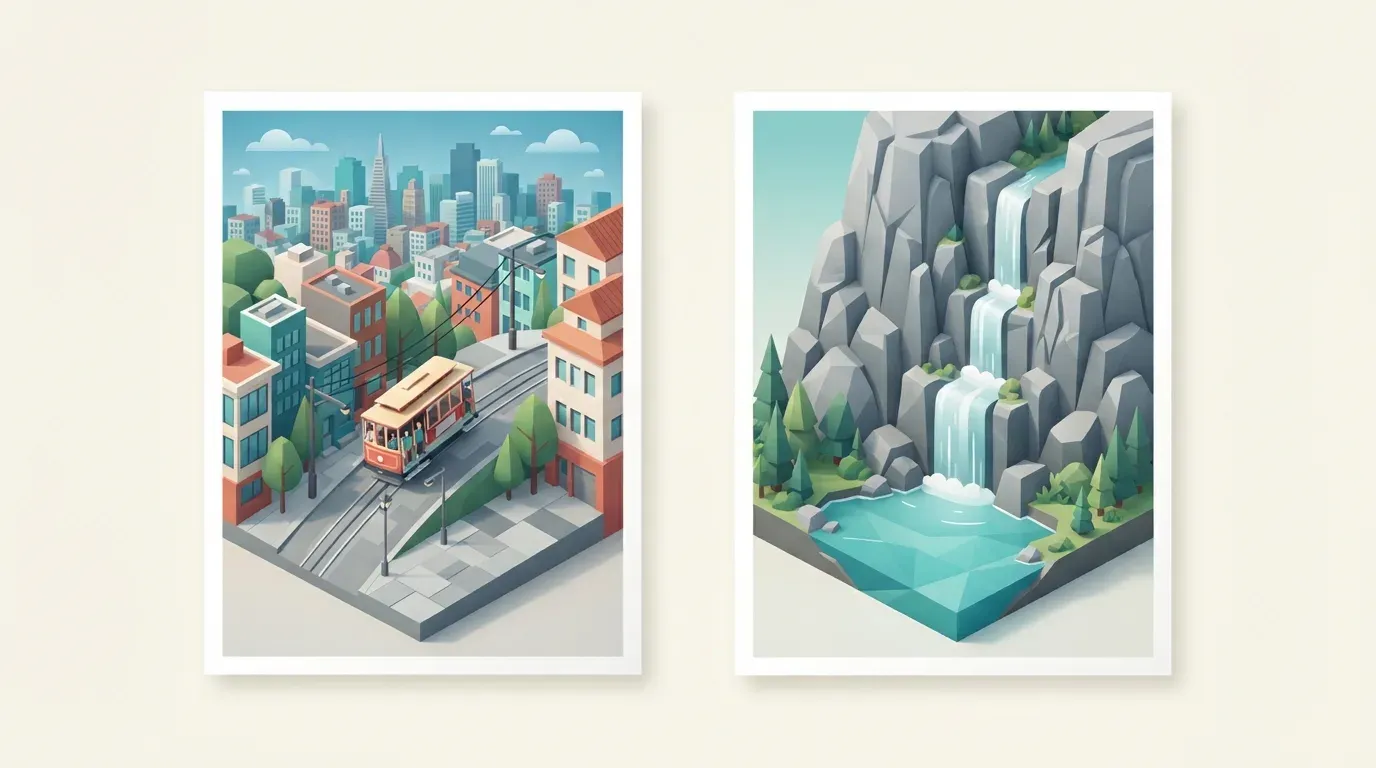 Lesson 15San Francisco or Yosemite? You choose!As … as for the same, not as … as for less
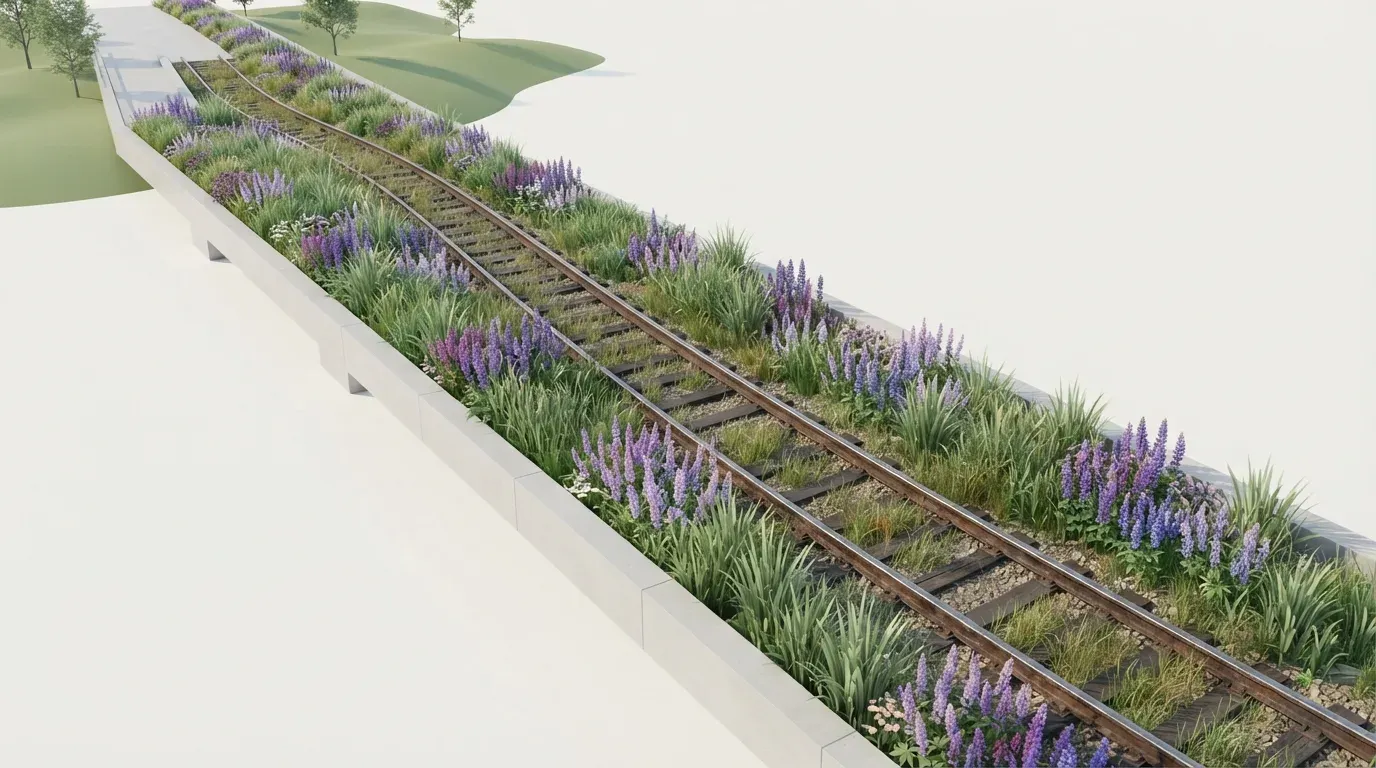 Lesson 16A park on an old railroadToo, enough and not … enough
Unit 5 Game on
play, go and do with sports, going to, adverbs of manner, reflexive pronouns
Unit 6 Music and nights out
love, enjoy and hate + -ing, the present continuous for plans, suggestions, to for purpose
 Lesson 21Where jazz was bornGerunds after love, like, enjoy, hate and don't mind
 Lesson 22Music on every streetThe present continuous for future arrangements
 Lesson 23A night on BroadwaySuggestions with Let's, Why don't we and How about
 Lesson 24An orchestra for every kidThe infinitive of purpose and to or for
Unit 7 Neighbors and community
much and many, should, something and everyone, because and so
 Lesson 25Everybody cleans up!Much and many with nouns you can and can't count
 Lesson 26Good neighbors shovel snowShould and shouldn't + the base verb
 Lesson 27Take a book, leave a bookIndefinite pronouns with some-, any-, no- and every-
 Lesson 28A bench for making friendsBecause for reasons, so for results
Unit 8 Plans and dreams
verb + to, the present continuous vs going to, might, when, before and after