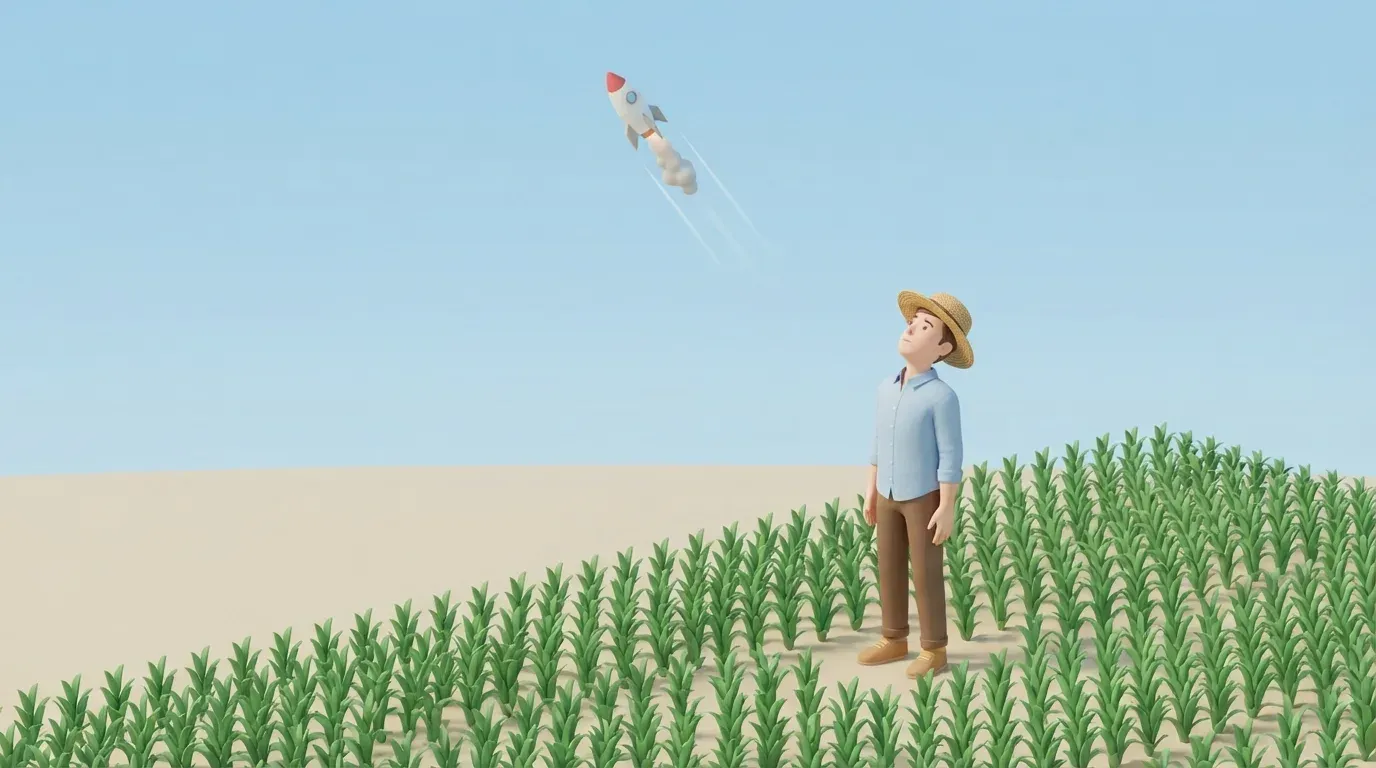
What's going to happen at LA 2028? Be going to for plans and predictions
About this lesson
This A2 ESL lesson plan teaches be going to for plans and predictions, built around the 2028 Olympics in Los Angeles.
- Grammar
- Am, is or are + going to + verb for plans (We're going to come back.) and for predictions from what you see (It isn't going to rain.), with questions and short answers.
- Topic
- The LA 2028 Olympic and Paralympic Games, from the old Coliseum to new Olympic sports, with words such as host, compete, athlete and flag football.
- Activities
- A news page to read, a dialogue outside the Coliseum and a voice message to hear, self-checking drills, a chat about the student's plans and open-box questions.
What's inside
Chapter 1Game on, LA!
Chapter 2Let's read: the LA 2028 plan
Chapter 3Let's listen: at the Coliseum
Chapter 4Grammar: we're going to come back
Chapter 5Let's talk: my plans for 2028
Chapter 6Homework
- Match the words and the meaningsMatchUnlock
- Unscramble the words from the lessonAnagramUnlock
- Fill in the gaps: words from the lessonFill in the gapsUnlock
- Choose the correct option: plans and predictionsChoose the optionUnlock
- Fill in the gaps: questions and short answersFill in the gapsUnlock
- Put the words in the correct orderUnjumbleUnlock
- Choose the correct answer: a plan or a prediction?QuizUnlock
- Drag the words into the gaps: Nora's postDrag and dropUnlock
- Choose the correct option: Glen's commentChoose the optionUnlock
Olympic sports vocabulary
10 words and phrases from the lesson, each with a picture and audio in edio.
+7 more with pictures and audio in the lessonMore words
- stadium
- arch
- flag football
- squash
- lacrosse
- cricket
- beach volleyball
Grammar: be going to for plans and predictions
The going to future talks about plans and about things you can already see coming. With the 2028 Games in Los Angeles, where every date is still a plan, learners build the form on am, is or are, tell a plan from a prediction, ask questions with short answers, and keep gonna for speech.
We're going to come back in 2028!
am / is / are + going to + verb: for plans, and for things we can see coming.
Be + going to + the base verb
Three parts make the form: am, is or are, then going to, then the base verb: I'm going to learn flag football. For the negative, not goes right after am, is or are: I'm not going to watch. It isn't going to rain.
The form
am / is / aregoing toverb
I'm going to learn flag football.
It isn't going to rain.
Are you going to watch the swimming?
Every person
| Who | ✓ | ✗ | ? |
|---|---|---|---|
| I | I'm going to watch. | I'm not going to watch. | Am I going to watch? |
| you | You're going to watch. | You aren't going to watch. | Are you going to watch? |
| he, she, it | She's going to watch. It's going to rain. | He isn't going to watch. It isn't going to rain. | Is she going to watch? Is it going to rain? |
| we | We're going to watch. | We aren't going to watch. | Are we going to watch? |
| they | They're going to watch. | They aren't going to watch. | Are they going to watch? |
A plan or a prediction?
A plan is already decided: We're going to come back in 2028. A prediction comes from what you see now: Look at that blue sky! It isn't going to rain. A city's plans can still change, so the news says The plan is: …
Two uses
A plan 📅
- I'm going to learn flag football.
- We're going to come back in 2028.
- The plan is: athletes are going to compete at the Coliseum.
A prediction: we can see it now 👀
- Look at that blue sky! It isn't going to rain.
- Biscuit is looking at the hot dog. He's going to steal it!
- The stadium is full of people. It's going to be loud!
Plans can change
A city or a team makes a plan, but plans can change. Say: The plan is: the Olympics are going to start on July 14.
Questions, short answers and time words
Questions start with am, is or are: Are you going to watch? Short answers repeat that verb, in full after yes: Yes, I am. No, it isn't. Question words go first (Where are the swimmers going to swim?), and time words like next summer or in 2028 say when.
Questions and answers
| Question | Answer |
|---|---|
| Are you going to watch? | Yes, I am. / No, I'm not. |
| Is it going to rain? | Yes, it is. / No, it isn't. |
| Are they going to compete? | Yes, they are. / No, they aren't. |
| Where are the swimmers going to swim? | In the stadium in Inglewood. |
| What are you going to watch? | I'm going to watch the swimming. |
Time words for plans
- tonight
- tomorrow
- this weekend
- next week
- next summer
- in 2028
- soon
Gonna in speech, going to in writing
In fast speech, Americans often say gonna: I'm gonna watch. In writing, use going to: I'm going to film the races. And the to never drops out: Are you going to watch?, not Are you going watch?
Say gonna, write going to
In fast speech, Americans often say gonna: I'm gonna watch. In writing, use going to: I'm going to watch.
Common mistakes
I going to watch the races.
I'm going to watch the races.
don't forget am, is or are
We're going to came back.
We're going to come back.
going to + the base verb: come, not came
I'm go to learn flag football.
I'm going to learn flag football.
going to, not go to
Are you going watch the swimming?
Are you going to watch the swimming?
don't forget to
More lessons on this grammar: Future tenses lessons and exercises
Try the going to exercises
Try them yourself: these are the same exercises your students do in edio.
What's in the lesson
- 17 auto-checked exercises
- 4 games
- 1 real-life document
- 1 grammar scheme
- 1 set of word cards
- 2 audio clips
- 2 pictures
- 2 transcripts
The main objectives of this lesson are to:
- talk about plans with am, is or are + going to + verb: I'm going to learn flag football.
- make predictions from what they can see: Look at that blue sky! It isn't going to rain.
- ask and answer questions: Are you going to watch the Games? – Yes, I am. Where are the swimmers going to swim?
- say gonna in fast speech but write going to, with the base verb after it: come, not came
Lesson 18 is the second lesson of Game on, the fifth unit of English A2.1 · Then and Now. It builds on the present continuous of A1.2 lessons 7 and 22, whose am, is and are, negatives and questions come back in Are you going to watch? A2.1 lesson 30 then sets going to against the present continuous for plans, and A2.2 lesson 30 against will. Every date for the 2028 Games is still a plan, which is why the news page describes them with going to.
Students spin a wheel of questions about sports and big events, then learn ten words, from compete and host to lacrosse and beach volleyball, with pictures and audio. They read a news page on the plans for LA 2028, then listen to Nora and Marco (an AI-voiced dialogue) plan a trip outside the Coliseum and to a voice message with a challenge: tell a local your plans for 2028. The grammar chapter pairs the scheme with four drills that mark themselves, including a table that turns plans into negatives and questions. In the speaking chapter, Marco asks about the student's plans in a chat, and open boxes ask for weekend plans and a prediction from the window.
The homework checks itself: matching and unscrambling the words, gap-fills of questions and short answers, sentences to order, a quiz on plan or prediction, and a post and a viewer's comment to complete.
- Grammar:
- going to · plans · predictions · be going to: questions and negatives · short answers
- Topic:
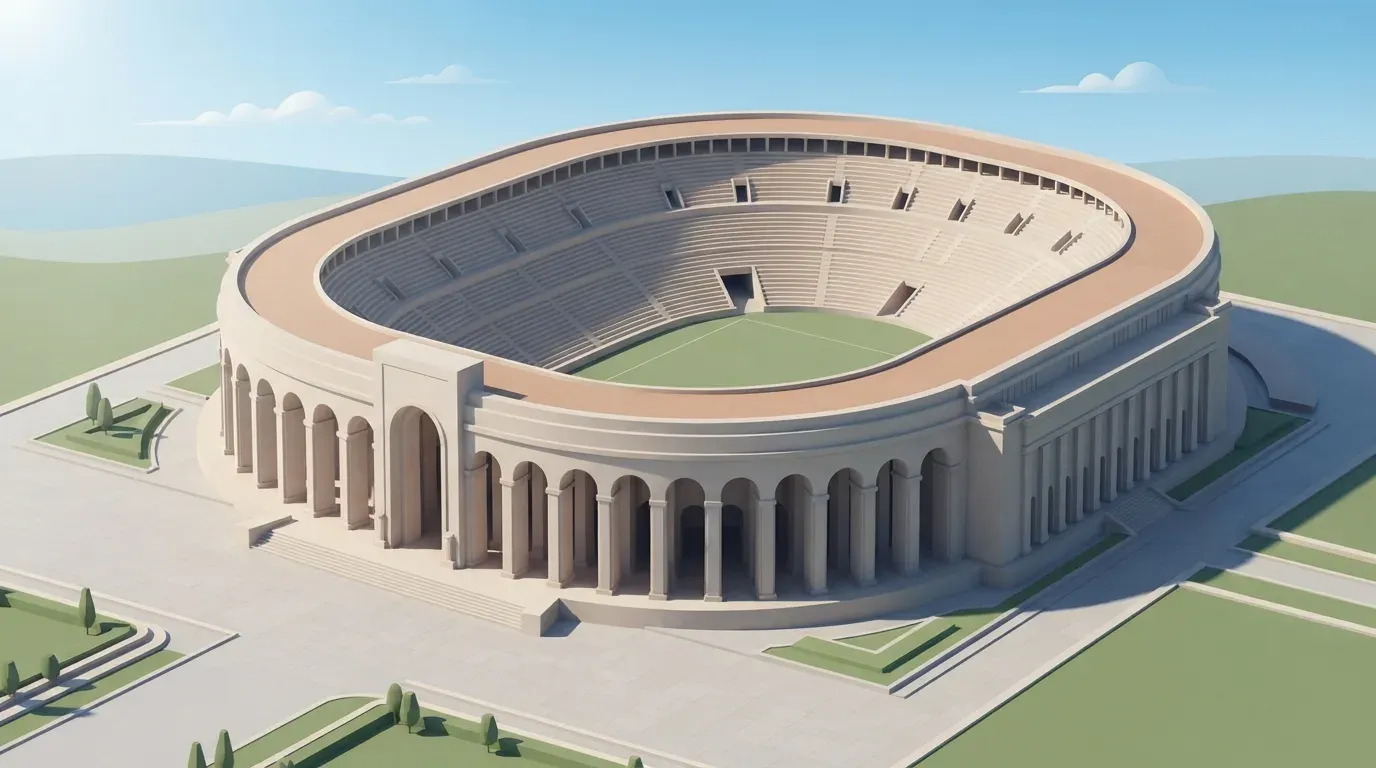
- LA 2028 · the Olympic Games · the Paralympic Games · Los Angeles · the LA Memorial Coliseum · new Olympic sports · beach volleyball · flag football · the 1932 Olympic Games
Teaching tips
- Make predictions from a picture: show dark clouds, a full stadium or a dog next to a hot dog, and ask What's going to happen? Students answer It's going to rain. or He's going to steal it!
- Before the news page, ask which sports might be new at the 2028 Olympics. Students guess, then read to check which are going to be new and which are going to come back.
- Play the dialogue outside the Coliseum twice: first for each person's plan, then for the predictions, which students mark by raising a hand.
- After the chat, run a plans interview in pairs: one asks What are you going to do next summer? and Are you going to watch the Games?, the other gives a short answer and one more sentence.
Liked it?
Teach the whole lesson in edio
30 exercises in 6 chapters, ready to teach. edio is an online platform for language schools and teachers: ready-made interactive lessons, live classes, homework and student progress in one place.
Start a free trial
7 days, no credit card.
Open the lesson
Find it in the library of 621 ready lessons. Teach it as it is, or copy any chapter into your own lessons.
Teach it live or as homework
Students work in their own accounts, in sync with you during the lesson, and the practice exercises check themselves.
The whole course: English A2.1 · Then and Now
32 lessons for adults at A2 in simple American English, from the past simple to going to, should and might. Eight units tell stories of journeys, American firsts, food, places, sports, music, neighbors and dreams. Pictures and definitions replace translations, and the practice exercises check themselves.See the course
Unit 1 Amazing journeys
the past simple, regular and irregular verbs, negatives, prepositions of movement
Unit 2 American firsts
was and were, past questions and short answers, ago and in, could for past ability
Unit 3 American food
countable and uncountable nouns, comparatives, ordering food, a few and a little
Unit 4 City or country?
comparatives with more and less, superlatives, as … as, too and enough
 Lesson 13The island with no carsComparatives with more and less, plus better, worse and farther
 Lesson 14America's extremesSuperlatives with the + -est, the most and the least
 Lesson 15San Francisco or Yosemite? You choose!As … as for the same, not as … as for less
 Lesson 16A park on an old railroadToo, enough and not … enough
Unit 5 Game on
play, go and do with sports, going to, adverbs of manner, reflexive pronouns
 Lesson 17Basketball started with peach baskets?Play, go and do with sports
 Lesson 18 · you're hereWhat's going to happen at LA 2028?Be going to for plans and predictions
 Lesson 19Pickleball: a game from a backyardAdverbs of manner
 Lesson 20Be brave and tryReflexive pronouns and each other
Unit 6 Music and nights out
love, enjoy and hate + -ing, the present continuous for plans, suggestions, to for purpose
 Lesson 21Where jazz was bornGerunds after love, like, enjoy, hate and don't mind
 Lesson 22Music on every streetThe present continuous for future arrangements
 Lesson 23A night on BroadwaySuggestions with Let's, Why don't we and How about
 Lesson 24An orchestra for every kidThe infinitive of purpose and to or for
Unit 7 Neighbors and community
much and many, should, something and everyone, because and so
 Lesson 25Everybody cleans up!Much and many with nouns you can and can't count
 Lesson 26Good neighbors shovel snowShould and shouldn't + the base verb
 Lesson 27Take a book, leave a bookIndefinite pronouns with some-, any-, no- and every-
 Lesson 28A bench for making friendsBecause for reasons, so for results
Unit 8 Plans and dreams
verb + to, the present continuous vs going to, might, when, before and after