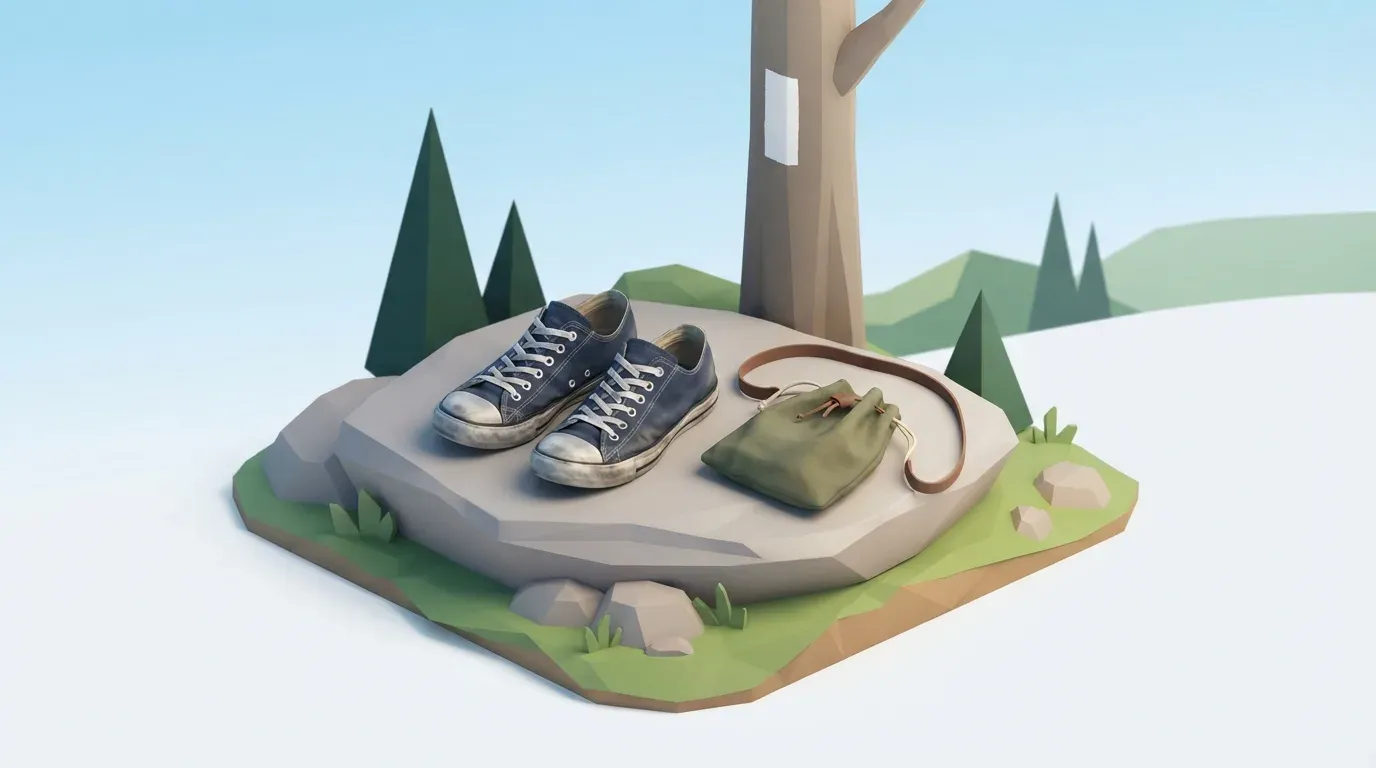
Good neighbors shovel snow: should and shouldn't for giving advice
About this lesson
This A2 ESL lesson plan teaches should and shouldn't for advice on a snowy New York street, where neighbors clear their own sidewalks.
- Grammar
- Should and shouldn't + the base verb, unchanged for every person (You should clear the path.), questions with Should I…? and What should we do?, and I think you should… for friendly advice.
- Topic
- Winter in New York City, where building owners clear the sidewalk after snow, with words such as shovel, snowplow, slush and nor'easter.
- Activities
- A city notice on clearing snow, two listenings from a snowy morning, self-checking drills, a chat in which a friend asks for advice, and open boxes of winter problems.
What's inside
Chapter 1Hello, snow!
Chapter 2Let's read: the sidewalk rule
Chapter 3Let's listen: a snowy morning
Chapter 4Grammar: you should, you shouldn't
Chapter 5Let's talk: good advice
Chapter 6Homework
- Match the words and the meaningsMatchUnlock
- Unscramble the wordsAnagramUnlock
- Fill in the gaps with the wordsFill in the gapsUnlock
- Fill in the table: questions with shouldFill in the tableUnlock
- Choose the correct option: snow-day adviceChoose the optionUnlock
- Put the words in the right order: questions and adviceUnjumbleUnlock
- Sort the advice: should or shouldn't?Sort into columnsUnlock
- Drag the words into the gaps: Nora's postDrag and dropUnlock
Winter vocabulary
10 words and phrases from the lesson, each with a picture and audio in edio.
+7 more with pictures and audio in the lessonMore words
- fire hydrant
- snowplow
- snow day
- nor'easter
- stuck
- sled
- slush
Grammar: should and shouldn't + the base verb
Should says something is a good idea, and shouldn't says it's a bad one. After a nor'easter, there is advice to give at every step, from You should spread some salt to You shouldn't push the snow into the street. Learners put the base verb after should for every person, ask Should I…? and tell advice from a law.
You should clear the path.
should = a good idea. shouldn't = a bad idea. After them: the base verb.
Should or shouldn't, then the base verb
Advice has three parts: the person, should or shouldn't, and the verb in its base form. You should clear the path. He shouldn't eat street snow. Shouldn't is short for should not, and to never comes between should and the verb.
I, you, he, she, it, we, theyshould / shouldn't (= should not)base verb
You should clear the path.
Biscuit shouldn't eat street snow.
The same form for every person
Should never changes: I should walk slowly, she should shovel the path, they should clear the fire hydrant. Unlike most verbs, it takes no -s, and neither does the verb that follows, which has no -ed either: She should clean it, not She should cleans it.
| Who | ✓ a good idea | ✗ a bad idea |
|---|---|---|
| I | I should walk slowly. | I shouldn't run on the ice. |
| you | You should wear warm boots. | You shouldn't use hot water on ice. |
| he | He should help his neighbor. | He shouldn't eat street snow. |
| she | She should shovel the path. | She shouldn't leave the snow there. |
| it | The path? It should be wide. | It shouldn't be narrow. |
| we | We should spread salt. | We shouldn't wait all day. |
| they | They should clear the fire hydrant. | They shouldn't push snow into the street. |
Asking for advice: Should I…?
Questions start with should, with no do: Should I bring a shovel? The short answers are Yes, you should and No, you shouldn't. For open questions, the question word comes first: What should I do? What should we wear?
Ask for advice
| Question | Answer |
|---|---|
| Should I bring a shovel? | Yes, you should. / No, you shouldn't. |
| Should we push the Toaster? | No, you shouldn't. It's too heavy! |
| What should I do? | You should spread some salt. |
| What should we wear? | I think you should wear warm boots. |
Advice on a snowy morning
- What should I do? Should I push it?
- No, you shouldn't. It's too heavy.
- He shouldn't eat street snow.
- You should spread some salt first.
I think you should…
I think in front makes advice friendlier: I think you should walk slowly. I think he should wear a hat. It's a natural reply to What should I do?, and the verb after should keeps its base form.
I think you should…
Want to sound friendly? Start with I think: I think you should walk slowly. I think he should wear a hat. Ask for advice with Should I…? or What should I do?
Advice or a law?
Should is advice: Good neighbors should help. A city law is stronger, and the rule itself says must: In New York, owners must clear the sidewalk. Learners only meet must here; it is taught in A2.2.
Advice or a law?
should is advice, a good idea: Good neighbors should help. A city law is stronger: in New York, owners must clear the sidewalk. You learn must in A2.2.
Common mistakes
You should to clear the path.
You should clear the path.
no to after should
He shoulds help. She should cleans it.
He should help. She should clean it.
no -s: should is the same for every person
Do I should bring a shovel?
Should I bring a shovel?
questions: Should I…? (no do)
You should cleared the snow.
You should clear the snow.
should + base verb, no -ed
More lessons on this grammar: Modal verbs lessons and exercises
Try the should exercises
Try them yourself: these are the same exercises your students do in edio.
What's in the lesson
- 15 auto-checked exercises
- 5 games
- 1 real-life document
- 1 grammar scheme
- 1 set of word cards
- 2 audio clips
- 2 pictures
- 2 transcripts
The main objectives of this lesson are to:
- give advice with should and the base verb: You should wear warm boots. We should spread salt.
- warn against a bad idea with shouldn't: You shouldn't use hot water on ice.
- ask for advice and answer: Should I bring a shovel? – Yes, you should. What should I do?
- make advice sound friendly with I think: I think you should walk slowly.
Lesson 26 comes second in Neighbors and community, unit 7 of English A2.1 · Then and Now. Advice follows on from the suggestions of A2.1 lesson 23 (Let's…, Why don't we…?, How about…?), and should works like could from lesson 8, with the base verb after it. Must and mustn't follow in A2.2 lesson 22. New York's sidewalk rule turns a snowy morning into a list of things neighbors should and shouldn't do.
A spin of the wheel about snow and cold days comes first, then ten winter words with pictures and audio, shovel, slush, snowplow and nor'easter among them. Students read a city notice on who clears the sidewalk and how fast, then listen to Marco and his neighbor Ruth on a snowy morning and to a voice message from Grandpa, both AI-voiced. In the grammar chapter, every drill after the scheme checks itself: students choose between should and shouldn't, fill gaps marked +, – or ?, put advice in order and pick the right sentence. A chat with a friend who needs advice follows, and open boxes bring problems such as a friend who is very cold.
The homework's eight tasks all check themselves: matching the new words to their meanings, unscrambling them and putting them in gaps, a table that turns advice into Should…? questions, snow-day advice to choose, word order, a sort of what a good neighbor should and shouldn't do, and a post to complete by drag-and-drop.
- Grammar:
- should / shouldn't · advice · Should I…? · What should we do? · I think you should…
- Topic:
- New York in winter · snow · neighbors · the sidewalk snow rule · nor'easter · snow days
Teaching tips
- Start with a problem on the board: It's icy. My car is stuck. Students call out advice with You should… and You shouldn't…, and you sort their ideas into two columns.
- Before the city notice, ask who clears the sidewalk where students live. The notice then shows how New York's rule works, with its time limits and a path at least 4 feet wide.
- Pause the snowy-morning dialogue after each question, such as Should I push it?, and let students guess the neighbor's answer before they hear it.
- Make the open boxes a role-play: one student reads a box as a problem, such as a first nor'easter, and the partner answers with two pieces of advice, one with should and one with shouldn't.
Liked it?
Teach the whole lesson in edio
29 exercises in 6 chapters, ready to teach. edio is an online platform for language schools and teachers: ready-made interactive lessons, live classes, homework and student progress in one place.
Start a free trial
7 days, no credit card.
Open the lesson
Find it in the library of 621 ready lessons. Teach it as it is, or copy any chapter into your own lessons.
Teach it live or as homework
Students work in their own accounts, in sync with you during the lesson, and the practice exercises check themselves.
The whole course: English A2.1 · Then and Now
32 lessons for adults at A2 in simple American English, from the past simple to going to, should and might. Eight units tell stories of journeys, American firsts, food, places, sports, music, neighbors and dreams. Pictures and definitions replace translations, and the practice exercises check themselves.See the course
Unit 1 Amazing journeys
the past simple, regular and irregular verbs, negatives, prepositions of movement
Unit 2 American firsts
was and were, past questions and short answers, ago and in, could for past ability
Unit 3 American food
countable and uncountable nouns, comparatives, ordering food, a few and a little
Unit 4 City or country?
comparatives with more and less, superlatives, as … as, too and enough
 Lesson 13The island with no carsComparatives with more and less, plus better, worse and farther
 Lesson 14America's extremesSuperlatives with the + -est, the most and the least
 Lesson 15San Francisco or Yosemite? You choose!As … as for the same, not as … as for less
 Lesson 16A park on an old railroadToo, enough and not … enough
Unit 5 Game on
play, go and do with sports, going to, adverbs of manner, reflexive pronouns
Unit 6 Music and nights out
love, enjoy and hate + -ing, the present continuous for plans, suggestions, to for purpose
 Lesson 21Where jazz was bornGerunds after love, like, enjoy, hate and don't mind
 Lesson 22Music on every streetThe present continuous for future arrangements
 Lesson 23A night on BroadwaySuggestions with Let's, Why don't we and How about
 Lesson 24An orchestra for every kidThe infinitive of purpose and to or for
Unit 7 Neighbors and community
much and many, should, something and everyone, because and so
 Lesson 25Everybody cleans up!Much and many with nouns you can and can't count
 Lesson 26 · you're hereGood neighbors shovel snowShould and shouldn't + the base verb
 Lesson 27Take a book, leave a bookIndefinite pronouns with some-, any-, no- and every-
 Lesson 28A bench for making friendsBecause for reasons, so for results
Unit 8 Plans and dreams
verb + to, the present continuous vs going to, might, when, before and after