A real bug in the computer: past simple questions with did and short answers
About this lesson
An A2 ESL lesson plan on past simple questions with did and short answers, about the moth engineers found in a computer in 1947.
- Grammar
- Did + subject + base verb, the same for every person (Did they find a moth?), short answers (Yes, they did.), and Was or Were…? for be.
- Topic
- Computer history in Cambridge, Massachusetts, where engineers found a moth in Harvard's Mark II in 1947, with words such as bug, logbook, tweezers and engineer.
- Activities
- A museum notice, a guide's tour and a grandpa's challenge to hear, self-checking drills, a chat with a viewer, a warm-up wheel and open boxes of yes-or-no questions.
What's inside
Chapter 1Bugs and machines!
Chapter 2Let's read: a moth in the machine
Chapter 3Let's listen: at the exhibit
Chapter 4Grammar: Did they find it? Yes, they did!
Chapter 5Let's talk: yes or no?
Chapter 6Homework
- Match the words and the meaningsMatchUnlock
- Unscramble the words: bugs and machinesAnagramUnlock
- Drag the words into the gapsDrag and dropUnlock
- Put the words in the correct orderUnjumbleUnlock
- Fill in the gaps: write the short answersFill in the gapsUnlock
- Choose the correct option: Did, Was or Were?Choose the optionUnlock
- Choose the correct sentenceQuizUnlock
- Choose the correct option: Nora's chat with GrandpaChoose the optionUnlock
Vocabulary
10 words and phrases from the lesson, each with a picture and audio in edio.
+7 more with pictures and audio in the lessonMore words
- moth
- bug
- logbook
- tweezers
- engineer
- switch
- exhibit
Grammar: past simple questions with did
Past simple questions with did ask whether something happened: Did the engineers find a moth? Starting from a real logbook page of 1947, learners build each question from Did, subject and base verb, answer with did or didn't, and keep Was and Were for be. Simple past questions with When or Where come in the next lesson.
Did they find a moth? Yes, they did.
Yes/no questions in the past: Did + who + base form? The same for every person.
Did for every person
Did never changes with the person: Did I work? Did she work? Did they work? Short answers stop at did or didn't, right after the pronoun: Yes, she did. No, they didn't.
| Who | Question | Yes | No |
|---|---|---|---|
| I | Did I work? | Yes, I did. | No, I didn't. |
| you | Did you work? | Yes, you did. | No, you didn't. |
| he | Did he work? | Yes, he did. | No, he didn't. |
| she | Did she work? | Yes, she did. | No, she didn't. |
| it | Did it work? | Yes, it did. | No, it didn't. |
| we | Did we work? | Yes, we did. | No, we didn't. |
| they | Did they work? | Yes, they did. | No, they didn't. |
From a sentence to a question
Put Did before the subject, and the verb goes back to its base form: They found a moth becomes Did they find a moth?, and She worked on the Mark II becomes Did she work on the Mark II? The past now sits in did, not in the verb.
| Sentence | Question |
|---|---|
| They found a moth. | Did they find a moth? |
| She worked on the Mark II. | Did she work on the Mark II? |
| He fixed his phone. | Did he fix his phone? |
| They taped it into the logbook. | Did they tape it into the logbook? |
Did or was and were?
Be makes its questions without did: Was it a real bug? Yes, it was. Were the engineers at Harvard? Yes, they were. All other verbs need Did: Did the Mark II stay at Harvard? No, it didn't. Look for a form of be first.
Other verbs: Did + base form
- Did Edison use the word “bug”? – Yes, he did.
- Did the Mark II stay at Harvard? – No, it didn't.
be: Was / Were, no did
- Was it a real bug? – Yes, it was.
- Were the engineers at Harvard? – Yes, they were.
Questions about the moth
The examples ask about the logbook page itself: Did they throw it away? No, they didn't. Did Grace Hopper tell the story? Yes, she did. One of them, Was the moth in a relay?, has was, so its answer is Yes, it was.
- Did the engineers find a moth? – Yes, they did.
- Did they throw it away? – No, they didn't.
- Did Grace Hopper tell the story? – Yes, she did.
- Did the moth start the word “bug”? – No, it didn't.
- Was the moth in a relay? – Yes, it was.
After Did: the base form
Did shows the past, so the verb goes back to its base form: Did they find a moth? (Not: Did they found…?) Short answers have only did or didn't (= did not): Yes, they did. No, they didn't. (Not: Yes, they found. / Yes, they did found.)
Now or in the past?
Now: Do you…? Does she…? In the past: Did for every person: Did she find her keys yesterday? (Not: Do she find her keys yesterday?) With be, there is no did: Was she at home? (Not: Did she was at home?)
Common mistakes
Did she found her keys?
Did she find her keys?
Did + base form
Did she was at home?
Was she at home?
be: Was / Were…?
Yes, she found. / Yes, she did found.
Yes, she did.
short answer: only did
Do she find her keys yesterday?
Did she find her keys yesterday?
the past: Did
More lessons on this grammar: Past simple lessons and exercises · Questions lessons and exercises
Try the past simple questions exercises
Try them yourself: these are the same exercises your students do in edio.
What's in the lesson
- 16 auto-checked exercises
- 4 games
- 1 real-life document
- 1 grammar scheme
- 1 set of word cards
- 2 audio clips
- 3 pictures
- 2 transcripts
The main objectives of this lesson are to:
- ask about the past with Did and the base verb: Did they find a moth? Did she work on the Mark II?
- give short answers with did and didn't: Yes, they did. No, it didn't.
- turn a past sentence into a question: He fixed his phone becomes Did he fix his phone?
- choose Was or Were when the verb is be: Was it a real bug? Yes, it was.
Lesson 6 is the second of four in American firsts, unit 2 of English A2.1 · Then and Now. It builds on A2.1 lesson 5, which practiced Was she…? and Were they…? with short answers, and on A1.2 lesson 6, where questions started with Does. Lesson 7 adds question words: When did Bell make his first call? A moth taped into a 1947 logbook invites just these questions: Did they throw it away? Did Grace Hopper find it?
Students spin a wheel of questions about museums, bugs and broken machines, then learn ten words, from fix and search to tweezers and switch, with pictures and audio. They read a museum notice from a computer history exhibit in Cambridge, Massachusetts, and check it with true-or-false and multiple-choice questions. Two AI-voiced listenings follow: Nora's tour with Gus, the guide, and Grandpa's challenge to ask only Did…? questions. The grammar chapter has the scheme and four self-checking exercises, among them a drag-and-drop of short answers. In the speaking chapter, students reply to a viewer's comments in a chat, then open boxes with yes-or-no prompts.
All eight homework tasks check themselves: a word match, an anagram and a drag-and-drop for the vocabulary, then word order, gaps for short answers, a choice of Did, Was or Were, a quiz on correct questions and a chat with Grandpa to complete.
- Grammar:
- past simple · yes/no questions · short answers · Did…? · Was / Were…?
- Topic:
- computer history · Grace Hopper · the Harvard Mark II · bugs · Cambridge, Massachusetts · Grandpa's Map
Teaching tips
- Let students guess before the notice: Did the engineers throw the moth away? Did it start the word “bug”? They answer Yes, they did or No, it didn't, then read to check.
- Split the board into Did and Was or Were: say half a question, such as … you tired last night? or … you sleep well?, and students call out the missing word.
- Have pairs play guide and visitor: the visitor asks Did…? questions about the logbook page, and the guide may answer only Yes, they did, No, they didn't or We don't know.
- Turn phone trouble into questions: one student names a phone or computer problem from last month, and the class asks Did you fix it? Did you call someone? until the whole story is out.
Liked it?
Teach the whole lesson in edio
30 exercises in 6 chapters, ready to teach. edio is an online platform for language schools and teachers: ready-made interactive lessons, live classes, homework and student progress in one place.
Start a free trial
7 days, no credit card.
Open the lesson
Find it in the library of 621 ready lessons. Teach it as it is, or copy any chapter into your own lessons.
Teach it live or as homework
Students work in their own accounts, in sync with you during the lesson, and the practice exercises check themselves.
The whole course: English A2.1 · Then and Now
32 lessons for adults at A2 in simple American English, from the past simple to going to, should and might. Eight units tell stories of journeys, American firsts, food, places, sports, music, neighbors and dreams. Pictures and definitions replace translations, and the practice exercises check themselves.See the course
Unit 1 Amazing journeys
the past simple, regular and irregular verbs, negatives, prepositions of movement
Unit 2 American firsts
was and were, past questions and short answers, ago and in, could for past ability
 Lesson 5The first American woman in spaceWas, were, there was and there were
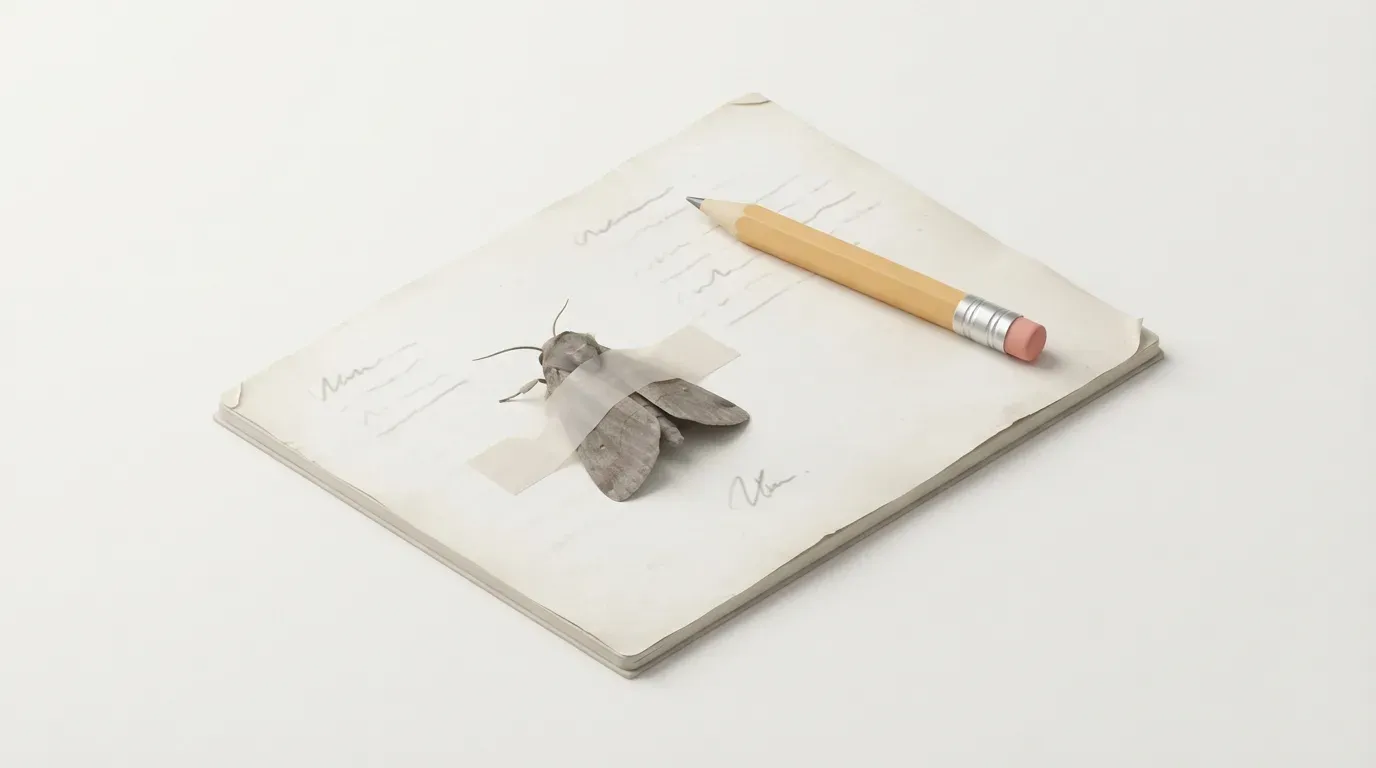 Lesson 6 · you're hereA real bug in the computerPast simple questions with did
 Lesson 7“Mr. Watson, come here”Wh- questions in the past simple
 Lesson 8Twelve seconds in the airCould and couldn't for past ability
Unit 3 American food
countable and uncountable nouns, comparatives, ordering food, a few and a little
Unit 4 City or country?
comparatives with more and less, superlatives, as … as, too and enough
 Lesson 13The island with no carsComparatives with more and less, plus better, worse and farther
 Lesson 14America's extremesSuperlatives with the + -est, the most and the least
 Lesson 15San Francisco or Yosemite? You choose!As … as for the same, not as … as for less
 Lesson 16A park on an old railroadToo, enough and not … enough
Unit 5 Game on
play, go and do with sports, going to, adverbs of manner, reflexive pronouns
Unit 6 Music and nights out
love, enjoy and hate + -ing, the present continuous for plans, suggestions, to for purpose
 Lesson 21Where jazz was bornGerunds after love, like, enjoy, hate and don't mind
 Lesson 22Music on every streetThe present continuous for future arrangements
 Lesson 23A night on BroadwaySuggestions with Let's, Why don't we and How about
 Lesson 24An orchestra for every kidThe infinitive of purpose and to or for
Unit 7 Neighbors and community
much and many, should, something and everyone, because and so
 Lesson 25Everybody cleans up!Much and many with nouns you can and can't count
 Lesson 26Good neighbors shovel snowShould and shouldn't + the base verb
 Lesson 27Take a book, leave a bookIndefinite pronouns with some-, any-, no- and every-
 Lesson 28A bench for making friendsBecause for reasons, so for results
Unit 8 Plans and dreams
verb + to, the present continuous vs going to, might, when, before and after