Future tenses: ESL lesson plans and exercises
Levels A2 to C1 20 lesson plans · 10 drill lessons Exercises that check themselves
English talks about the future with several forms, each for its own situation: I'll help, It's going to rain, We're meeting at six, The bus leaves at noon. This page groups 20 ready-made lessons on future tenses from the edio.ai library, levels A2 to C1, all interactive and in American English. Work through a few of their exercises, compare the forms in the lessons' grammar schemes, from going to and will to the future perfect, and choose a lesson for your class by level. The practice in every lesson checks itself as students work.
Future tenses lesson plans and drills
20 lesson plans and 10 drill lessons, A2 to C1. Lesson plans are whole lessons with reading, listening and speaking; drill lessons are 44 to 46 self-checking exercises with no new words.
 A2Lesson planEnglish A2.1
What's going to happen at LA 2028?
 A2Lesson planEnglish A2.1
Music on every street
 A2Lesson planEnglish A2.1
Across America by train
 A2Lesson planEnglish A2.2
Why does school start later in California?
 A2Lesson planEnglish A2.2
Is spring going to come early?
 A2DrillsGrammar Practice · A2
Be going to: what's your plan?
 A2DrillsGrammar Practice · A2
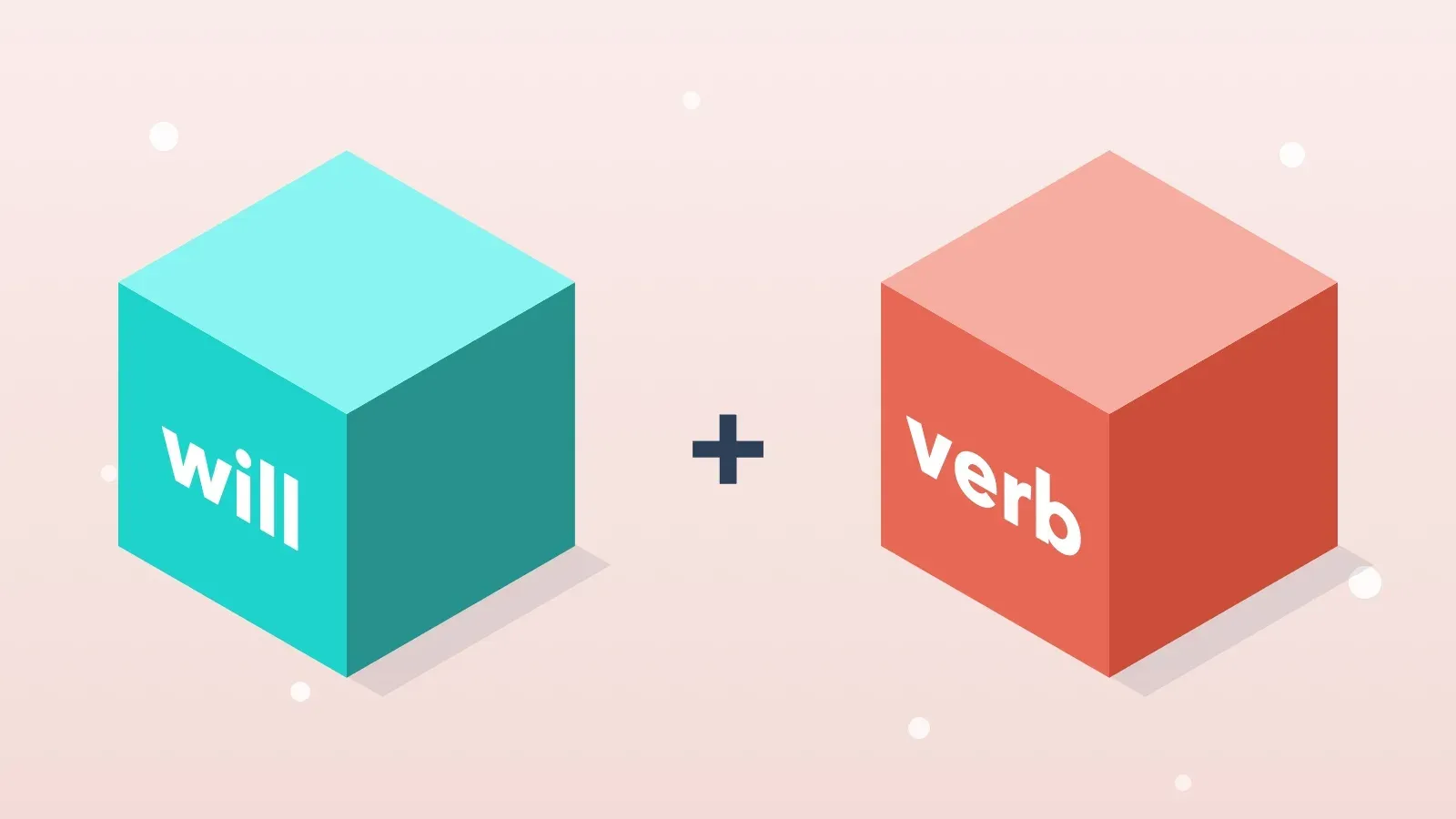
Will: what will the future bring?
 A2DrillsGrammar Practice · A2
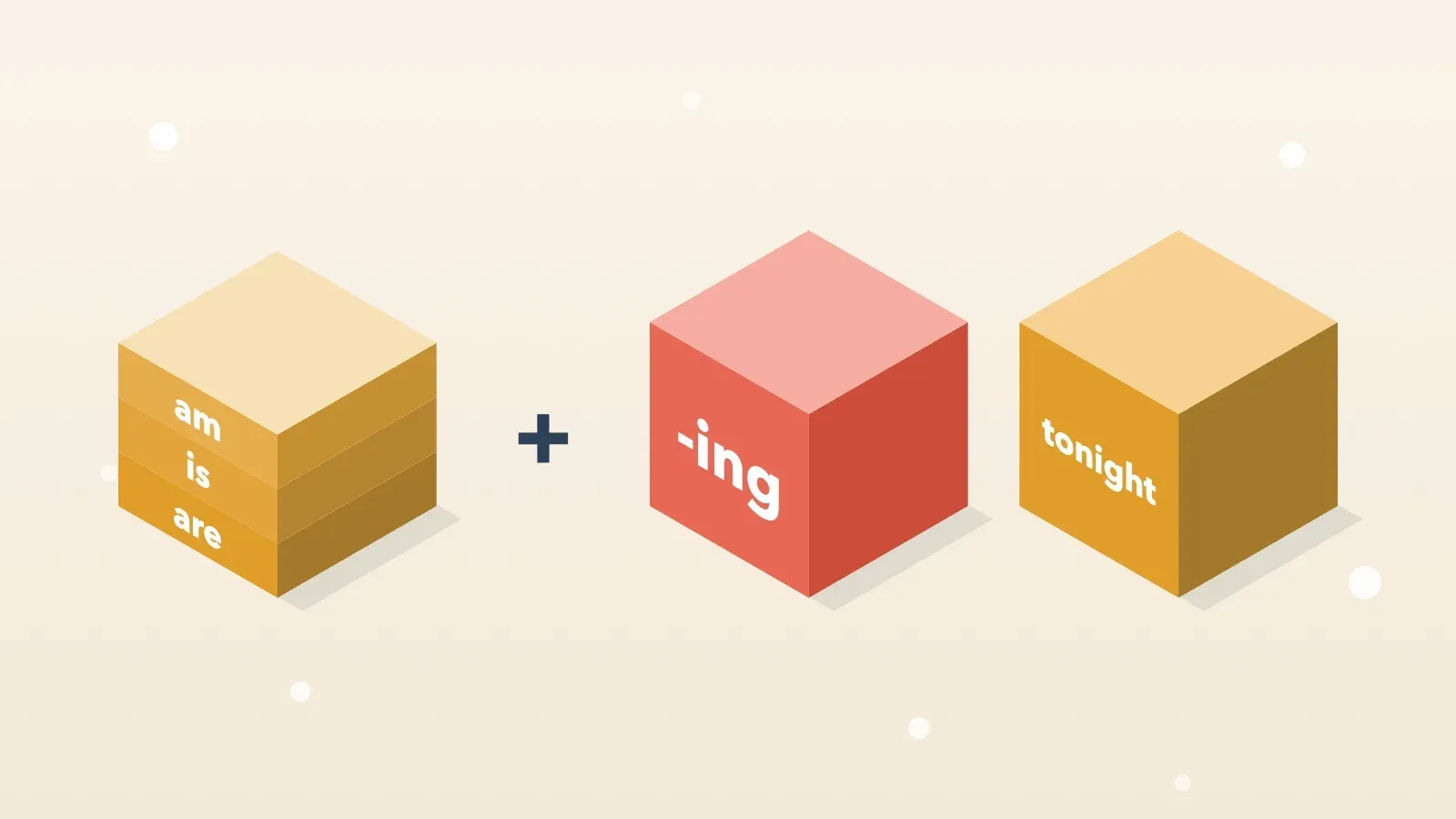
Present continuous for plans: what are you doing tonight?
 A2DrillsGrammar Practice · A2
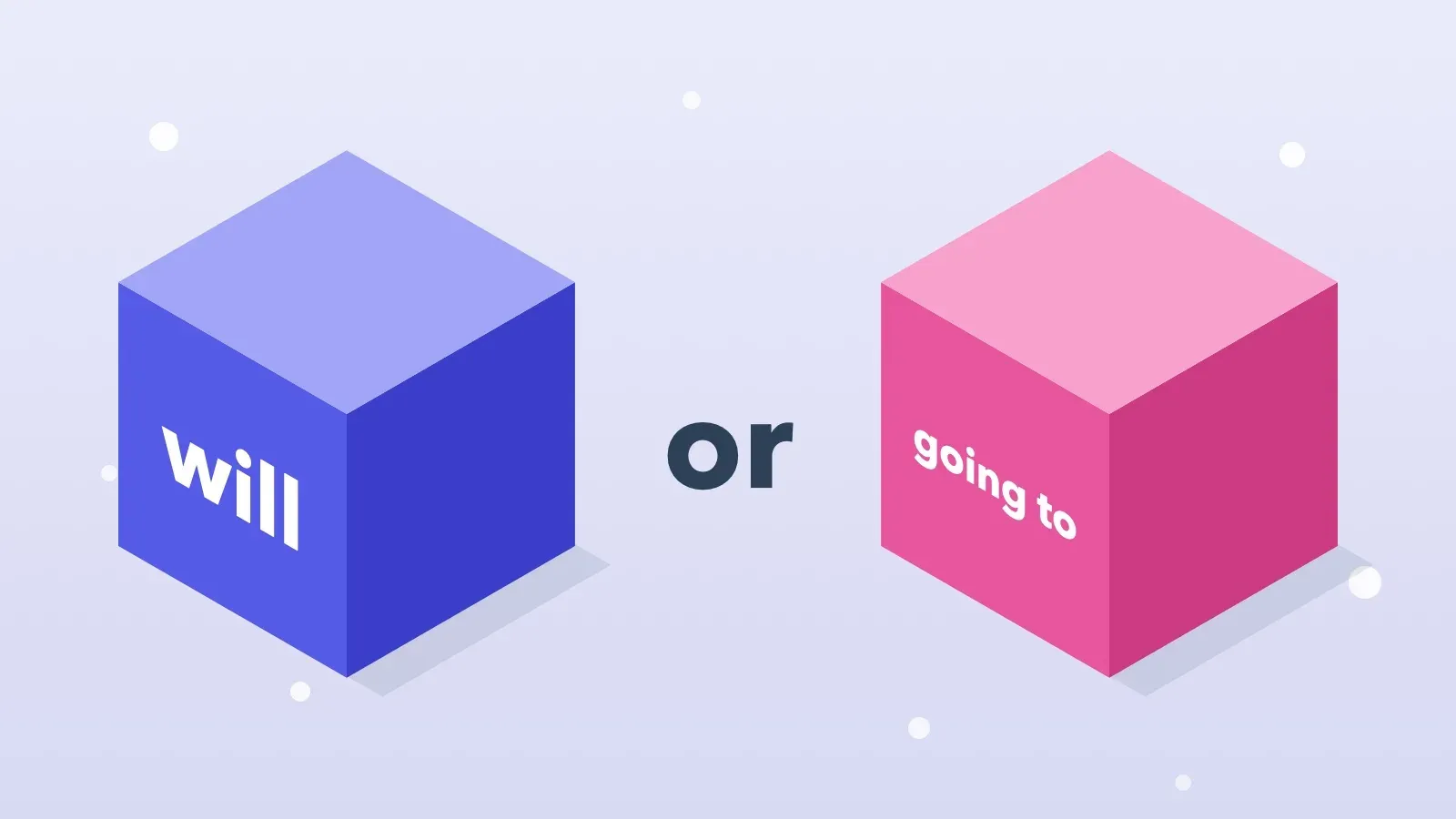
Will vs going to: decided before or right now?
 B1Lesson planEnglish B1 · Hot Topics
Goodbye 2026, hello 2027
 B1Lesson planEnglish B1.1
Who will walk on the Moon next?
 B1Lesson planEnglish B1.1
A message for the stars
 B1Lesson planEnglish B1.1
What does Newspaper Rock say?
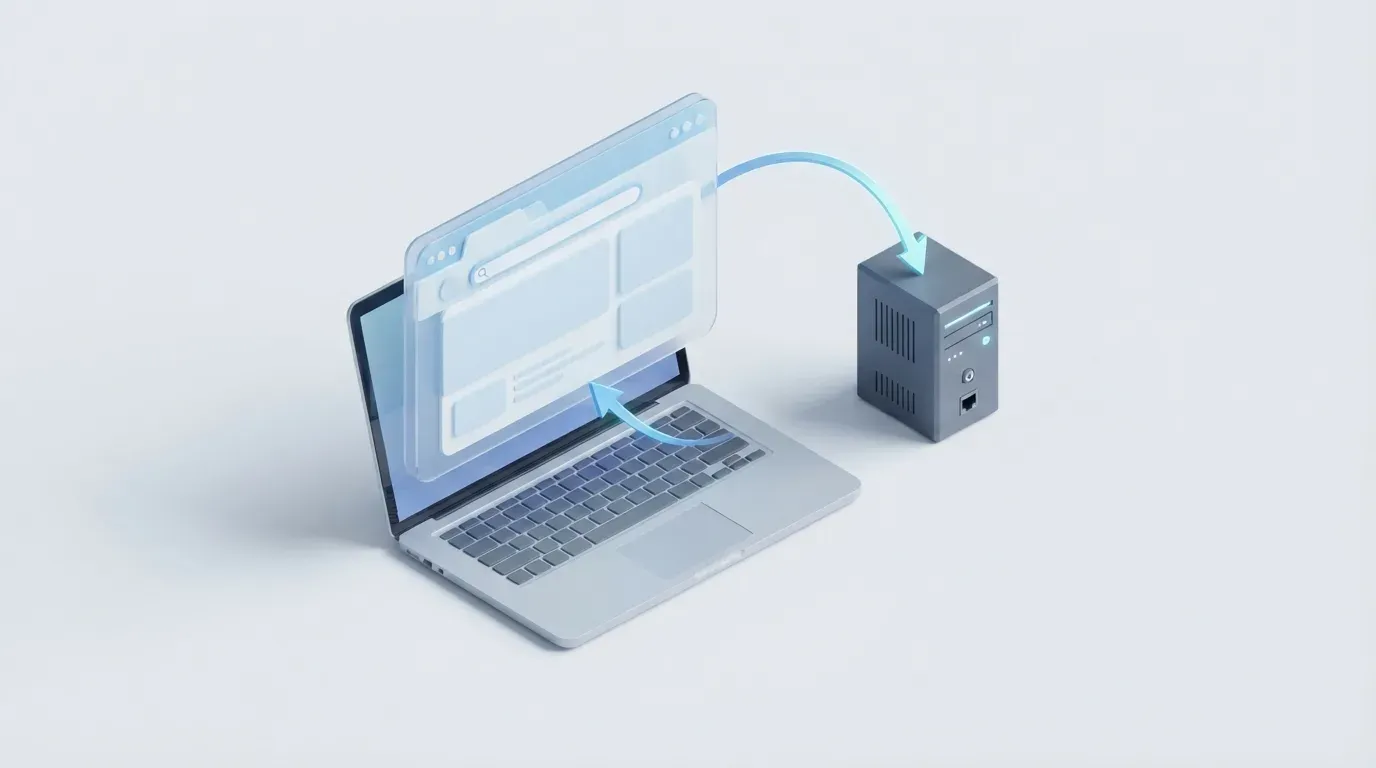 B1Lesson planEnglish for IT B1
What happens when you type a URL?
 B1Lesson planEnglish for IT B1
Your 9 a.m. is my noon
 B1DrillsGrammar Practice · B1
Future forms: plans, promises and timetables
 B1DrillsGrammar Practice · B1
Future time clauses: I'll call you when I land
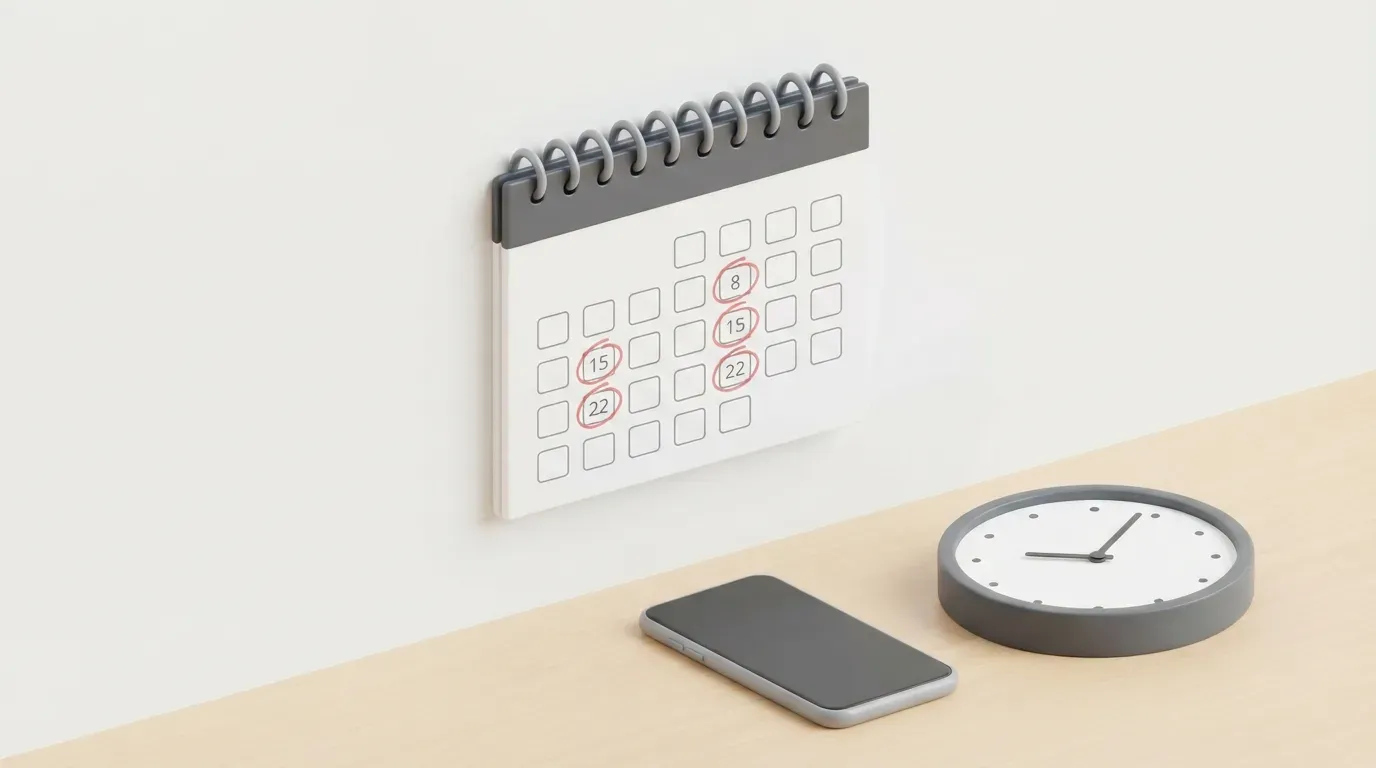 B2Lesson planBusiness English B2
Setting Up Meetings
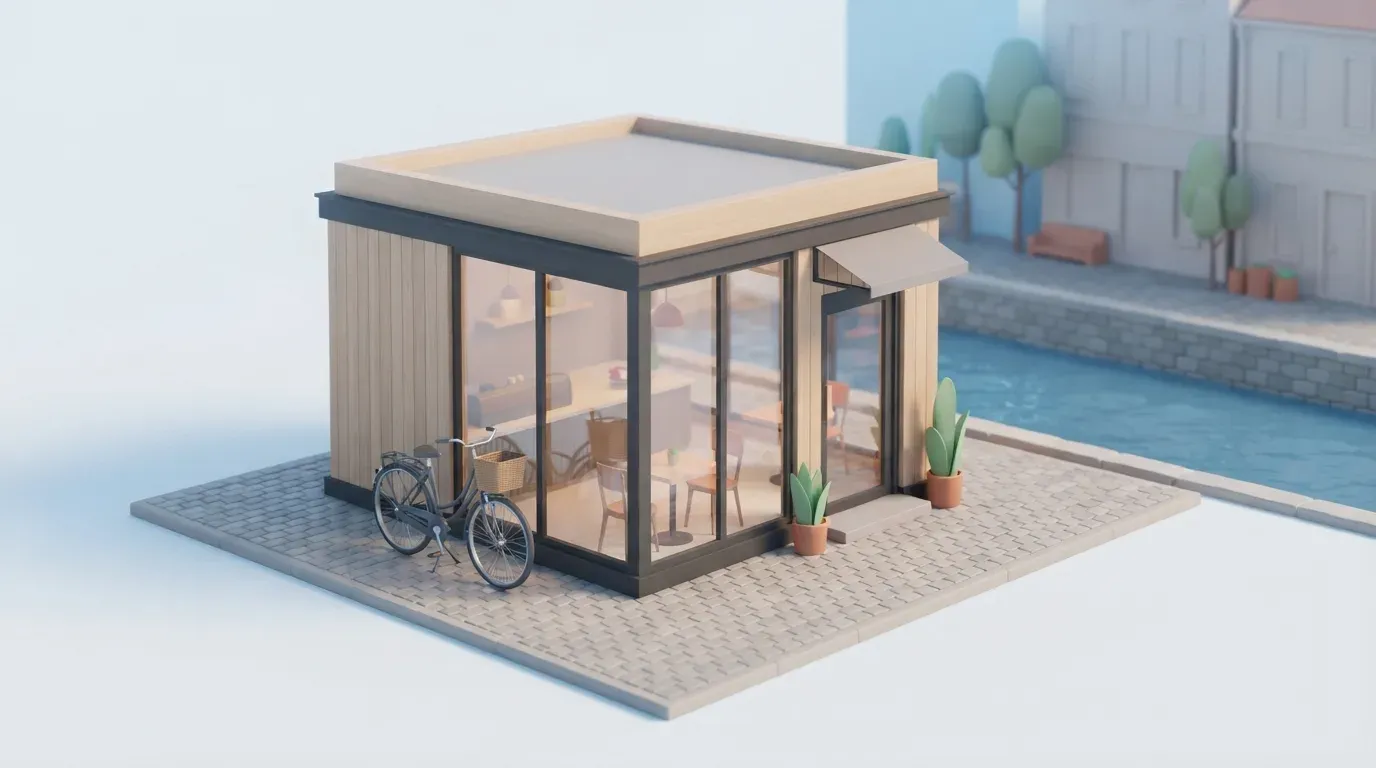 B2Lesson planBusiness English B2
The Road Ahead
 B2Lesson planEnglish B2.1
Can a chatbot fool you?
 B2Lesson planEnglish B2.1
By 2035, what will AI have designed?
 B2Lesson planEnglish B2.1
The highways that were supposed to take 13 years
 B2Lesson planEnglish B2.1
Six months of night at the South Pole
 B2Lesson planEnglish for IT B2
By New Year's Eve, we'll have fixed it
 B2Lesson planEnglish for IT B2
Let's play planning poker
 B2DrillsGrammar Practice · B2
Future continuous and future perfect: countdown to launch
 B2DrillsGrammar Practice · B2
Future in the past: it was going to be perfect
 C1Lesson planEnglish for IT C1
Async Stand-ups: Status Updates People Can Act On
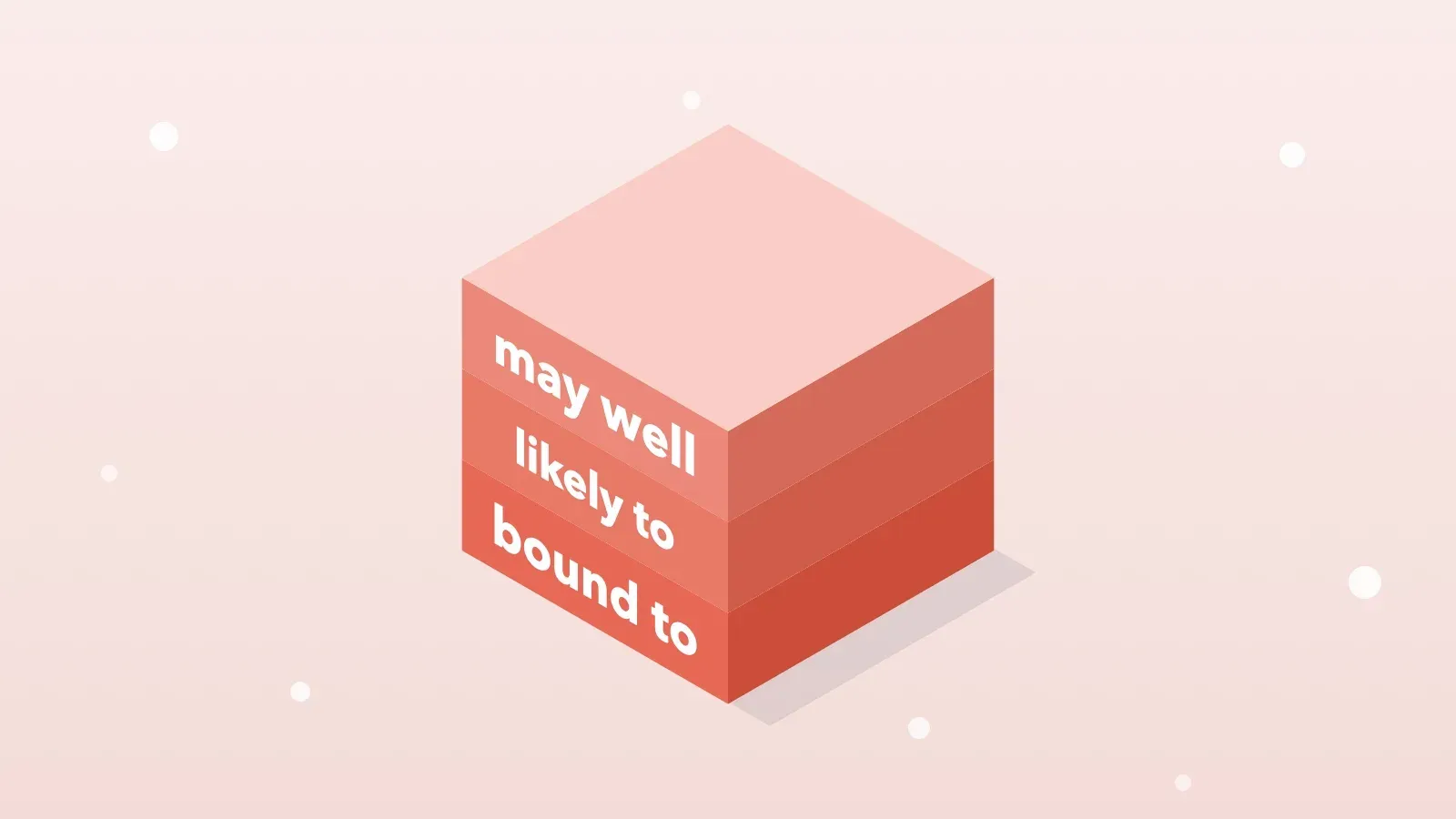 C1DrillsGrammar Practice · C1
Likelihood: is it bound to happen?
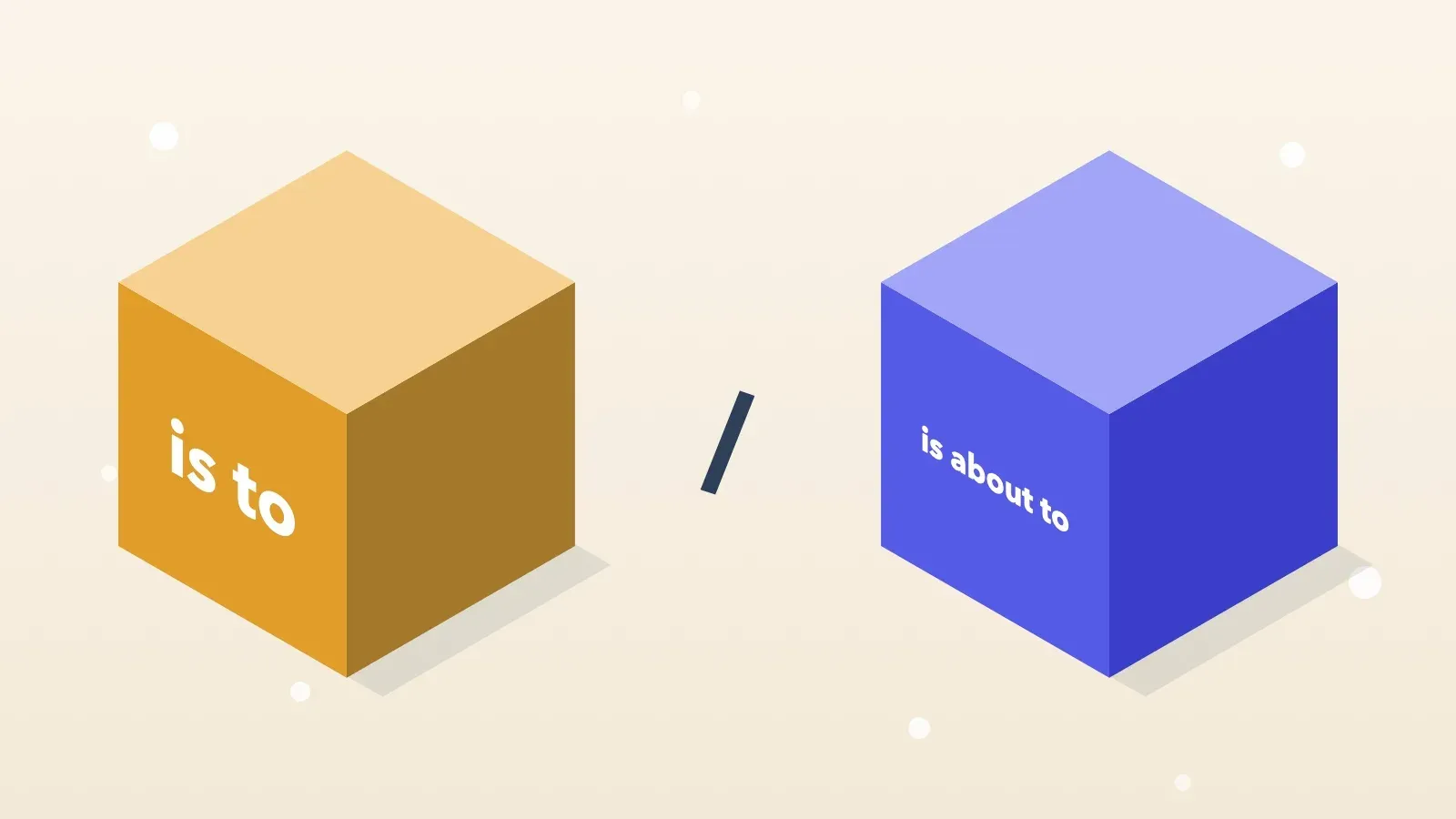 C1DrillsGrammar Practice · C1
Be to, about to, due to, set to: the first tram is about to leave
Try the future tense exercises
One exercise from each of 6 lessons. These are the same exercises your students do in edio.
Future tenses explained
Which future form we use depends on how the speaker sees the event. A plan or a prediction we can see coming takes going to; an arrangement with a time and other people takes the present continuous; a decision made while speaking, an offer or a prediction based on opinion takes will. Timetables use the present simple: The train leaves at 7:40.
Going to: plans and what we can see coming
Am, is or are + going to + verb has two uses: a plan, I'm going to learn flag football, and a prediction from something we can see now, Look at those clouds: it's going to rain.
The form
am / is / aregoing toverb
I'm going to learn flag football.
It isn't going to rain.
Are you going to watch the swimming?
Two uses
A plan 📅
- I'm going to learn flag football.
- We're going to come back in 2028.
- The plan is: athletes are going to compete at the Coliseum.
A prediction: we can see it now 👀
- Look at that blue sky! It isn't going to rain.
- Biscuit is looking at the hot dog. He's going to steal it!
- The stadium is full of people. It's going to be loud!
From the lesson What's going to happen at LA 2028? (English A2.1)
Present continuous: arrangements with a ticket or a time
With a ticket, a reservation or a time agreed with others, English often uses the present continuous: We're leaving Chicago at two. A plan that exists only in your head takes going to: We're going to take lots of photos.
Arrangement → present continuous
- You have a ticket, a reservation, an appointment or a time with other people.
- We're leaving Chicago at two. (We have tickets.)
- I'm meeting Earl at the station at six.
Plan → going to
- You decided. It's your plan or idea: no ticket, no time with others.
- We're going to take lots of photos.
- Marco is going to sleep in the lounge car tonight.
From the lesson Across America by train (English A2.1)
Will: the same form for every person
Will + the base verb never changes: I'll wake up, He'll pass the test. The negative is won't, questions start with Will, and a yes answer keeps the full form: Yes, I will, not Yes, I'll.
will and won't: every person
| Who | will (+) | Short form | won't = will not (–) |
|---|---|---|---|
| I | I will wake up at seven. | I'll wake up at seven. | I won't wake up late. |
| you | You will love homeroom. | You'll love homeroom. | You won't be late. |
| he | He will pass the test. | He'll pass the test. | He won't yawn in class. |
| she | She will come with us. | She'll come with us. | She won't forget. |
| it | It will rain today. | It'll rain today. | It won't be easy. |
| we | We will sleep more. | We'll sleep more. | We won't be tired. |
| they | They will be busy. | They'll be busy. | They won't take a nap. |
Questions and short answers
| Question | Short answer |
|---|---|
| Will you come to homeroom? | Yes, I will. / No, I won't. |
| Will Ethan pass the test? | Yes, he will. / No, he won't. |
| Will they be tired? | Yes, they will. / No, they won't. |
| What time will you wake up? | I'll wake up at seven. |
From the lesson Why does school start later in California? (English A2.2)
Will or going to?
Going to is for a decision made before now or a prediction from what you can see; will is for a decision made on the spot, an offer or a prediction from opinion. The phone rings: I'll get it!
| Form | When? | Example |
|---|---|---|
| going to | a plan: you decided before now | We're going to watch Phil tomorrow. |
| going to | a prediction: you can see it coming | Look at those clouds! It's going to snow. |
| will | a quick decision: you decide right now | The phone's ringing. I'll get it! |
| will | an offer: you want to help | You're cold! I'll get you a hot chocolate. |
| will | a prediction: what you think | I think spring will come early. |
From the lesson Is spring going to come early? (English A2.2)
Time clauses: no will after when or as soon as
After when, before, after, as soon as, once and until, the verb stays in the present simple even about the future, and any will belongs in the main clause: When the call ends, I'll create a ticket.
time word + present simplemain clause (present simple or will)
As soon as the browser gets the IP address, it sends a request.
When the call ends, I'll create a ticket.
From the lesson What happens when you type a URL? (English for IT B1)
Future continuous and future perfect
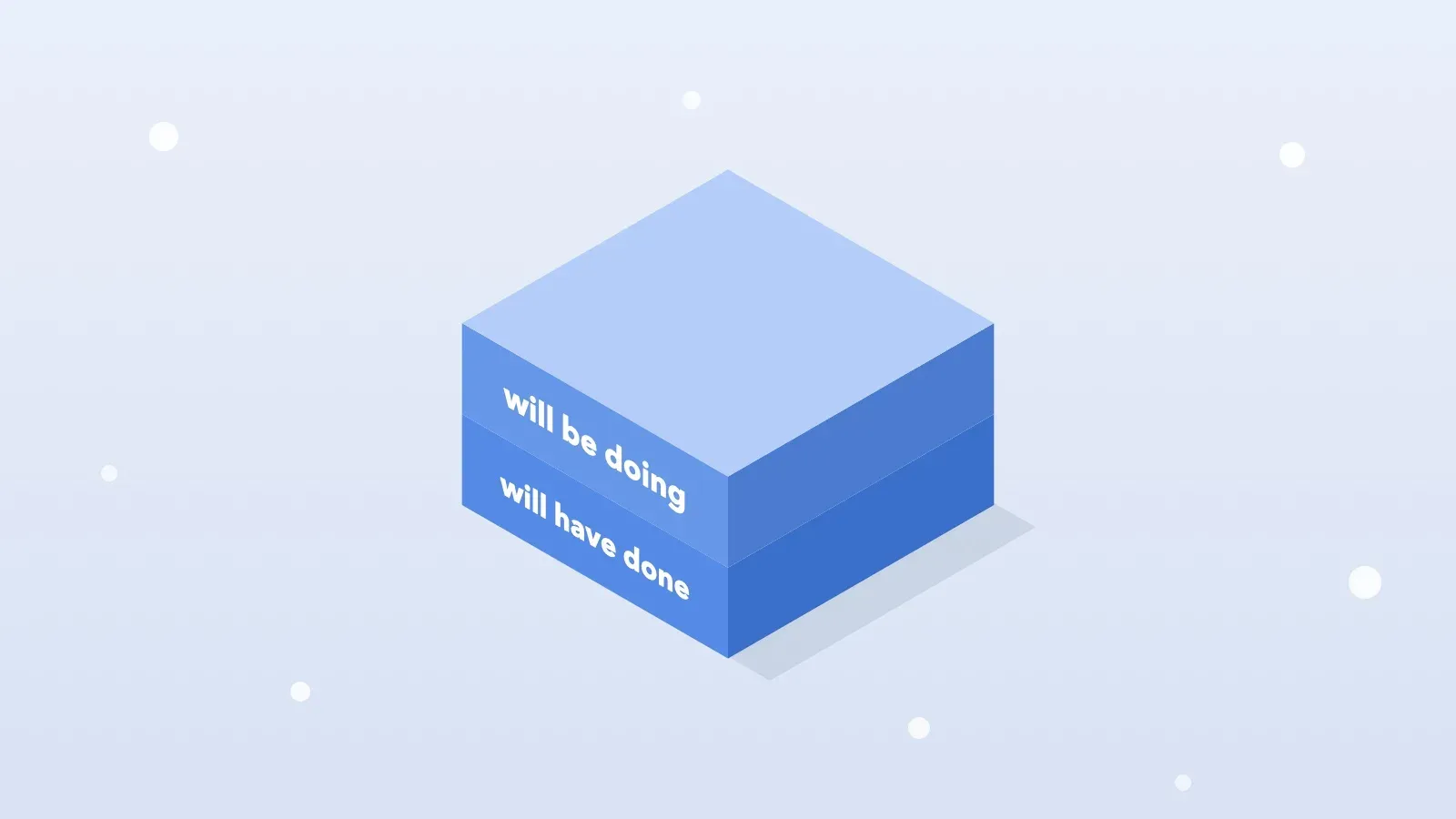
Picture a moment ahead. Will be + -ing shows an action still in progress then: At nine, Claire will be serving the first customer. Will have + past participle shows it done by then: By ten, she will already have served fifty customers.
will be + -ing: in the middle of it then
- At nine, Claire will be serving the first customer.
- This time next week, we'll be training the baristas.
will have + past participle: done by then
- By ten, Claire will already have served fifty customers.
- By the end of the month, we'll have trained all the baristas.
From the lesson The Road Ahead (Business English B2)
Questions about future tenses
How many future tenses are there in English?
What's the difference between will and going to?
When do we use the present continuous for the future?
How do you form the future simple with will?
Do we use will after when, as soon as and until?
What's the difference between the future continuous and the future perfect?
How do I teach future tenses to A2 students?
What are good activities for will and going to?
Are there interactive future tense exercises?
Can I set these lessons as homework?
More English grammar
Lessons for every grammar point, from the verb to be to reported speech. All grammar points