Questions: ESL lesson plans and exercises
Levels A1 to B2 16 lesson plans · 8 drill lessons Exercises that check themselves
English questions change the word order: be or a helper verb comes before the subject, as in Are you hungry? and When did Bell make his first call? Here you'll find 16 ready-made lessons on questions from the edio.ai library, levels A1 to B2, all in American English. They run from yes/no and wh- questions through subject and object questions to indirect questions and question tags. Play a few of their exercises, read the rules from their grammar schemes and choose a lesson by level. Each lesson is interactive, and the question drills check themselves.
Questions lesson plans and drills
16 lesson plans and 8 drill lessons, A1 to B2. Lesson plans are whole lessons with reading, listening and speaking; drill lessons are 44 to 46 self-checking exercises with no new words.
 A1Lesson planEnglish A1.1
Six languages at the UN
 A1Lesson planEnglish A1.1
New York pizza or Chicago deep-dish?
 A1Lesson planEnglish A1.2
What size are these boots?
 A1Lesson planEnglish A1.2
Does it rain in the desert?
 A1Lesson planEnglish A1.2
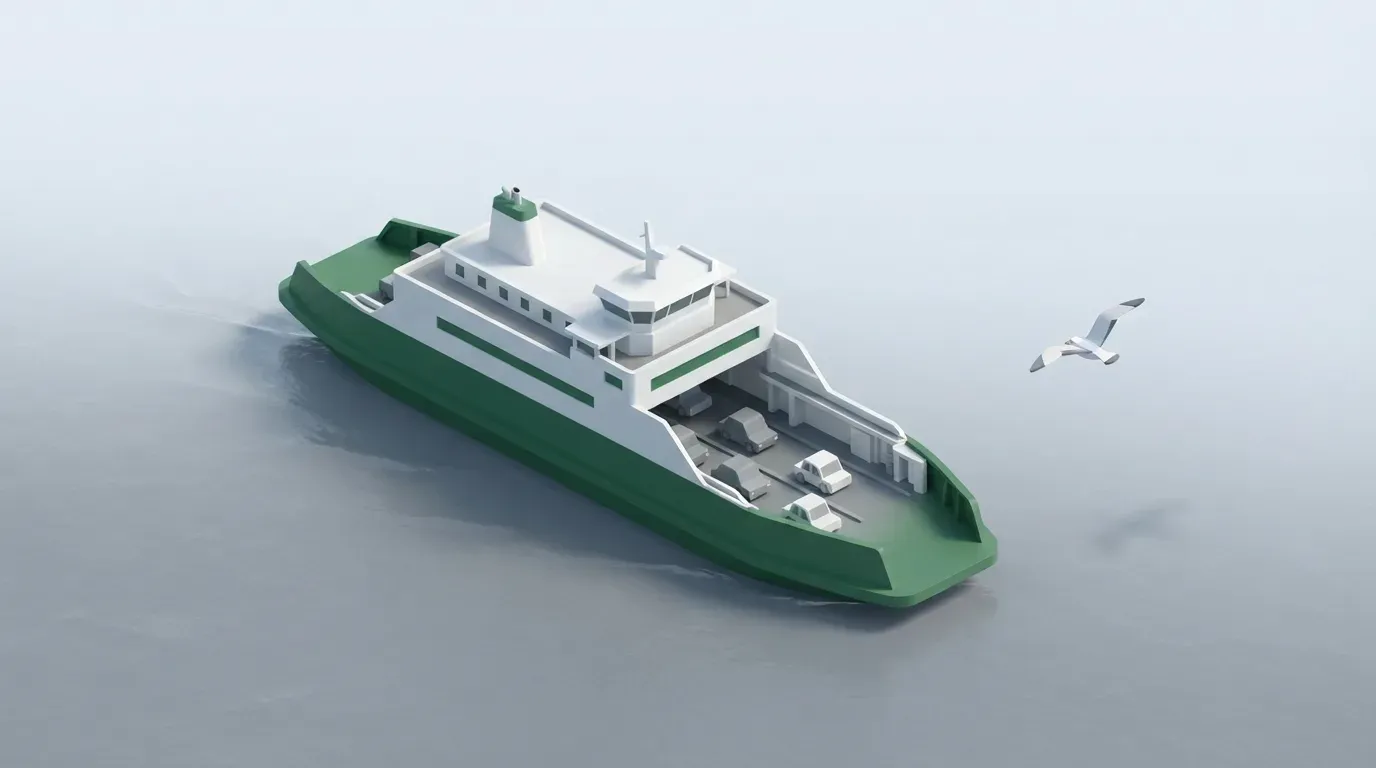
What time does the ferry leave?
 A1Lesson planEnglish A1.2
How long is a blue whale?
 A1DrillsGrammar Practice · A1
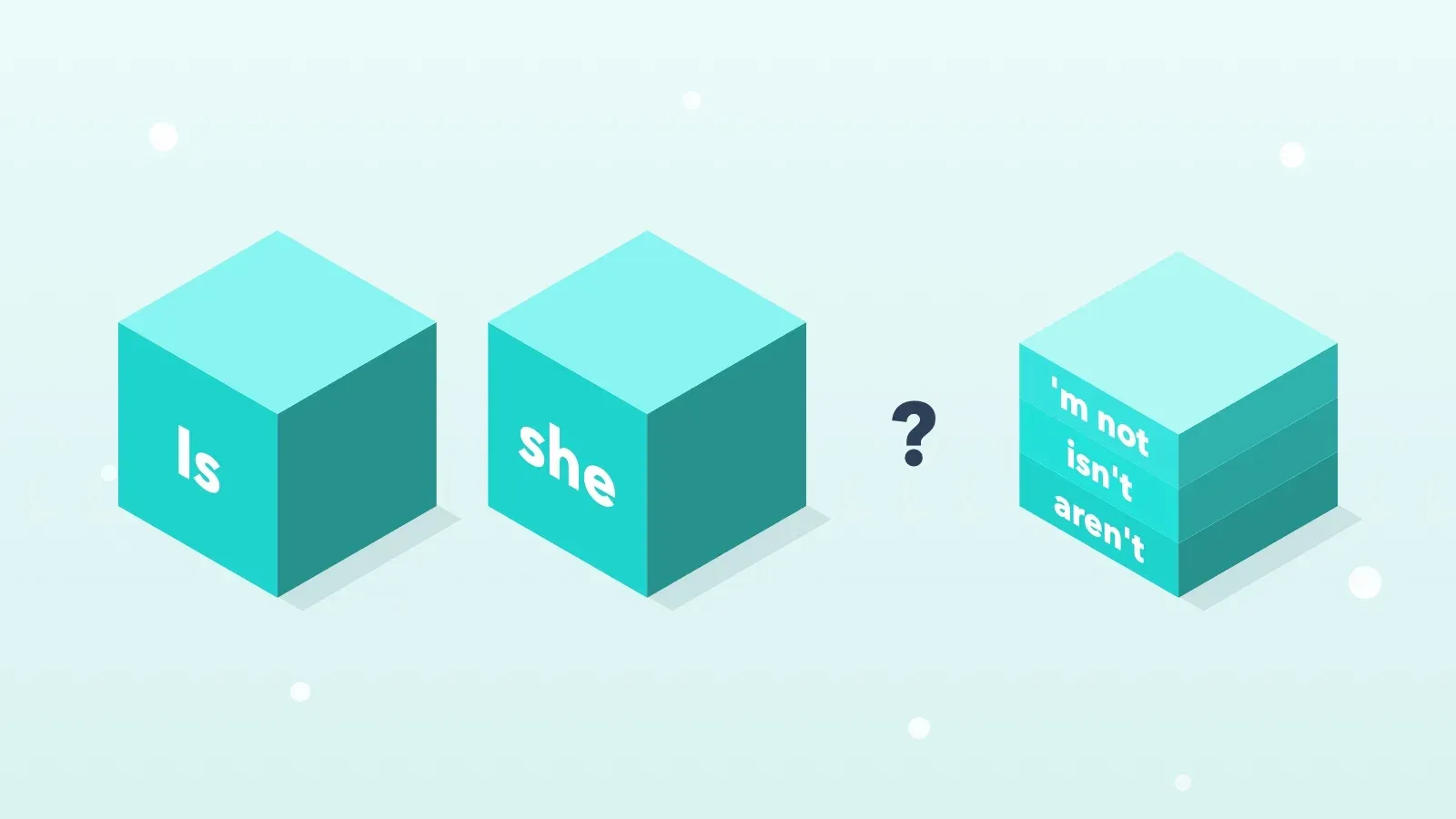
To be negatives and questions: is it your bag?
 A1DrillsGrammar Practice · A1
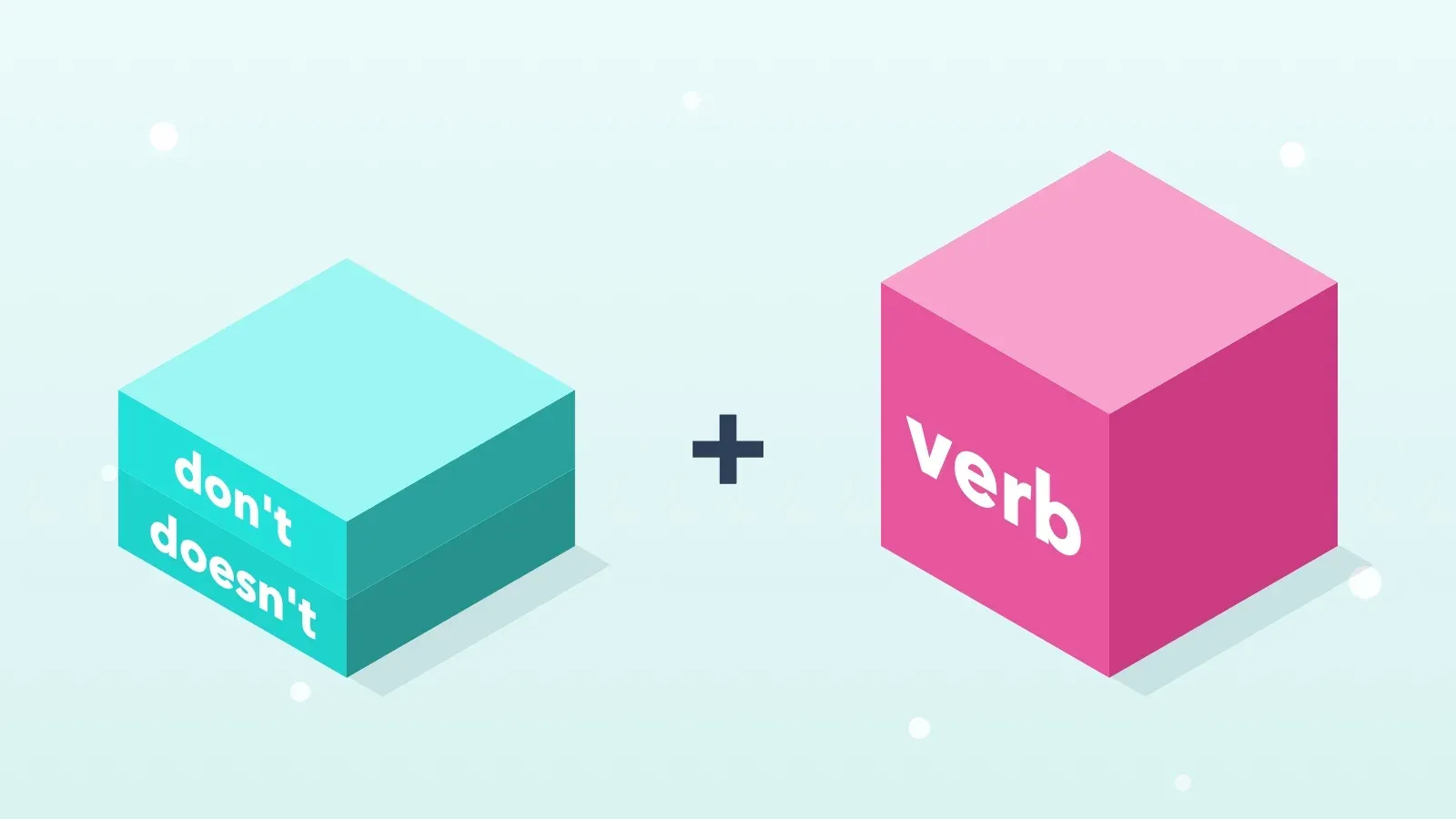
Present simple: don't, doesn't, do you…?
 A1DrillsGrammar Practice · A1
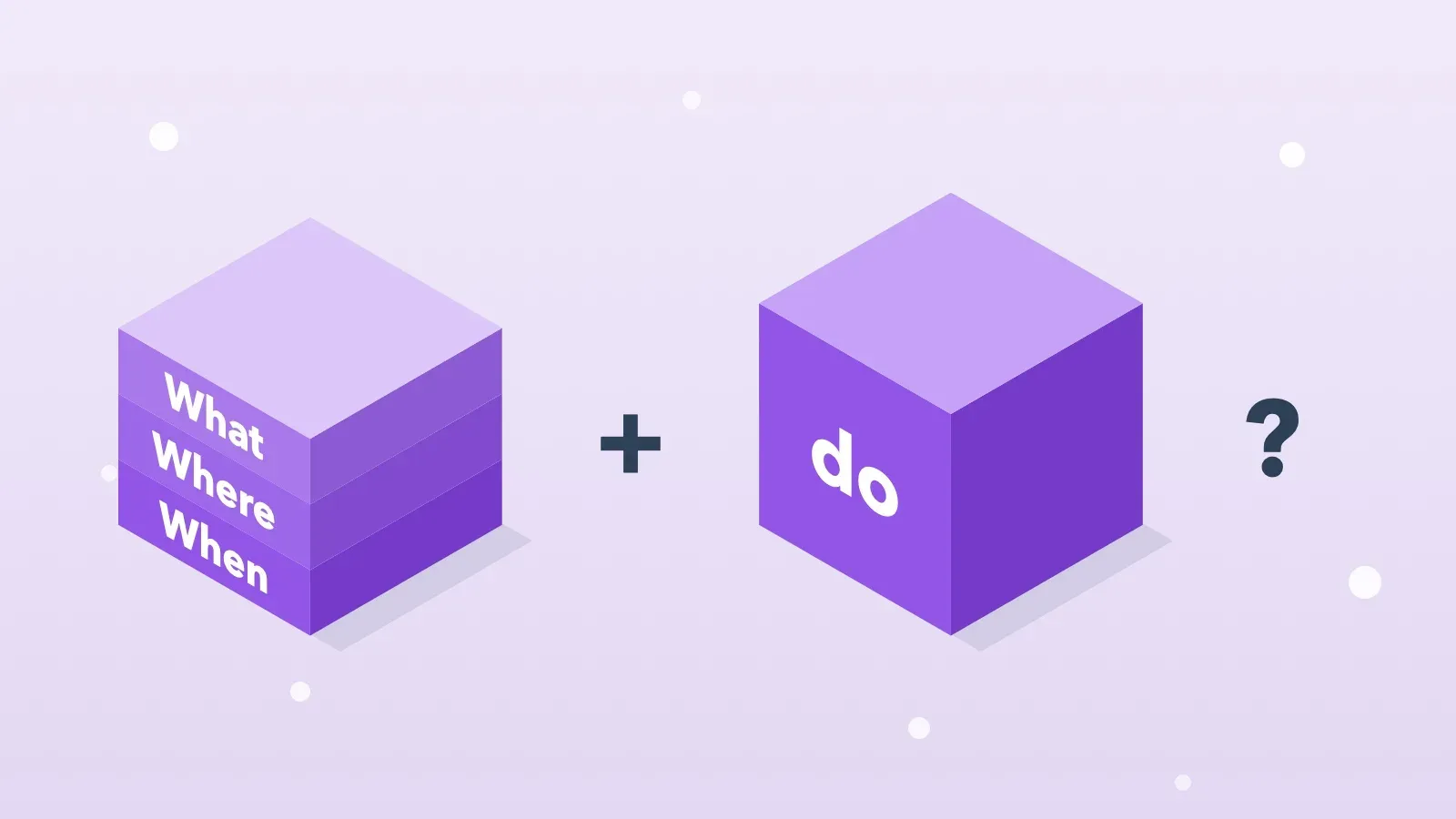
Wh- questions: what, where, when, why?
 A2Lesson planEnglish A2.1
A real bug in the computer
 A2Lesson planEnglish A2.1
“Mr. Watson, come here”
 A2Lesson planEnglish A2.2
The girl who tests water
 A2DrillsGrammar Practice · A2
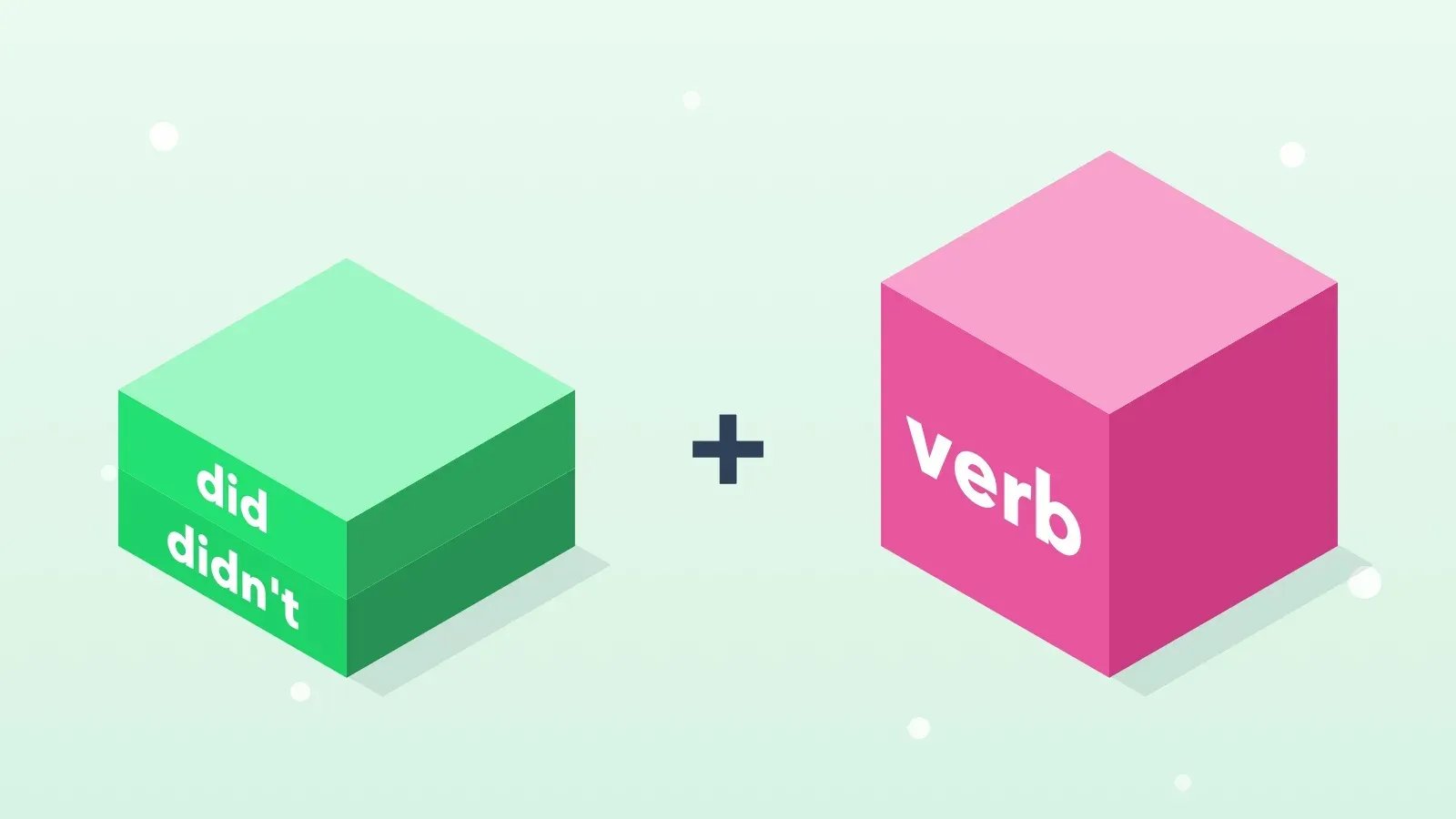
Past simple negatives and questions: where did the cake go?
 A2DrillsGrammar Practice · A2
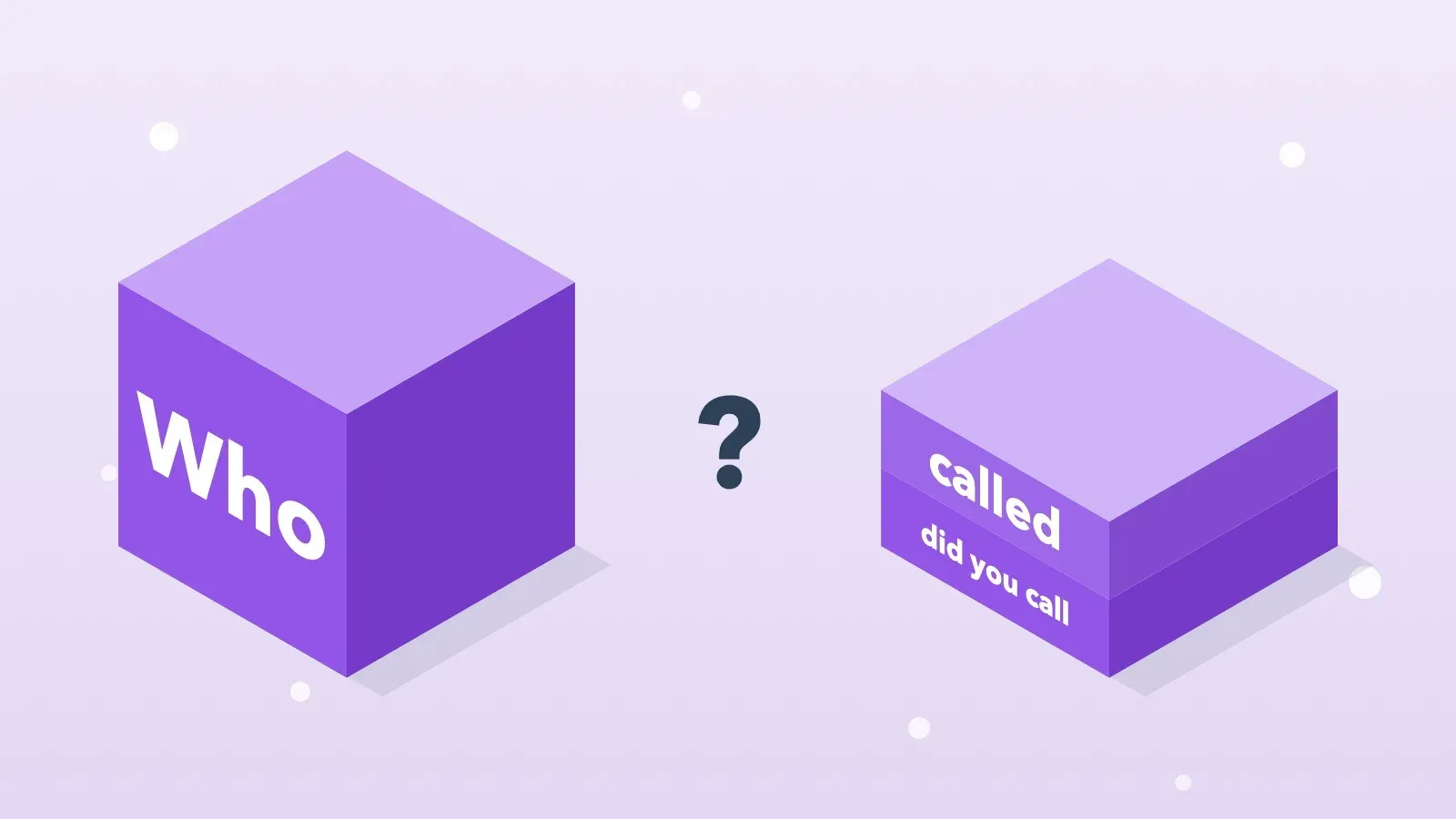
Subject and object questions: who won the quiz?
 B1Lesson planEnglish B1.1
My suitcase has gone to Honolulu!
 B1Lesson planEnglish B1.1
Why do high jumpers go backward?
 B1Lesson planEnglish for IT B1
Write your personal README
 B1Lesson planEnglish for IT B1
Just say what you need
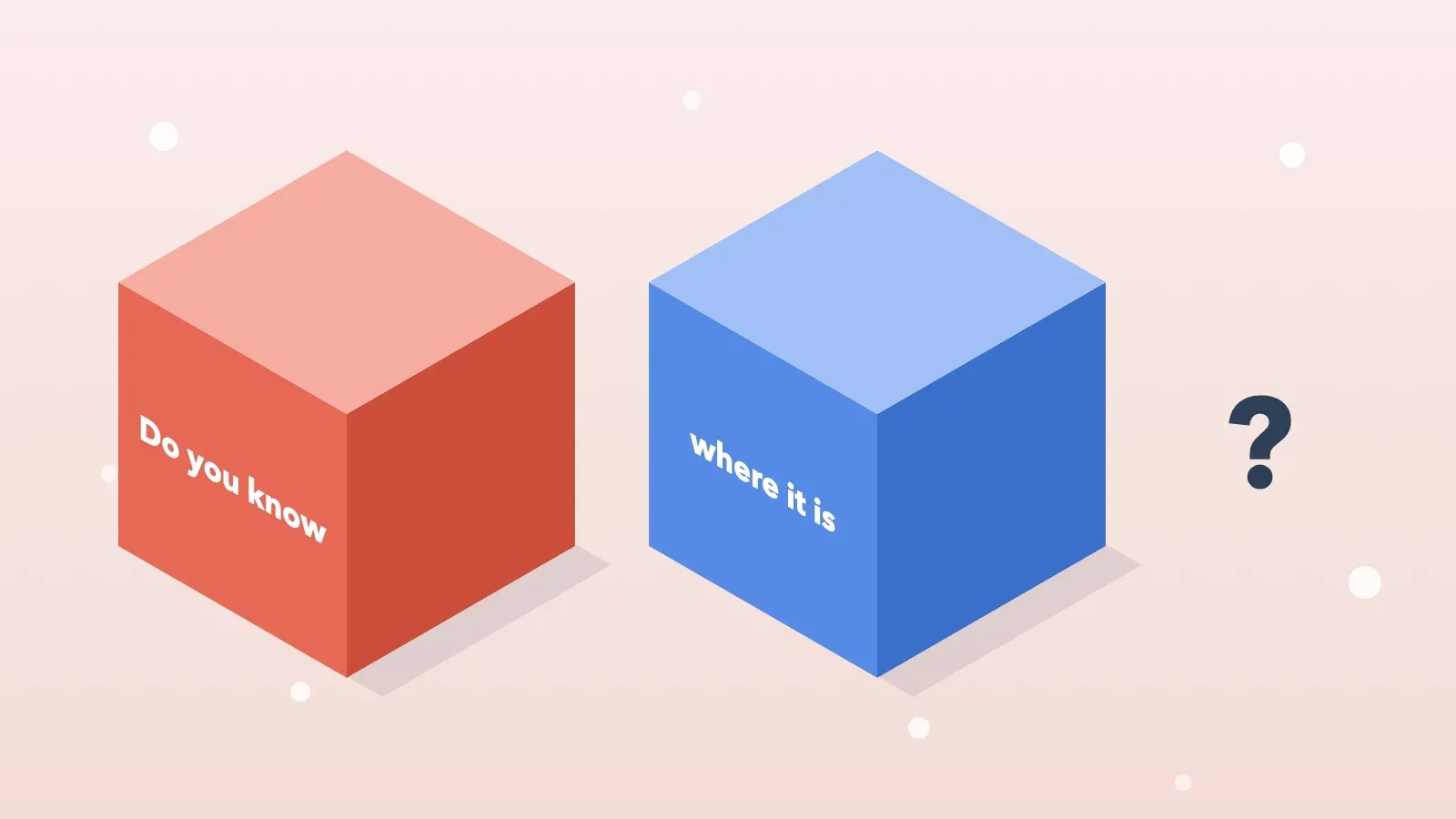 B1DrillsGrammar Practice · B1
Indirect questions: could you tell me where it is?
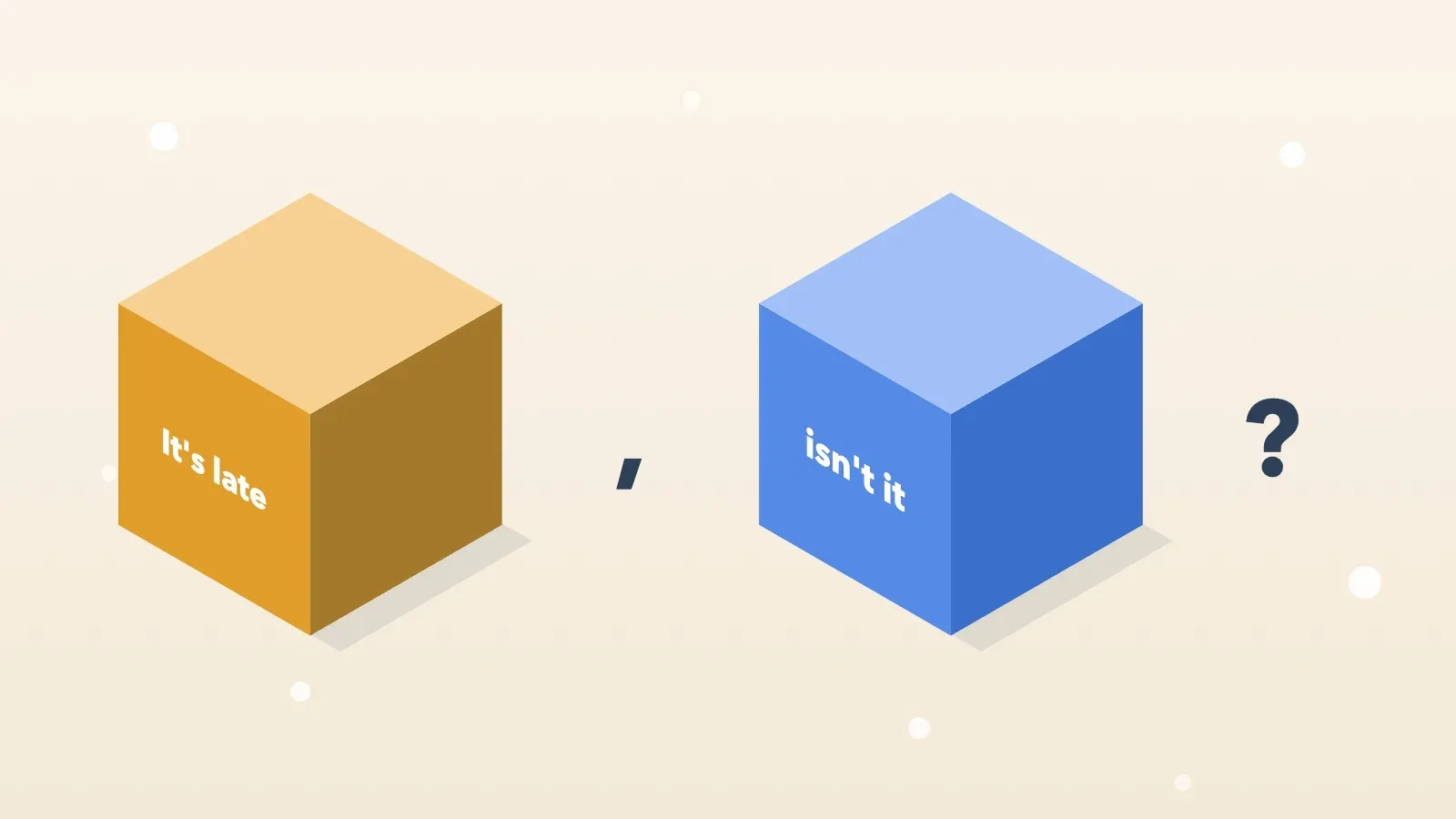 B1DrillsGrammar Practice · B1
Question tags: it's your first day, isn't it?
 B2Lesson planBusiness English B2
The Business Lunch
 B2Lesson planBusiness English B2
Emails That Get Answers
 B2Lesson planEnglish B2.2
Conversations kept for history
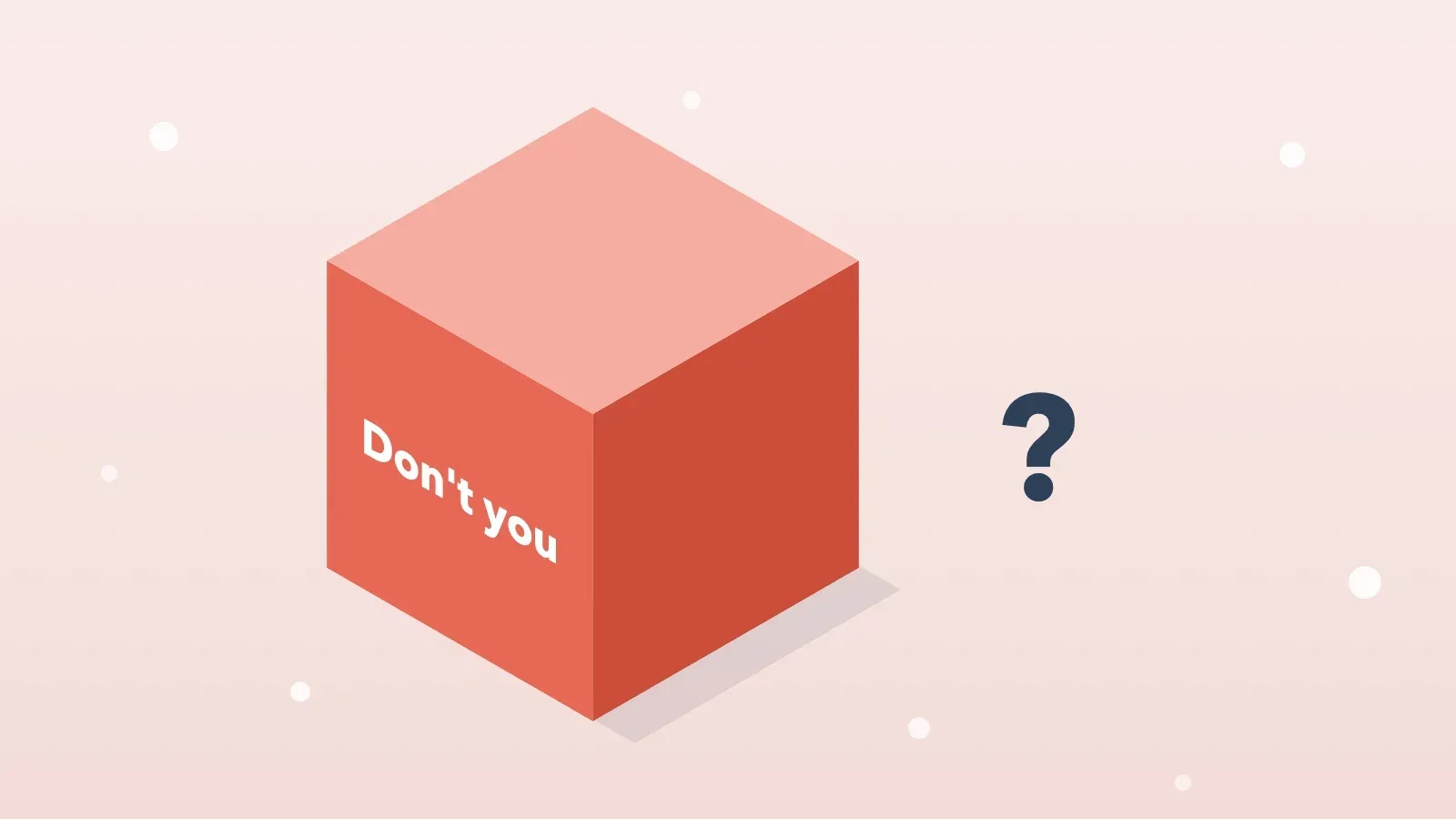 B2DrillsGrammar Practice · B2
Negative and echo questions: didn't you know?
Try the question exercises
One exercise from each of 6 lessons. These are the same exercises your students do in edio.
Questions explained
We ask yes/no questions to check a fact (Is it in English?) and wh- questions to get information (What size are these boots?). Subject questions ask about the doer, indirect questions sound more polite, and question tags check a fact or invite the other person to agree.
Yes/no questions: Are you…? or Do you…?
With be, the verb itself goes first: Are you hungry? Other verbs need do or does before the subject: Do you like pizza? (not Are you like pizza?). Short answers repeat that first word: Yes, I am. No, they don't.
be: Are you…?
- Are you hungry? – Yes, I am.
- Are they from Chicago? – No, they aren't.
a verb: Do you…?
- Do you like pizza? – Yes, I do.
- Do they eat deep-dish? – No, they don't.
From the lesson New York pizza or Chicago deep-dish? (English A1.1)
Wh- questions: question word + do or does + verb
A wh- question puts the question word first, then do or does, the subject and the base form: What time does the ferry leave? The -s of leaves moves to does, so the main verb has none.
he, she, it: question word + does + verb
What time / Where / When / How longdoeshe / she / it / the ferryverb (no -s)
What time does the ferry leave?
Where does it go?
How long does it take?
Question words
| Question | Answer |
|---|---|
| What time does the ferry leave? | At 9:50. |
| Where does it go? | To Bainbridge Island. |
| When does it arrive? | At 10:25. |
| How long does it take? | About 35 minutes. |
| What does Kofi drive? | A bus. |
From the lesson What time does the ferry leave? (English A1.2)
Past questions: did + base form, or was and were
In the past, did serves every person and the verb goes back to its base form: Did they find a moth? (not Did they found…?). Questions with be take no did at all: Was it a real bug?
Other verbs: Did + base form
- Did Edison use the word “bug”? – Yes, he did.
- Did the Mark II stay at Harvard? – No, it didn't.
be: Was / Were, no did
- Was it a real bug? – Yes, it was.
- Were the engineers at Harvard? – Yes, they were.
From the lesson A real bug in the computer (English A2.1)
Subject and object questions: Who invented it?
When who or what asks about the doer, the question keeps statement order and needs no do, does or did: Who invented Tethys? Asking about the object brings did back: What did Gitanjali invent?
Ask about the doer: Gitanjali
- Gitanjali invented Tethys.
- Who invented Tethys?
- – Gitanjali Rao did.
Ask about the object: Tethys
- Gitanjali invented Tethys.
- What did Gitanjali invent?
- – Tethys.
From the lesson The girl who tests water (English A2.2)
Indirect questions: Do you know where…?
After Do you know…? or Could you tell me…?, the question inside takes statement order and drops do, does and did: Can you tell me where the logs are? A yes/no question adds if or whether: Do you know if it works on iOS?
| Direct question | Indirect question |
|---|---|
| Where are the logs? | Can you tell me where the logs are? |
| When is the release? | Could you tell me when the release is? |
| What does this error mean? | Do you know what this error means? |
| Why did the build fail? | Do you know why the build failed? |
| Does it work on iOS? | Do you know if / whether it works on iOS? |
| Is the API down? | Do you know if / whether the API is down? |
From the lesson Just say what you need (English for IT B1)
Question tags: positive statement, negative tag
A positive statement takes a negative tag and a negative one a positive tag, repeating be, the helper verb or the modal: You've met Jess, haven't you? It isn't far, is it? With no helper, the tag uses do, does or did.
Plus becomes minus, minus becomes plus
Positive statement → negative tag
- It's a lovely view, isn't it?
- You've met Jess, haven't you?
- We can walk there, can't we?
Negative statement → positive tag
- It isn't far, is it?
- You haven't been to Portland before, have you?
- You won't be late, will you?
Which verb goes in the tag?
| Statement | Tag | Rule |
|---|---|---|
| The tasting was great, | wasn't it? | be: repeat it |
| You've tried the Kenyan, | haven't you? | auxiliary have: repeat it |
| We should book a table, | shouldn't we? | modals (will, can, would, should): repeat them |
| Ana travels a lot, | doesn't she? | present simple: do / does |
| You flew in last night, | didn't you? | past simple: did |
| Claire met you in Amsterdam, | didn't she? | a name or a noun becomes a pronoun in the tag |
From the lesson The Business Lunch (Business English B2)
Questions about questions in English
How do you form questions with do, does and did?
What are the wh- question words?
What's the difference between subject and object questions?
What are indirect questions?
How do question tags work?
Are there interactive exercises for wh- and yes/no questions?
How do I teach wh- questions to beginners?
What are good games for practicing questions?
Can I teach these question lessons one-to-one or set them as homework?
More English grammar
Lessons for every grammar point, from the verb to be to reported speech. All grammar points