No food in the trash! All, most, some and none (of) for general and specific
About this lesson
This B1 ESL lesson plan teaches all, most, some and none (of), with the verb after none of, through Vermont's law requiring everyone to keep food scraps out of the trash.
- Grammar
- All, most, some and no + noun for things in general (Most people waste some food.), and of + the, my or a pronoun for specific groups (most of the scraps).
- Topic
- Vermont's Universal Recycling Law and a compost farm, with words such as landfill, hauler, drop-off and coffee grounds.
- Activities
- Riley's episode notes to read, a compost farm visit and a student's message to hear, self-checking drills, a neighbor's chat and open-box questions.
What's inside
Chapter 1Warm-up: what's in your trash?
Chapter 2Let's read: Vermont's food scrap rule
Chapter 3Field trip: the warmest pile in Vermont
Chapter 4Grammar: most of the scraps, none of the food
- Study the scheme: all, most, some, none (of)Grammar schemeTry it
- Choose the correct optionChoose the optionUnlock
- Fill in the gaps: add of where you need itFill in the gapsUnlock
- Fill in the table: is or are, go or goes?Fill in the tableTry it
- Drag the words into the gaps: Jade's surveyDrag and dropUnlock
- Choose the correct sentenceQuizUnlock
Chapter 5Let's talk: a new compost bin
Chapter 6Homework
- Match the words and the meaningsMatchUnlock
- Unscramble the wordsAnagramUnlock
- Fill in the gaps with the lesson's wordsFill in the gapsUnlock
- Sort the words into the correct columnsSort into columnsUnlock
- Choose the correct option: new sentencesChoose the optionUnlock
- Fill in the gaps: add of where you need itFill in the gapsUnlock
- Put the words in the correct orderUnjumbleUnlock
- Choose the correct answer: what does it mean?QuizUnlock
- Choose the correct option: a town noticeChoose the optionUnlock
- Drag the words into the gaps: Jade answers WarrenDrag and dropUnlock
Recycling vocabulary
12 words and phrases from the lesson, each with a picture and audio in edio.
+9 more with pictures and audio in the lessonMore words
- food scraps
- landfill
- hauler
- drop-off
- eggshell
- coffee grounds
- pile
- livestock
- resident
Grammar: all, most, some and none (of)
Most people and most of the scraps look alike, but one is about people in general and the other about a specific group. With Vermont's food scrap law and a compost farm, learners add of only before the, my or a pronoun, choose between no and none, and match the verb to the noun after of.
Most people… Most of the scraps…
all / most / some / no + noun: things in general. all of / most of / some of / none of + the, my, this or a pronoun: specific things.
In general: all, most, some, no + noun
For things in general, the word goes straight before a plural or uncountable noun: All residents have to sort their trash. Some families compost at home. No food goes to the landfill. There's no of and no the here: most people, not most of people.
In general: word + noun
| Word | + plural noun | + uncountable noun |
|---|---|---|
| all (100%) | All residents have to sort their trash. | All fruit goes bad in the end. |
| most (more than half) | Most people waste some food. | Most food tastes better fresh. |
| some (a part) | Some families compost at home. | Some bread is too old to eat. |
| no (0%) | No scraps go in the trash here. | No food goes to the landfill. |
In general or specific?
In general: no of
- Most people waste some food.
- All residents have to keep scraps out of the trash.
- Some families have chickens.
Specific: of + the / my / them
- Most of the people in the poll composted.
- All of my roommates sort their trash.
- Some of them have chickens.
Specific: of + the, my, this or a pronoun
For a specific group, add of and then the, my, this or our + noun: Most of the scraps on Graham's farm come from homes. A pronoun always needs of: all of us, some of it, none of them.
Specific: word + of + the / my / this + noun, or + pronoun
| Word | + of + the / my / this + noun | + of + pronoun |
|---|---|---|
| all of | all of the scraps, all of my friends | all of them, all of it, all of us |
| most of | most of the scraps, most of our compost | most of them, most of it |
| some of | some of my roommates, some of this soup | some of them, some of it |
| none of | none of the food, none of my friends | none of them, none of it |
On Graham's farm and in Vermont
- All residents of Vermont have to keep food scraps out of the trash.
- Most of the scraps on Graham's farm come from homes.
- Some of them come from schools and restaurants.
- None of the food goes to the landfill.
- The chickens get some of the scraps first.
- Most of our compost goes to farms and gardens nearby.
All the or all of the
Only all can drop of before the or my: all the scraps means all of the scraps. Most, some and none keep their of, so most the scraps and some my friends are wrong. Before a pronoun, even all needs it: all of them, not all them.
all the = all of the; of before a pronoun
Only all can drop of before the / my / this: all the scraps = all of the scraps. Not with most, some or none (Not: most the scraps, some my friends). Before a pronoun, always use of: all of them, most of us, none of it. Not: all them.
No or none?
No goes straight before a noun: No food goes in the trash. None of comes before the, my or a pronoun: None of the food goes in the trash. None of it! Avoid no of the food, none of food and none food.
no or none?
no + noun: No food goes in the trash. none of + the / my + noun, or + a pronoun: None of the food goes in the trash. None of it! Not: no of the food, none of food, none food.
The verb after of
The noun after of chooses the verb. An uncountable noun takes a singular verb (Most of the food goes to farms.), a plural noun a plural verb (Most of the scraps come from homes.). After none of + plural nouns, both work: None of my friends has or have chickens.
The verb: look at the noun after of
Uncountable noun (food, trash, compost): singular verb. Most of the food goes to farms. None of the food goes in the trash. Plural noun (scraps, people): plural verb. Most of the scraps come from homes. Not: Most of the food are… (After none of + a plural noun, both are OK: None of my friends has / have chickens.)
Common mistakes
Most of people compost.
Most people compost.
people in general: no of
All of residents have to sort their trash.
All residents have to sort their trash.
in general: no of (or: all of the residents)
The most people waste some food.
Most people waste some food.
most = more than half: no the
Most of the food are fresh.
Most of the food is fresh.
food is uncountable: is
More lessons on this grammar: Quantifiers lessons and exercises
Try the all, most, some, none exercises
Try them yourself: these are the same exercises your students do in edio.
What's in the lesson
- 19 auto-checked exercises
- 4 games
- 1 article
- 1 grammar scheme
- 1 set of word cards
- 2 audio clips
- 2 pictures
- 2 transcripts
The main objectives of this lesson are to:
- talk about things in general with all, most, some and no + noun: Most people waste some food. Some families compost at home.
- talk about a specific group with of: Most of the scraps come from homes. All of my roommates sort their trash.
- use of before a pronoun: all of them, most of it, none of them, not all them
- match the verb to the noun after of: None of the food goes to the landfill. Most of the scraps are peels.
- avoid the usual slips: most people, not most of people or the most people; none of the food, not no of the food
Lesson 22 is the second lesson of Green living, unit 6 of English B1.1 · Stories That Travel, a course about a Kansas City podcast. After lesson 21's few and a few, it brings back lesson 20's line between things in general and specific things: most people, but most of the people in the poll. Lesson 23 narrows the focus to each and every. A law for all residents and a poll where most already composted or fed scraps to animals put numbers behind the words.
Students spin a wheel of questions about food waste and green habits, then learn twelve words, from sort and rot to hauler and livestock. They read Riley's episode notes on Vermont's food scrap law, then hear Jade warm her hands at a steaming pile on Graham's compost farm and Warren, a Vermont student, describe his roommates' yogurt tubs, both AI-voiced. The grammar chapter pairs the scheme with five self-checking drills, among them a table of is or are, go or goes. In the speaking chapter, students answer Regina, a neighbor with a new compost bin, in a chat, then open boxes about green habits.
Every homework task checks itself, ten in all: a word match, an anagram, a gap-fill and a column sort for the words, quantifiers in new sentences, gaps that need of or don't, word order, a quiz that turns numbers into all, most, some or none, a town notice with choices and Jade's reply to Warren with words to drag in.
- Grammar:
- all / most / some / no + noun · all of / most of / some of / none of · none of the food goes
- Topic:
- food scraps · compost · green habits · Vermont · Act 148 · the Universal Recycling Law · Stories That Travel
Teaching tips
- Poll the class first: ask who sorts their trash, who has a pet and who cooks at home, then turn the numbers into words: Eight of us cook. That's most of us.
- Before the episode notes, ask what counts as food scraps: peels, bones, coffee grounds? Students list ideas, then read to check the list and the three choices Vermonters have.
- Play the farm visit twice: first for where the scraps come from and where the compost goes, then for each all of, most of, some of and none of. Students note the word after of.
- Drill the verb with a quick switch: start Most of the food… and students finish with is or goes; start Most of the scraps… and they switch to are or go.
Liked it?
Teach the whole lesson in edio
32 exercises in 6 chapters, ready to teach. edio is an online platform for language schools and teachers: ready-made interactive lessons, live classes, homework and student progress in one place.
Start a free trial
7 days, no credit card.
Open the lesson
Find it in the library of 621 ready lessons. Teach it as it is, or copy any chapter into your own lessons.
Teach it live or as homework
Students work in their own accounts, in sync with you during the lesson, and the practice exercises check themselves.
The whole course: English B1.1 · Stories That Travel
32 lessons for adults at B1 in American English, each built around a true story. Riley, Jade and Darius make a podcast in Kansas City about true American stories, and each lesson tells one, from a seaplane airport in Alaska to the Marfa Lights of West Texas. Learners compare the present perfect with the past simple, use future forms, modals and quantifiers, and give their own opinions. The practice exercises check themselves.See the course
Unit 1 Travel smart
the present perfect vs the past simple, for and since, indirect questions, be used to and get used to
 Lesson 1Would you visit an airport just for fun?Present perfect vs past simple
 Lesson 2Would you sleep in a 300-year-old inn?For and since with the present perfect
 Lesson 3My suitcase has gone to Honolulu!Indirect questions for polite requests
 Lesson 4Can you practice a flight?Be used to and get used to
Unit 2 Dream jobs, new jobs
will have to and won't be allowed to, the present perfect continuous, simple vs continuous, would vs used to
 Lesson 5Would you jump off a moving boat for a job?Will have to, will be able to and will be allowed to
 Lesson 6Working from anywherePresent perfect continuous
 Lesson 7Could you be a camp counselor?Present perfect simple vs continuous
 Lesson 8Would you live in a lighthouse?Would vs used to for the past
Unit 3 Space and discovery
it's + adjective + to, What's it like to…?, future forms compared, future time clauses, too and enough + to
Unit 4 Life online
the more…, the more…, be supposed to, ought to and had better, let, make and allow
 Lesson 13The internet's first word was “LO”Comparative and comparative; the more…, the more…
 Lesson 14Who sent the first spam?Be supposed to for rules, expectations and plans
 Lesson 15Is your password really safe?Ought to and had better for advice and warnings
 Lesson 16Who writes Wikipedia?Let, make and allow + someone
Unit 5 Screen and page
-ed and -ing adjectives, gradable and extreme adjectives, present tenses for a plot, articles for things in general
 Lesson 17Why do readers still love Nancy Drew?-ed and -ing adjectives for feelings
 Lesson 18Movie night in your carGradable and extreme adjectives
 Lesson 19Would you review a book on TV?Present tenses to tell a plot
 Lesson 20Where are the books about girls like me?Articles for things in general and specific things
Unit 6 Green living
few and a few, little and a little, all, most, some and none, each and every, fewer and less
 Lesson 21A year's trash in one jar?Few, a few, little and a little
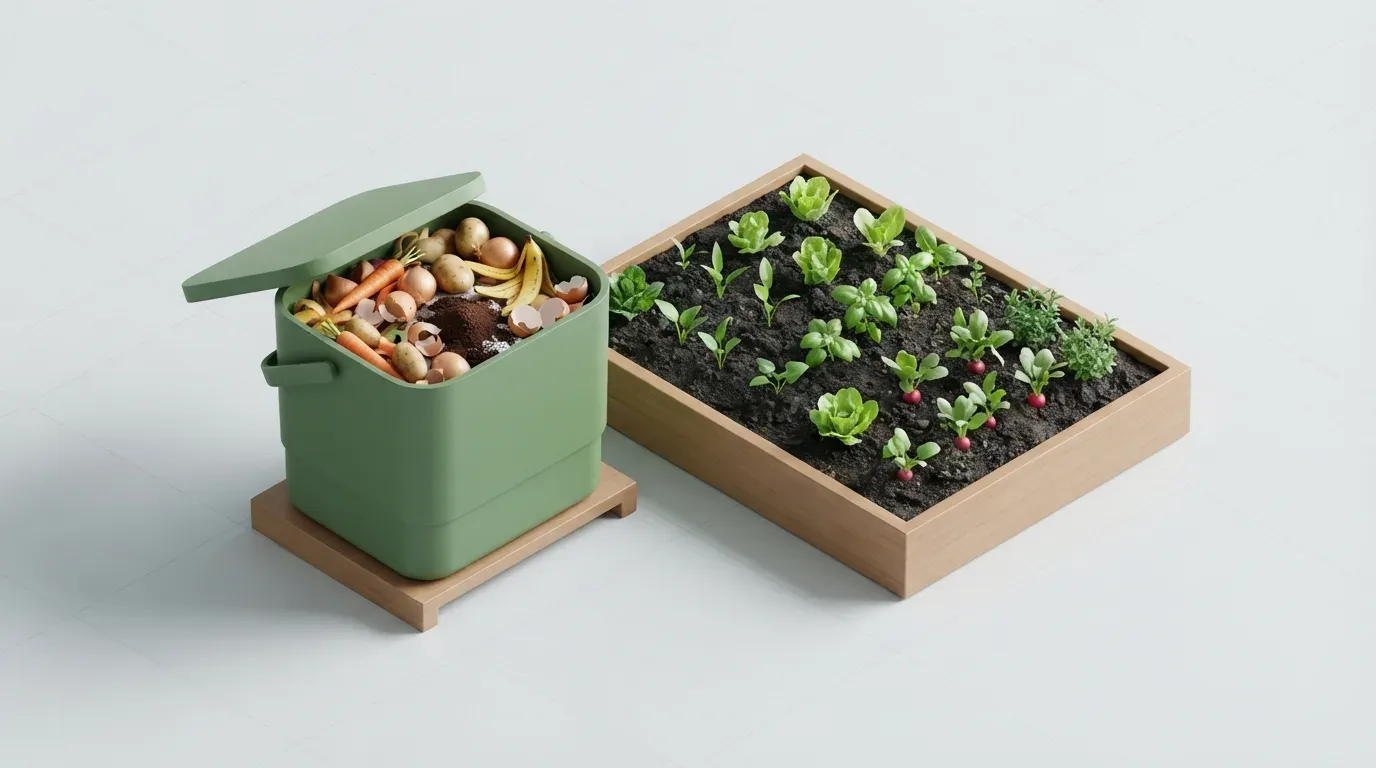 Lesson 22 · you're hereNo food in the trash!All, most, some and none (of)
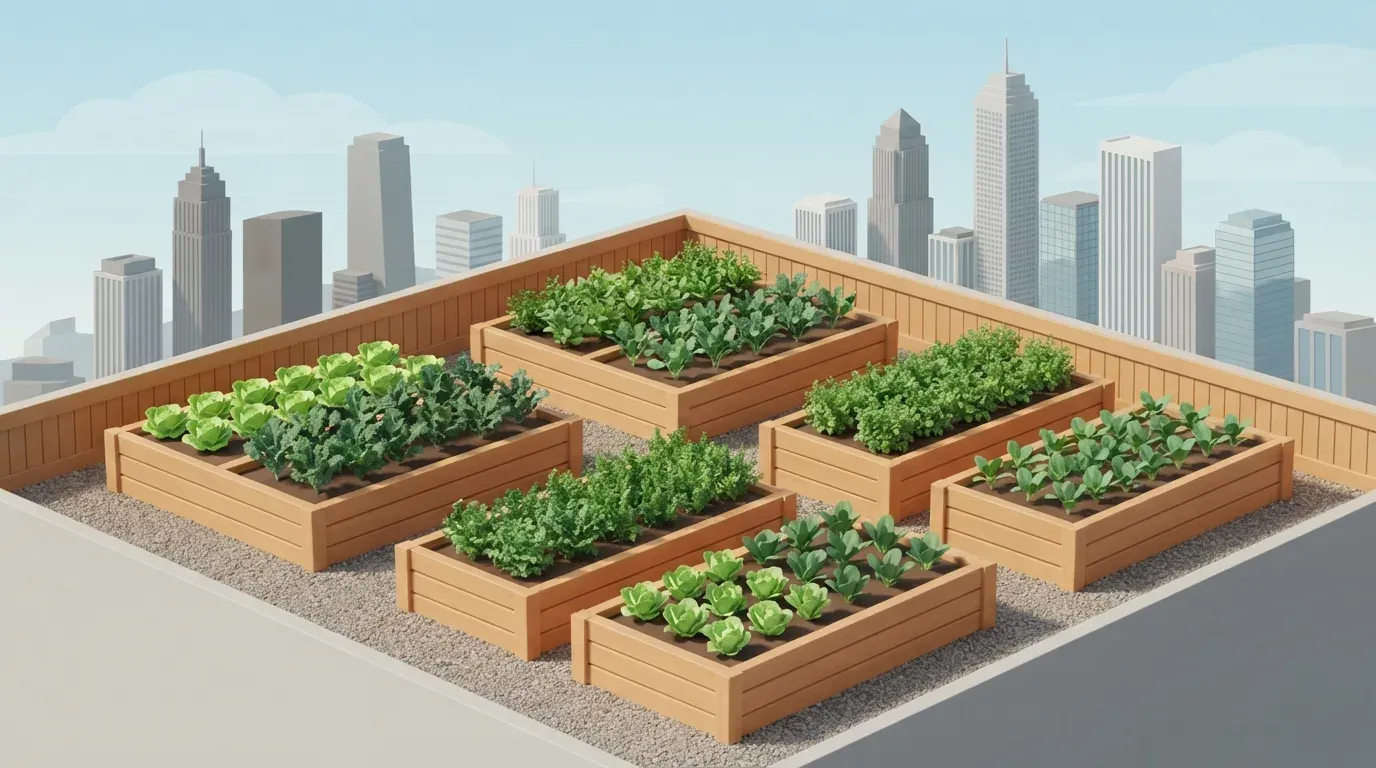 Lesson 23A farm in the middle of DetroitEach and every
 Lesson 24A trash collector with googly eyesFewer and less
Unit 7 Sporting moments
could, was able to and managed to, for, during and while, present tenses for live commentary, question tags
Unit 8 Mysteries and lost worlds
both… and, either… or and neither… nor, uncountable nouns, how sure we are about the future, unless, as long as and in case