Past perfect: zasady czasu zaprzeszłego i ćwiczenia
Poziomy B1–C1 8 planów lekcji · 3 lekcje ćwiczeniowe Ćwiczenia sprawdzane automatycznie
Past perfect, czyli czas zaprzeszły, to had + trzecia forma czasownika. Używamy go, gdy opowieść o przeszłości cofa się do jeszcze wcześniejszego zdarzenia: I realized I had left my phone at home. Tu znajdziesz gotowe lekcje z past perfect z biblioteki edio (liczba lekcji: 8, poziomy B1–C1), wszystkie w amerykańskim angielskim, z historiami o rodzinnych tradycjach, rozmowach o pracę i raportach z awarii. Wypróbuj ćwiczenia, zobacz na schematach, jak ten czas współpracuje z innymi czasami narracyjnymi, i wybierz lekcję dopasowaną do poziomu swojej grupy. Lekcje są interaktywne, a ich ćwiczenia sprawdzają każdą odpowiedź.
Past perfect – plany lekcji i ćwiczenia
8 planów lekcji i 3 lekcje ćwiczeniowe, poziomy B1–C1. Plan lekcji to cała lekcja z czytaniem, słuchaniem i mówieniem, a lekcja ćwiczeniowa to 45–46 ćwiczeń sprawdzanych automatycznie, bez nowego słownictwa.
 B1Plan lekcjiEnglish B1.2
They'd already started without me!
 B1Plan lekcjiEnglish B1.2
What should you do at a powwow?
 B1Plan lekcjiEnglish for IT B1
Tell me about a time when…
 B1ĆwiczeniaGrammar Practice · B1
Past perfect: what had happened before?
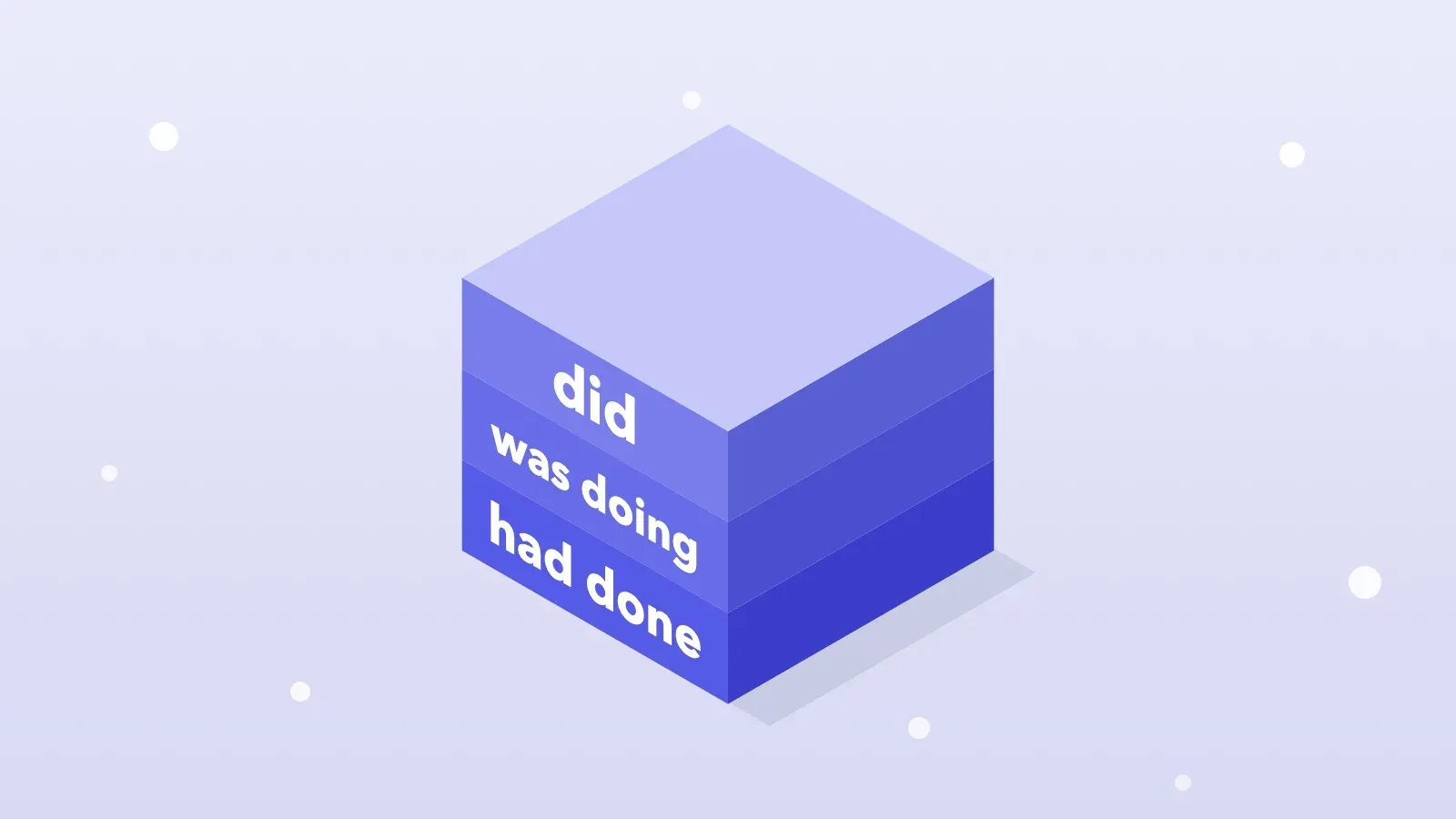 B1ĆwiczeniaGrammar Practice · B1
Narrative tenses: telling a great story
 B2Plan lekcjiEnglish B2.1
Checkmate: the day a computer beat the champion
 B2Plan lekcjiEnglish B2.1
1.8 million Polio Pioneers
 B2Plan lekcjiEnglish B2.1
Six years to the golden spike
 B2Plan lekcjiEnglish for IT B2
The 1202 alarm
 B2ĆwiczeniaGrammar Practice · B2
Past perfect continuous: what had been going on?
 C1Plan lekcjiEnglish for IT C1
Incident! Learning from the CrowdStrike Outage
Past perfect – ćwiczenia online
Po jednym ćwiczeniu z 6 lekcji. To te same ćwiczenia, które twoi uczniowie robią w edio.
Past perfect – zasady i przykłady
Past perfect używamy, gdy opowieść o przeszłości sięga do czegoś, co wydarzyło się jeszcze wcześniej: By the time she called, I had already left. Główne wydarzenia zostają w past simple, w kolejności, w jakiej się wydarzyły, a past perfect pojawia się tylko tam, gdzie kolejność ma znaczenie. Często towarzyszą mu by the time, already i never… before.
Had + trzecia forma dla każdej osoby
Jedna forma pasuje do każdego podmiotu: had + trzecia forma czasownika, jak w The backup had failed. Przeczenie to hadn't, pytanie zaczyna się od Had, a already lub never stoi między had a trzecią formą: I had never used that tool.
| Form | Pattern | Example |
|---|---|---|
| Positive | had + past participle | The backup had failed. |
| Negative | hadn't (had not) + past participle | I hadn't used that tool before. |
| Question | Had + subject + past participle? | Had you worked in QA before? |
| With already / never | had + already / never + past participle | The team had already moved half the data. |
Z lekcji Tell me about a time when… (English for IT B1)
Past simple czy past perfect: co było pierwsze?
Sam czas potrafi zmienić kolejność zdarzeń. When I joined, the team migrated the data: migracja zaczęła się po moim dołączeniu. When I joined, the team had migrated the data: w chwili mojego dołączenia dane były już przeniesione.
Past simple: one thing after another
- When I joined, the team migrated the data.
- First I joined. Then they migrated it.
Past perfect: an earlier past
- When I joined, the team had migrated the data.
- First they migrated it. Then I joined.
Z lekcji Tell me about a time when… (English for IT B1)
By the time, before i never… before
Z by the time późniejsze zdarzenie zostaje w past simple, a wcześniejsze przechodzi do past perfect: By the time we got there, the shop had closed. Tak samo cofają nas w czasie before, never… before i realized that.
| Word | Example |
|---|---|
| by the time | By the time I joined, the team had already migrated half the data. |
| before | Before that project, I had never written a test. |
| after | After we had rolled back, the errors stopped. |
| realized / found out that | We realized that the backup had failed. |
| never… before | I had never used a bug tracker before. |
Z lekcji Tell me about a time when… (English for IT B1)
Czasy narracyjne: trzy czasy, trzy zadania
Opowieść łączy trzy czasy przeszłe: past continuous buduje tło, past simple podaje kolejne wydarzenia, a past perfect sięga dalej wstecz. Wszystkie trzy zmieszczą się w jednym zdaniu: I was checking the logs when I noticed that the job had stopped.
Three tenses, three jobs
| Tense | Form | Job in the story | Example |
|---|---|---|---|
| Past simple | worked / went (didn't work) | the main events, in order | The alarm appeared, and Bales said “go”. |
| Past continuous | was / were + -ing | the background: in progress when something happened | Diego was watching the queue graph when… |
| Past perfect | had + past participle (hadn't + past participle) | a jump back: earlier than the moment you are telling | The team had gone through every alarm code before the flight. |
One sentence, three tenses
background: was / were + -ingevent: past simpleearlier: had + past participle
Diego was watching the graph when he noticed that the job had stopped.
Payments were coming in fast when the scheduler paused a job that the team had marked as low priority.
Z lekcji The 1202 alarm (English for IT B2)
Had been + -ing: past perfect continuous
Tabela z poziomu C1 dodaje czwarty czas narracyjny, had been + -ing, dla wcześniejszej czynności, która trwała aż do pewnego momentu w przeszłości: The tests had been passing for weeks, so nobody looked closely. Pojedyncze wcześniejsze zdarzenie zostaje w zwykłym past perfect.
| Tense | Form | Use it for | Example |
|---|---|---|---|
| past simple | worked, went | the main events, in order | The change went out, errors started and Tom rolled it back. |
| past continuous | was / were + -ing | the background: an action in progress when something happened | Rui was writing a test when the alert fired. |
| past perfect | had + past participle | an earlier event, when the order matters | By the time Lena joined, Tom had already rolled back the change. |
| past perfect continuous | had been + -ing | an earlier activity that lasted up to that moment | The tests had been passing for weeks, so nobody looked closely. |
Z lekcji Incident! Learning from the CrowdStrike Outage (English for IT C1)
Pytania o past perfect
Kiedy używamy czasu past perfect?
Jak tworzy się past perfect?
Czym różni się past perfect od past simple?
Czy w języku polskim jest czas zaprzeszły?
Co to są czasy narracyjne (narrative tenses)?
Czym różni się past perfect od past perfect continuous?
Czy po before i after zawsze trzeba użyć past perfect?
Jak uczyć past perfect na poziomie B1?
Jakie pytania i zabawy pasują do past perfect?
Czy są interaktywne ćwiczenia z past perfect?
Więcej gramatyki angielskiej
Lekcje do każdego zagadnienia gramatycznego, od czasownika to be po mowę zależną. Wszystkie zagadnienia