Pytania: jak je tworzyć w angielskim – zasady i lekcje
Poziomy A1–B2 16 planów lekcji · 8 lekcji ćwiczeniowych Ćwiczenia sprawdzane automatycznie
Pytania w angielskim, od Do you…? po question tags (pytania rozłączne), mają inny szyk niż zdania twierdzące: be albo czasownik posiłkowy stoi przed podmiotem, jak w Are you hungry? i When did Bell make his first call? Ta strona zbiera gotowe lekcje o pytaniach z biblioteki edio (liczba lekcji: 16, poziomy A1–B2), wszystkie w amerykańskim angielskim. Prowadzą od pytań typu tak/nie i pytań z wh- przez pytania o podmiot i dopełnienie po pytania pośrednie i question tags. Rozwiąż kilka zadań z tych lekcji, przeczytaj zasady z ich schematów i wybierz lekcję według poziomu.
Pytania – plany lekcji i ćwiczenia
16 planów lekcji i 8 lekcji ćwiczeniowych, poziomy A1–B2. Plan lekcji to cała lekcja z czytaniem, słuchaniem i mówieniem, a lekcja ćwiczeniowa to 44–46 ćwiczeń sprawdzanych automatycznie, bez nowego słownictwa.
 A1Plan lekcjiEnglish A1.1
Six languages at the UN
 A1Plan lekcjiEnglish A1.1
New York pizza or Chicago deep-dish?
 A1Plan lekcjiEnglish A1.2
What size are these boots?
 A1Plan lekcjiEnglish A1.2
Does it rain in the desert?
 A1Plan lekcjiEnglish A1.2
What time does the ferry leave?
 A1Plan lekcjiEnglish A1.2
How long is a blue whale?
 A1ĆwiczeniaGrammar Practice · A1
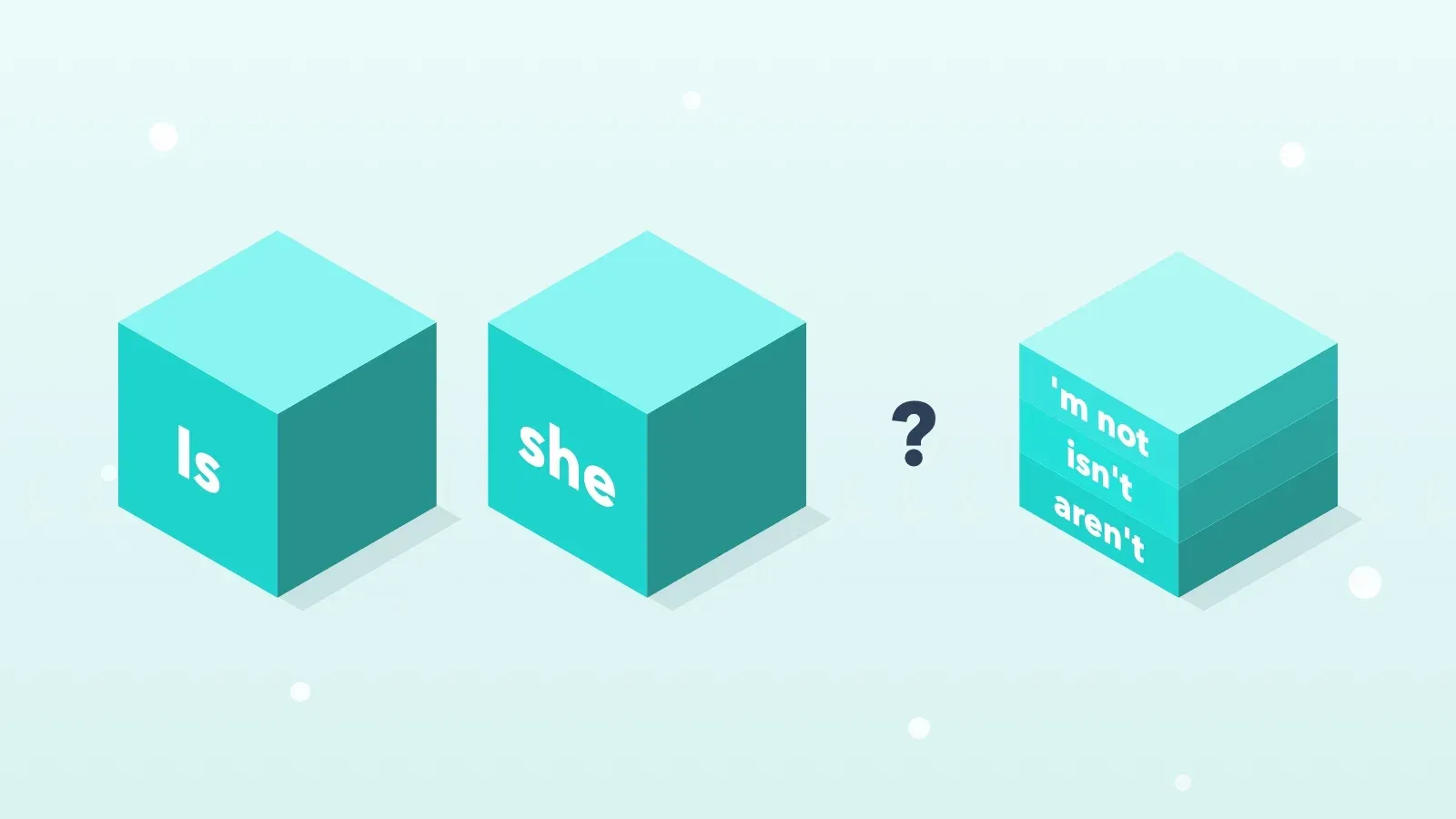
To be negatives and questions: is it your bag?
 A1ĆwiczeniaGrammar Practice · A1
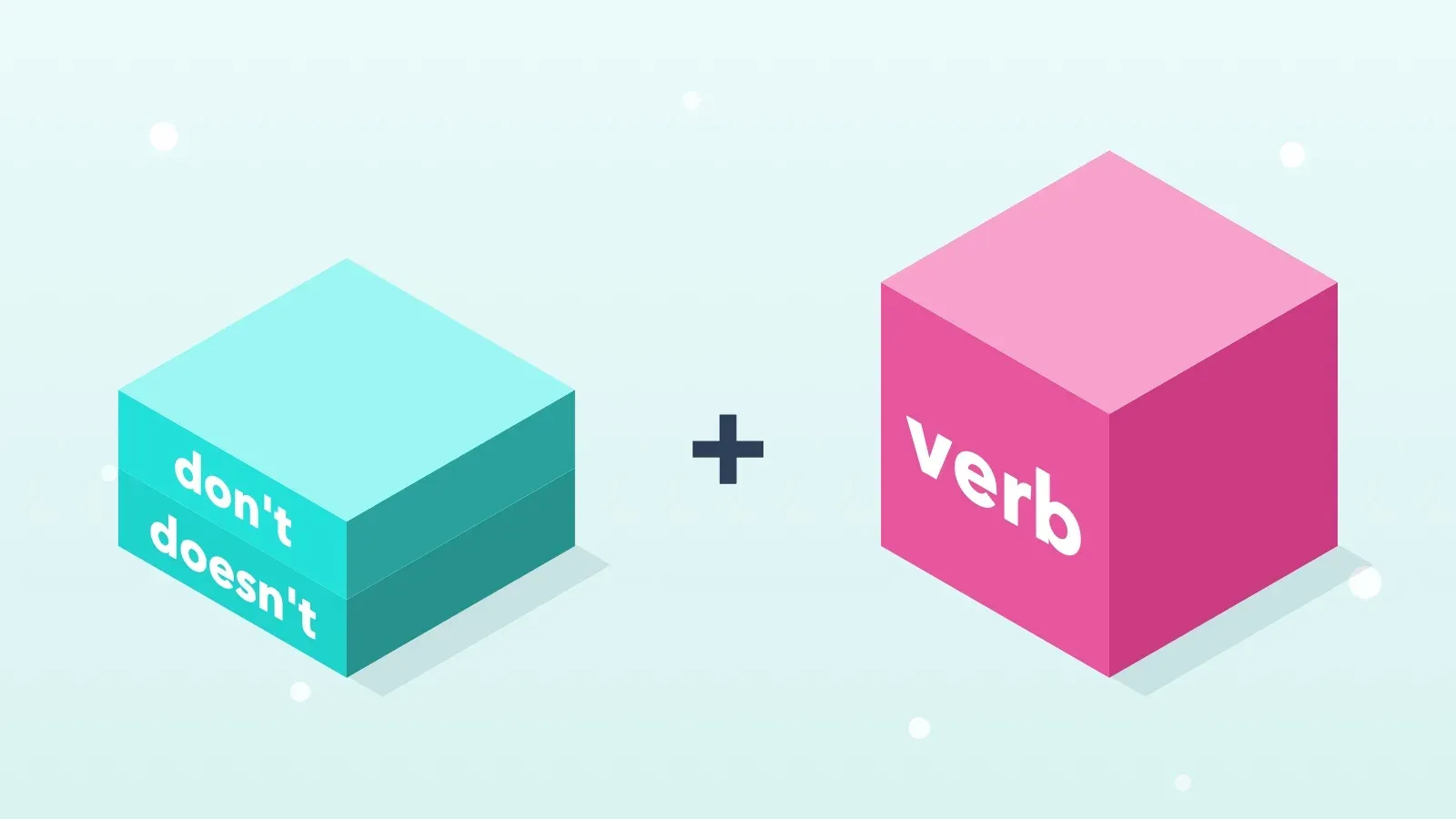
Present simple: don't, doesn't, do you…?
 A1ĆwiczeniaGrammar Practice · A1
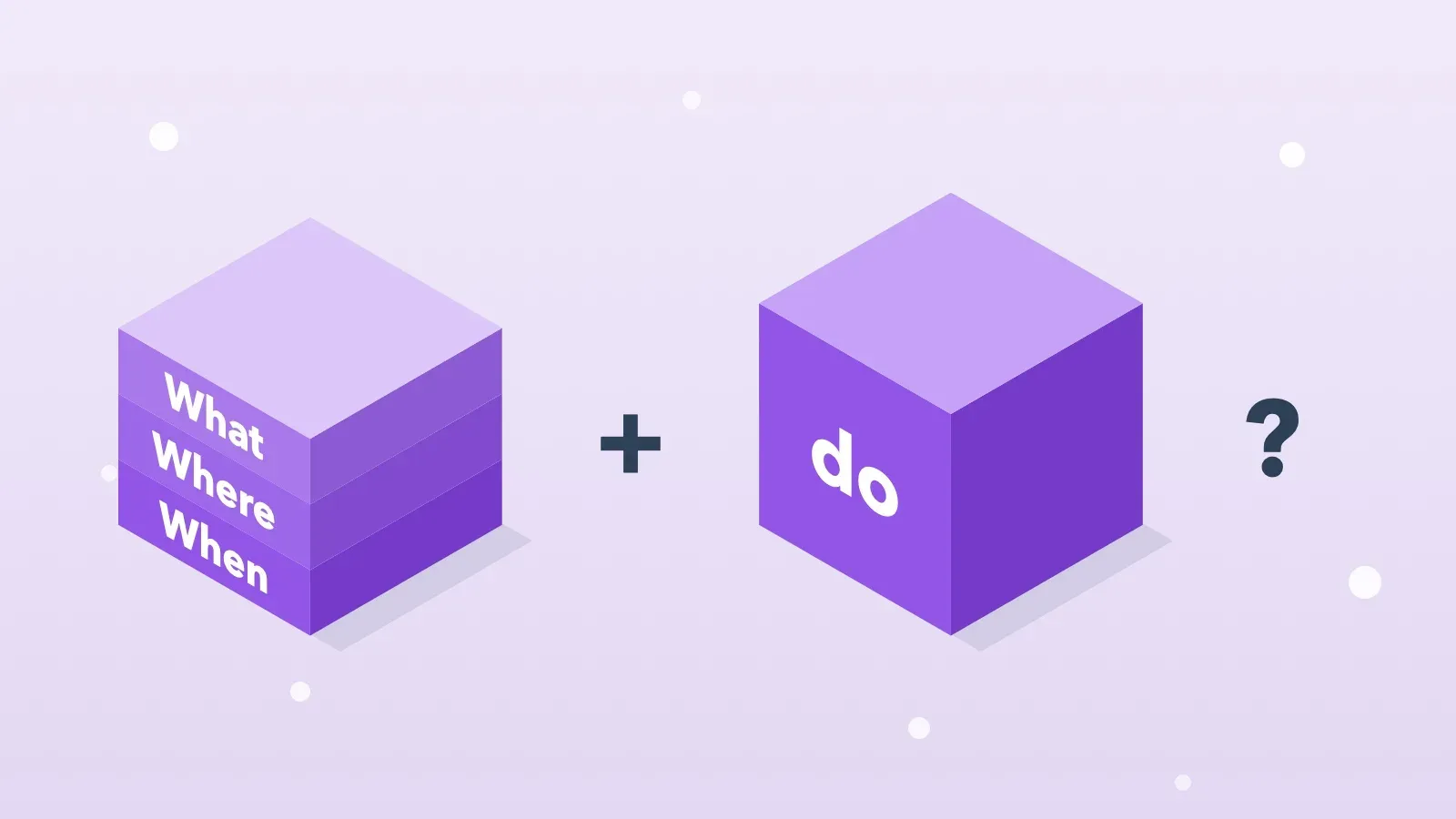
Wh- questions: what, where, when, why?
 A2Plan lekcjiEnglish A2.1
A real bug in the computer
 A2Plan lekcjiEnglish A2.1
“Mr. Watson, come here”
 A2Plan lekcjiEnglish A2.2
The girl who tests water
 A2ĆwiczeniaGrammar Practice · A2
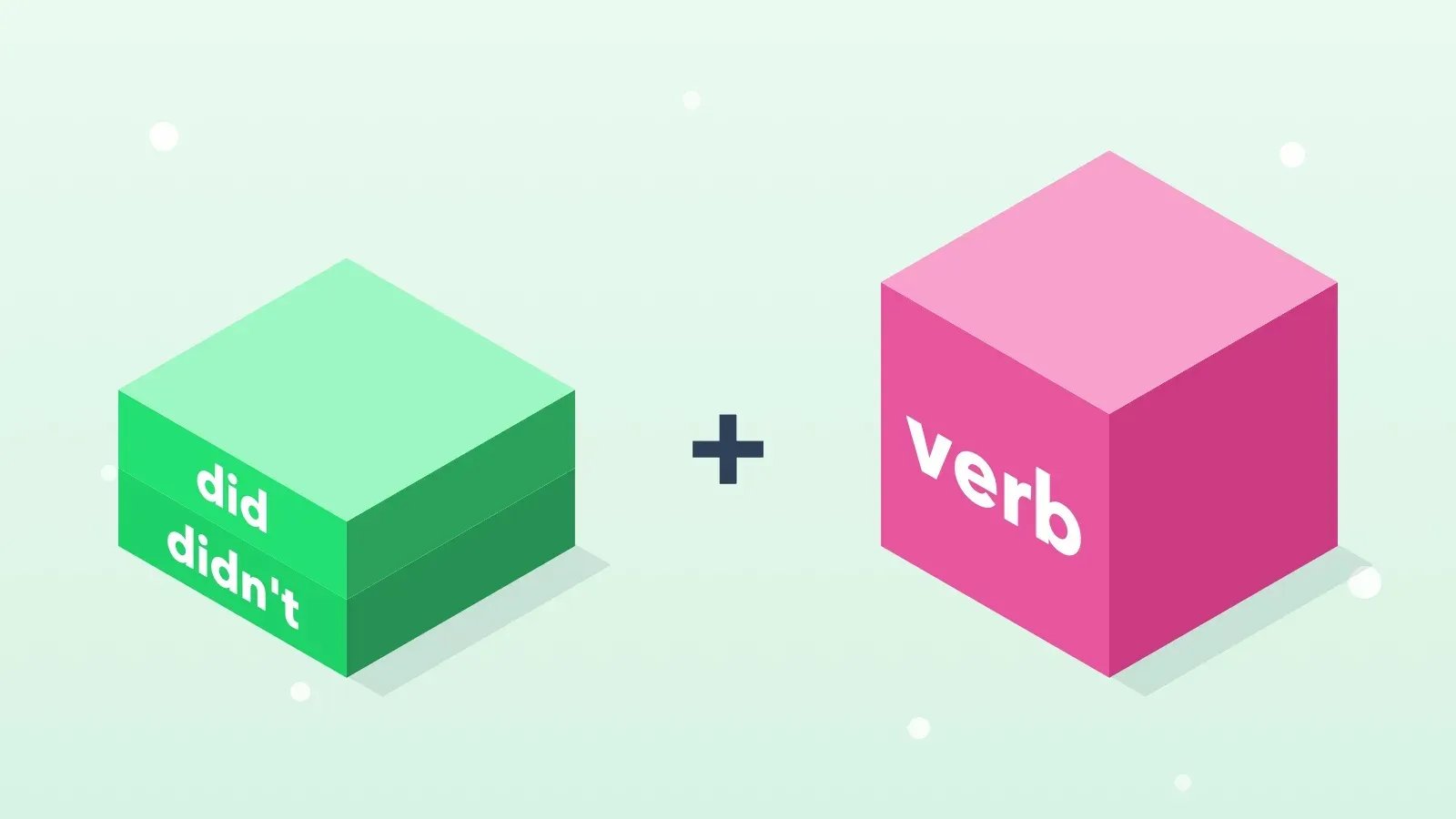
Past simple negatives and questions: where did the cake go?
 A2ĆwiczeniaGrammar Practice · A2
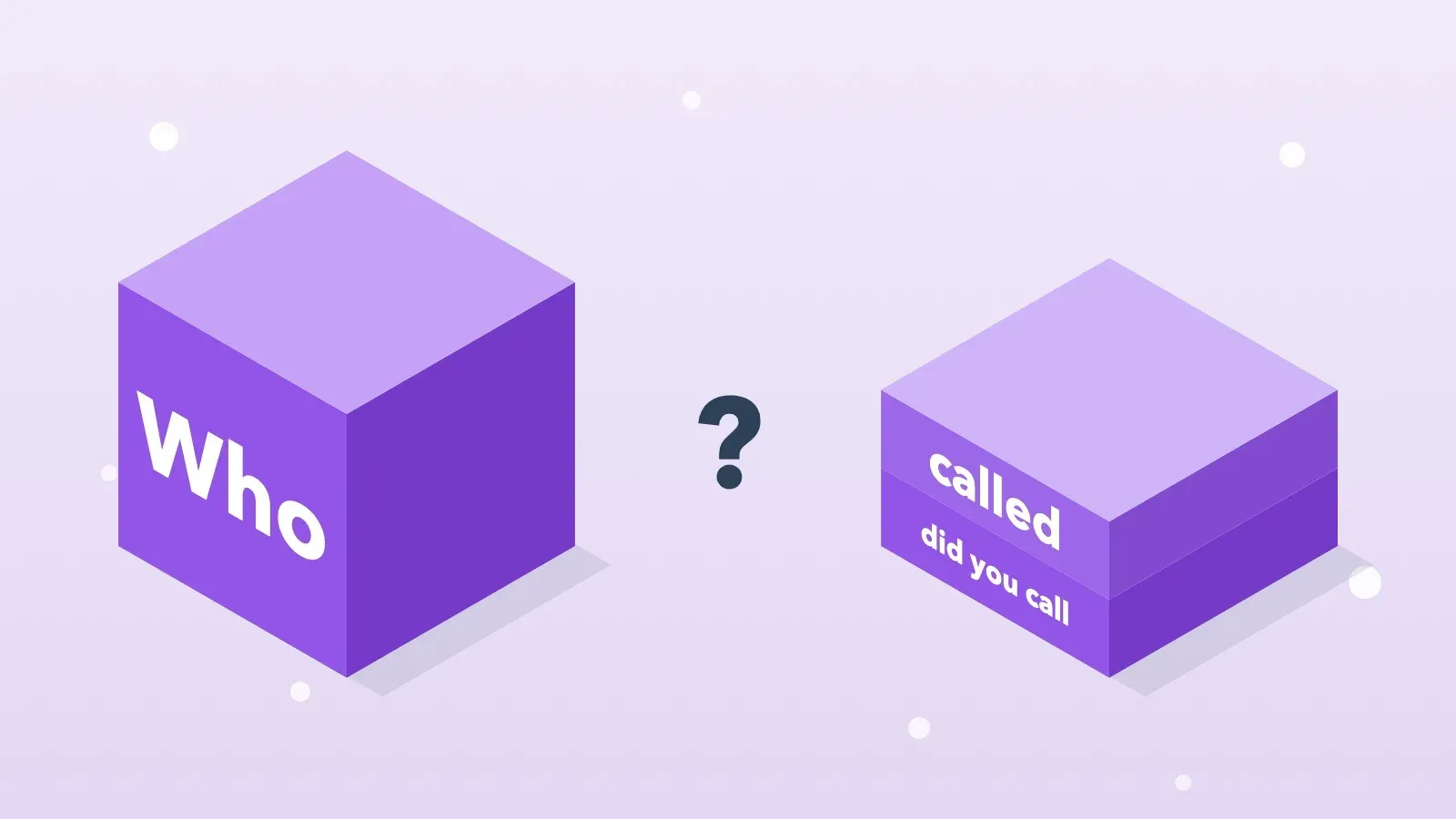
Subject and object questions: who won the quiz?
 B1Plan lekcjiEnglish B1.1
My suitcase has gone to Honolulu!
 B1Plan lekcjiEnglish B1.1
Why do high jumpers go backward?
 B1Plan lekcjiEnglish for IT B1
Write your personal README
 B1Plan lekcjiEnglish for IT B1
Just say what you need
 B1ĆwiczeniaGrammar Practice · B1
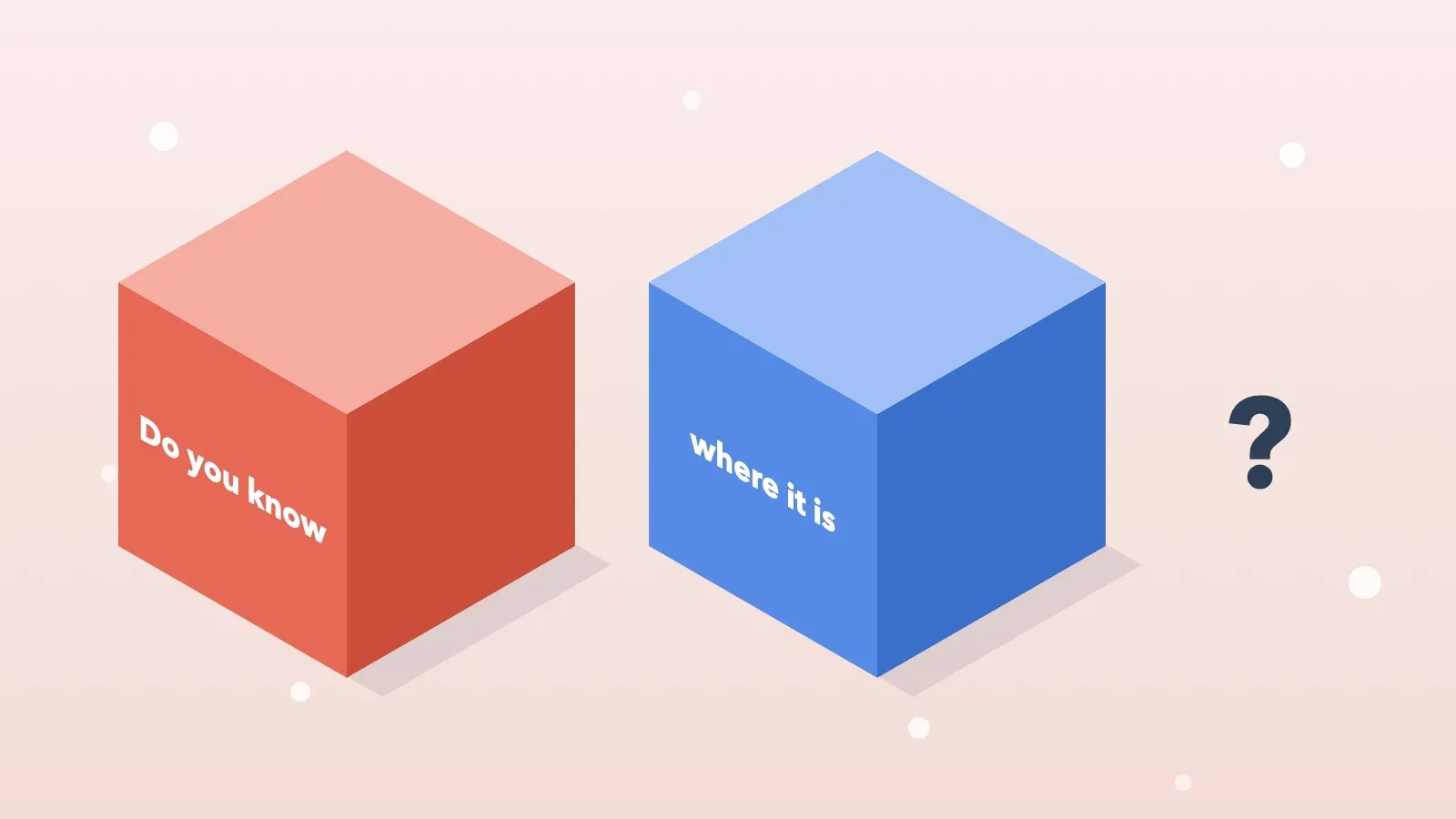
Indirect questions: could you tell me where it is?
 B1ĆwiczeniaGrammar Practice · B1
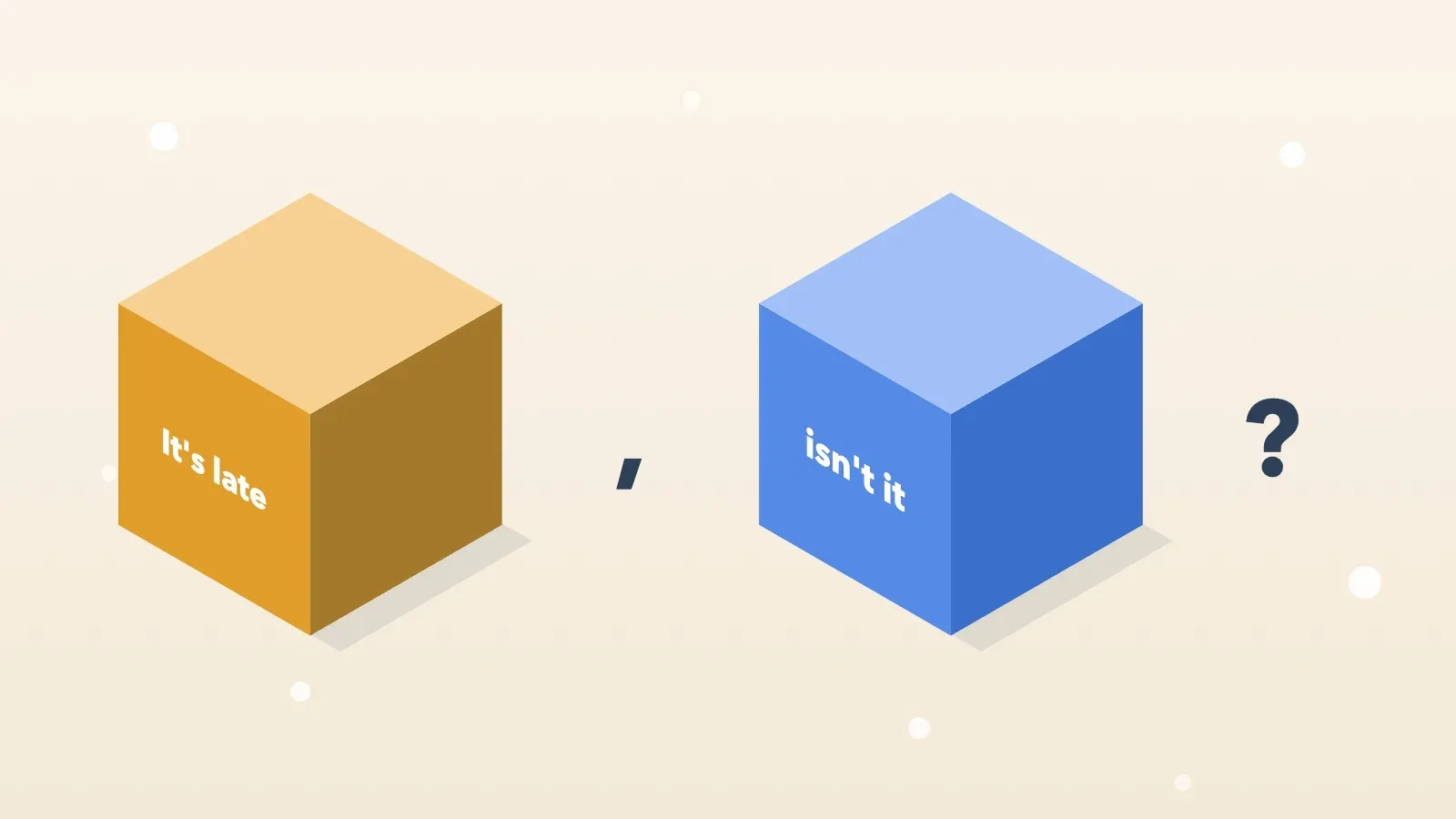
Question tags: it's your first day, isn't it?
 B2Plan lekcjiBusiness English B2
The Business Lunch
 B2Plan lekcjiBusiness English B2
Emails That Get Answers
 B2Plan lekcjiEnglish B2.2
Conversations kept for history
 B2ĆwiczeniaGrammar Practice · B2
Negative and echo questions: didn't you know?
Pytania w angielskim – ćwiczenia online
Po jednym ćwiczeniu z 6 lekcji. To te same ćwiczenia, które twoi uczniowie robią w edio.
Pytania – zasady i przykłady
Pytaniem typu tak/nie sprawdzamy fakt (Is it in English?), a pytaniem z wh- zdobywamy informację (What size are these boots?). Pytania o podmiot dotyczą wykonawcy czynności, pytania pośrednie brzmią grzeczniej, a question tags pomagają upewnić się co do faktu albo zachęcić rozmówcę do potwierdzenia.
Pytania tak/nie: Are you…? czy Do you…?
Z be sam czasownik stoi na początku: Are you hungry? Inne czasowniki potrzebują do lub does przed podmiotem: Do you like pizza? (a nie Are you like pizza?). Krótka odpowiedź powtarza to pierwsze słowo: Yes, I am. No, they don't.
be: Are you…?
- Are you hungry? – Yes, I am.
- Are they from Chicago? – No, they aren't.
a verb: Do you…?
- Do you like pizza? – Yes, I do.
- Do they eat deep-dish? – No, they don't.
Z lekcji New York pizza or Chicago deep-dish? (English A1.1)
Pytania z wh-: słowo pytające + do/does + czasownik
Pytanie z wh- zaczyna się od słowa pytającego, po nim stoi do lub does, podmiot i forma podstawowa: What time does the ferry leave? Końcówka -s z leaves przechodzi na does, więc czasownik główny jej nie ma.
he, she, it: question word + does + verb
What time / Where / When / How longdoeshe / she / it / the ferryverb (no -s)
What time does the ferry leave?
Where does it go?
How long does it take?
Question words
| Question | Answer |
|---|---|
| What time does the ferry leave? | At 9:50. |
| Where does it go? | To Bainbridge Island. |
| When does it arrive? | At 10:25. |
| How long does it take? | About 35 minutes. |
| What does Kofi drive? | A bus. |
Z lekcji What time does the ferry leave? (English A1.2)
Pytania w przeszłości: did + forma podstawowa
W przeszłości did pasuje do każdej osoby, a czasownik wraca do formy podstawowej: Did they find a moth? (a nie Did they found…?). Pytania z was i were w ogóle nie mają did: Was it a real bug?
Other verbs: Did + base form
- Did Edison use the word “bug”? – Yes, he did.
- Did the Mark II stay at Harvard? – No, it didn't.
be: Was / Were, no did
- Was it a real bug? – Yes, it was.
- Were the engineers at Harvard? – Yes, they were.
Z lekcji A real bug in the computer (English A2.1)
Pytania o podmiot i dopełnienie: Who invented it?
Gdy who lub what pyta o wykonawcę, pytanie zachowuje szyk zdania twierdzącego i nie potrzebuje do, does ani did: Who invented Tethys? Pytanie o dopełnienie przywraca did: What did Gitanjali invent?
Ask about the doer: Gitanjali
- Gitanjali invented Tethys.
- Who invented Tethys?
- – Gitanjali Rao did.
Ask about the object: Tethys
- Gitanjali invented Tethys.
- What did Gitanjali invent?
- – Tethys.
Z lekcji The girl who tests water (English A2.2)
Pytania pośrednie: Do you know where…?
Po Do you know…? albo Could you tell me…? pytanie w środku ma szyk zdania twierdzącego i traci do, does i did: Can you tell me where the logs are? Pytanie typu tak/nie dostaje if lub whether: Do you know if it works on iOS?
| Direct question | Indirect question |
|---|---|
| Where are the logs? | Can you tell me where the logs are? |
| When is the release? | Could you tell me when the release is? |
| What does this error mean? | Do you know what this error means? |
| Why did the build fail? | Do you know why the build failed? |
| Does it work on iOS? | Do you know if / whether it works on iOS? |
| Is the API down? | Do you know if / whether the API is down? |
Z lekcji Just say what you need (English for IT B1)
Question tags: zdanie twierdzące, przeczący tag
Po zdaniu twierdzącym stoi przeczący tag, a po przeczącym – twierdzący. Tag powtarza be, czasownik posiłkowy albo modalny: You've met Jess, haven't you? It isn't far, is it? Gdy w zdaniu nie ma czasownika posiłkowego, w tagu pojawia się do, does lub did.
Plus becomes minus, minus becomes plus
Positive statement → negative tag
- It's a lovely view, isn't it?
- You've met Jess, haven't you?
- We can walk there, can't we?
Negative statement → positive tag
- It isn't far, is it?
- You haven't been to Portland before, have you?
- You won't be late, will you?
Which verb goes in the tag?
| Statement | Tag | Rule |
|---|---|---|
| The tasting was great, | wasn't it? | be: repeat it |
| You've tried the Kenyan, | haven't you? | auxiliary have: repeat it |
| We should book a table, | shouldn't we? | modals (will, can, would, should): repeat them |
| Ana travels a lot, | doesn't she? | present simple: do / does |
| You flew in last night, | didn't you? | past simple: did |
| Claire met you in Amsterdam, | didn't she? | a name or a noun becomes a pronoun in the tag |
Z lekcji The Business Lunch (Business English B2)
Pytania o tworzenie pytań
Jak tworzy się pytania z do, does i did?
Czym pytania w języku angielskim różnią się od polskich?
Jakie są słowa pytające w angielskim?
Czym różnią się pytania o podmiot od pytań o dopełnienie?
Co to są pytania pośrednie w angielskim?
Co to są question tags i jak je tworzyć?
Czy są interaktywne ćwiczenia z pytań w angielskim?
Jak uczyć początkujących zadawania pytań?
Jakie gry pomagają ćwiczyć zadawanie pytań?
Czy lekcje o pytaniach sprawdzą się na zajęciach indywidualnych i jako praca domowa?
Więcej gramatyki angielskiej
Lekcje do każdego zagadnienia gramatycznego, od czasownika to be po mowę zależną. Wszystkie zagadnienia