Czasowniki modalne: can, should, must, might – zasady i gotowe lekcje
Poziomy A1–C1 31 planów lekcji · 10 lekcji ćwiczeniowych Ćwiczenia sprawdzane automatycznie
Czasowniki modalne w angielskim (modal verbs), takie jak can, should, must i might, stoją przed innym czasownikiem i wyrażają umiejętność, radę, obowiązek albo stopień pewności: She can swim, You should rest. W bibliotece edio znajdziesz gotowe lekcje o czasownikach modalnych (liczba lekcji: 31, poziomy A1–C1), od can przy hobby po must have w raporcie z incydentu. Rozwiąż ćwiczenia, przeczytaj zasady każdego czasownika na schematach z lekcji i wybierz lekcję dla swojej grupy według poziomu. Lekcje są interaktywne i w amerykańskim angielskim.
Czasowniki modalne – plany lekcji i ćwiczenia
31 planów lekcji i 10 lekcji ćwiczeniowych, poziomy A1–C1. Plan lekcji to cała lekcja z czytaniem, słuchaniem i mówieniem, a lekcja ćwiczeniowa to 43–47 ćwiczeń sprawdzanych automatycznie, bez nowego słownictwa.
 A1Plan lekcjiEnglish A1.1
Can you play Scrabble?
 A1Plan lekcjiEnglish A1.1
Can you surf?
 A1Plan lekcjiEnglish A1.1
Review: a book for every child
 A1Plan lekcjiEnglish A1.2
Can I try it on? The Santa Fe Indian Market
 A1ĆwiczeniaGrammar Practice · A1
Can and can't: I can swim
 A2Plan lekcjiEnglish A2.1
Twelve seconds in the air
 A2Plan lekcjiEnglish A2.1
Good neighbors shovel snow
 A2Plan lekcjiEnglish A2.1
Open in the year 6939
 A2Plan lekcjiEnglish A2.2
Do you have to wear a uniform?
 A2Plan lekcjiEnglish A2.2
Stop for the yellow bus!
 A2Plan lekcjiEnglish A2.2
A class trip to the Smithsonian
 A2Plan lekcjiEnglish A2.2
One room, one teacher, every grade
 A2ĆwiczeniaGrammar Practice · A2
Must and have to: what are the rules?
 A2ĆwiczeniaGrammar Practice · A2
Should: what should I do?
 A2ĆwiczeniaGrammar Practice · A2
Can, could, may: could you help me, please?
 B1Plan lekcjiEnglish B1.1
Would you jump off a moving boat for a job?
 B1Plan lekcjiEnglish B1.1
Who sent the first spam?
 B1Plan lekcjiEnglish B1.1
Is your password really safe?
 B1Plan lekcjiEnglish B1.1
From a leg brace to three golds
 B1Plan lekcjiEnglish B1.2
It must be here somewhere!
 B1Plan lekcjiEnglish B1.2
How did Houdini get out?
 B1Plan lekcjiEnglish for IT B1
Help, I'm blocked!
 B1Plan lekcjiEnglish for IT B1
Could we maybe…?
 B1ĆwiczeniaGrammar Practice · B1
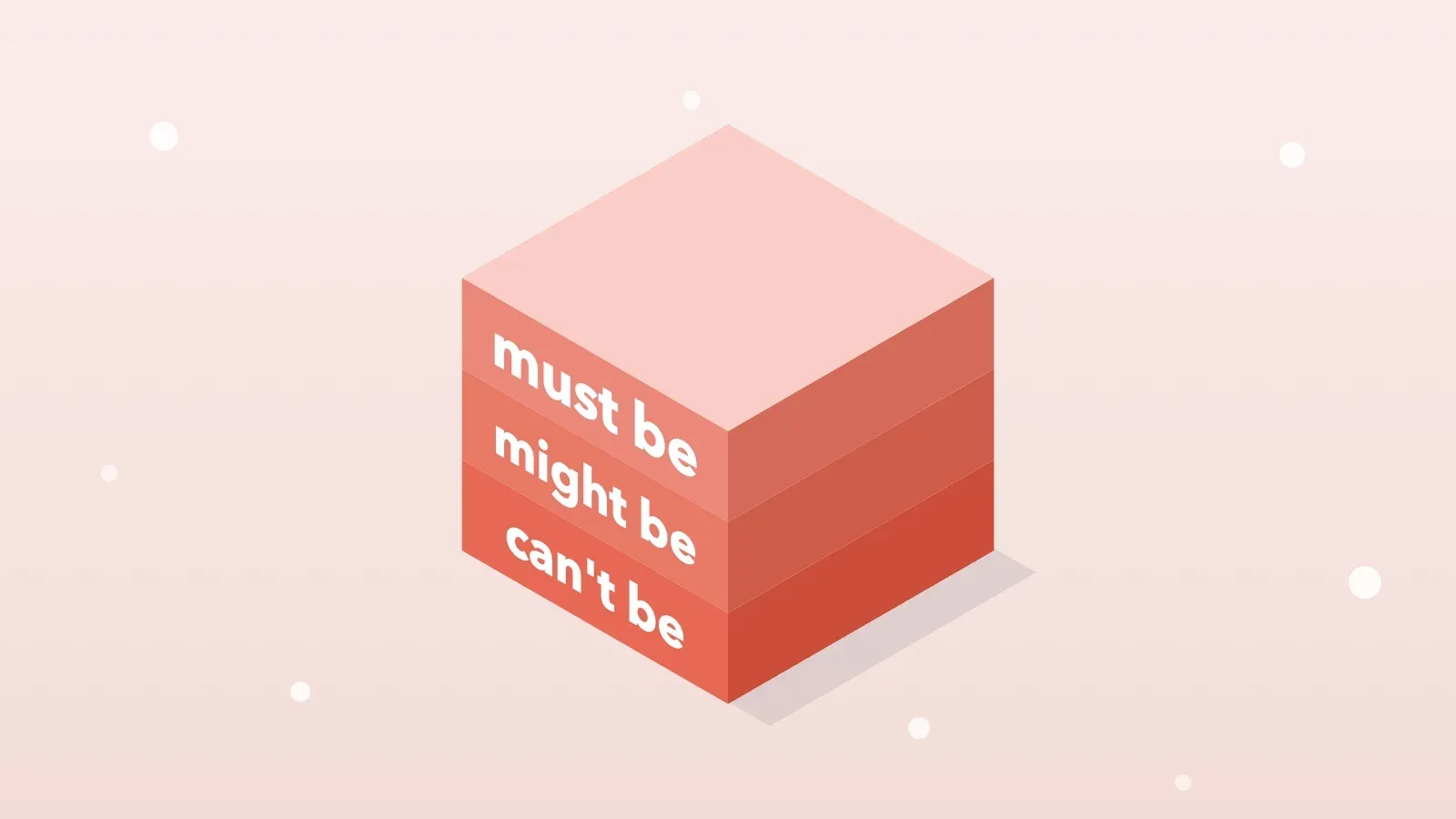
Modal verbs: can, must, should or might?
 B1ĆwiczeniaGrammar Practice · B1
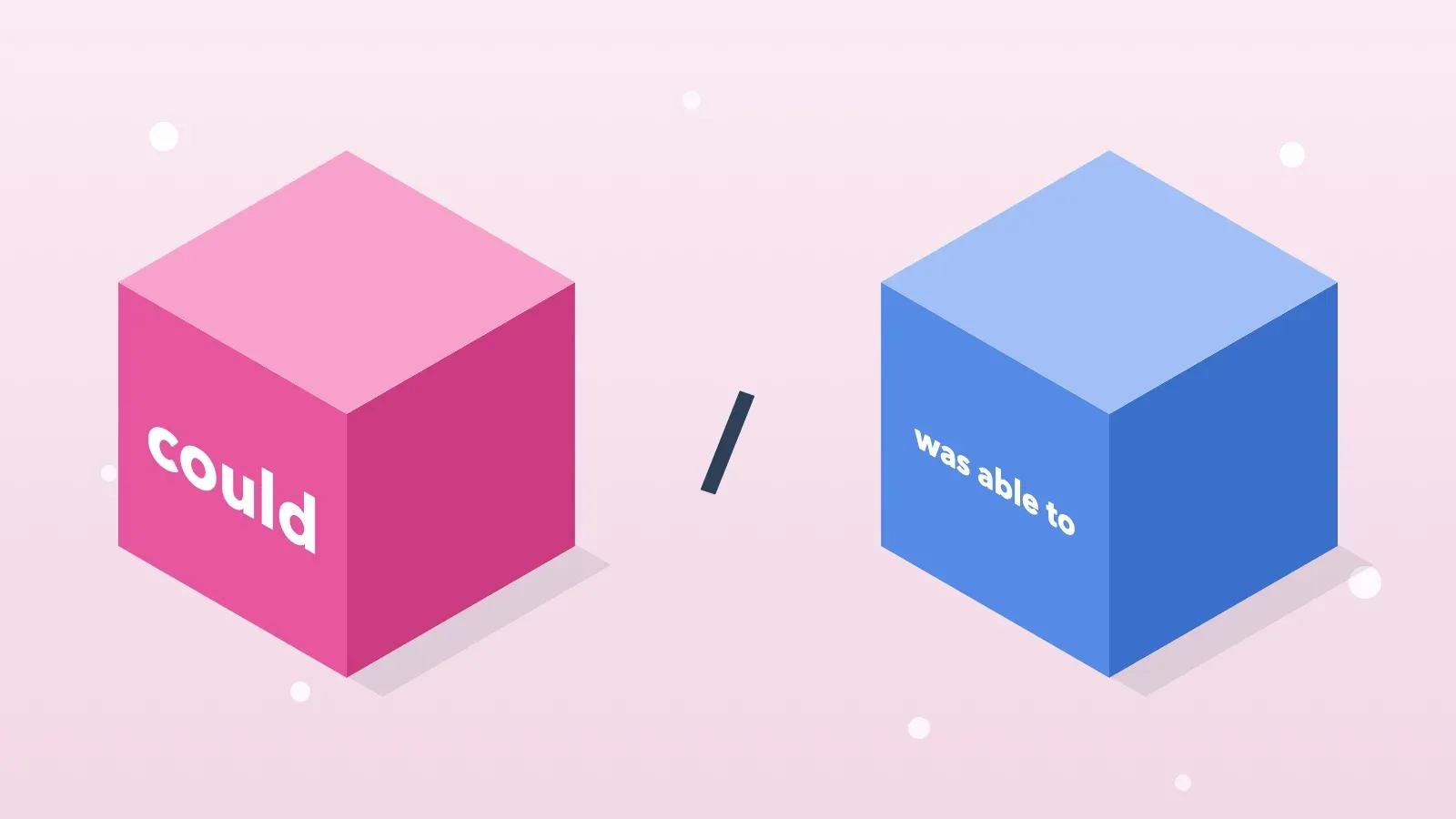
Could, was able to, managed to: did you make it?
 B1ĆwiczeniaGrammar Practice · B1
Modals of deduction: whose bag could it be?
 B2Plan lekcjiBusiness English B2
Travel and Expenses: Can I Claim That?
 B2Plan lekcjiBusiness English B2
Giving Feedback
 B2Plan lekcjiBusiness English B2
Working Across Cultures
 B2Plan lekcjiEnglish B2.1
One marshmallow now or two later?
 B2Plan lekcjiEnglish B2.1
How did one man write down a language?
 B2Plan lekcjiEnglish B2.1
The joke that needed a smiley
 B2Plan lekcjiEnglish B2.2
Who decided a week is 40 hours?
 B2Plan lekcjiEnglish for IT B2
MUST, SHOULD or MAY?
 B2Plan lekcjiEnglish for IT B2
It's always DNS
 B2Plan lekcjiEnglish for IT B2
Change your password? Maybe not
 B2ĆwiczeniaGrammar Practice · B2
Would rather, had better and it's time: the couch crisis
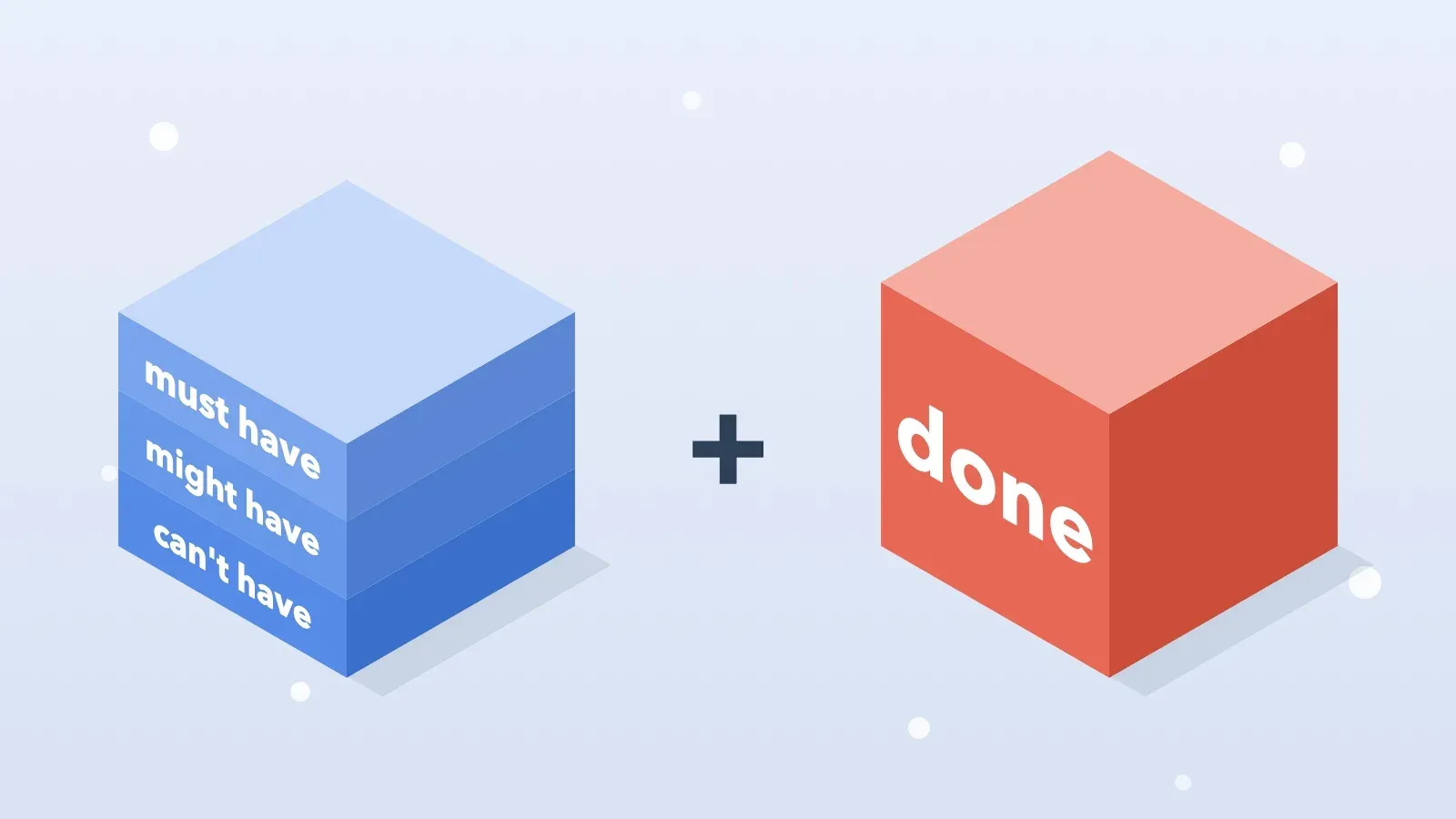 B2ĆwiczeniaGrammar Practice · B2
Past modals of deduction: what must have happened here?
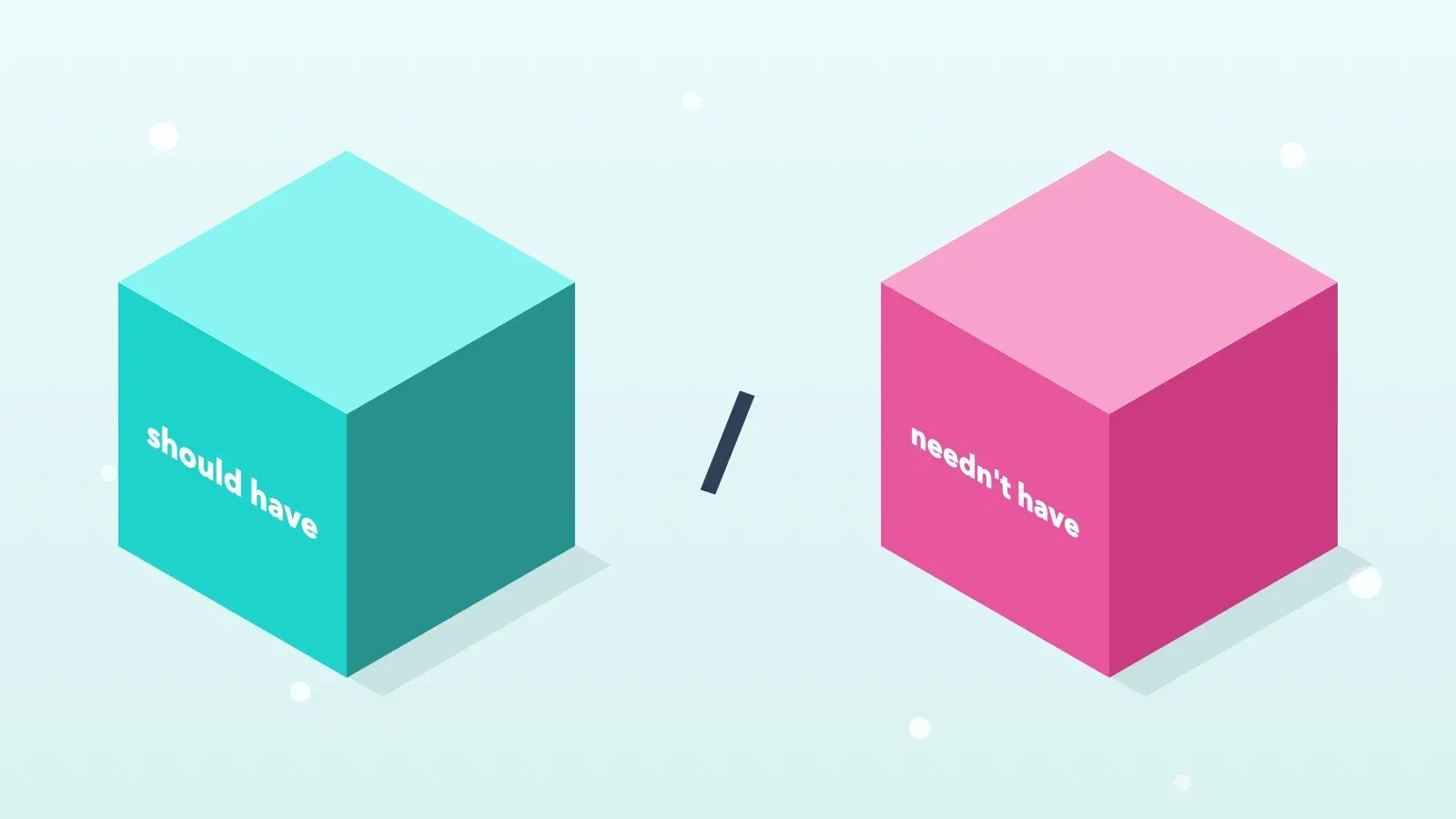 B2ĆwiczeniaGrammar Practice · B2
Should have and needn't have: what went wrong?
 C1Plan lekcjiEnglish for IT C1
Incident! Learning from the CrowdStrike Outage
 C1Plan lekcjiEnglish for IT C1
AI at Work: Writing the Team's Rules
Czasowniki modalne – ćwiczenia online
Po jednym ćwiczeniu z 6 lekcji. To te same ćwiczenia, które twoi uczniowie robią w edio.
Czasowniki modalne – zasady i przykłady
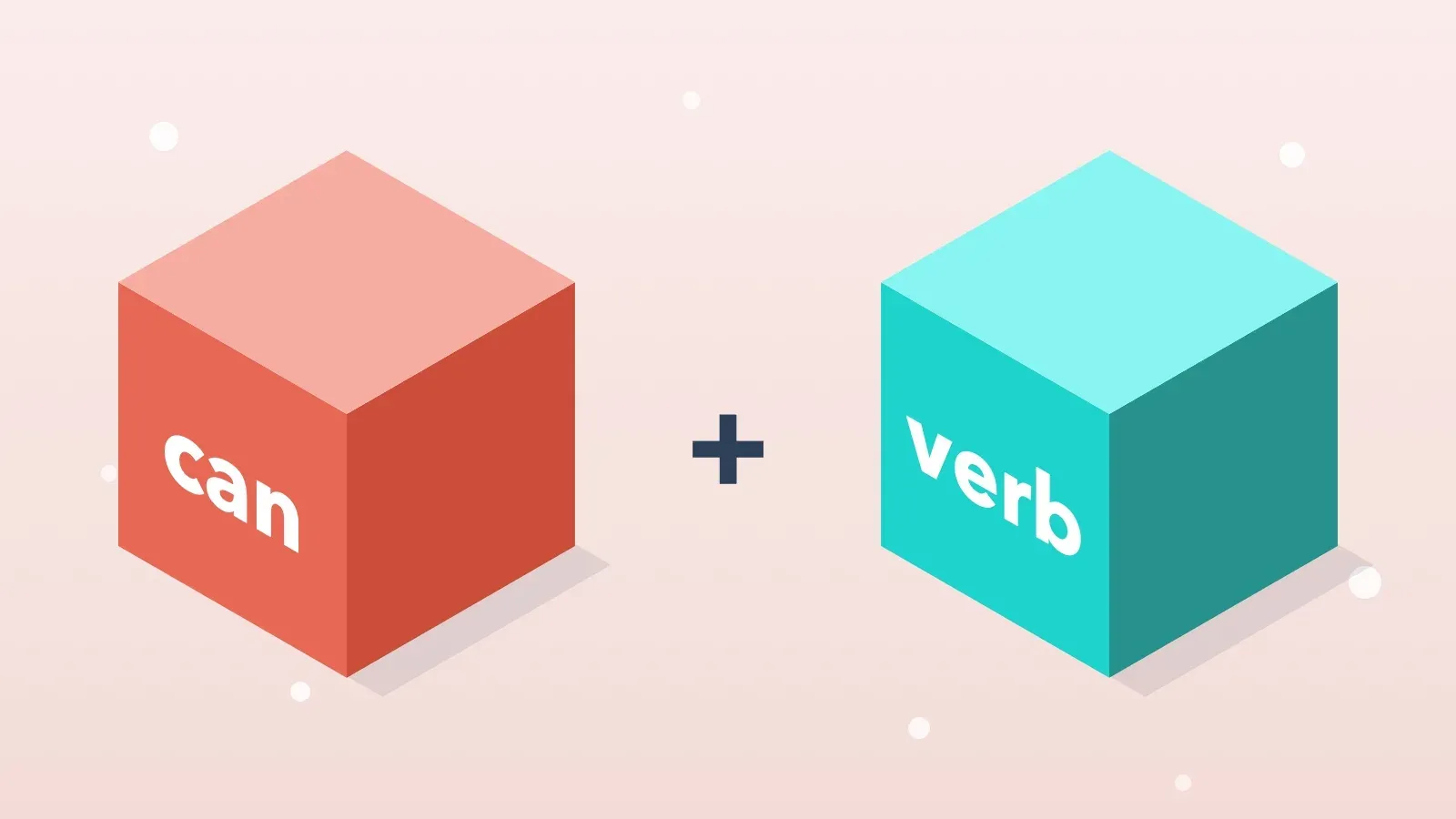
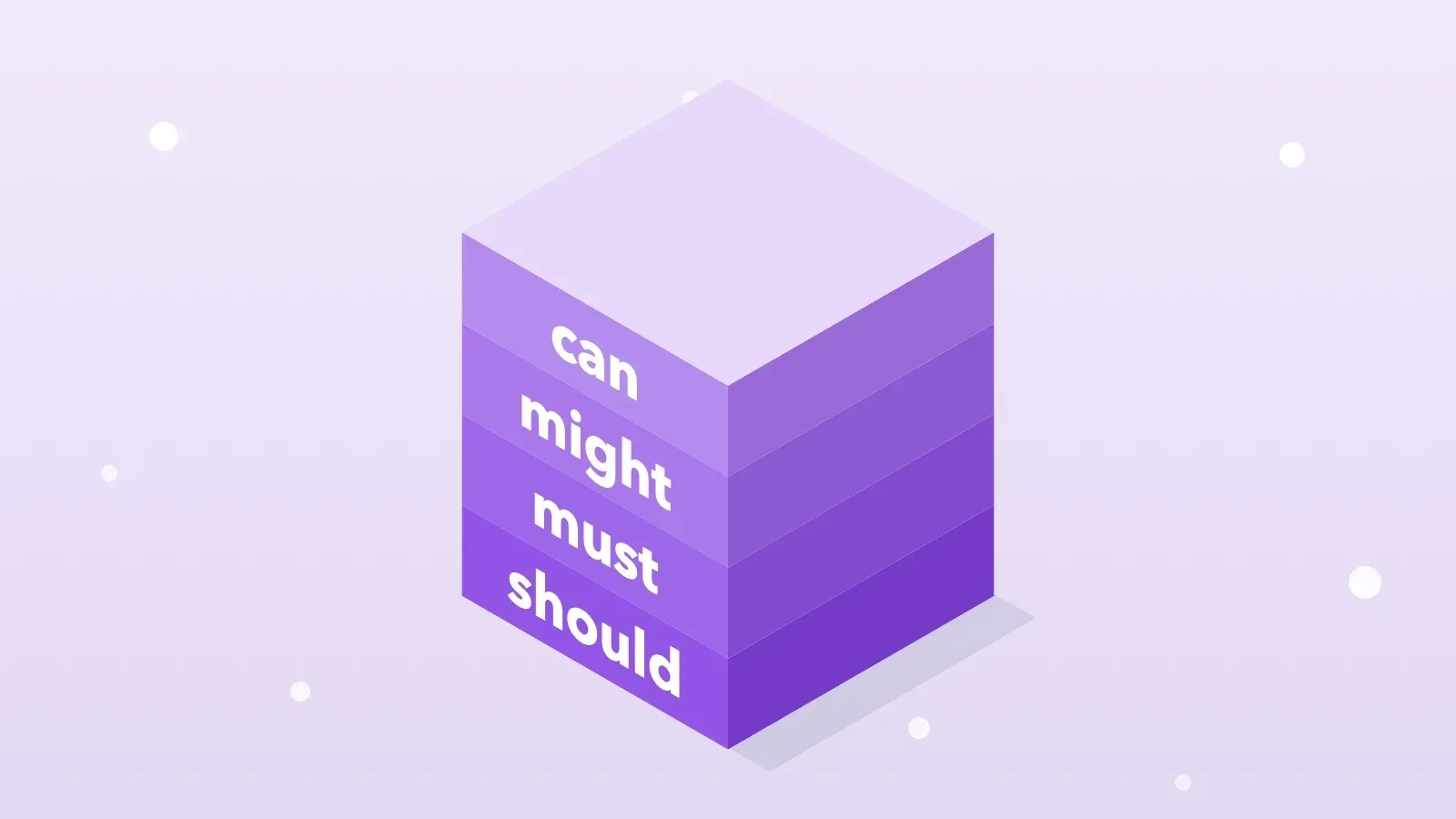
Czasowniki modalne wyrażają umiejętność (can, could), prośbę i pozwolenie (Can I…?), radę (should), obowiązek (must, have to) i przypuszczenie (might, can't). Can, should, must i might nie dostają -s, a czasownik po nich stoi bez to: She can draw, a nie She cans draw ani She can to draw. Pytanie zaczyna się od czasownika modalnego, bez do: Can you surf?
Can i can't: umiejętności
Can mówi, że ktoś coś umie albo potrafi, a can't (cannot) – że nie. Obie formy są takie same dla każdej osoby: He can cook, We can't play chess, a o papudze: It can talk.
| Who? | ✅ can | ❌ can't |
|---|---|---|
| I | I can draw. | I can't draw. |
| you | You can sing. | You can't sing. |
| he | He can cook. | He can't cook. |
| she | She can dance. | She can't dance. |
| it | It can talk. 🦜 | It can't draw. 🦜 |
| we | We can play chess. | We can't play chess. |
| they | They can take photos. | They can't take photos. |
Z lekcji Can you play Scrabble? (English A1.1)
Could i couldn't: can w przeszłości
O umiejętnościach z przeszłości mówimy z could: They could glide before 1903, I could swim at six. Przeczenia i pytania nie potrzebują did: People couldn't fly with an engine, Could you swim at five?
| Who | ✓ could | ✗ couldn't |
|---|---|---|
| I | I could swim at six. | I couldn't read at three. |
| you | You could walk at two. | You couldn't drive at ten. |
| he | He could ride a bike at five. | He couldn't swim at five. |
| she | She could dance at four. | She couldn't cook at four. |
| it | In 1903, it (the Flyer) could fly. | It couldn't stay in the air for long. |
| we | We could see the sea from the dune. | We couldn't see the horses. |
| they | They could glide before 1903. | They couldn't fly with an engine. |
Z lekcji Twelve seconds in the air (English A2.1)
Should i shouldn't: rady
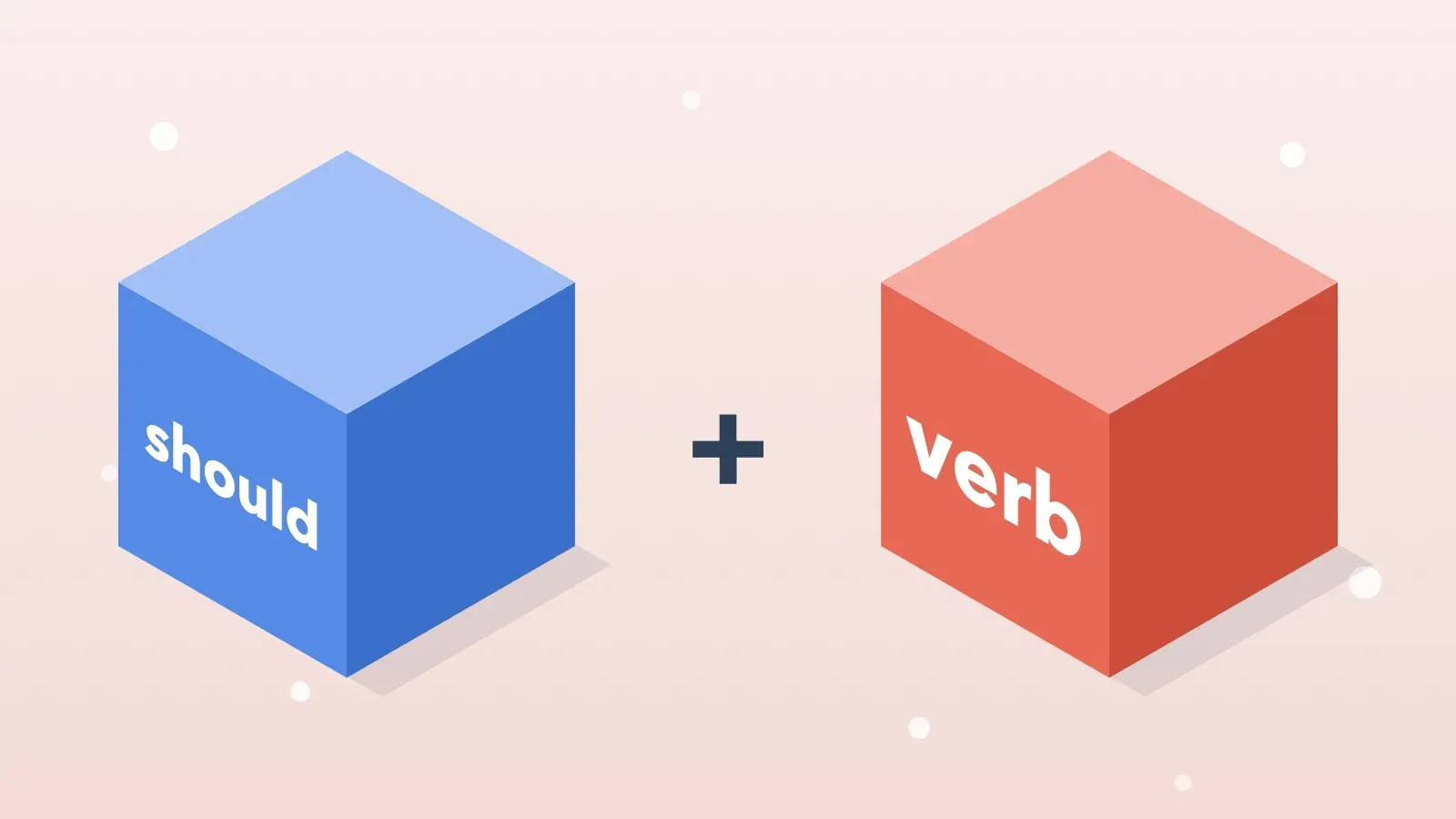
Should oznacza dobry pomysł, a shouldn't zły: You should clear the path, Biscuit shouldn't eat street snow. Gdy prosimy o radę, should stoi na początku: What should I do? Po polsku odpowiada mu „powinien” albo „warto”.
I, you, he, she, it, we, theyshould / shouldn't (= should not)base verb
You should clear the path.
Biscuit shouldn't eat street snow.
Z lekcji Good neighbors shovel snow (English A2.1)
Must, mustn't i don't have to
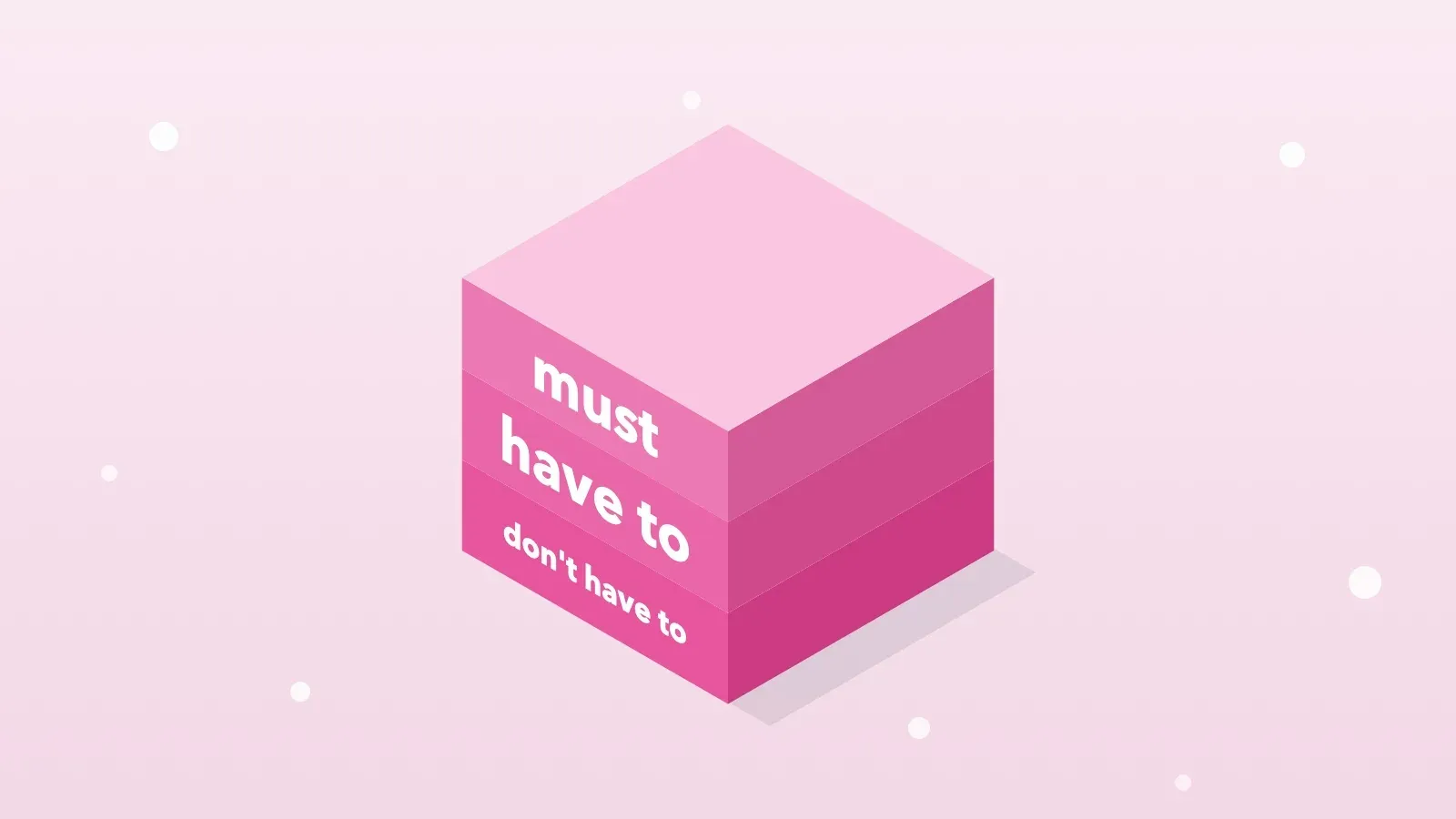
Must to zasada, której trzeba przestrzegać, a mustn't to zakaz: Drivers must stop for the bus, You mustn't pass on the right. Don't have to znaczy, że żadnej zasady nie ma, więc wybór należy do ciebie.
| Words | It means… | Example |
|---|---|---|
| must ✅ | a rule or a law: do it! | Drivers must stop for the bus. |
| mustn't ⛔ | a rule or a law: don't do it! | You mustn't pass on the right. |
| don't have to 🆗 | no rule: it isn't necessary, but you can | You don't have to run. Zack waits. |
Z lekcji Stop for the yellow bus! (English A2.2)
Must, might, can't: stopień pewności
Gdy wnioskujemy z faktów, must be oznacza pewność, might be, may be lub could be możliwość, a can't be pewność, że tak nie jest: It can't be the app: the web dashboard is slow too.
| How sure? | Form | Example |
|---|---|---|
| I'm sure it is. | must + be | The old address is still coming back, so it must be a cached copy. |
| It's possible. | might / may / could + be | It might be the office Wi-Fi. We haven't checked it yet. |
| Maybe it isn't. | might not / may not + be | It may not be the phone. Let's try another one. |
| I'm sure it isn't. | can't / cannot / couldn't + be | It can't be the app: the web dashboard is slow too. |
Z lekcji It's always DNS (English for IT B2)
Should have, could have: spojrzenie wstecz
Konstrukcja czasownik modalny + have + trzecia forma odnosi się do przeszłości. Should have to właściwy krok, którego zabrakło, shouldn't have błąd, który się zdarzył, a could have możliwość, z której nikt nie skorzystał: You could have called them after a week.
| Form | Did it happen? | What it means | Example |
|---|---|---|---|
| should have + past participle | No | It was the right thing to do, but it didn't happen: criticism or regret. | I should have followed up after a week. |
| shouldn't have + past participle | Yes | It happened, and it was a mistake. | You shouldn't have offered ten percent on the spot. |
| could have + past participle | No | It was possible, but you didn't do it. | You could have called them after a week. |
| didn't need to + base form | Yes or no: the context tells you | It wasn't necessary. | I printed fifty brochures, but I didn't need to. / They had our list, so I didn't need to send it. |
Z lekcji Giving Feedback (Business English B2)
Pytania o czasowniki modalne
Jakie są czasowniki modalne w angielskim?
Czy po czasowniku modalnym stawiamy to?
Czym różni się can od could?
Kiedy używamy should i shouldn't?
Czym różni się must od have to?
Jak wyrazić przypuszczenie czasownikami modalnymi?
Jak używać should have i could have?
Jak uczyć czasowników modalnych początkujących?
Jakie gry sprawdzają się przy czasownikach modalnych?
Czy są interaktywne ćwiczenia z czasowników modalnych?
Więcej gramatyki angielskiej
Lekcje do każdego zagadnienia gramatycznego, od czasownika to be po mowę zależną. Wszystkie zagadnienia