Stopniowanie przymiotników: stopień wyższy i najwyższy w angielskim
Poziomy A2–C1 11 planów lekcji · 4 lekcje ćwiczeniowe Ćwiczenia sprawdzane automatycznie
Stopniowanie przymiotników w angielskim to stopień wyższy (comparative), który porównuje dwie rzeczy (hotter than, more peaceful than), i najwyższy (superlative), który wskazuje numer jeden w całej grupie: the highest peak in North America. Ta strona zbiera gotowe lekcje o obu stopniach z biblioteki edio (liczba lekcji: 11, poziomy A2–C1), w amerykańskim angielskim, od papryczek chili po wprowadzenie produktu na rynek. Zrób kilka ćwiczeń wyjętych z lekcji, porównaj reguły na ich schematach i wybierz lekcję, która pasuje do twojej grupy. Lekcje są w pełni interaktywne, a ćwiczenia oceniają każdą formę.
Stopniowanie przymiotników – plany lekcji i ćwiczenia
11 planów lekcji i 4 lekcje ćwiczeniowe, poziomy A2–C1. Plan lekcji to cała lekcja z czytaniem, słuchaniem i mówieniem, a lekcja ćwiczeniowa to 45–46 ćwiczeń sprawdzanych automatycznie, bez nowego słownictwa.
 A2Plan lekcjiEnglish A2.1
Is a jalapeño hotter than a habanero?
 A2Plan lekcjiEnglish A2.1
The island with no cars
 A2Plan lekcjiEnglish A2.1
America's extremes
 A2Plan lekcjiEnglish A2.1
San Francisco or Yosemite? You choose!
 A2Plan lekcjiEnglish A2.2
The longest cave in the world
 A2ĆwiczeniaGrammar Practice · A2
Comparatives: which one is better?
 A2ĆwiczeniaGrammar Practice · A2
Superlatives: the best in town
 A2ĆwiczeniaGrammar Practice · A2
As … as, too, enough: is it the right size?
 B1Plan lekcjiEnglish B1.1
The internet's first word was “LO”
 B1Plan lekcjiEnglish B1.2
Why did Carver tell farmers to plant peanuts?
 B1Plan lekcjiEnglish for IT B1
Explain it in ten hundred words
 B1ĆwiczeniaGrammar Practice · B1
Advanced comparatives: the more, the better
 B2Plan lekcjiBusiness English B2
Launching a Product
 B2Plan lekcjiEnglish B2.2
A lottery to see fireflies
 C1Plan lekcjiEnglish for IT C1
System Design: Every Choice Has a Cost
Stopniowanie przymiotników – ćwiczenia online
Po jednym ćwiczeniu z 6 lekcji. To te same ćwiczenia, które twoi uczniowie robią w edio.
Stopniowanie przymiotników – zasady i przykłady
Stopnia wyższego używamy, gdy porównujemy dwie rzeczy, a najwyższego, gdy jedna przewyższa wszystkie inne w swojej grupie. Krótkie przymiotniki dostają -er i -est (cold, colder, the coldest), długie biorą more i the most, a good, bad i far mają własne formy: better, the best.
Krótkie przymiotniki: -er + than
Krótki przymiotnik dostaje -er, a przed drugą rzeczą stoi than, czyli „niż”: Bell peppers are sweeter than jalapeños. Pisownia zmienia się w trzech przypadkach: nice dostaje samo -r, hot podwaja ostatnią literę (hotter), a spicy zmienia się w spicier.
Compare two things
thing 1 + is / areadjective + -erthan + thing 2
A habanero is hotter than a jalapeño.
Bell peppers are sweeter than jalapeños.
How to spell it
| Adjective | Rule | Comparative |
|---|---|---|
| mild, sweet, cold | + er | milder, sweeter, colder |
| nice, safe | ends in e: + r | nicer, safer |
| hot, big, sad | ends in one vowel + one consonant (h-o-t): double the last letter + er | hotter, bigger, sadder |
| spicy, easy, busy | ends in y: y → ier | spicier, easier, busier |
Z lekcji Is a jalapeño hotter than a habanero? (English A2.1)
Długie przymiotniki: more, less, a także better i worse
Dłuższe przymiotniki biorą more (more peaceful), a less tworzy przeciwieństwo z każdym przymiotnikiem: less noisy, less crowded. Żaden przymiotnik nie bierze naraz -er i more. Good, bad i far zmieniają się w better, worse i farther.
Short or long?
short: + -er
- slow → slower, small → smaller
- big → bigger, hot → hotter
- busy → busier, noisy → noisier
- quiet → quieter
long: more + adjective (+)
- peaceful → more peaceful
- beautiful → more beautiful
- crowded → more crowded
- relaxing → more relaxing
the opposite: less + adjective (−)
- noisy → less noisy
- crowded → less crowded
- expensive → less expensive
good, bad, far: new words
| Adjective | Compare | Example |
|---|---|---|
| good | better | For the loop road, a bike is better than a carriage. |
| bad | worse | Marco's jokes are bad, but Biscuit's singing is worse! |
| far | farther | The bike shop is far, but the fudge shop is farther! |
Z lekcji The island with no cars (English A2.1)
Stopień najwyższy: the + -est albo the most
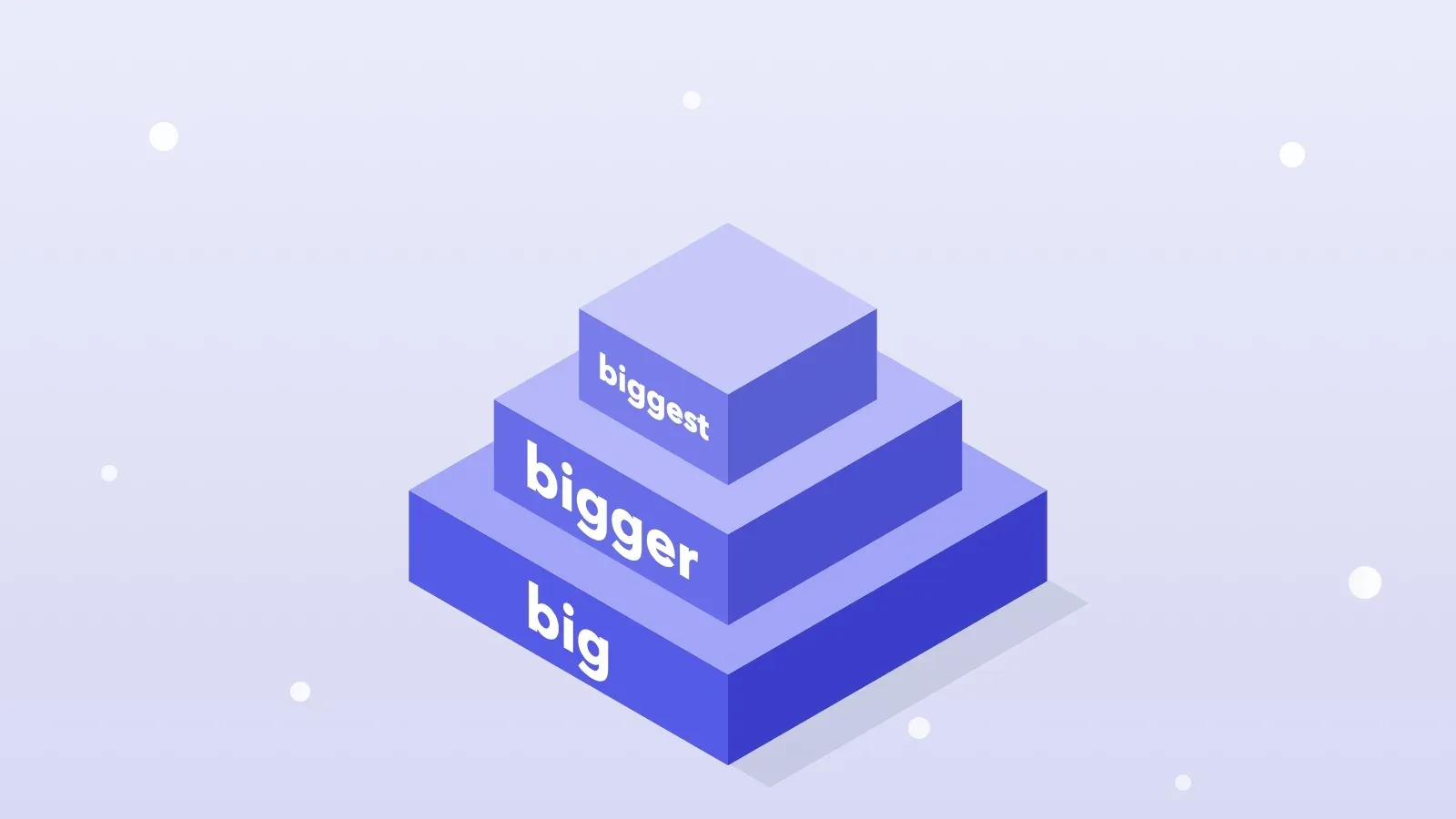
Stopień najwyższy stawia jedną rzecz na pierwszym miejscu w grupie, a przed nim stoi the: the hottest, the most famous, the least comfortable. Gdy po nim pada nazwa miejsca, stoi przed nią zwykle in, a nie of: Denali is the highest peak in North America.
Two things or number one?
Two things: comparative + than
- Death Valley is hotter than Utqiagvik.
- Denali is higher than a skyscraper!
Number one in a group: the + superlative
- The NPS says Death Valley is the hottest place on Earth.
- Denali is the highest peak in North America.
Long adjectives: the most, the least
| Adjective | Superlative | Example |
|---|---|---|
| famous | the most famous | Biscuit is the most famous star on our channel! |
| beautiful | the most beautiful | For me, Badwater is the most beautiful place in the park. |
| interesting | the most interesting | Utqiagvik is the most interesting city on our list. |
| comfortable | the least comfortable (the opposite of the most) | The Toaster has the least comfortable beds in America! |
Z lekcji America's extremes (English A2.1)
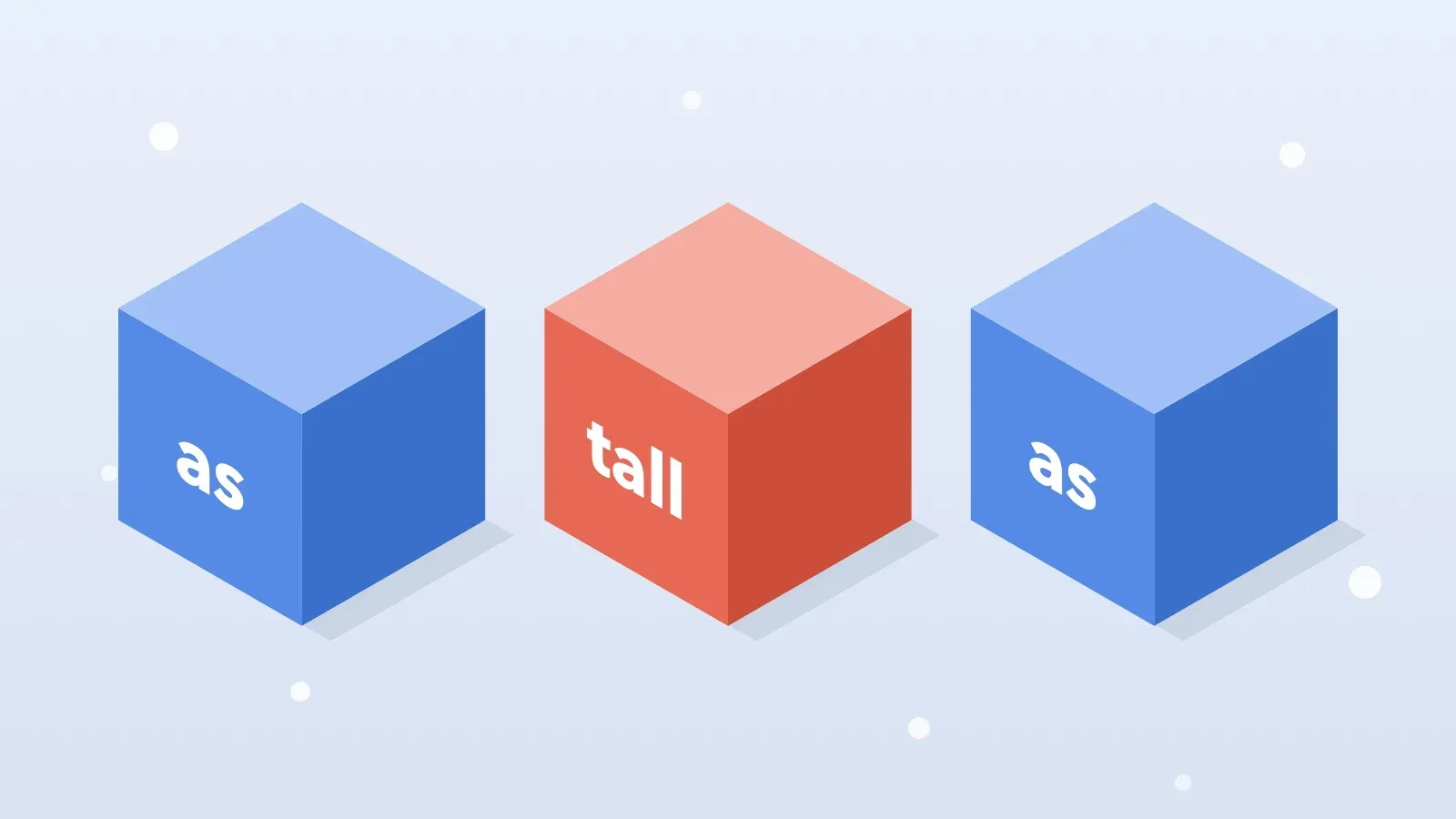
As … as: tak samo albo mniej
As + przymiotnik + as znaczy, że dwie rzeczy są równe, a z not, że pierwsza wypada słabiej: Yosemite isn't as busy as San Francisco, czyli San Francisco is busier. Przymiotnik zostaje w formie podstawowej, a wzór kończy się na as, nigdy na than.
The same
asadjectiveas
The city is as beautiful as the park.
Biscuit is as hungry as a bear!
Two ways, one idea
-er than / more … than
- Yosemite is quieter than the city.
- The city is busier than the park.
- The park is more peaceful than the city.
not as … as
- The city isn't as quiet as Yosemite.
- The park isn't as busy as the city.
- The city isn't as peaceful as the park.
Z lekcji San Francisco or Yosemite? You choose! (English A2.1)
The best … I've ever …
Gdy mówimy o najlepszym doświadczeniu w życiu, stopień najwyższy łączy się z present perfect: It's the longest cave I've ever seen. Wzór to have lub has + ever + trzecia forma czasownika (past participle), jak w the best stew we've ever eaten. Słowo to ever, a nie never.
thesuperlativenounperson + have / has everpast participle
It's the longest cave I've ever seen.
That was the best stew we've ever eaten.
This is the darkest place she has ever been.
Z lekcji The longest cave in the world (English A2.2)
Jak duża jest różnica? Much, far, slightly
Na poziomie B2 uczniowie mówią, jak duża jest różnica: far cheaper lub much cheaper, gdy jest duża, slightly cheaper lub a bit cheaper, gdy mała, i even more o krok dalej. Przed stopniem wyższym nigdy nie stawiamy very.
| Difference | Modifier + comparative | Example |
|---|---|---|
| big | much, far, a lot (informal), considerably, significantly (formal) | At $0.80, the supermarket can is far cheaper than ours at $1.60. |
| small | slightly, a bit (informal), a little | At $1.60, ours is slightly cheaper than the New York chain's bottle at $1.80. |
| one step further | even + comparative | Ours costs more than the supermarket can, and the New York chain's costs even more. |
| none | no + comparative + than | Both are aluminum cans: ours is no more recyclable than theirs. |
Z lekcji Launching a Product (Business English B2)
Pytania o stopniowanie przymiotników
Jak wygląda stopniowanie przymiotników w angielskim?
Czym różni się stopień wyższy od najwyższego w angielskim?
Kiedy przymiotnik dostaje -er, a kiedy more?
Jak uczyć stopniowania przymiotników na poziomie A2?
Jakie gry pomagają ćwiczyć stopniowanie przymiotników?
Czy są interaktywne ćwiczenia ze stopniowania przymiotników?
Kiedy używamy konstrukcji as … as?
Kiedy less, a kiedy fewer?
Jakie błędy popełniają uczniowie przy stopniowaniu przymiotników?
Czy lekcje o stopniowaniu przymiotników sprawdzą się na zajęciach indywidualnych?
Więcej gramatyki angielskiej
Lekcje do każdego zagadnienia gramatycznego, od czasownika to be po mowę zależną. Wszystkie zagadnienia