Used to: zasady, ćwiczenia i lekcje o dawnych nawykach
Poziomy A2–B2 6 planów lekcji · 2 lekcje ćwiczeniowe Ćwiczenia sprawdzane automatycznie
Konstrukcja used to opisuje dawne nawyki i stany, które już minęły: Men used to wear hats to games, She used to be a chemistry teacher. Po polsku oddajemy ją zwykle słowem „kiedyś” i czasem przeszłym. Na tej stronie są gotowe lekcje o used to z biblioteki edio (liczba lekcji: 6, poziomy A2–B2), od porównań „kiedyś i dziś” po be used to i get used to. Wszystkie są interaktywne i w amerykańskim angielskim. Wypróbuj ćwiczenia z lekcji, przeczytaj zasady na ich schematach i wybierz lekcję dla swojej grupy według poziomu.
Used to – plany lekcji i ćwiczenia
6 planów lekcji i 2 lekcje ćwiczeniowe, poziomy A2–B2. Plan lekcji to cała lekcja z czytaniem, słuchaniem i mówieniem, a lekcja ćwiczeniowa to 45–46 ćwiczeń sprawdzanych automatycznie, bez nowego słownictwa.
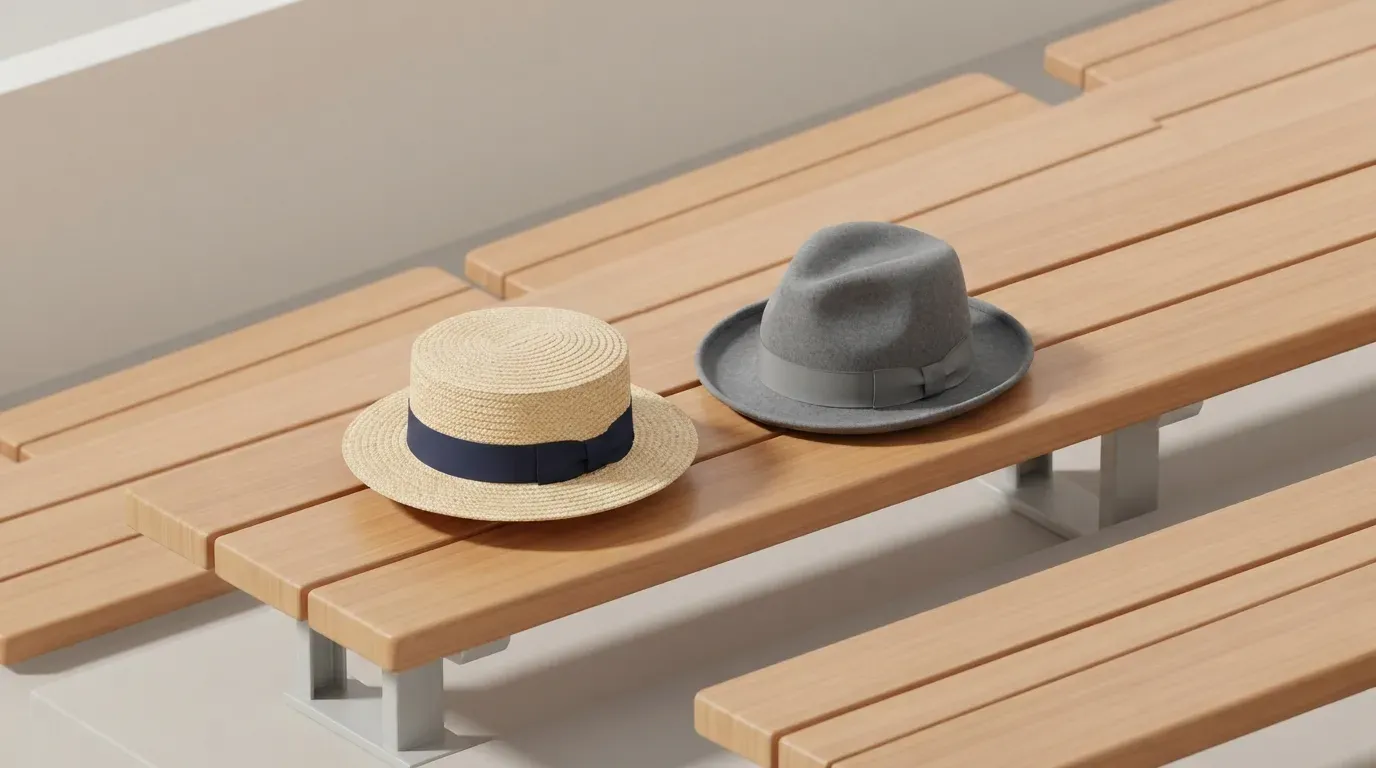 A2Plan lekcjiEnglish A2.2
Why did everyone use to wear a hat?
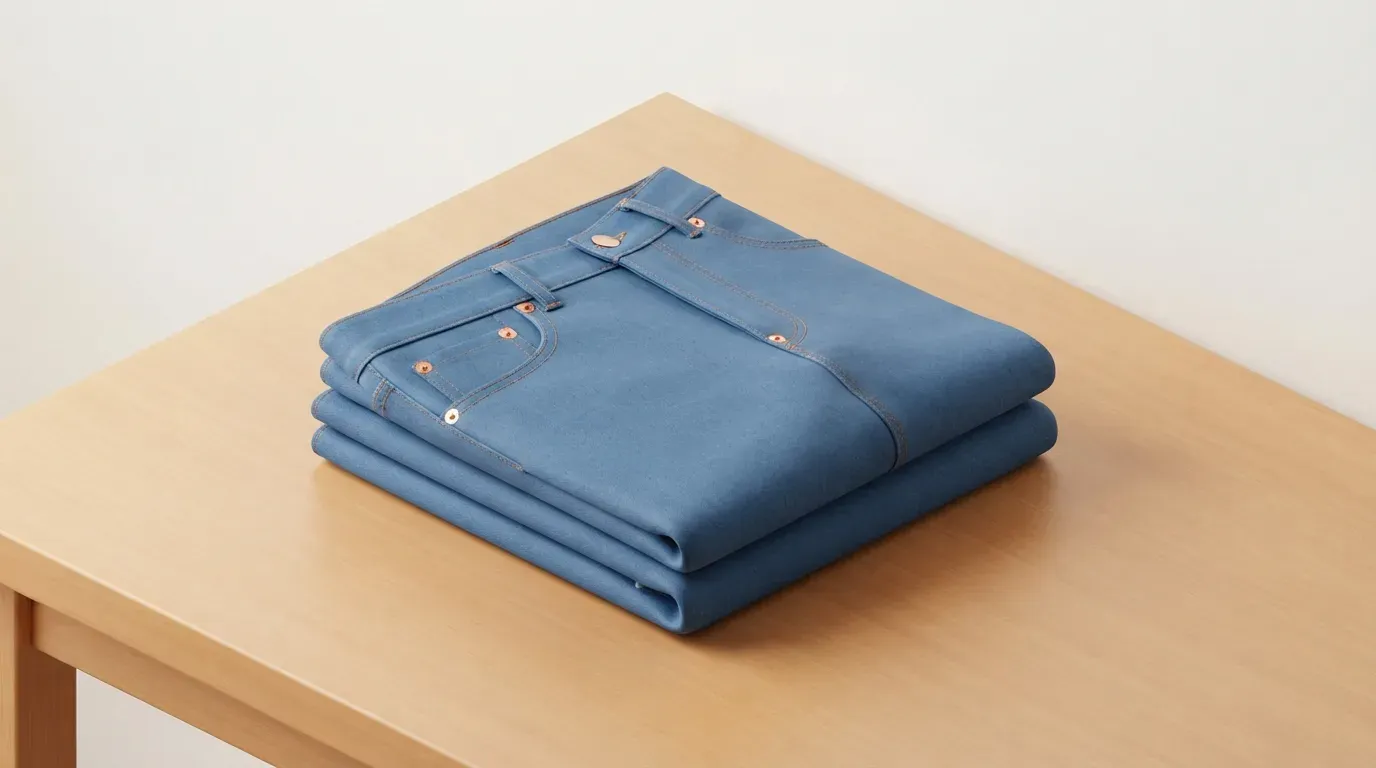 A2Plan lekcjiEnglish A2.2
Jeans used to be work clothes
 A2ĆwiczeniaGrammar Practice · A2
Used to: how things were back then
 B1Plan lekcjiEnglish B1.1
Can you practice a flight?
 B1Plan lekcjiEnglish B1.1
Would you live in a lighthouse?
 B1Plan lekcjiEnglish for IT B1
A resume that shows results
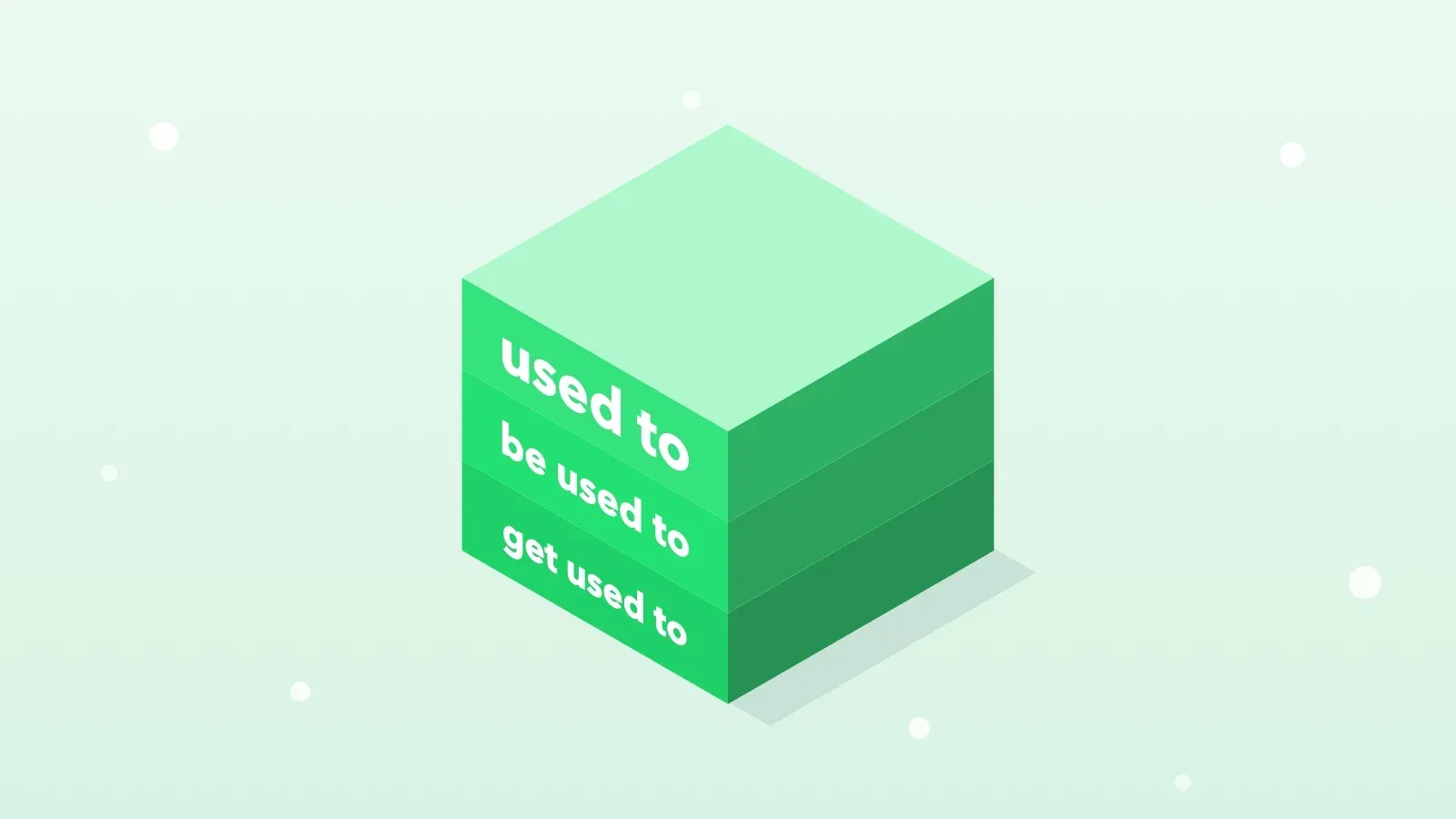 B1ĆwiczeniaGrammar Practice · B1
Used to, be used to, get used to: settling in
 B2Plan lekcjiEnglish for IT B2
Your new pair programmer
Used to – ćwiczenia online
Po jednym ćwiczeniu z 6 lekcji. To te same ćwiczenia, które twoi uczniowie robią w edio.
Used to – zasady i przykłady
Used to + forma podstawowa czasownika opisuje przeszły nawyk lub stan, który dziś jest nieaktualny: Fans used to dress up for games, It used to be a hat store. Forma jest ta sama dla każdej osoby (He used to wear a suit to games). Pojedyncze zdarzenie z przeszłości wymaga past simple, a dzisiejszy zwyczaj – present simple.
Used to + czasownik: kiedyś tak, dziś nie
Zdanie z used to opisuje przeszłość, która się zmieniła, a present simple mówi, jak jest dziś: The fedora used to be very popular. Now the baseball cap is popular. Po used to zawsze stoi forma podstawowa: used to wear, a nie used to wore.
| Then: used to + verb | Now: present simple |
|---|---|
| Men used to wear hats to games. | Now a lot of fans wear baseball caps. |
| Fans used to dress up for games. | Now fans wear casual clothes. |
| The fedora used to be very popular. | Now the baseball cap is popular. |
Z lekcji Why did everyone use to wear a hat? (English A2.2)
Usually o teraźniejszości, used to o przeszłości
Used to nie ma formy teraźniejszej. O dzisiejszym zwyczaju mówimy w present simple, często z usually: These days, fans usually wear caps. O dawnym – z used to: In the 1920s, men used to wear hats.
Now: usually + present simple
- These days, fans usually wear caps.
- I usually wear sneakers.
Then: used to + verb
- In the 1920s, men used to wear hats.
- As a kid, I used to wear rain boots.
Z lekcji Why did everyone use to wear a hat? (English A2.2)
Didn't use to i Did … use to?
Przeczenia i pytania tworzymy z did, a wtedy used traci końcowe d: Students didn't use to wear jeans, Did people use to wear jeans? W krótkiej odpowiedzi wystarczy did lub didn't: Yes, I did, a nie Yes, I used.
used to → didn't use to → Did … use to?
| Form | Make it like this | Example |
|---|---|---|
| positive | used to + verb | Workers used to wear jeans. |
| negative | didn't use to + verb | Students didn't use to wear jeans. |
| question | Did + who + use to + verb? | Did people use to wear jeans? |
| wh- question | What / Where + did + who + use to + verb? | What did you use to wear? |
| short answers | Yes, … did. / No, … didn't. | Yes, I did. / No, I didn't. |
used or use? Look for did!
no did: used to
- I used to sew.
- Pockets used to rip.
- Biscuit used to chew socks.
did / didn't: use to
- I didn't use to sew.
- Did pockets use to rip?
- Biscuit didn't use to eat pockets.
Z lekcji Jeans used to be work clothes (English A2.2)
Used to czy past simple?
Used to opisuje nawyk lub stan, który się skończył: We used to deploy once a month. Jedno zdarzenie w konkretnym momencie albo określona liczba razy wymaga past simple: In 2022, I moved to QA, I changed jobs three times.
| What you talk about | Form | Example |
|---|---|---|
| a habit that is over | used to | We used to deploy once a month. |
| a state that is over (be, have, live, like) | used to | She used to be a teacher. |
| one event at one time (in 2022, two years ago) | past simple | In 2022, I moved to QA. |
| a number of times | past simple | I changed jobs three times. |
| now | present simple | Now I build Android apps. |
Z lekcji A resume that shows results (English for IT B1)
Be used to i get used to
Be used to znaczy, że coś jest dla nas normalne (I'm used to reviewing AI suggestions), a get used to opisuje przyzwyczajanie się (I got used to it). To jest tu przyimkiem, więc po nim stoi rzeczownik lub forma -ing, a czas zdania wyraża be lub get.
Three forms, three meanings
| Form | Meaning | Example |
|---|---|---|
| used to + base form | a past habit or state that is over now | I used to write every test by hand. |
| be used to + -ing / noun | something is normal and familiar for you | I'm used to reviewing AI suggestions. |
| get used to + -ing / noun | something becomes familiar: a change | It took me a month to get used to the assistant. |
Every tense: be and get change, used to doesn't
| Time | be used to (a state) | get used to (a change) |
|---|---|---|
| now | I'm (not) used to it. / Are you used to it? | I'm getting used to it. |
| past | I wasn't used to it at first. | I got used to it in a month. |
| up to now | I've been used to long reviews since my first job. | I've gotten used to it. |
| future | You'll be used to it by Friday. | You'll get used to it. |
| after a modal or to | You should be used to it by now. | I can't get used to it. / It took me a week to get used to it. |
Z lekcji Your new pair programmer (English for IT B2)
Pytania o used to
Kiedy używamy used to?
Used to czy use to – jak to napisać?
Jak przetłumaczyć used to na polski?
Czym różni się used to od be used to i get used to?
Kiedy zamiast used to użyć past simple?
Czy da się powiedzieć I use to o teraźniejszości?
Jak uczyć used to na poziomie A2?
Jakie zabawy sprawdzają się przy used to?
Gdzie znaleźć ćwiczenia z used to online?
Czy uczniowie mogą przerobić te lekcje sami, jako pracę domową?
Więcej gramatyki angielskiej
Lekcje do każdego zagadnienia gramatycznego, od czasownika to be po mowę zależną. Wszystkie zagadnienia