Past perfect: ESL lesson plans and exercises
Levels B1 to C1 8 lesson plans · 3 drill lessons Exercises that check themselves
The past perfect, had + past participle, steps back to an earlier past inside a past story: I realized I had left my phone at home. You'll find 8 ready-made past perfect lessons from the edio.ai library on this page, levels B1 to C1, all in American English, with stories of family traditions, job interviews and incident reports. Play exercises from the lessons, see how their grammar schemes place it among the narrative tenses, and pick the lesson that fits your group's level. The lessons are interactive, and their drills check each answer.
Past perfect lesson plans and drills
8 lesson plans and 3 drill lessons, B1 to C1. Lesson plans are whole lessons with reading, listening and speaking; drill lessons are 45 to 46 self-checking exercises with no new words.
 B1Lesson planEnglish B1.2
They'd already started without me!
 B1Lesson planEnglish B1.2
What should you do at a powwow?
 B1Lesson planEnglish for IT B1
Tell me about a time when…
 B1DrillsGrammar Practice · B1
Past perfect: what had happened before?
 B1DrillsGrammar Practice · B1
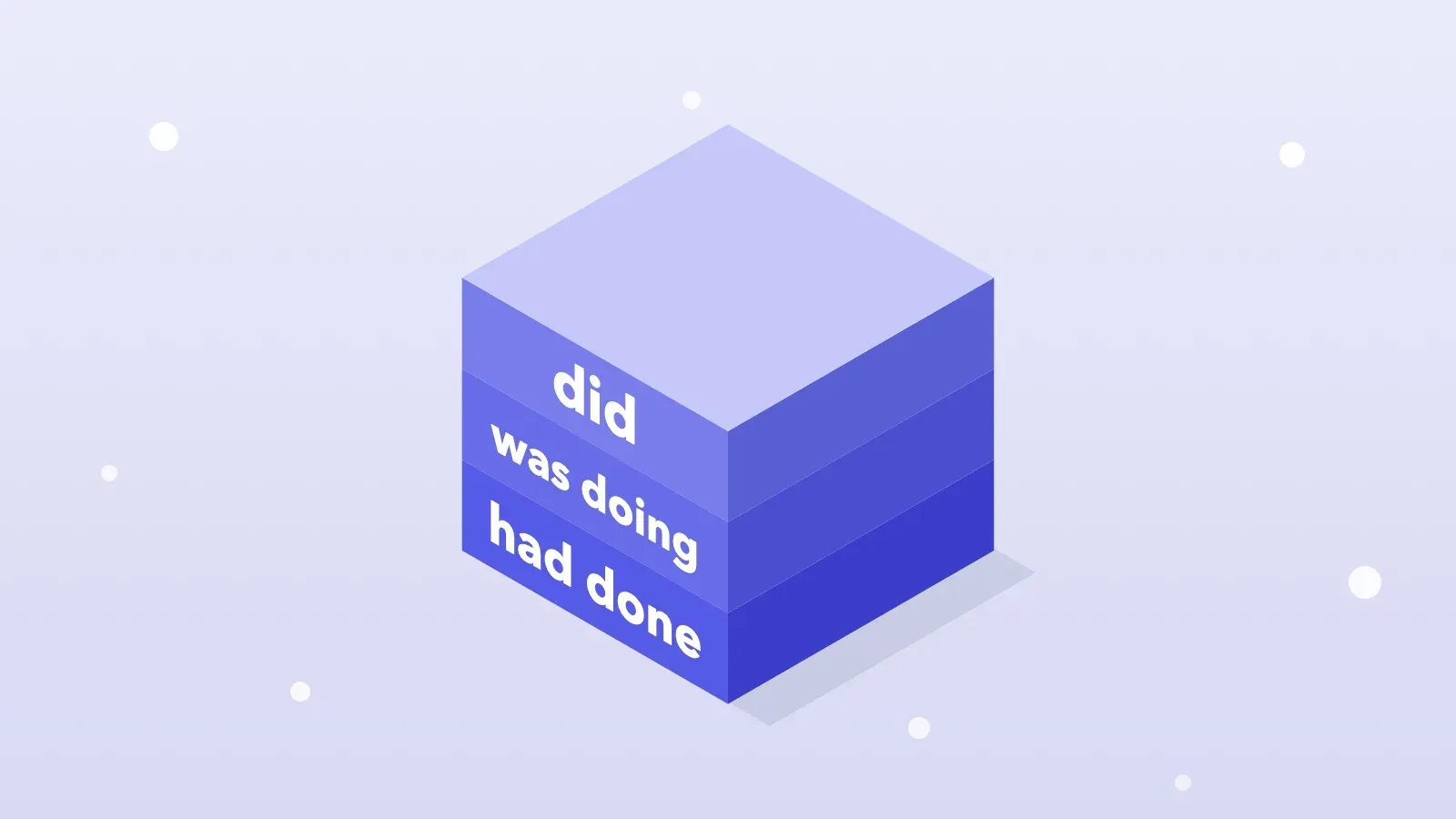
Narrative tenses: telling a great story
 B2Lesson planEnglish B2.1
Checkmate: the day a computer beat the champion
 B2Lesson planEnglish B2.1
1.8 million Polio Pioneers
 B2Lesson planEnglish B2.1
Six years to the golden spike
 B2Lesson planEnglish for IT B2
The 1202 alarm
 B2DrillsGrammar Practice · B2
Past perfect continuous: what had been going on?
 C1Lesson planEnglish for IT C1
Incident! Learning from the CrowdStrike Outage
Try the past perfect exercises
One exercise from each of 6 lessons. These are the same exercises your students do in edio.
Past perfect explained
We use the past perfect when a past story jumps back to something that happened earlier: By the time she called, I had already left. The main events stay in the past simple, in the order they happened, and the past perfect appears only where the order matters. It often comes with by the time, already and never… before.
Had + past participle for every person
One form serves every subject: had + past participle, as in The backup had failed. The negative is hadn't, questions open with Had, and already or never sits between had and the participle: I had never used that tool.
| Form | Pattern | Example |
|---|---|---|
| Positive | had + past participle | The backup had failed. |
| Negative | hadn't (had not) + past participle | I hadn't used that tool before. |
| Question | Had + subject + past participle? | Had you worked in QA before? |
| With already / never | had + already / never + past participle | The team had already moved half the data. |
From the lesson Tell me about a time when… (English for IT B1)
Past simple or past perfect: which came first?
The tense alone can change the order of events. When I joined, the team migrated the data: I arrived, then the work began. When I joined, the team had migrated the data: the work was over before I arrived.
Past simple: one thing after another
- When I joined, the team migrated the data.
- First I joined. Then they migrated it.
Past perfect: an earlier past
- When I joined, the team had migrated the data.
- First they migrated it. Then I joined.
From the lesson Tell me about a time when… (English for IT B1)
By the time, before and never… before
With by the time, keep the later event in the past simple and put the earlier one in the past perfect: By the time we got there, the shop had closed. Before, never… before and realized that point back in the same way.
| Word | Example |
|---|---|
| by the time | By the time I joined, the team had already migrated half the data. |
| before | Before that project, I had never written a test. |
| after | After we had rolled back, the errors stopped. |
| realized / found out that | We realized that the backup had failed. |
| never… before | I had never used a bug tracker before. |
From the lesson Tell me about a time when… (English for IT B1)
Narrative tenses: three tenses, three jobs
Stories mix three past tenses: the past continuous for the scene, the past simple for each event, and the past perfect to reach further back. One sentence can hold all three: I was checking the logs when I noticed that the job had stopped.
Three tenses, three jobs
| Tense | Form | Job in the story | Example |
|---|---|---|---|
| Past simple | worked / went (didn't work) | the main events, in order | The alarm appeared, and Bales said “go”. |
| Past continuous | was / were + -ing | the background: in progress when something happened | Diego was watching the queue graph when… |
| Past perfect | had + past participle (hadn't + past participle) | a jump back: earlier than the moment you are telling | The team had gone through every alarm code before the flight. |
One sentence, three tenses
background: was / were + -ingevent: past simpleearlier: had + past participle
Diego was watching the graph when he noticed that the job had stopped.
Payments were coming in fast when the scheduler paused a job that the team had marked as low priority.
From the lesson The 1202 alarm (English for IT B2)
Had been + -ing: the past perfect continuous
The C1 table adds a fourth narrative tense, had been + -ing, for an earlier activity that lasted up to a past moment: The tests had been passing for weeks, so nobody looked closely. A single earlier event keeps the plain past perfect.
| Tense | Form | Use it for | Example |
|---|---|---|---|
| past simple | worked, went | the main events, in order | The change went out, errors started and Tom rolled it back. |
| past continuous | was / were + -ing | the background: an action in progress when something happened | Rui was writing a test when the alert fired. |
| past perfect | had + past participle | an earlier event, when the order matters | By the time Lena joined, Tom had already rolled back the change. |
| past perfect continuous | had been + -ing | an earlier activity that lasted up to that moment | The tests had been passing for weeks, so nobody looked closely. |
From the lesson Incident! Learning from the CrowdStrike Outage (English for IT C1)
Questions about the past perfect
When do we use the past perfect?
How do you form the past perfect?
What's the difference between the past perfect and the past simple?
What are narrative tenses?
What's the difference between the past perfect and the past perfect continuous?
Do you always need the past perfect with before and after?
How do I teach the past perfect to B1 students?
What are good past perfect activities and conversation questions?
Are there interactive past perfect exercises?
Do these lessons work for one-to-one classes?
More English grammar
Lessons for every grammar point, from the verb to be to reported speech. All grammar points