Czasownik to be: odmiana, pytania i lekcje dla początkujących
Poziomy A1–A2 6 planów lekcji · 3 lekcje ćwiczeniowe Ćwiczenia sprawdzane automatycznie
Czasownik to be, czyli „być”, to pierwszy czasownik, którego uczą się początkujący, a jego odmiana jest krótka: am, is i are w teraźniejszości, was i were w przeszłości. Za jego pomocą mówimy o imionach, pochodzeniu, miejscach, zawodach i samopoczuciu. Ta strona zbiera gotowe lekcje o czasowniku to be z biblioteki edio (liczba lekcji: 6, poziomy A1–A2), interaktywne i w amerykańskim angielskim. Rozwiąż ćwiczenia, przejrzyj każdą formę na schematach i wybierz lekcję dla swojej grupy, od powitań i narodowości po was born. Uczniowie ćwiczą na własnych kontach, a każda odpowiedź jest sprawdzana od razu.
Czasownik to be – plany lekcji i ćwiczenia
6 planów lekcji i 3 lekcje ćwiczeniowe, poziomy A1–A2. Plan lekcji to cała lekcja z czytaniem, słuchaniem i mówieniem, a lekcja ćwiczeniowa to 45–46 ćwiczeń sprawdzanych automatycznie, bez nowego słownictwa.
 A1Plan lekcjiEnglish A1.1
Hi, hey, howdy or aloha?
 A1Plan lekcjiEnglish A1.1
Ellis Island: where are they from?
 A1Plan lekcjiEnglish A1.1
Six languages at the UN
 A1Plan lekcjiEnglish A1.1
Review: hello from the Statue of Liberty
 A1Plan lekcjiEnglish A1.2
Why do we have two days off?
 A1ĆwiczeniaGrammar Practice · A1
To be: I am, you are, she is
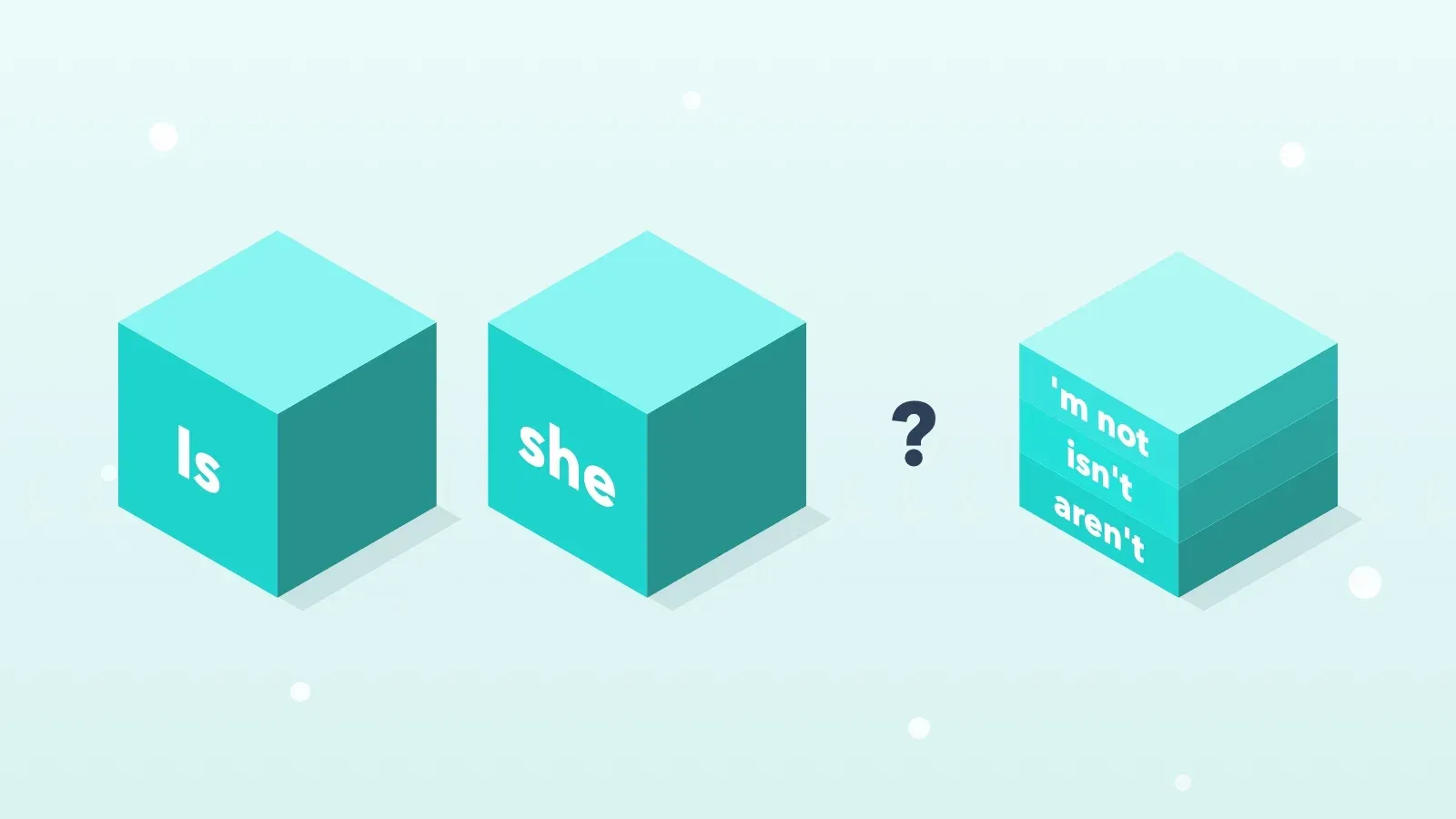 A1ĆwiczeniaGrammar Practice · A1
To be negatives and questions: is it your bag?
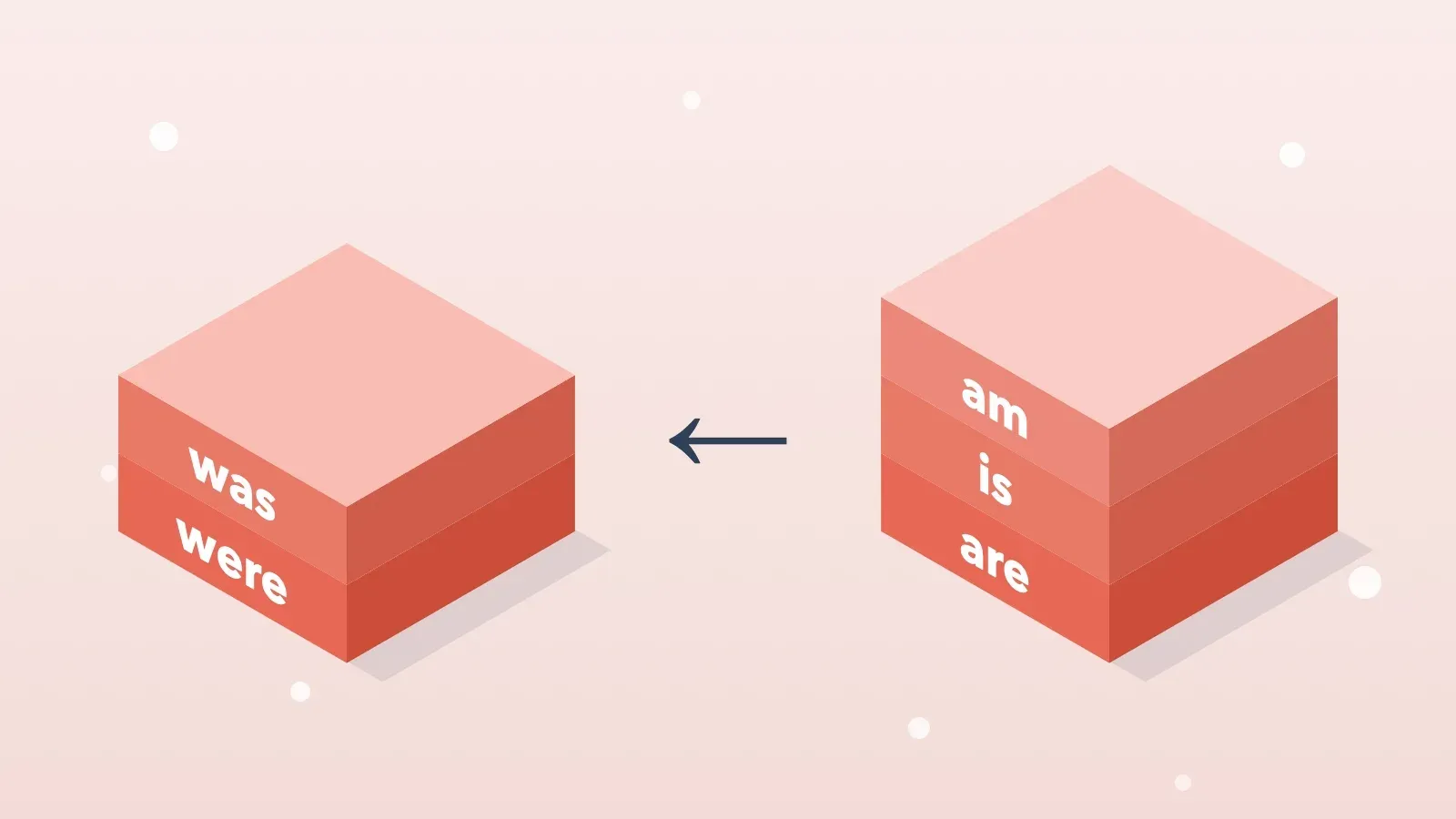 A1ĆwiczeniaGrammar Practice · A1
Was and were: where were you yesterday?
 A2Plan lekcjiEnglish A2.1
The first American woman in space
Czasownik to be – ćwiczenia online
Po jednym ćwiczeniu z 6 lekcji. To te same ćwiczenia, które twoi uczniowie robią w edio.
Czasownik to be – zasady i przykłady
Czasownika be używamy, gdy mówimy, kim ktoś jest, skąd pochodzi, gdzie jest i jak się czuje: I'm Sam, We're American, They're in the kitchen, I was tired. W przeciwieństwie do większości czasowników be tworzy pytania i przeczenia bez pomocy do ani did: She isn't here, Was it hot?
Am, is, are: wszystkie osoby, tak i nie
I łączy się z am, he, she i it z is, a you, we i they z are. W mowie skracamy je: I'm, she's, you're. Przeczenie tworzymy z not: I'm not, he isn't, we aren't, a przy you także you're not.
| Who | Yes ✓ | No ✗ |
|---|---|---|
| I | I'm Olivia. (= I am) | I'm not Emma. (= I am not) |
| you | You're Sam. (= you are) | You aren't Jack. / You're not Jack. (= you are not) |
| he, she, it | He's Sam. She's Mia. It's late. (= he is, she is, it is) | He isn't Jack. She isn't Emma. It isn't late. (= he is not, she is not, it is not) |
| we | We're roommates. (= we are) | We aren't in Texas. (= we are not) |
| they | They're in the kitchen. (= they are) | They aren't in the backyard. (= they are not) |
Z lekcji Hi, hey, howdy or aloha? (English A1.1)
He, she, it, we czy they?
Mężczyzna to he, kobieta she, miejsce lub rzecz it, a dwie osoby lub więcej they. Liam and I to we. Na Where are you from? odpowiadamy from + kraj albo samą narodowością, bez from: I'm from Mexico. I'm Mexican.
People and places
- Hans is from Germany. He's German.a man → he
- Ingrid is from Sweden. She's Swedish.a woman → she
- Ellis Island? It's in New York Harbor.a place or a thing → it
- Liam and I are from the USA. We're American.Liam and I → we
- Rosa and Marco are from Italy. They're Italian.two or more people → they
Where are you from?
| Question | Answer |
|---|---|
| Where are you from? | I'm from Mexico. I'm Mexican. |
| Where's he from? (Where's = Where is) | He's from Germany. He's German. |
| Where's she from? | She's from China. She's Chinese. |
| Where are they from? | They're from Greece. They're Greek. |
Z lekcji Ellis Island: where are they from? (English A1.1)
Pytania tak/nie: am, is lub are na początku
W pytaniu am, is lub are przechodzi przed podmiot: She is American → Is she American? Krótka odpowiedź powtarza czasownik: po yes w pełnej formie (Yes, I am), po no często w skróconej (No, he isn't).
be: sentence and question
| Sentence | Question |
|---|---|
| I am late. | Am I late? |
| You are a guide. | Are you a guide? |
| He is a bus driver. | Is he a bus driver? |
| She is American. | Is she American? |
| It is in English. | Is it in English? |
| We are in the right room. | Are we in the right room? |
| They are interpreters. | Are they interpreters? |
Short answers
| Question | Yes | No |
|---|---|---|
| Am I late? | Yes, you are. | No, you aren't. |
| Are you a student? | Yes, I am. | No, I'm not. |
| Is he from Atlanta? | Yes, he is. | No, he isn't. |
| Is she a guide? | Yes, she is. | No, she isn't. |
| Is it in English? | Yes, it is. | No, it isn't. |
| Are you and Kofi roommates? | Yes, we are. | No, we aren't. |
| Are they interpreters? | Yes, they are. | No, they aren't. |
Z lekcji Six languages at the UN (English A1.1)
Was i were: be w czasie przeszłym
Przeszłość be ma tylko dwie formy. Was łączy się z I, he, she, it i z jedną osobą lub rzeczą, a were z you, we, they i z liczbą mnogą: My mom was happy, My friends were there.
was
- I was
- he, she, it was
- one person or thing: My mom was happy. The café was busy.
were
- you were
- we, they were
- two or more: My friends were there. The roommates were tired.
Z lekcji Why do we have two days off? (English A1.2)
Wasn't, weren't, pytania z was i was born
Na poziomie A2 przeszłość be dostaje przeczenia i pytania: It wasn't hot, Were you at the beach? Datę i miejsce urodzenia podajemy z was born lub were born, choć po polsku wystarczy „urodziłam się”: She was born in 1951, Where were you born?
be in the past: every person
| Who | Yes ✓ | No ✗ | Question ? |
|---|---|---|---|
| I | I was late. | I wasn't late. | Was I late? |
| you | You were at the beach. | You weren't at the beach. | Were you at the beach? |
| he | He was tired. | He wasn't tired. | Was he tired? |
| she | She was an astronaut. | She wasn't an astronaut. | Was she an astronaut? |
| it | It was hot. | It wasn't hot. | Was it hot? |
| we | We were in Florida. | We weren't in Florida. | Were we in Florida? |
| they | They were in orbit. | They weren't in orbit. | Were they in orbit? |
was born
| Say it | Ask it |
|---|---|
| I was born in Ohio. | Where were you born? |
| She was born in 1951. | When was she born? |
| They were born in Texas. | Were they born in Texas? |
Z lekcji The first American woman in space (English A2.1)
Pytania o czasownik to be
Jak wygląda odmiana czasownika to be?
Kiedy używamy czasownika to be?
Jak tworzy się pytania z to be?
Jak tworzy się przeczenia z to be?
Czy z to be używa się do i does?
Kiedy używamy was, a kiedy were?
Jak powiedzieć „urodziłem się” po angielsku?
Jak uczyć czasownika to be początkujących?
Jakie gry sprawdzają się przy to be?
Czy są interaktywne ćwiczenia z to be?
Więcej gramatyki angielskiej
Lekcje do każdego zagadnienia gramatycznego, od czasownika to be po mowę zależną. Wszystkie zagadnienia