Czasy przyszłe: will, going to i future continuous w praktyce
Poziomy A2–C1 20 planów lekcji · 10 lekcji ćwiczeniowych Ćwiczenia sprawdzane automatycznie
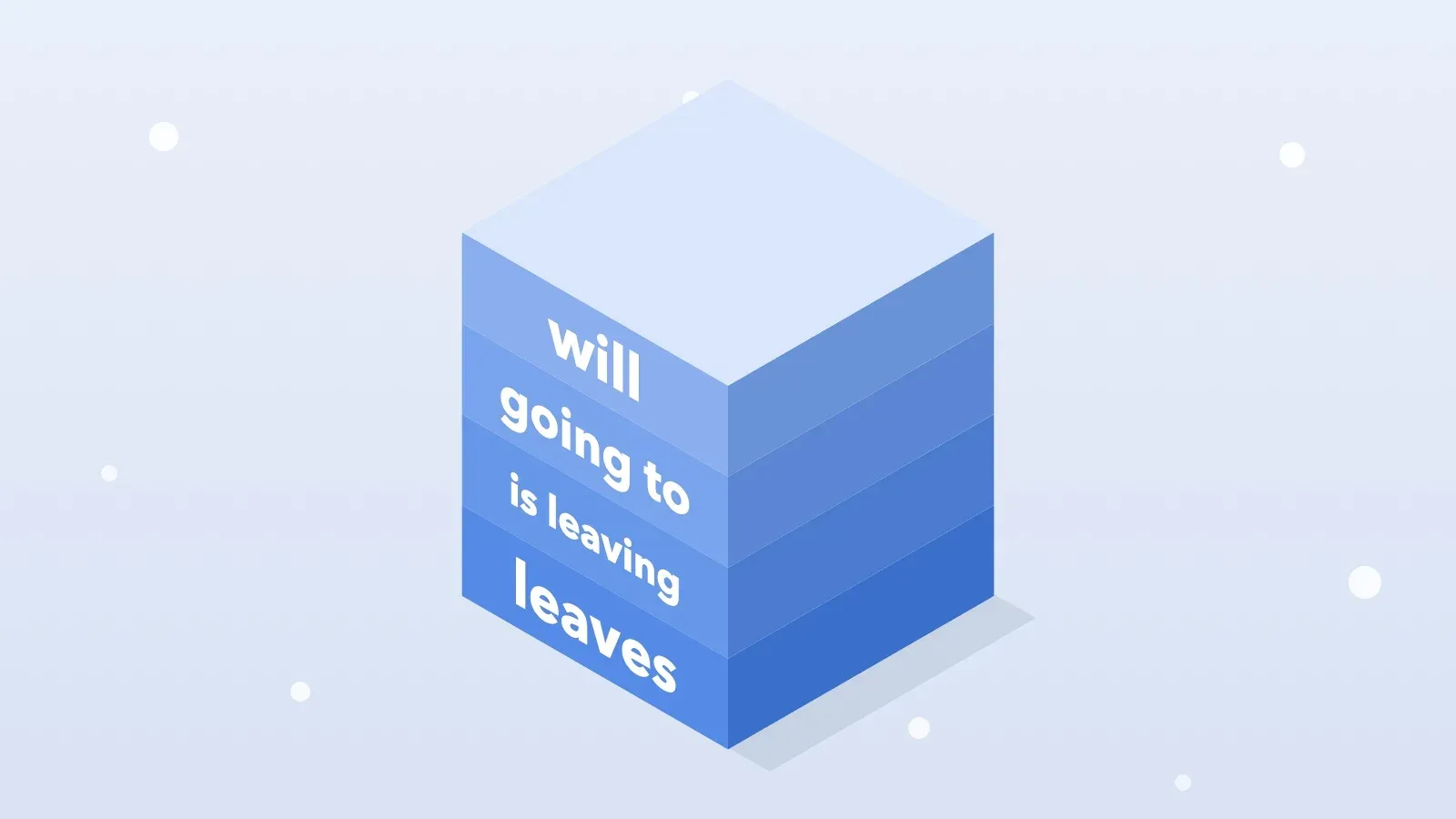
Future simple, czyli czas przyszły prosty z will, to tylko jedna z kilku form, którymi angielski mówi o przyszłości. Każda z nich pasuje do innej sytuacji: I'll help, It's going to rain, We're meeting at six, The bus leaves at noon. Na tej stronie znajdziesz gotowe lekcje o czasach przyszłych z biblioteki edio (liczba lekcji: 20, poziomy A2–C1), interaktywne i w amerykańskim angielskim. Rozwiąż kilka ćwiczeń, porównaj formy na schematach z lekcji, od going to po future perfect, i wybierz lekcję dla swojej grupy według poziomu. Każdą odpowiedź ucznia system sprawdza od razu.
Czasy przyszłe – plany lekcji i ćwiczenia
20 planów lekcji i 10 lekcji ćwiczeniowych, poziomy A2–C1. Plan lekcji to cała lekcja z czytaniem, słuchaniem i mówieniem, a lekcja ćwiczeniowa to 44–46 ćwiczeń sprawdzanych automatycznie, bez nowego słownictwa.
 A2Plan lekcjiEnglish A2.1
What's going to happen at LA 2028?
 A2Plan lekcjiEnglish A2.1
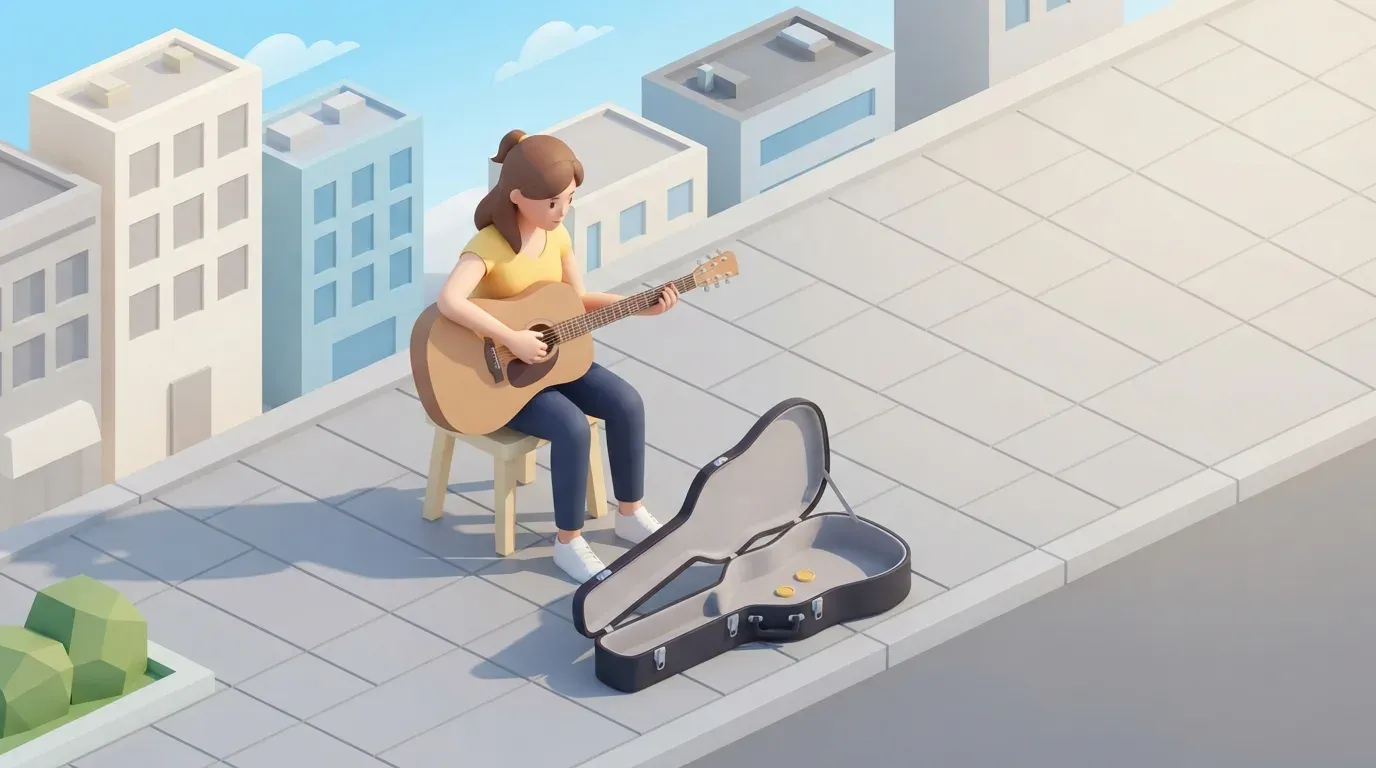
Music on every street
 A2Plan lekcjiEnglish A2.1
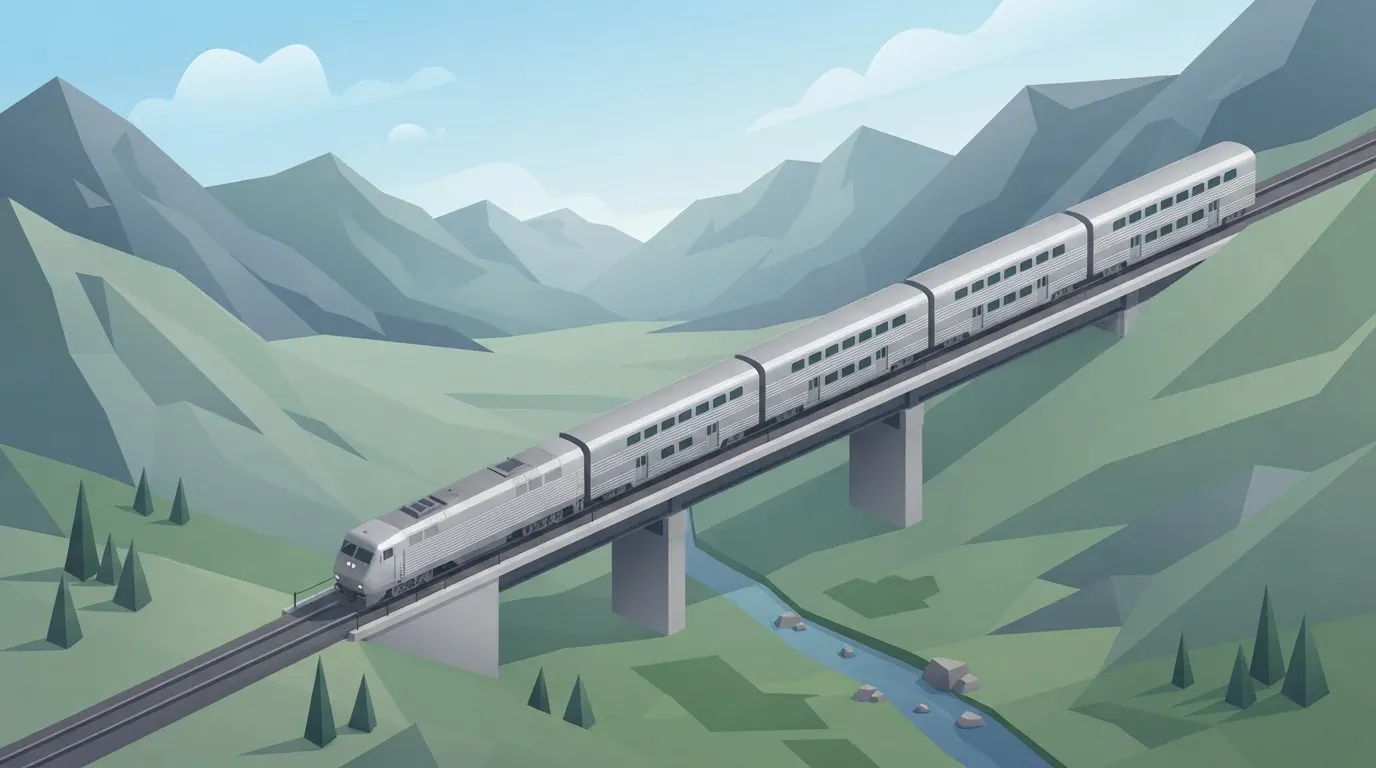
Across America by train
 A2Plan lekcjiEnglish A2.2
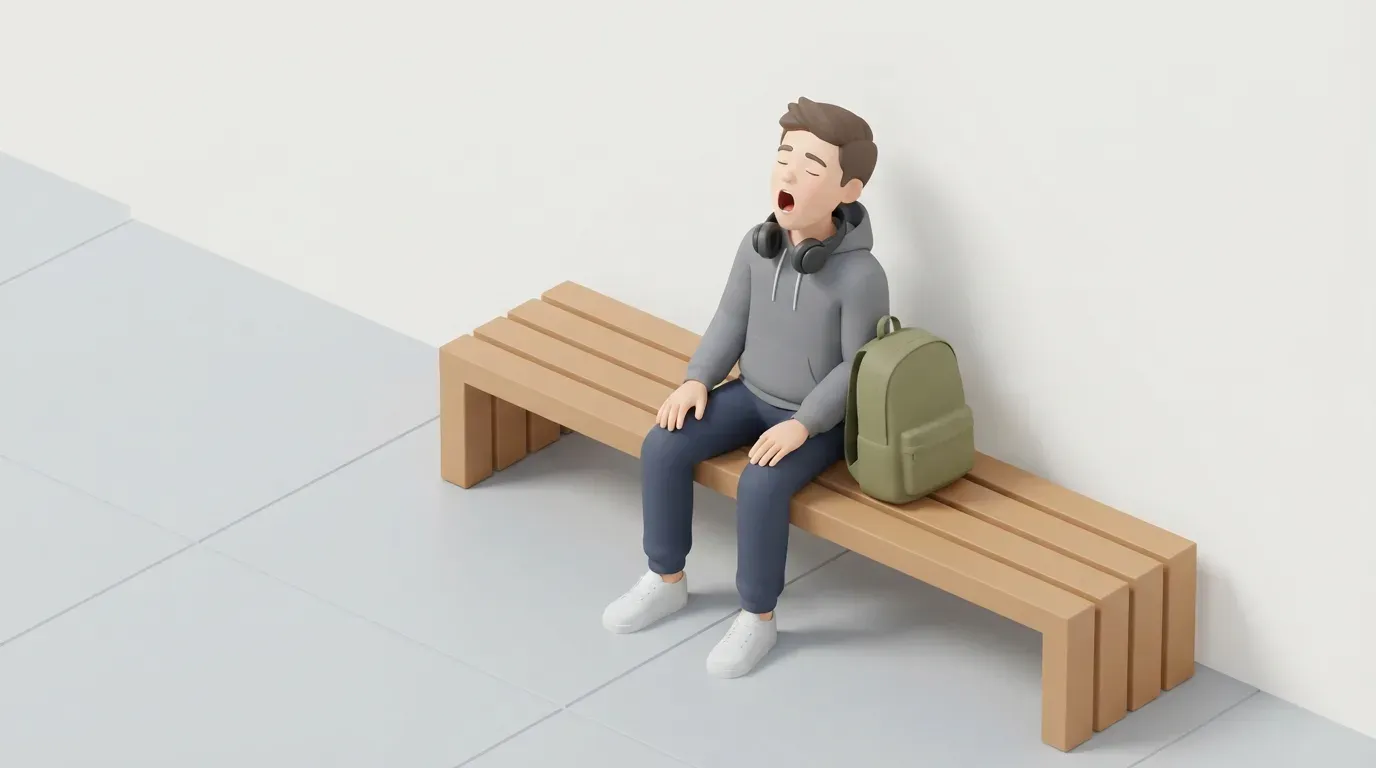
Why does school start later in California?
 A2Plan lekcjiEnglish A2.2
Is spring going to come early?
 A2ĆwiczeniaGrammar Practice · A2
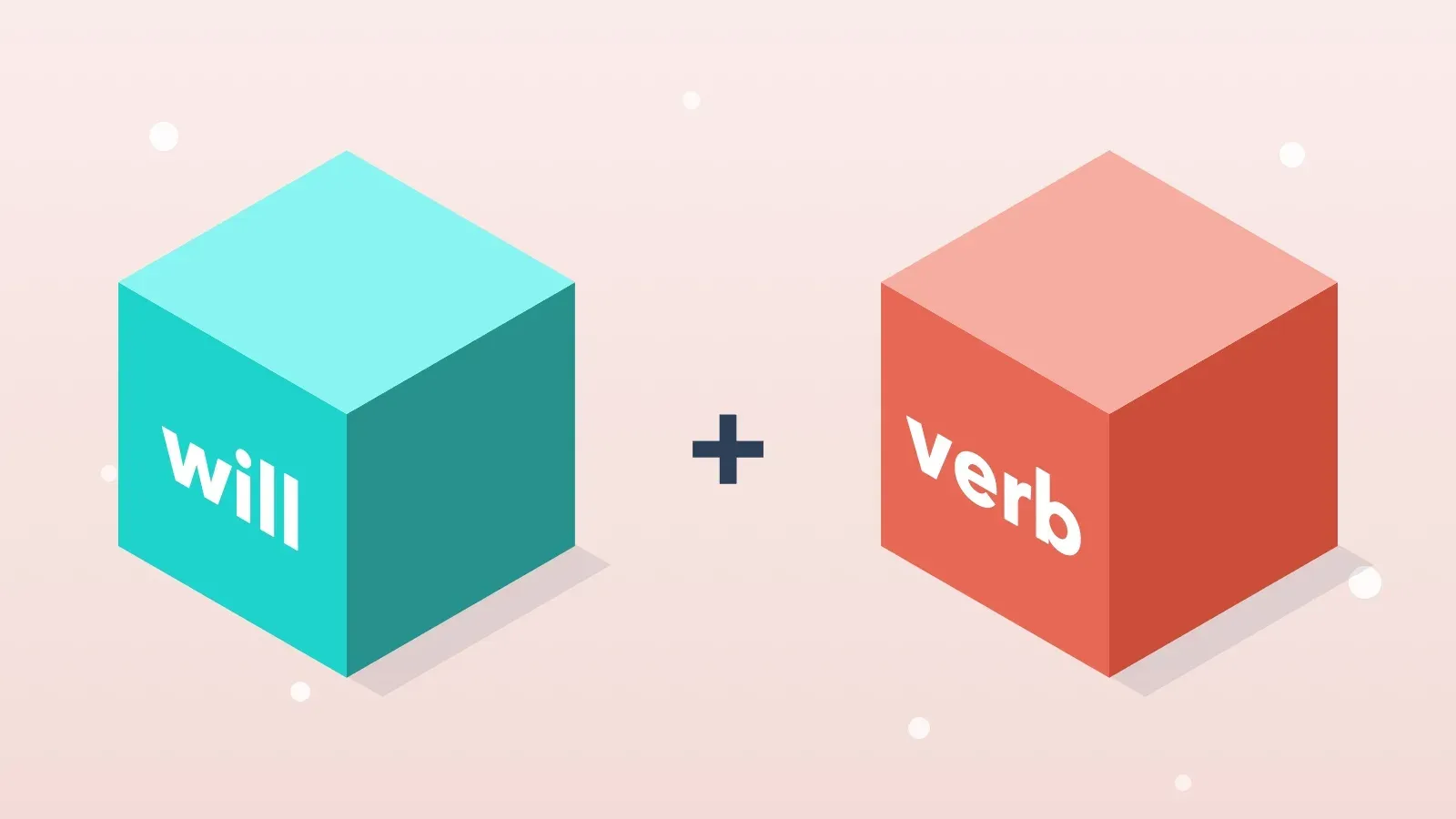
Be going to: what's your plan?
 A2ĆwiczeniaGrammar Practice · A2
Will: what will the future bring?
 A2ĆwiczeniaGrammar Practice · A2
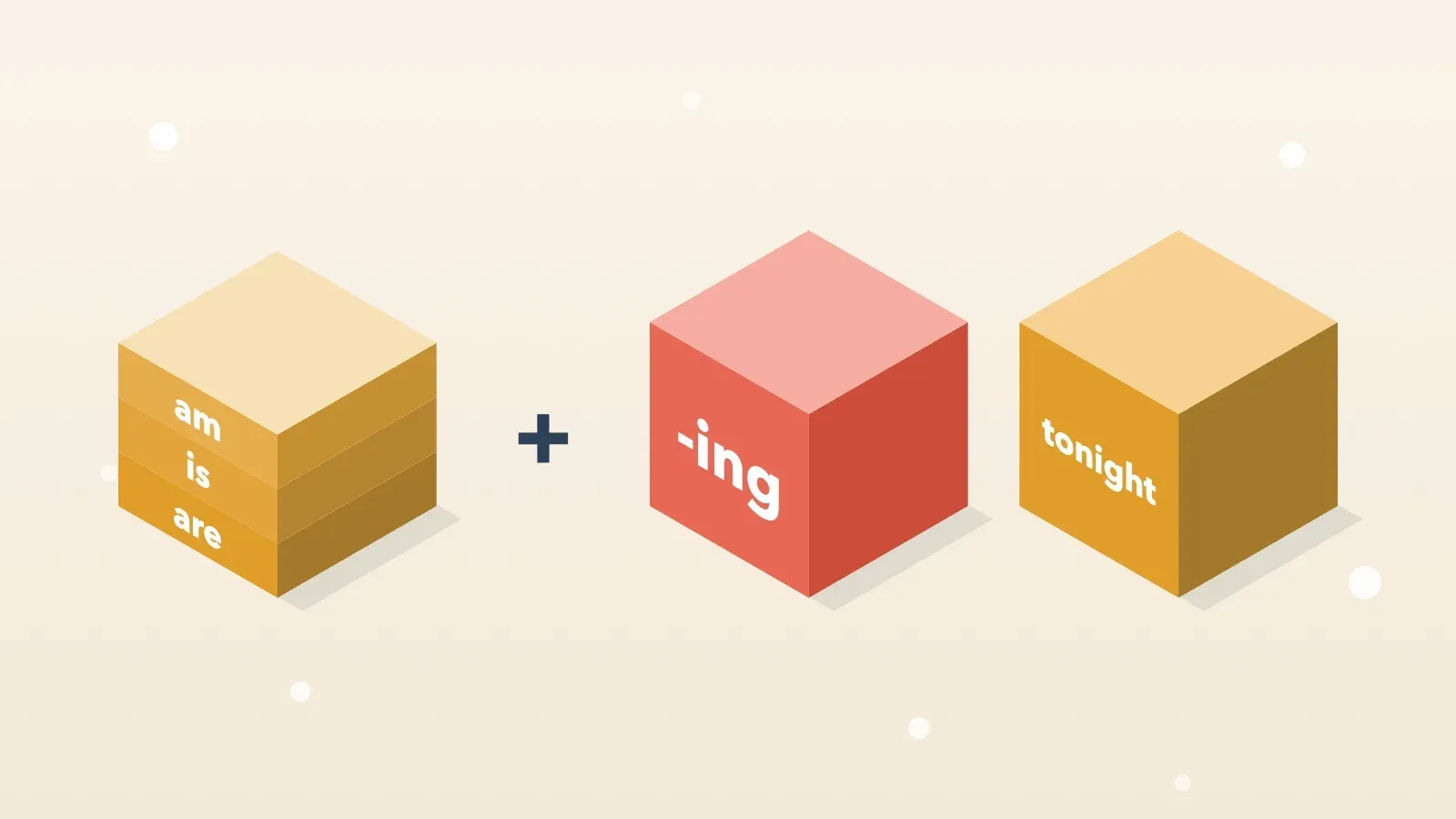
Present continuous for plans: what are you doing tonight?
 A2ĆwiczeniaGrammar Practice · A2
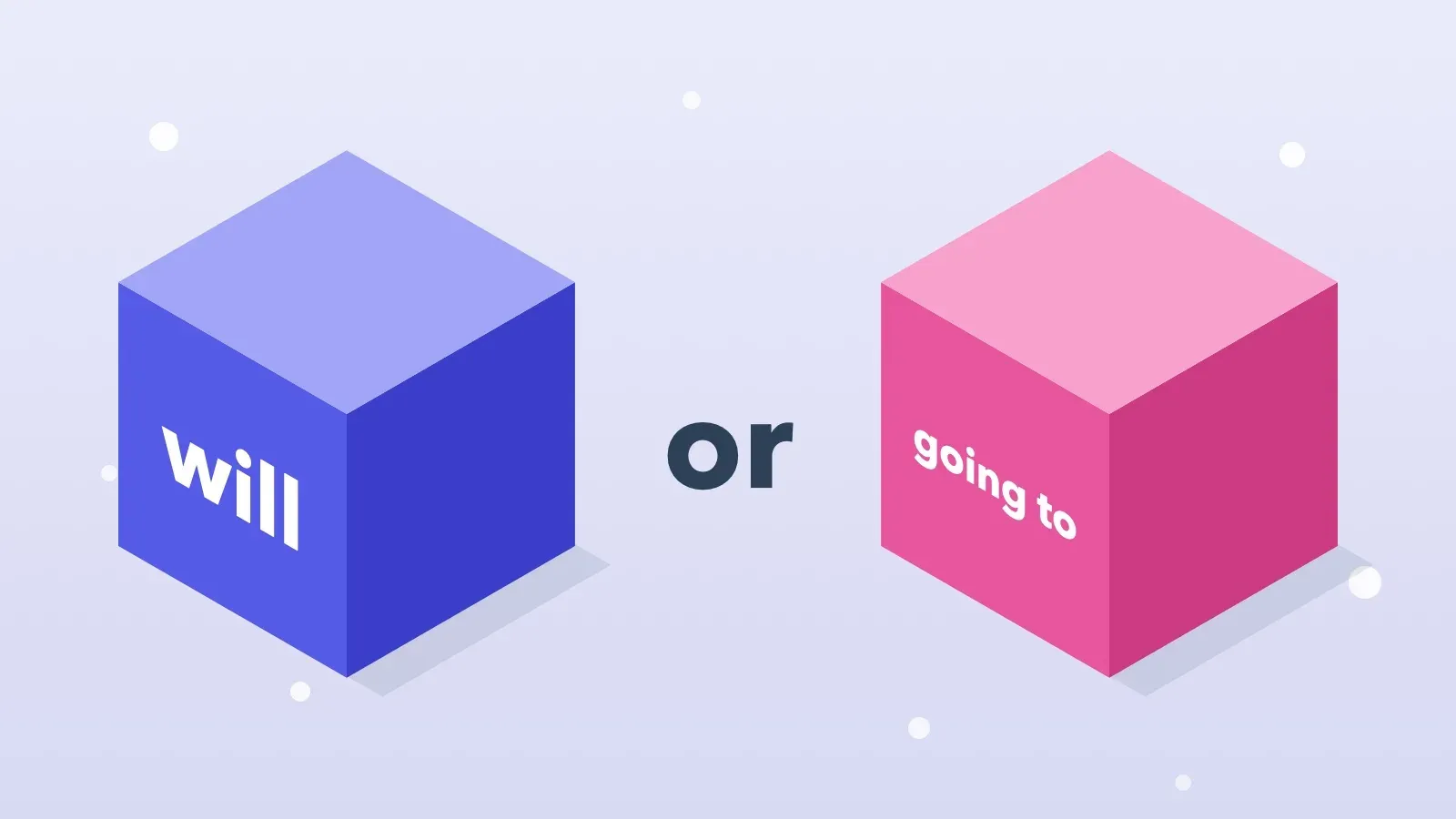
Will vs going to: decided before or right now?
 B1Plan lekcjiEnglish B1 · Hot Topics
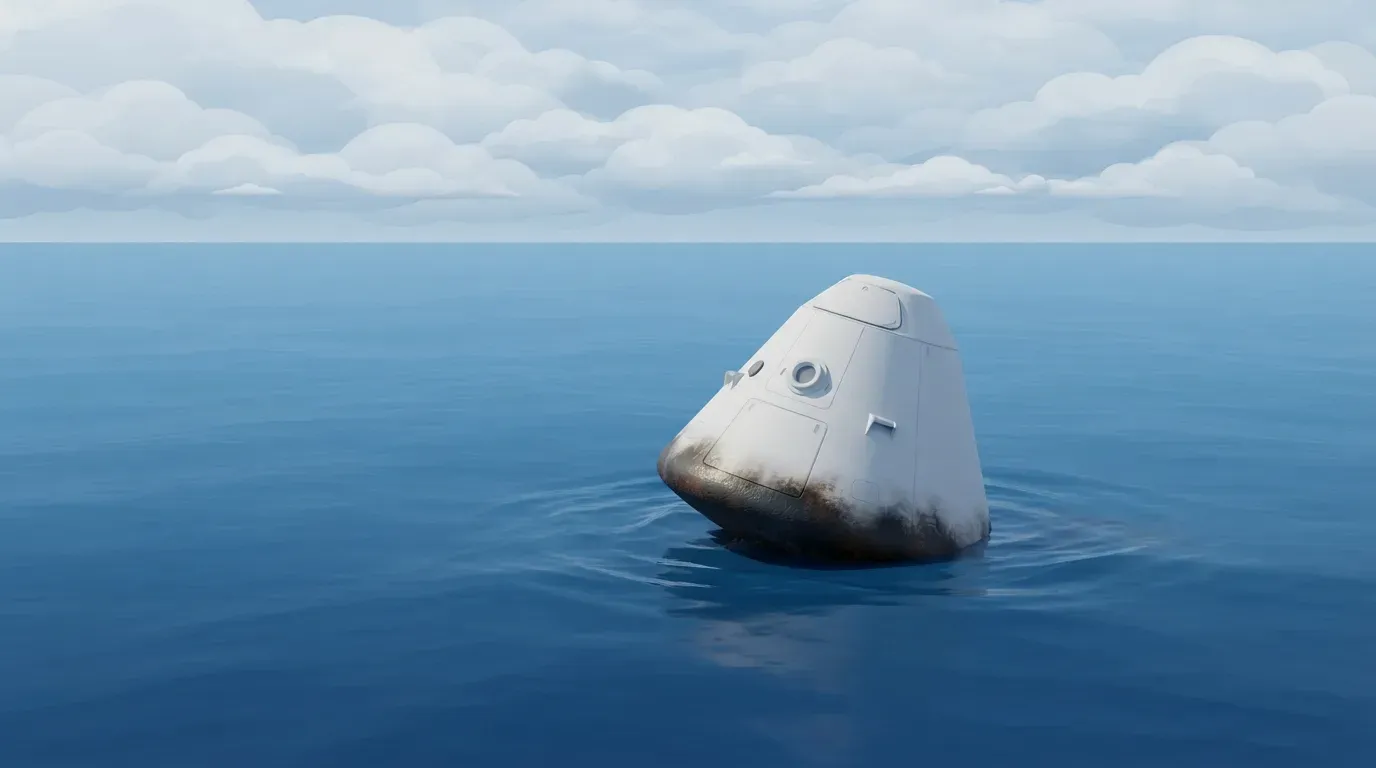
Goodbye 2026, hello 2027
 B1Plan lekcjiEnglish B1.1
Who will walk on the Moon next?
 B1Plan lekcjiEnglish B1.1
A message for the stars
 B1Plan lekcjiEnglish B1.1
What does Newspaper Rock say?
 B1Plan lekcjiEnglish for IT B1
What happens when you type a URL?
 B1Plan lekcjiEnglish for IT B1
Your 9 a.m. is my noon
 B1ĆwiczeniaGrammar Practice · B1
Future forms: plans, promises and timetables
 B1ĆwiczeniaGrammar Practice · B1
Future time clauses: I'll call you when I land
 B2Plan lekcjiBusiness English B2
Setting Up Meetings
 B2Plan lekcjiBusiness English B2
The Road Ahead
 B2Plan lekcjiEnglish B2.1
Can a chatbot fool you?
 B2Plan lekcjiEnglish B2.1
By 2035, what will AI have designed?
 B2Plan lekcjiEnglish B2.1
The highways that were supposed to take 13 years
 B2Plan lekcjiEnglish B2.1
Six months of night at the South Pole
 B2Plan lekcjiEnglish for IT B2
By New Year's Eve, we'll have fixed it
 B2Plan lekcjiEnglish for IT B2
Let's play planning poker
 B2ĆwiczeniaGrammar Practice · B2
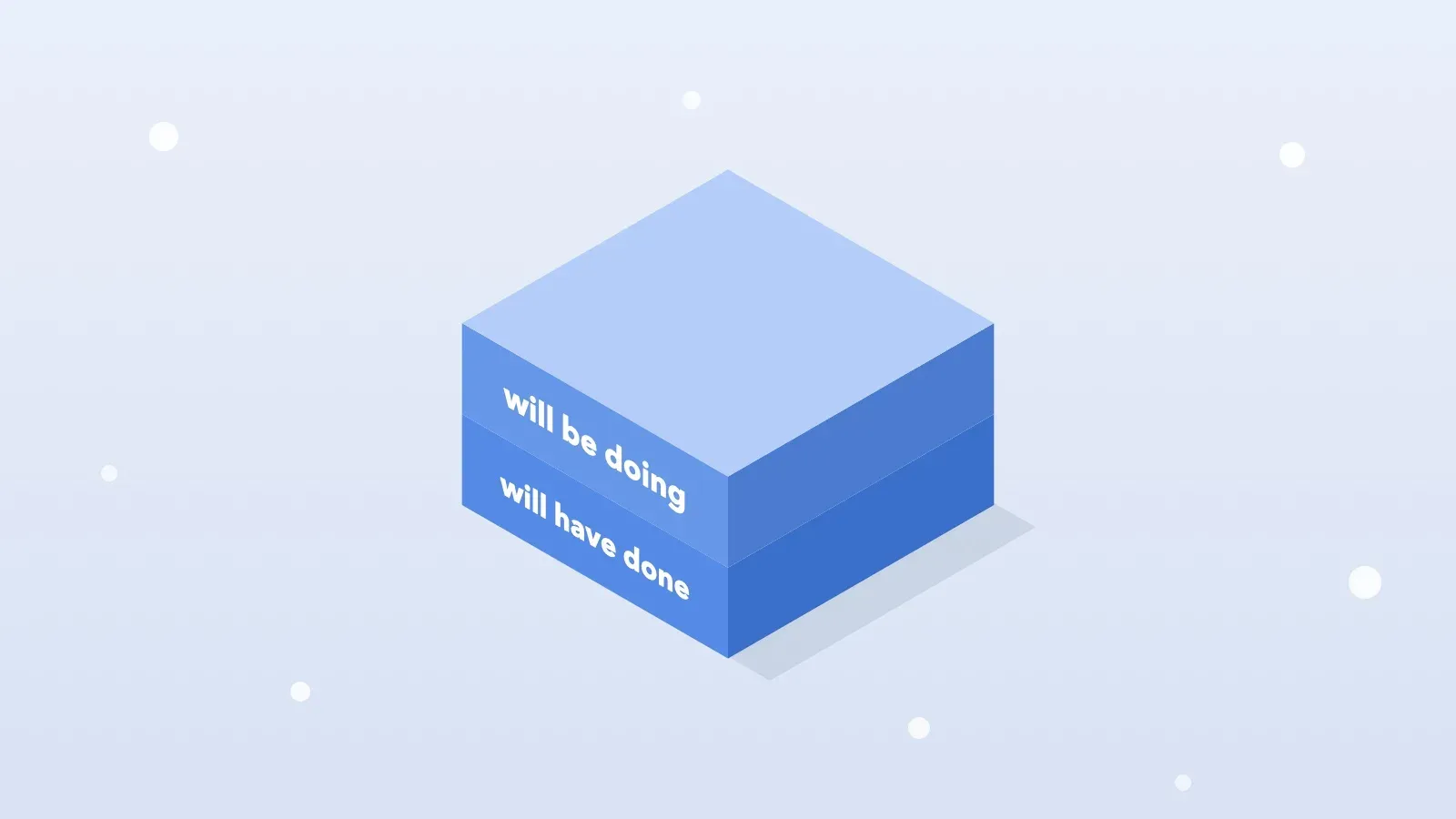
Future continuous and future perfect: countdown to launch
 B2ĆwiczeniaGrammar Practice · B2
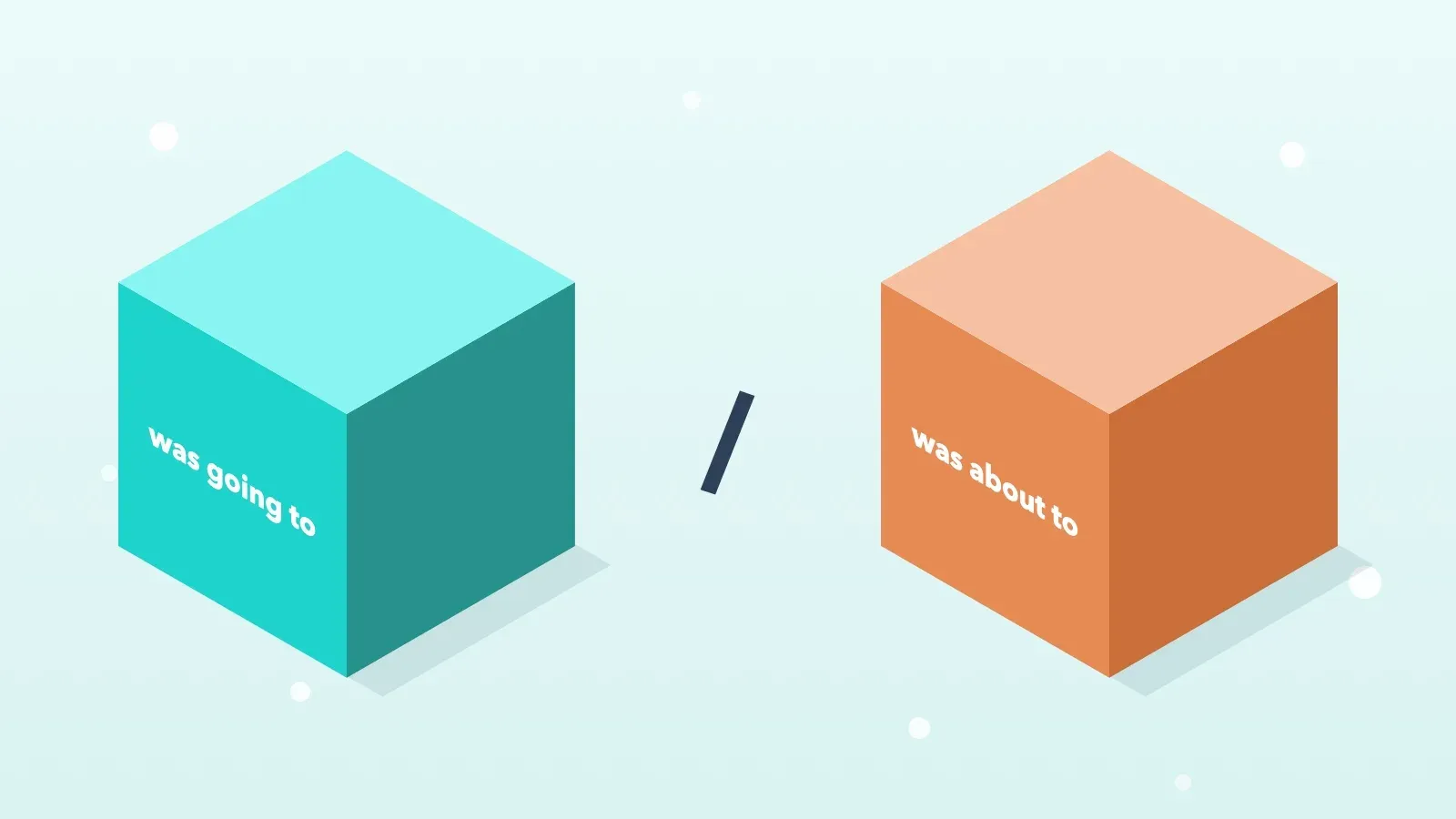
Future in the past: it was going to be perfect
 C1Plan lekcjiEnglish for IT C1
Async Stand-ups: Status Updates People Can Act On
 C1ĆwiczeniaGrammar Practice · C1
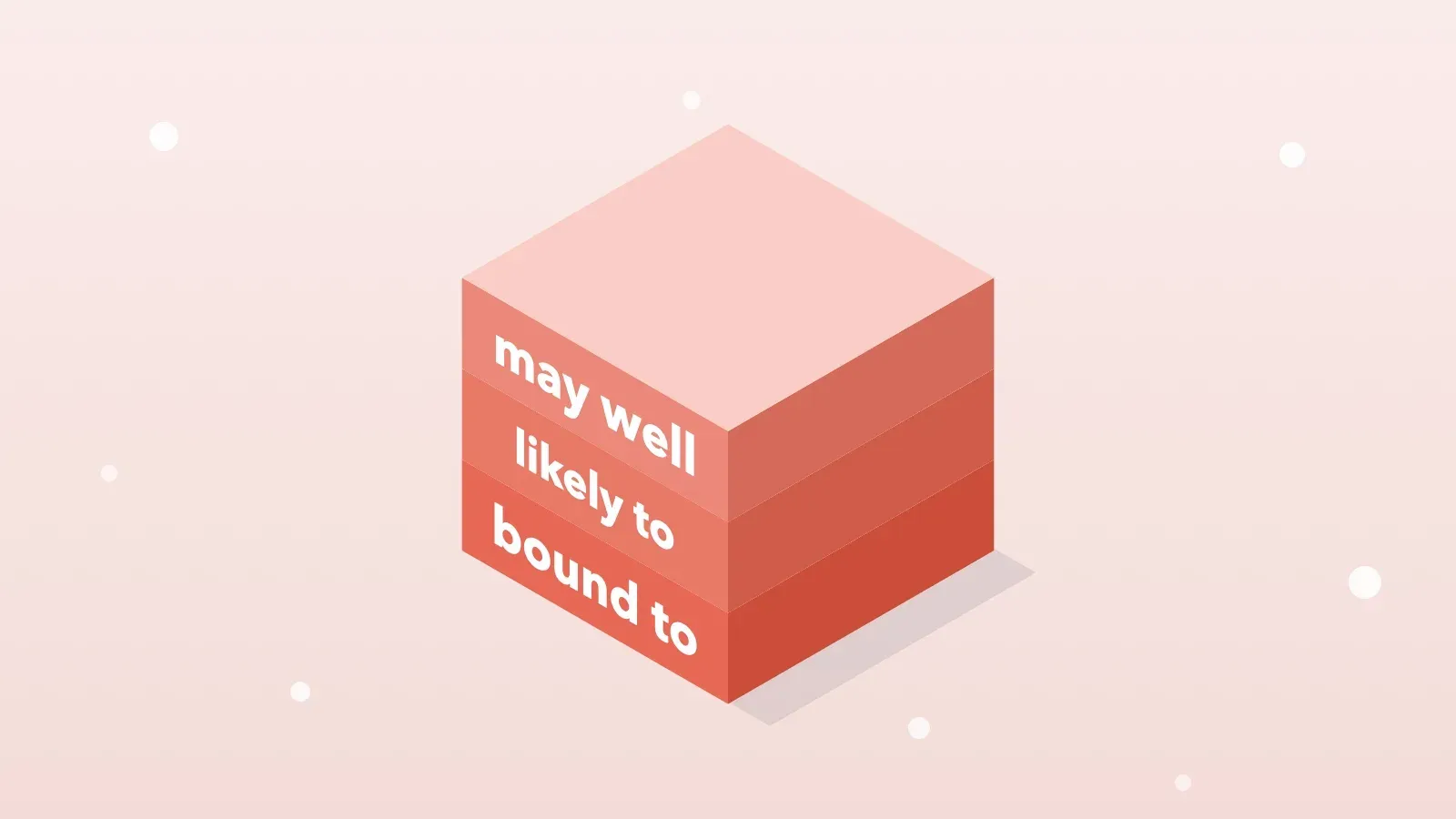
Likelihood: is it bound to happen?
 C1ĆwiczeniaGrammar Practice · C1
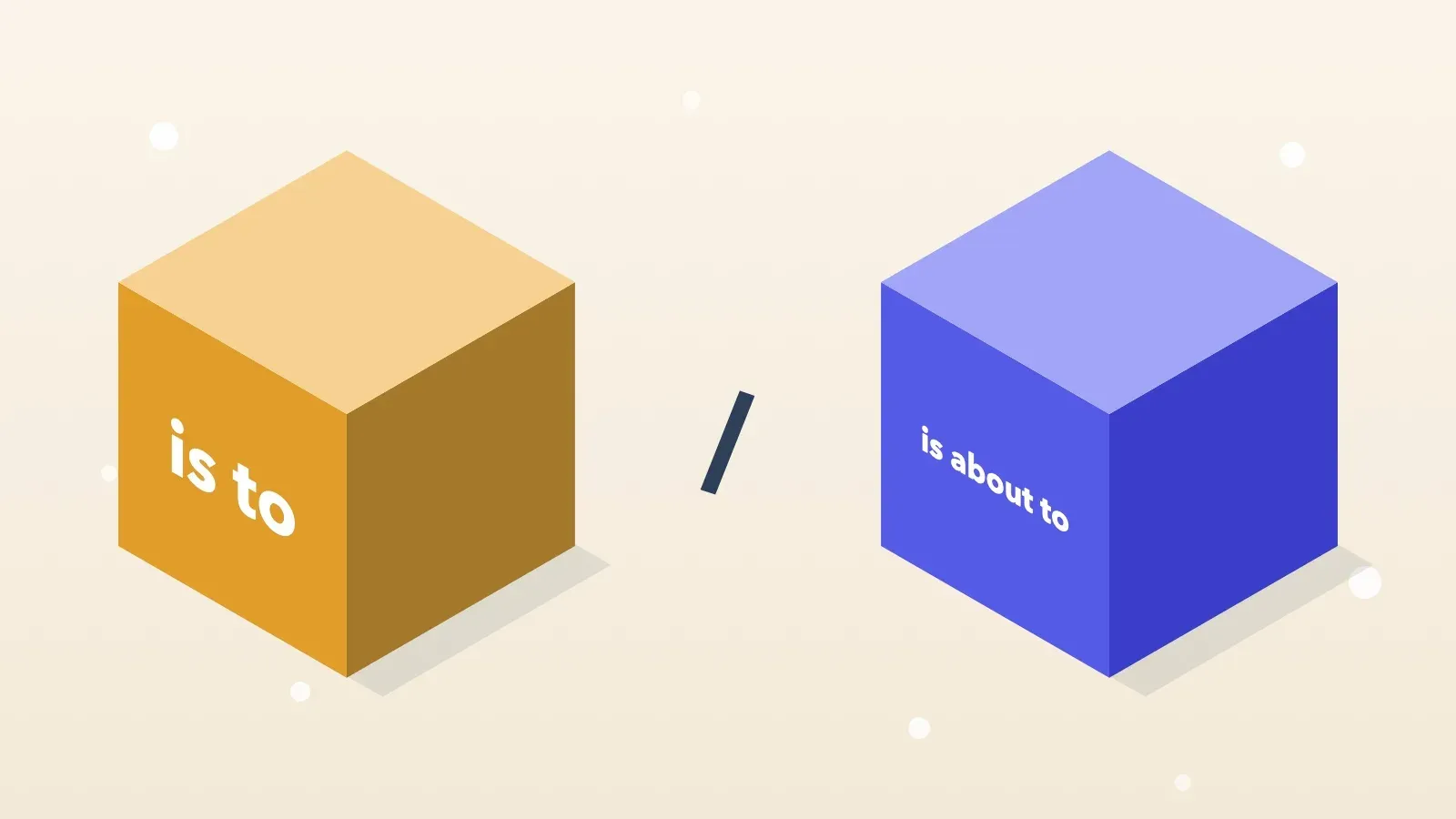
Be to, about to, due to, set to: the first tram is about to leave
Czasy przyszłe – ćwiczenia online
Po jednym ćwiczeniu z 6 lekcji. To te same ćwiczenia, które twoi uczniowie robią w edio.
Czasy przyszłe – zasady i przykłady
Wybór formy zależy od tego, jak mówiący patrzy na przyszłe zdarzenie. Plan albo przewidywanie na podstawie tego, co już widać, to going to. Spotkanie umówione z innymi na konkretną godzinę to present continuous. Decyzja podjęta w chwili mówienia, propozycja pomocy albo przewidywanie oparte na opinii to will. Do rozkładów jazdy używamy present simple: The train leaves at 7:40.
Going to: plany i to, co już widać
Am, is lub are + going to + czasownik ma dwa zastosowania. Pierwsze to plan: I'm going to learn flag football. Drugie to przewidywanie na podstawie tego, co widzimy teraz: Biscuit wpatruje się w hot doga, więc He's going to steal it!
The form
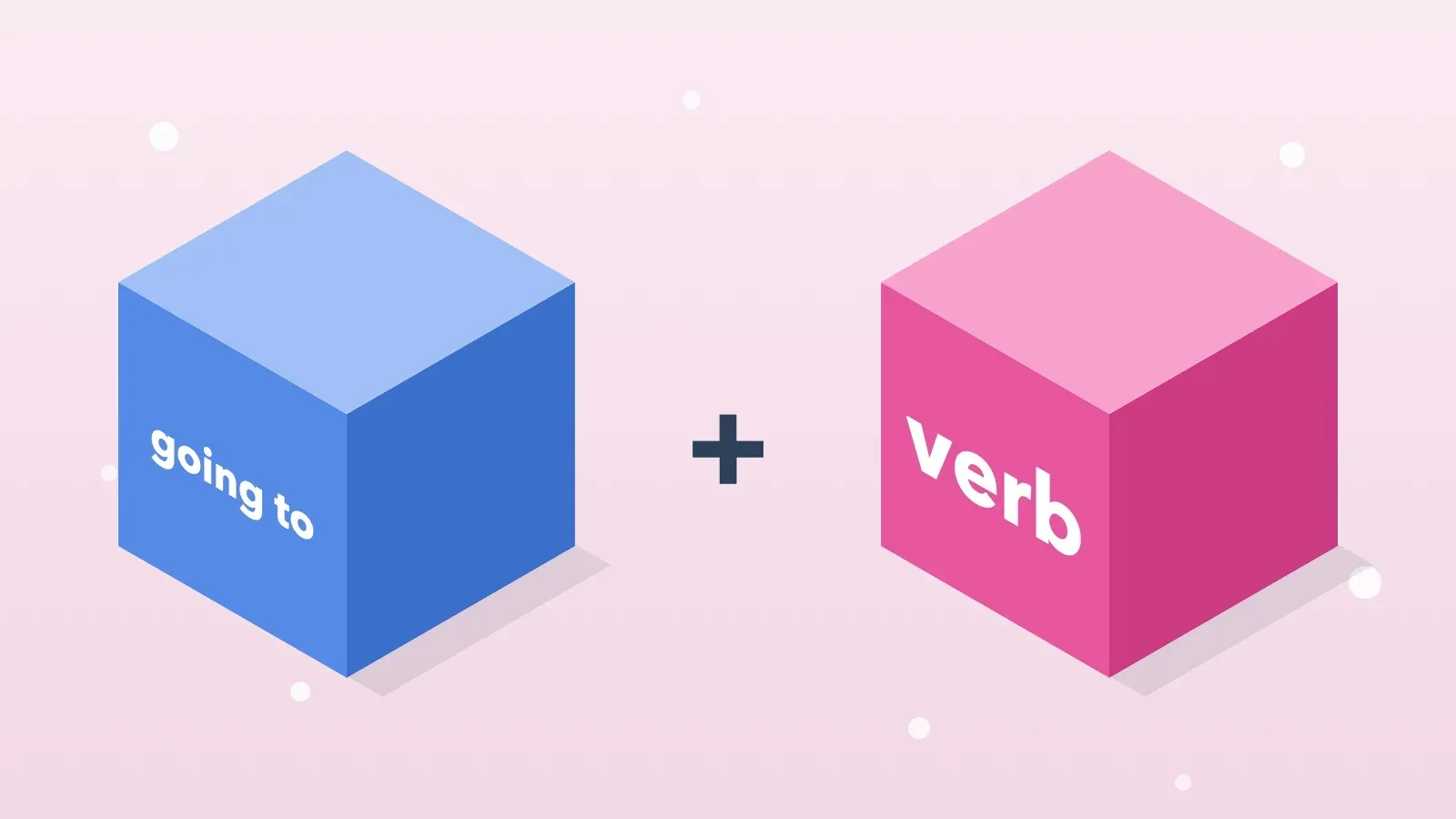
am / is / aregoing toverb
I'm going to learn flag football.
It isn't going to rain.
Are you going to watch the swimming?
Two uses
A plan 📅
- I'm going to learn flag football.
- We're going to come back in 2028.
- The plan is: athletes are going to compete at the Coliseum.
A prediction: we can see it now 👀
- Look at that blue sky! It isn't going to rain.
- Biscuit is looking at the hot dog. He's going to steal it!
- The stadium is full of people. It's going to be loud!
Z lekcji What's going to happen at LA 2028? (English A2.1)
Present continuous: bilet, rezerwacja, umówiona godzina
Gdy mamy bilet, rezerwację albo godzinę ustaloną z innymi, angielski często używa present continuous: We're leaving Chicago at two. Plan, który istnieje tylko w naszej głowie, wyrażamy przez going to: We're going to take lots of photos.
Arrangement → present continuous
- You have a ticket, a reservation, an appointment or a time with other people.
- We're leaving Chicago at two. (We have tickets.)
- I'm meeting Earl at the station at six.
Plan → going to
- You decided. It's your plan or idea: no ticket, no time with others.
- We're going to take lots of photos.
- Marco is going to sleep in the lounge car tonight.
Z lekcji Across America by train (English A2.1)
Will: jedna forma dla każdej osoby
Will + forma podstawowa czasownika nigdy się nie zmienia: I'll wake up, He'll pass the test. Przeczenie to won't, pytanie zaczyna się od Will, a krótka odpowiedź twierdząca zachowuje pełną formę: Yes, I will, a nie Yes, I'll.
will and won't: every person
| Who | will (+) | Short form | won't = will not (–) |
|---|---|---|---|
| I | I will wake up at seven. | I'll wake up at seven. | I won't wake up late. |
| you | You will love homeroom. | You'll love homeroom. | You won't be late. |
| he | He will pass the test. | He'll pass the test. | He won't yawn in class. |
| she | She will come with us. | She'll come with us. | She won't forget. |
| it | It will rain today. | It'll rain today. | It won't be easy. |
| we | We will sleep more. | We'll sleep more. | We won't be tired. |
| they | They will be busy. | They'll be busy. | They won't take a nap. |
Questions and short answers
| Question | Short answer |
|---|---|
| Will you come to homeroom? | Yes, I will. / No, I won't. |
| Will Ethan pass the test? | Yes, he will. / No, he won't. |
| Will they be tired? | Yes, they will. / No, they won't. |
| What time will you wake up? | I'll wake up at seven. |
Z lekcji Why does school start later in California? (English A2.2)
Will czy going to?
Going to wyraża decyzję podjętą wcześniej albo przewidywanie oparte na tym, co widać. Will wyraża decyzję z tej chwili, propozycję pomocy albo przewidywanie oparte na opinii. Dzwoni telefon: I'll get it!
| Form | When? | Example |
|---|---|---|
| going to | a plan: you decided before now | We're going to watch Phil tomorrow. |
| going to | a prediction: you can see it coming | Look at those clouds! It's going to snow. |
| will | a quick decision: you decide right now | The phone's ringing. I'll get it! |
| will | an offer: you want to help | You're cold! I'll get you a hot chocolate. |
| will | a prediction: what you think | I think spring will come early. |
Z lekcji Is spring going to come early? (English A2.2)
Zdania czasowe: bez will po when i as soon as
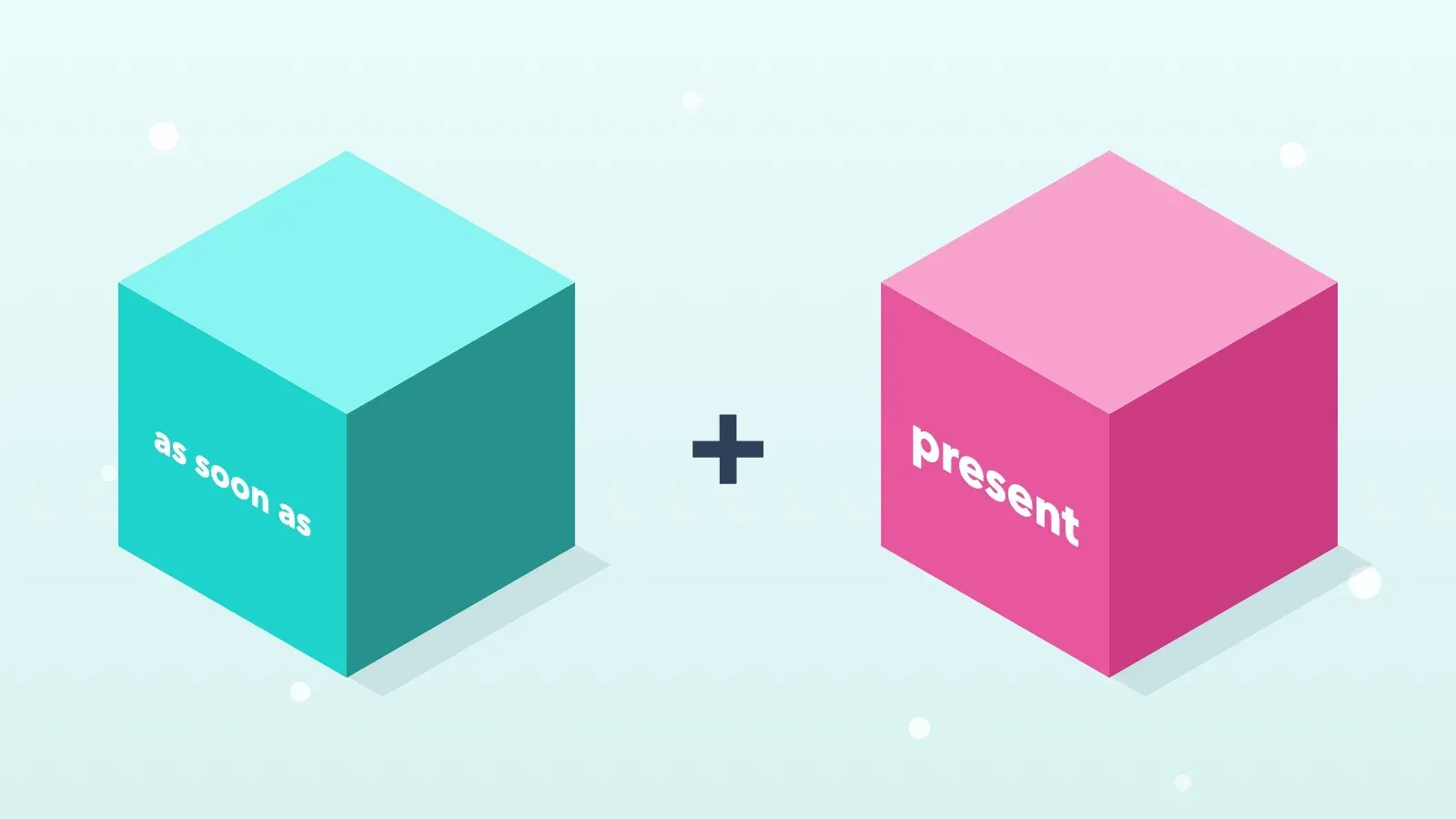
Po when, before, after, as soon as, once i until czasownik zostaje w present simple, choć mowa o przyszłości. Will stoi tylko w zdaniu głównym: When the call ends, I'll create a ticket.
time word + present simplemain clause (present simple or will)
As soon as the browser gets the IP address, it sends a request.
When the call ends, I'll create a ticket.
Z lekcji What happens when you type a URL? (English for IT B1)
Future continuous i future perfect
Wyobraź sobie moment w przyszłości. Will be + -ing pokazuje czynność, która wtedy jeszcze trwa: At nine, Claire will be serving the first customer. Will have + trzecia forma czasownika pokazuje czynność zakończoną do tego czasu: By ten, she will already have served fifty customers.
will be + -ing: in the middle of it then
- At nine, Claire will be serving the first customer.
- This time next week, we'll be training the baristas.
will have + past participle: done by then
- By ten, Claire will already have served fifty customers.
- By the end of the month, we'll have trained all the baristas.
Z lekcji The Road Ahead (Business English B2)
Pytania o czasy przyszłe
Jakie są czasy przyszłe w języku angielskim?
Kiedy używamy future simple?
Jak tworzy się future simple?
Czym różni się will od going to?
Kiedy present continuous wyraża przyszłość?
Czy po when i as soon as używamy will?
Czym różni się future continuous od future perfect?
Jak uczyć czasów przyszłych na poziomie A2?
Jakie gry i zadania sprawdzają się przy will i going to?
Czy są interaktywne ćwiczenia z future simple i going to?
Więcej gramatyki angielskiej
Lekcje do każdego zagadnienia gramatycznego, od czasownika to be po mowę zależną. Wszystkie zagadnienia