Present perfect: kiedy go używamy, ćwiczenia i lekcje
Poziomy A2–B2 13 planów lekcji · 5 lekcji ćwiczeniowych Ćwiczenia sprawdzane automatycznie
Czas present perfect łączy przeszłość z teraźniejszością i nie ma prostego odpowiednika w polskim: Have you ever seen the northern lights? My lunch hasn't arrived yet. I've lived in New York for two years. Biblioteka edio ma gotowe lekcje z present perfect (liczba lekcji: 13, poziomy A2–B2), interaktywne i w amerykańskim angielskim, a ta strona zbiera je wszystkie. Wypróbuj ich ćwiczenia, zobacz na schematach, czym present perfect różni się od past simple, i znajdź lekcję dla swojej grupy według poziomu.
Present perfect – plany lekcji i ćwiczenia
13 planów lekcji i 5 lekcji ćwiczeniowych, poziomy A2–B2. Plan lekcji to cała lekcja z czytaniem, słuchaniem i mówieniem, a lekcja ćwiczeniowa to 44–46 ćwiczeń sprawdzanych automatycznie, bez nowego słownictwa.
 A2Plan lekcjiEnglish A2.2
Have you ever seen the sky dance?
 A2Plan lekcjiEnglish A2.2
Have you been to the Grand Canyon?
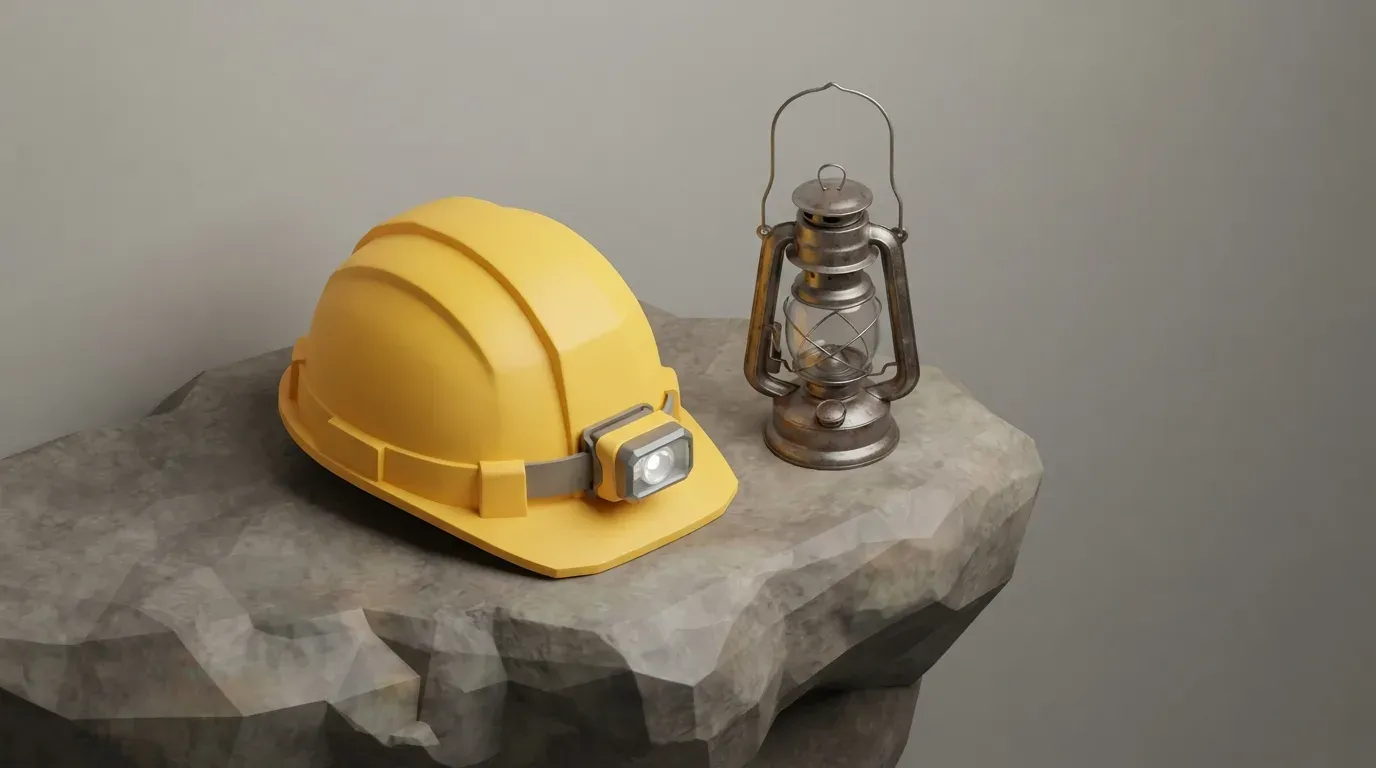 A2Plan lekcjiEnglish A2.2
The longest cave in the world
 A2Plan lekcjiEnglish A2.2
The chocolate bar that melted
 A2Plan lekcjiEnglish A2.2
Has my lunch arrived yet?
 A2ĆwiczeniaGrammar Practice · A2
Present perfect: have you ever tried it?
 A2ĆwiczeniaGrammar Practice · A2
Just, already, yet: have you done it yet?
 A2ĆwiczeniaGrammar Practice · A2
For and since: how long have you known her?
 A2ĆwiczeniaGrammar Practice · A2
Present perfect or past simple: up to now or finished time?
 B1Plan lekcjiEnglish B1 · Hot Topics
GTA 6: worth the wait?
 B1Plan lekcjiEnglish B1.1
Would you visit an airport just for fun?
 B1Plan lekcjiEnglish B1.1
Would you sleep in a 300-year-old inn?
 B1Plan lekcjiEnglish B1.1
Could you be a camp counselor?
 B1Plan lekcjiEnglish for IT B1
Your first "Hello, World"
 B1Plan lekcjiEnglish for IT B1
Done, not done yet
 B1ĆwiczeniaGrammar Practice · B1
Present perfect simple or continuous: how many or how long?
 B2Plan lekcjiBusiness English B2
Our Story: From Cart to Roastery
 B2Plan lekcjiBusiness English B2
Handling a Complaint
Present perfect – ćwiczenia online
Po jednym ćwiczeniu z 6 lekcji. To te same ćwiczenia, które twoi uczniowie robią w edio.
Present perfect – zasady i przykłady
Present perfect opisuje przeszłość bez podanego, zakończonego czasu: doświadczenia (I've never slept in a cabin), nowiny, których skutek widać teraz (The popcorn has just popped!) i sytuacje, które zaczęły się w przeszłości i trwają do dziś (We've had the roastery since 2017). Zakończony czas, np. yesterday, wymaga past simple.
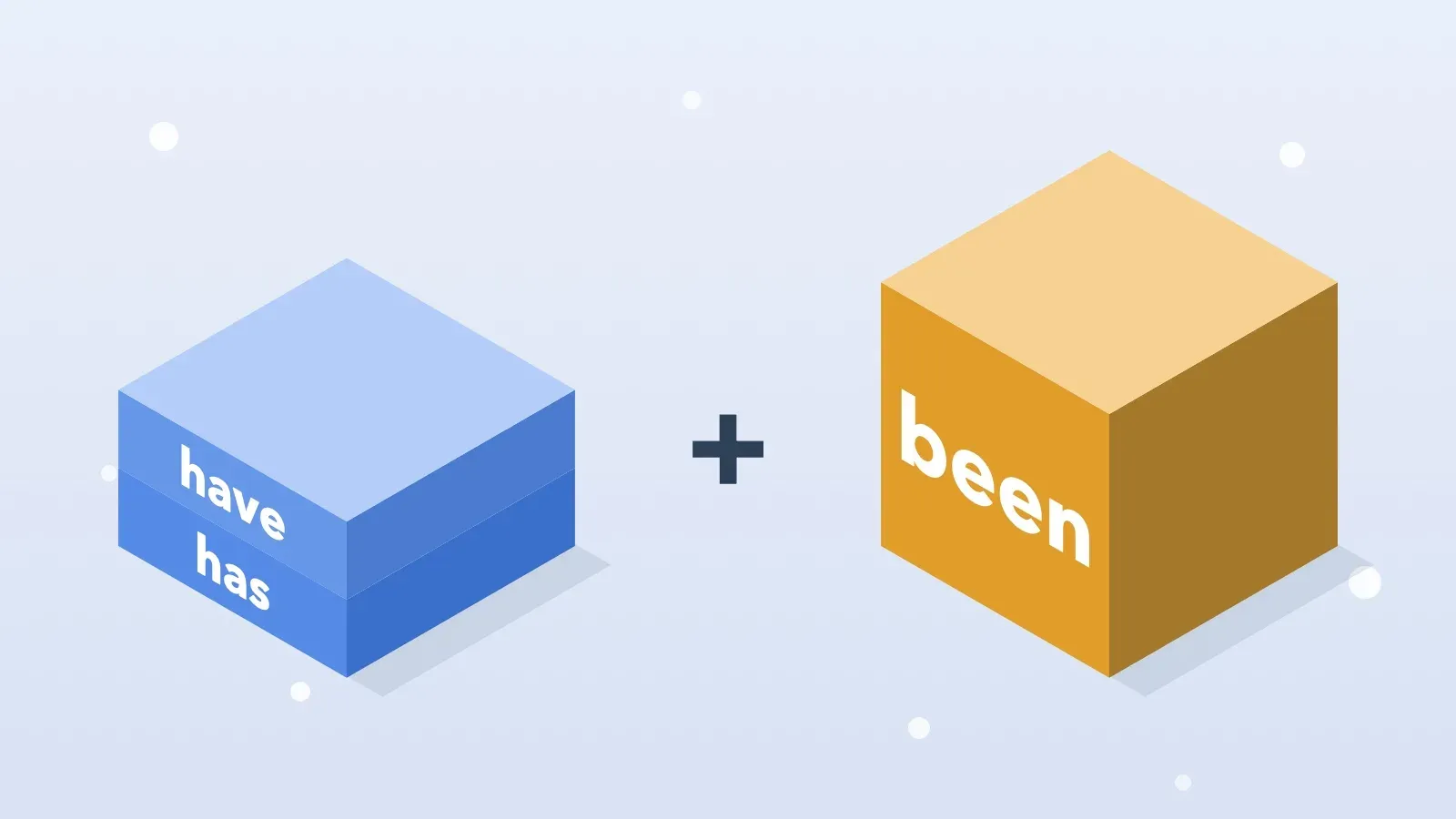
Have lub has + trzecia forma czasownika
Has stoi przy he, she i it, have przy pozostałych osobach, a czasownik główny ma trzecią formę (past participle): She has seen the lights, We've heard a wolf. Wiele z tych form jest nieregularnych (been, flown, eaten), dlatego druga tabela podaje ich dwanaście.
Every person
| Who | ✅ Yes | ❌ never |
|---|---|---|
| I | I have seen snow. (I've seen) | I have never been to Alaska. (I've never been) |
| you | You have tried ice skating. (You've tried) | You have never flown at night. |
| he, she, it | She has seen the lights. (She's seen) | He has never slept in a cabin. It has never snowed here. |
| we | We have heard a wolf. (We've heard) | We have never eaten a snowball. |
| they | They have been to Florida. (They've been) | They have never done a winter sport. |
12 past participles
| Verb | Past participle | Example |
|---|---|---|
| be | been | I've been to Alaska. |
| see | seen | Have you ever seen snow? |
| do | done | I've never done a winter sport. |
| eat | eaten | Have you ever eaten a snowball? |
| fly | flown | She has never flown at night. |
| feel | felt | Have you ever felt snow on your face? |
| take | taken | I've never taken a photo of the lights. |
| hear | heard | Have you ever heard a wolf? |
| sleep | slept | We've never slept in a cabin. |
| try | tried (regular: -y → -ied) | Have you ever tried ice skating? |
| glow | glowed (regular: + -ed) | Has the sky ever glowed green? |
| appear | appeared (regular: + -ed) | Maya has never appeared on TV. |
Z lekcji Have you ever seen the sky dance? (English A2.2)
Present perfect czy past simple?
Present perfect podaje samo doświadczenie, bez czasu: I've been to the Grand Canyon. Past simple dodaje, kiedy i jak to było: I went there last year. Ever i never wskazują na pierwszy czas, yesterday i ago na drugi.
Two tenses, two jobs
Present perfect: your experience (no time)
- I've been to the Grand Canyon.
- Have you ever ridden a mule?
- Fred has been to the bottom many times.
- Nora has never been here before.
Past simple: the details (when, where, how)
- I went there last year.
- When did you go?
- He first went down in 2005.
- She arrived yesterday.
Signal words
| Present perfect | Past simple |
|---|---|
| ever: Have you ever been there? | yesterday: I saw it yesterday. |
| never: I've never ridden a mule. | last night / week / year: We went last year. |
| no time given: She's been there twice. | in + a year or a month: in 2005, in June |
| before: Have you been here before? | ago: two days ago |
| How many times have you been there? | When did you go? |
Z lekcji Have you been to the Grand Canyon? (English A2.2)
Just: coś stało się przed chwilą
Just stoi między have lub has a trzecią formą i mówi o czymś, co wydarzyło się przed chwilą: I've just burned the toast, It's just beeped. W pytaniu stoi po podmiocie: Has she just left?
| Who | have / has + just | Example |
|---|---|---|
| I | I've just = I have just | I've just burned the toast. |
| you | you've just = you have just | You've just eaten my snack! |
| he | he's just = he has just | He's just told a terrible joke. |
| she | she's just = she has just | She's just made popcorn. |
| it | it's just = it has just | It's just beeped. (the microwave) |
| we | we've just = we have just | We've just found the answer. |
| they | they've just = they have just | They've just popped! (the kernels) |
Z lekcji The chocolate bar that melted (English A2.2)
Already i yet
Already znaczy „już”, czasem wcześniej, niż się spodziewaliśmy, i stoi tam, gdzie just: The robot has already left. Yet zamyka przeczenia i pytania, a tłumaczymy je jako „jeszcze” lub „już”: It hasn't arrived yet, Has it arrived yet?
| Word | Use it in… | Where? | Example |
|---|---|---|---|
| already ✅ | positive sentences | between have / has and the verb | The robot has already left. |
| already 😮 | questions: a surprise (so soon?) | between have / has and the verb | Have you already ordered? |
| yet ❌ | negative sentences | at the end | It hasn't arrived yet. |
| yet ❓ | questions | at the end | Has it arrived yet? |
Z lekcji Has my lunch arrived yet? (English A2.2)
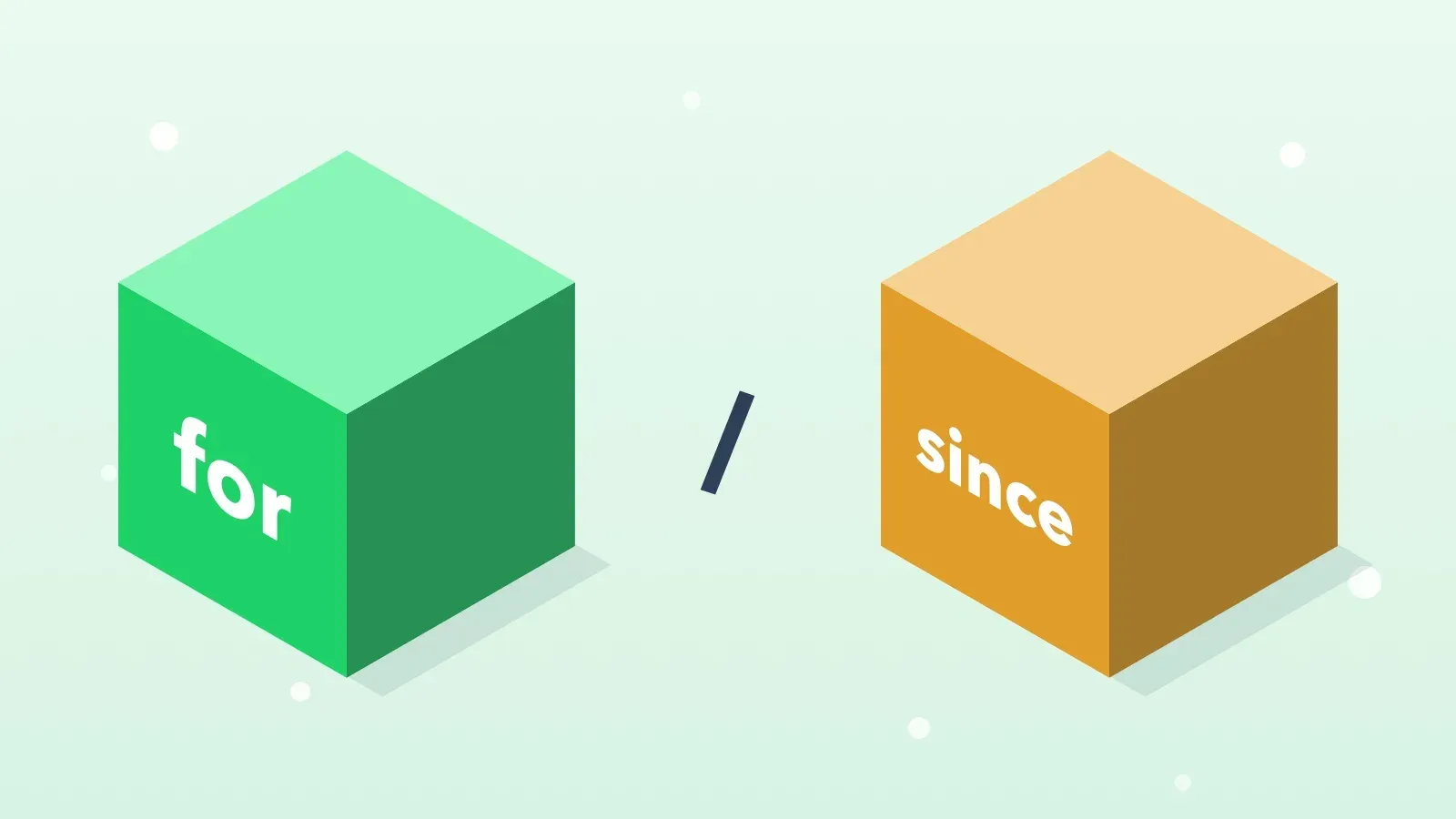
For i since: zaczęło się wtedy, trwa do dziś
Gdy coś zaczęło się w przeszłości i nadal trwa, present perfect łączy się z for + okres albo since + punkt początkowy: I've worked at Kestrel since Monday. Jeśli sytuacja już minęła, wybierz past simple: I worked in IT support for three years.
For or since?
| for + a period of time | since + a point in time |
|---|---|
| for four days | since Monday |
| for forty minutes | since nine o'clock |
| for two years | since 2024 |
| for about a year | since my coding course |
| for years | since the dashboard beta |
| for a few hours | since I arrived (since + past simple) |
Still true now, or finished?
Still true now: present perfect
- I've lived in New York for two years. (I live there now.)
- Tom has been online since seven. (He's online now.)
Finished: past simple
- I worked in IT support for three years. (I don't now.)
- Iryna started at Kestrel on Monday. (one finished moment)
Z lekcji Your first "Hello, World" (English for IT B1)
Simple czy continuous: wynik czy czynność?
Forma prosta podaje wynik albo liczbę: We've packed fifty new bags, I've called the carrier three times. Forma ciągła, czyli present perfect continuous, mówi o samej czynności i o tym, jak długo trwa: I've been calling the carrier since ten.
Simple: the result, the job is done
- I've read your email. (I've finished it.)
- We've packed fifty new bags. (They're ready to go.)
- I've called the carrier three times. (How many? A number.)
Continuous: the activity, often not finished
- I've been reading the report. (I'm not at the end yet.)
- We've been packing bags all morning. (That's how we've spent the time.)
- I've been calling the carrier since ten. (How long? A period.)
Z lekcji Handling a Complaint (Business English B2)
Pytania o present perfect
Kiedy używamy czasu present perfect?
Jak tworzy się present perfect?
Jakie są określenia czasu w present perfect?
Czym różni się present perfect od past simple?
Kiedy for, a kiedy since?
Jak powiedzieć po angielsku „mieszkam tu od dwóch lat”?
Czy Amerykanie używają past simple zamiast present perfect?
Jak uczyć present perfect na poziomie A2?
Jakie gry i pytania do rozmowy pasują do present perfect?
Gdzie zrobić ćwiczenia z present perfect online?
Więcej gramatyki angielskiej
Lekcje do każdego zagadnienia gramatycznego, od czasownika to be po mowę zależną. Wszystkie zagadnienia