Mowa zależna: reported speech krok po kroku
Poziomy B1–C1 13 planów lekcji · 4 lekcje ćwiczeniowe Ćwiczenia sprawdzane automatycznie
Mowa zależna w angielskim (reported speech) pozwala przekazać, co ktoś powiedział albo o co zapytał: “Is the app down?” zmienia się w She asked if the app was down. Ta strona zbiera gotowe lekcje z mowy zależnej z biblioteki edio (liczba lekcji: 13, poziomy B1–C1), z tematami takimi jak rozmowa z klientem, informacja zwrotna w pracy i notatki ze spotkania. Poniżej rozwiążesz ćwiczenia z lekcji, porównasz zasady z ich schematów i wybierzesz lekcję według poziomu. Każda lekcja jest interaktywna i napisana w amerykańskim angielskim, a jej zadania sprawdzają odpowiedzi uczniów na bieżąco.
Mowa zależna – plany lekcji i ćwiczenia
13 planów lekcji i 4 lekcje ćwiczeniowe, poziomy B1–C1. Plan lekcji to cała lekcja z czytaniem, słuchaniem i mówieniem, a lekcja ćwiczeniowa to 45–46 ćwiczeń sprawdzanych automatycznie, bez nowego słownictwa.
 B1Plan lekcjiEnglish B1.2
Can you train your memory?
 B1Plan lekcjiEnglish B1.2
He got better but never remembered
 B1Plan lekcjiEnglish B1.2
Can a TV show teach the alphabet?
 B1Plan lekcjiEnglish B1.2
Can you learn a new skill at 70?
 B1Plan lekcjiEnglish for IT B1
"The client said it was broken"
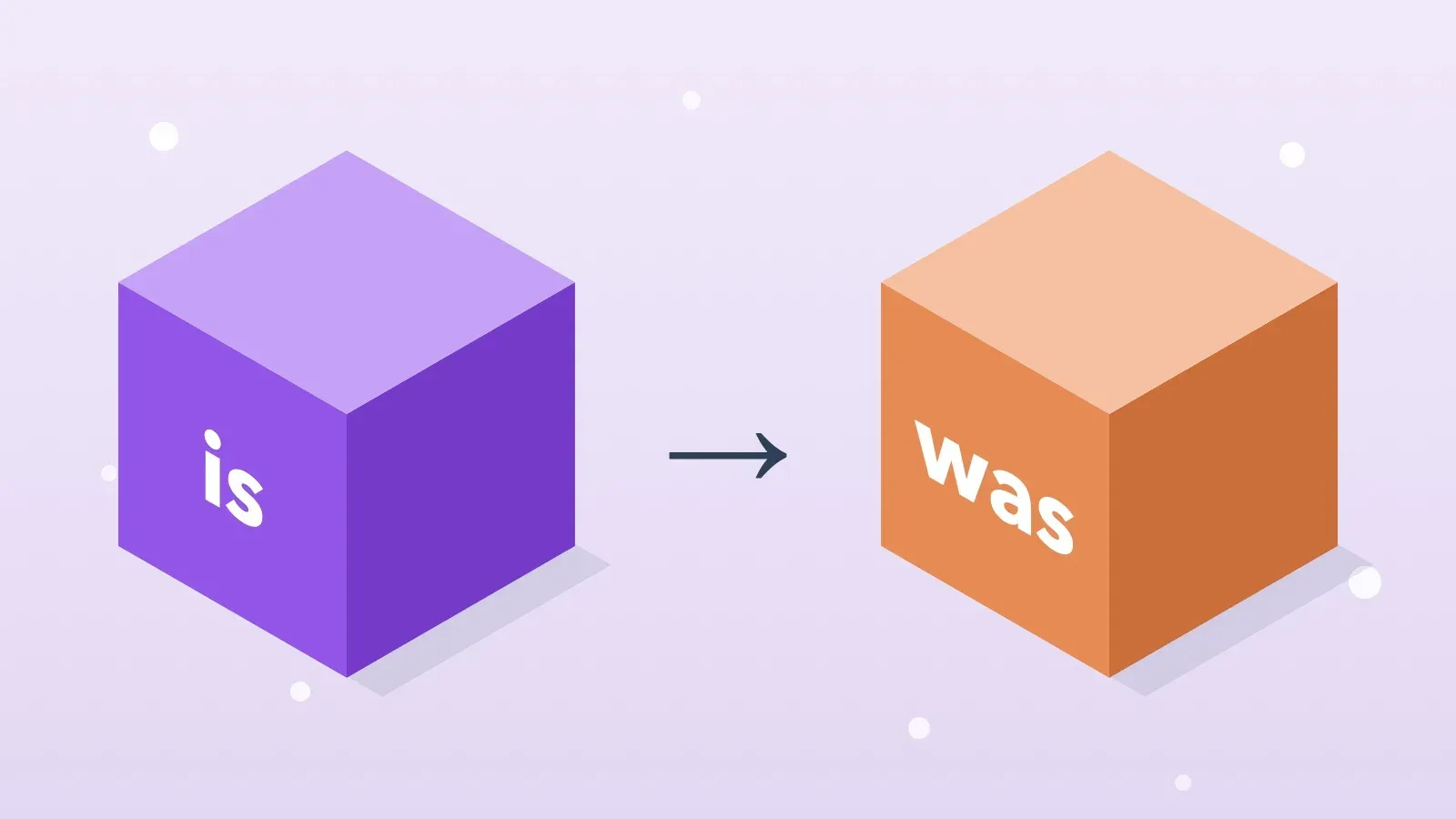 B1ĆwiczeniaGrammar Practice · B1
Reported statements: who said what?
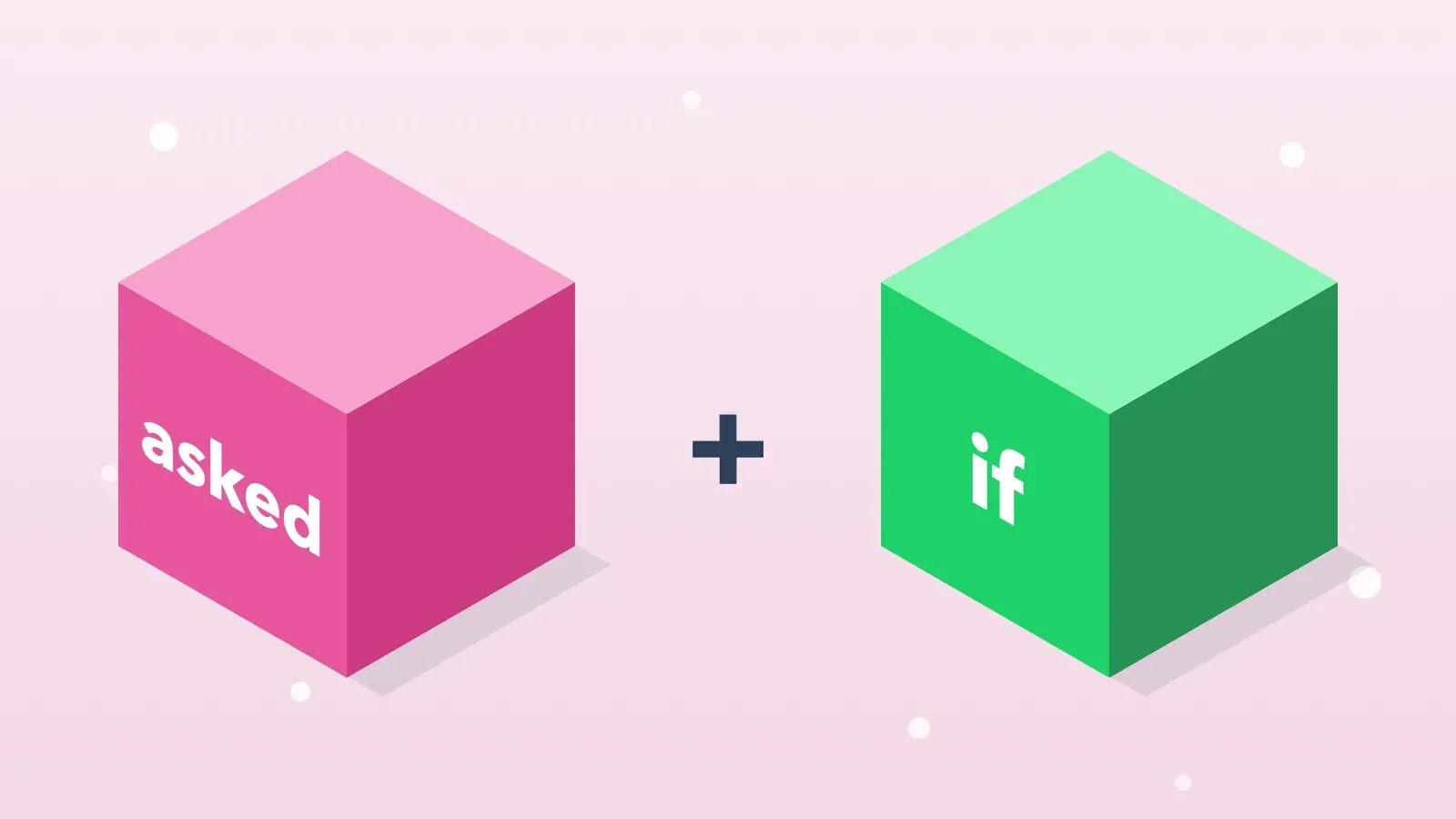 B1ĆwiczeniaGrammar Practice · B1
Reported questions and commands: what did they ask you?
 B2Plan lekcjiBusiness English B2
Reporting Back
 B2Plan lekcjiEnglish B2.1
Did wolves really change Yellowstone's rivers?
 B2Plan lekcjiEnglish B2.1
Bringing a parrot back from the edge
 B2Plan lekcjiEnglish B2.1
The beavers that came by parachute
 B2Plan lekcjiEnglish B2.2
Bat-people on the Moon?
 B2Plan lekcjiEnglish B2.2
Did George Washington really chop down a cherry tree?
 B2Plan lekcjiEnglish for IT B2
Feedback that helps
 B2ĆwiczeniaGrammar Practice · B2
Impersonal passive: it is said that…, she is said to…
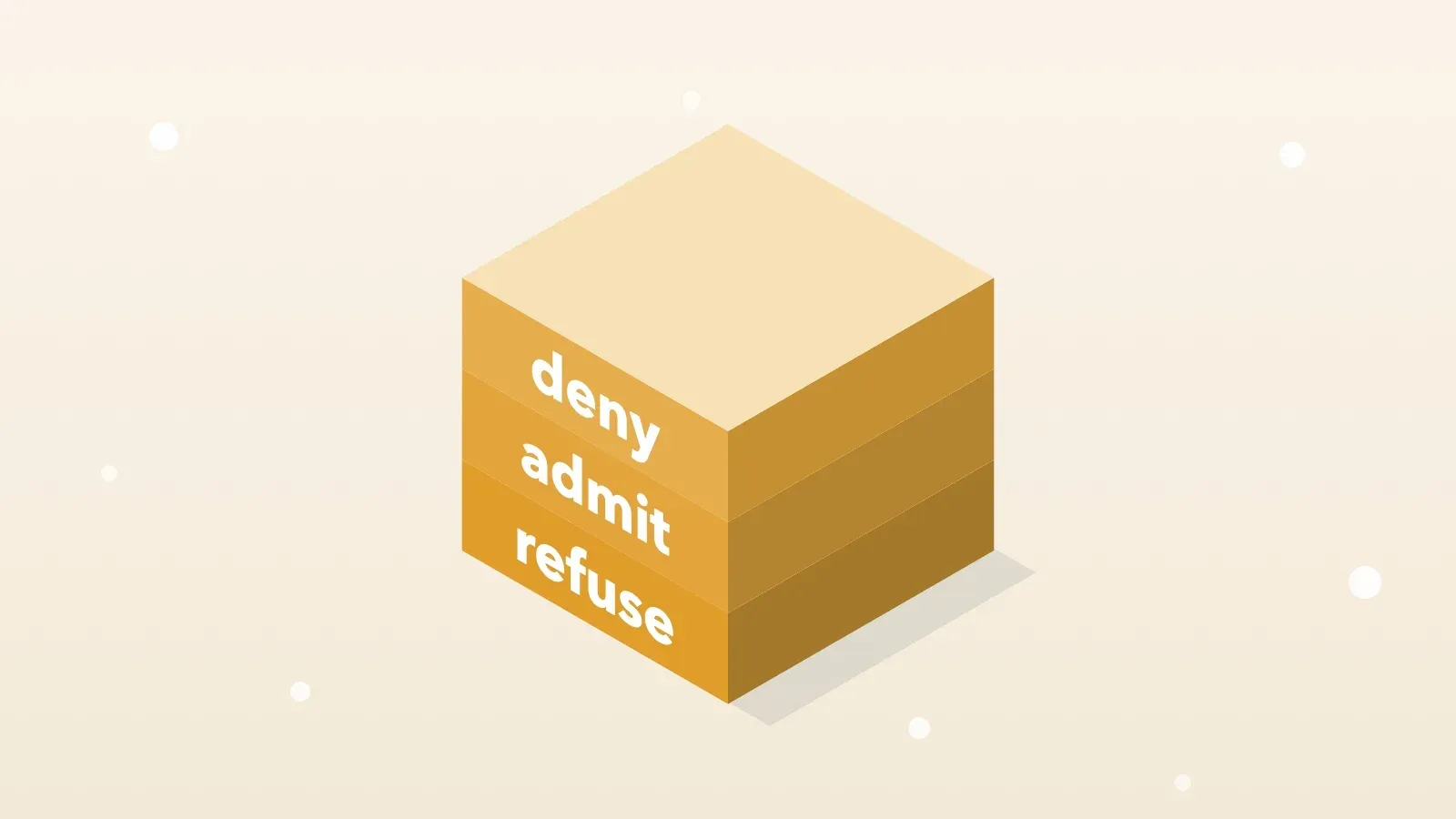 B2ĆwiczeniaGrammar Practice · B2
Reporting verbs: what did they really say?
 C1Plan lekcjiEnglish for IT C1
Meeting Notes and Follow-ups
Mowa zależna – ćwiczenia online
Po jednym ćwiczeniu z 6 lekcji. To te same ćwiczenia, które twoi uczniowie robią w edio.
Mowa zależna – zasady i przykłady
Mowy zależnej używamy, gdy mówimy komuś, co inna osoba powiedziała, o co zapytała albo czego chciała, często jakiś czas później: w podsumowaniu rozmowy, wiadomości dla zespołu albo notatkach ze spotkania. Po czasowniku w przeszłości, takim jak said lub asked, czasownik zwykle cofa się o jeden czas, a zaimki dopasowują się do nowego mówiącego: “I'm busy” zmienia się w He said he was busy.
Zdania oznajmujące: said + jeden czas wstecz
Po said każdy czasownik cofa się o jeden krok: is zmienia się w was, present simple w past simple, have done w had done, a will i can w would i could. Tak “We can't log in” staje się They said they couldn't log in.
| Change | They said | You report |
|---|---|---|
| am / is / are → was / were | “The app is broken.” | He said the app was broken. |
| present simple → past simple | “It doesn't work.” | She said it didn't work. |
| am / is / are + -ing → was / were + -ing | “I'm checking the app.” | He said he was checking the app. |
| have / has + past participle → had + past participle | “We've lost some data.” | They said they had lost some data. |
| will → would | “I'll call you.” | She said she would call me. |
| can → could | “I can't see my money.” | He said he couldn't see his money. |
Z lekcji "The client said it was broken" (English for IT B1)
Zaimki i określenia czasu
I i my osoby, która mówiła, zmieniają się w he, she, his lub her. Today, tomorrow i yesterday zamieniaj na that day, the next day i the day before tylko wtedy, gdy relacjonujesz rozmowę innego dnia.
| They say | You report |
|---|---|
| I, my | he / she, his / her |
| you, your (to you) | me, my |
| today | that day |
| tomorrow | the next day |
| yesterday | the day before |
Z lekcji "The client said it was broken" (English for IT B1)
Say czy tell: czy po czasowniku jest osoba?
Po tell zawsze stoi osoba: She told us the room was booked. Po say osoby nie ma albo dodajemy przed nią to: She said (to us) that the room was booked. Po obu czasownikach that można pominąć.
say: no person after it
- Martin said (that) the samples were ready.
- With a person, add to: He said to me that he was busy.
- Before the exact words: Priya said, "Let's start."
tell: always a person after it
- Martin told me (that) the samples were ready.
- He told Ana about the cupping.
- She told us to wait.
Z lekcji Reporting Back (Business English B2)
Pytania i prośby: asked if, asked someone to
Pytania w mowie zależnej mają szyk zdania oznajmującego, bez do, did i znaku zapytania: “Where is it?” zmienia się w She asked where it was. Pytania tak/nie dostają if lub whether. W prośbach i poleceniach stoi osoba + to: He told us not to wait.
| Direct | Reported | Pattern |
|---|---|---|
| "Do you need more?" | He asked if / whether we needed more. | asked + if / whether + subject + verb |
| "When is Ana back?" | He asked when Ana was back. | asked + question word + subject + verb: no do / did, no ? |
| "Who is going to taste them?" | He asked who was going to taste them. | who is the subject, so nothing moves |
| "Could you call me, Ana?" | He asked Ana to call him. | ask someone to + verb |
| "Don't worry about the jargon." | He told me not to worry about it. | tell someone (not) to + verb |
| "I'll send my notes." | He promised to send his notes. | promise to + verb |
| "Would you like me to host a cupping?" | He offered to host a cupping. | offer to + verb |
| "Remember to book a room, Tom." | Jess reminded Tom to book a room. | remind someone to + verb |
| "Spot coffee is already in the warehouse." | Ana explained (to Tom) that spot coffee was already there. | explain (to someone) that … |
| "We've just opened a cupping room." | He mentioned that they had just opened one. | mention (to someone) that … |
Z lekcji Reporting Back (Business English B2)
Czasowniki wprowadzające: -ing, to, osoba + to
Czasowniki takie jak suggest, offer i warn nazywają czynność mówiącego i każdy ma własny wzór: suggested taking a break, offered to help, warned me to check, apologized for missing the call.
| Pattern | Verbs | Example |
|---|---|---|
| verb + -ing | suggest, recommend, admit, deny | Kenji suggested practicing it out loud. |
| verb + that + clause | suggest, recommend, admit, deny, explain, point out, agree | Kenji pointed out that “messy” was a judgment. |
| verb + person + to + verb | encourage, advise, remind, warn (also tell, ask, persuade) | He encouraged Amara to give the feedback live. |
| verb + to + verb | offer, agree, refuse (also promise) | Kenji offered to play Iryna. |
| verb + for + -ing | apologize (to someone) for | Amara apologized for raising it. |
| not + to / -ing | not goes before to or the -ing form | He warned her not to start with a question. |
Z lekcji Feedback that helps (English for IT B2)
Czasowniki, które pokazują nastawienie mówiącego
Niektóre czasowniki mówią, jak ktoś przedstawił swoje zdanie. State jest neutralne, claim zdradza wątpliwość piszącego, admit oznacza przyznanie się do czegoś złego, concede – przyznanie racji drugiej stronie, insist – obstawanie przy swoim, a deny – zaprzeczenie: She denied changing the settings.
| Verb | What it tells the reader | Example |
|---|---|---|
| state | neutral and formal: a plain fact | Maya stated that the launch date would not change. |
| claim | the speaker says it's true, but the writer isn't sure | The vendor claims its service never loses a message. |
| admit | the speaker accepts something bad, often about themselves | Priya admitted that she'd been a bit stubborn. |
| concede | the speaker accepts a point from the other side | Priya conceded that a managed service would cut the on-call load. |
| insist | the speaker says it firmly, against disagreement | Tom insisted that a second cluster meant twice the alerts. |
| deny | the speaker says it isn't true | Tom denied being against Kafka. |
Z lekcji Meeting Notes and Follow-ups (English for IT C1)
Pytania o mowę zależną
Co to jest mowa zależna w angielskim?
Jak zmieniają się czasy w mowie zależnej?
Czy w mowie zależnej zawsze zmienia się czas?
Czym różni się mowa zależna w angielskim od polskiej?
Jak tworzy się pytania w mowie zależnej?
Jaka jest różnica między say i tell?
Czym są czasowniki wprowadzające (reporting verbs)?
Jak uczyć mowy zależnej?
Jakie gry i zabawy sprawdzają się przy mowie zależnej?
Czy są interaktywne ćwiczenia z mowy zależnej?
Więcej gramatyki angielskiej
Lekcje do każdego zagadnienia gramatycznego, od czasownika to be po mowę zależną. Wszystkie zagadnienia