Past simple: zasady, czasowniki nieregularne i ćwiczenia
Poziomy A1–B2 15 planów lekcji · 7 lekcji ćwiczeniowych Ćwiczenia sprawdzane automatycznie
Past simple, czyli czas przeszły prosty, opisuje zakończone czynności i stany: we traveled, she went, Did you call? To pierwszy czas przeszły w nauce angielskiego. Na tej stronie są gotowe lekcje z past simple z biblioteki edio (liczba lekcji: 15, poziomy A1–B2), interaktywne i w amerykańskim angielskim. Wypróbuj część ich ćwiczeń, poznaj każdą zasadę ze schematów lekcji i wybierz lekcję według poziomu: od was i were po czasowniki nieregularne i pytania z did. Uczniowie robią ćwiczenia na własnych kontach, a każde jest sprawdzane automatycznie.
Past simple – plany lekcji i ćwiczenia
15 planów lekcji i 7 lekcji ćwiczeniowych, poziomy A1–B2. Plan lekcji to cała lekcja z czytaniem, słuchaniem i mówieniem, a lekcja ćwiczeniowa to 44–46 ćwiczeń sprawdzanych automatycznie, bez nowego słownictwa.
 A1Plan lekcjiEnglish A1.2
Why do we have two days off?
 A1ĆwiczeniaGrammar Practice · A1
Was and were: where were you yesterday?
 A2Plan lekcjiEnglish A2.1
Around the world in 72 days
 A2Plan lekcjiEnglish A2.1
The first drive across America
 A2Plan lekcjiEnglish A2.1
Get your kicks on Route 66
 A2Plan lekcjiEnglish A2.1
A real bug in the computer
 A2Plan lekcjiEnglish A2.1
“Mr. Watson, come here”
 A2Plan lekcjiEnglish A2.2
Have you been to the Grand Canyon?
 A2Plan lekcjiEnglish A2.2
The man who planted apple trees
 A2ĆwiczeniaGrammar Practice · A2
Past simple with -ed: moving day!
 A2ĆwiczeniaGrammar Practice · A2
Past simple irregular verbs: we went, we saw, we bought
 A2ĆwiczeniaGrammar Practice · A2
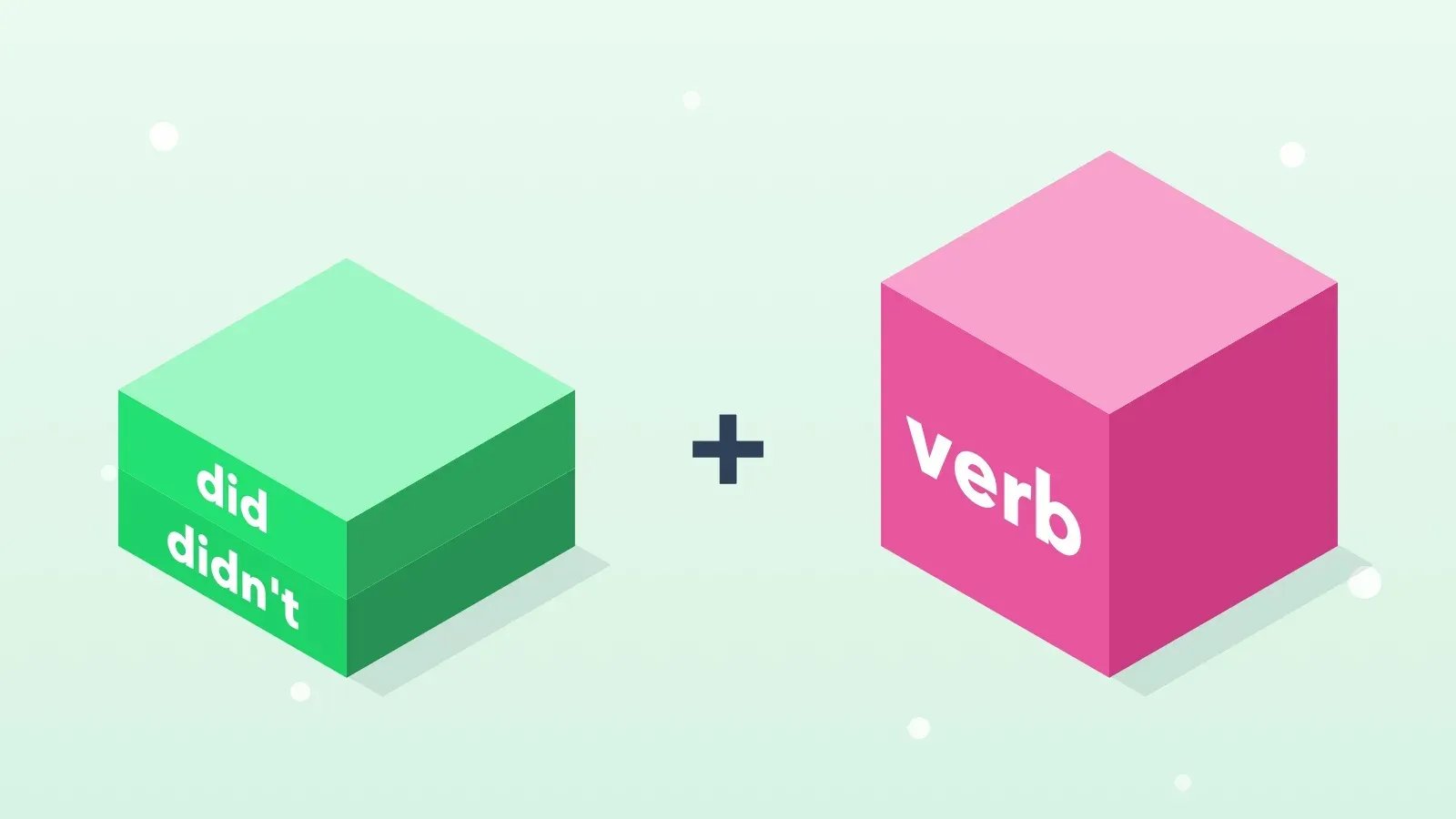
Past simple negatives and questions: where did the cake go?
 A2ĆwiczeniaGrammar Practice · A2
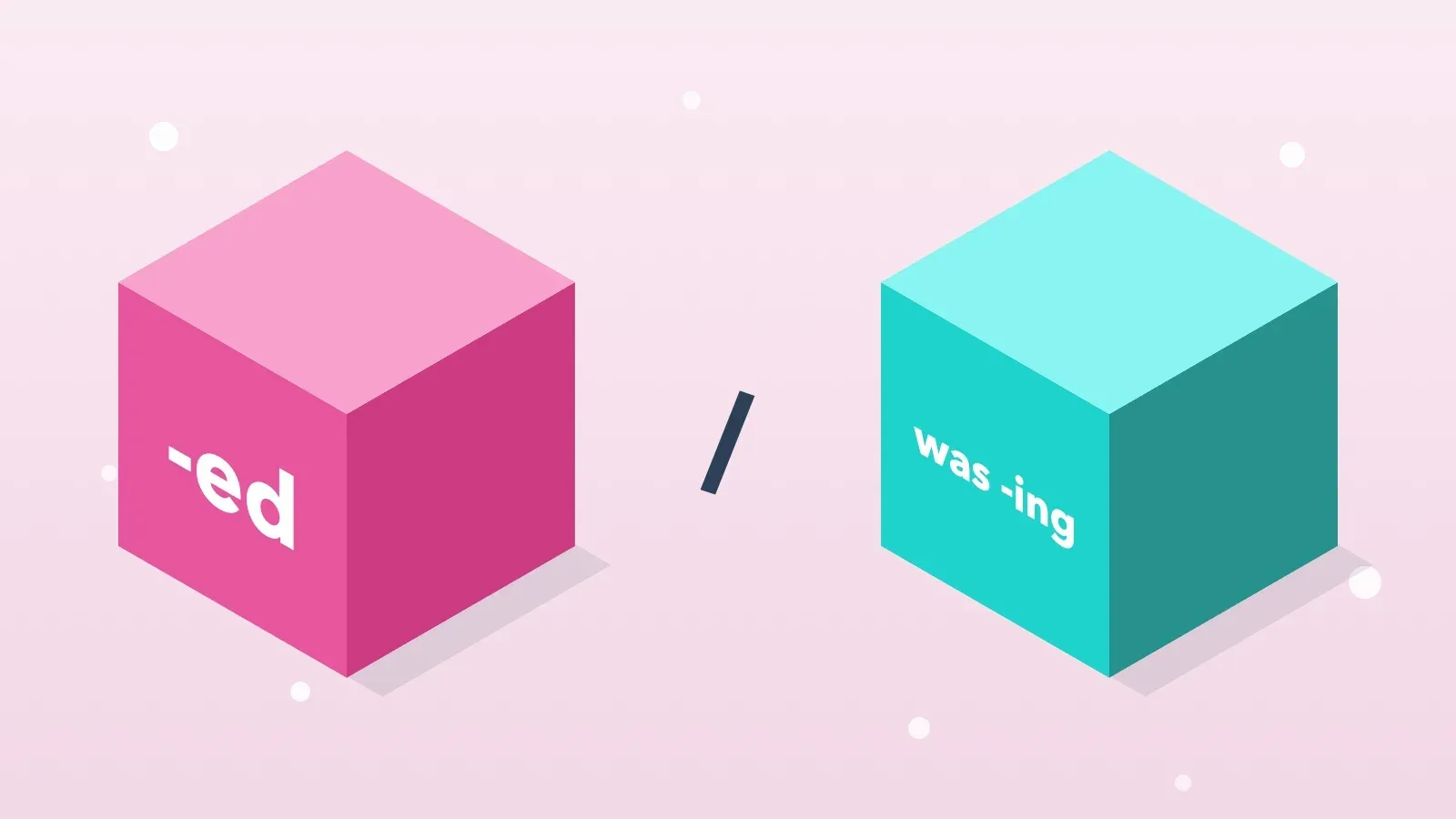
Past simple or past continuous: what were you doing when it happened?
 A2ĆwiczeniaGrammar Practice · A2
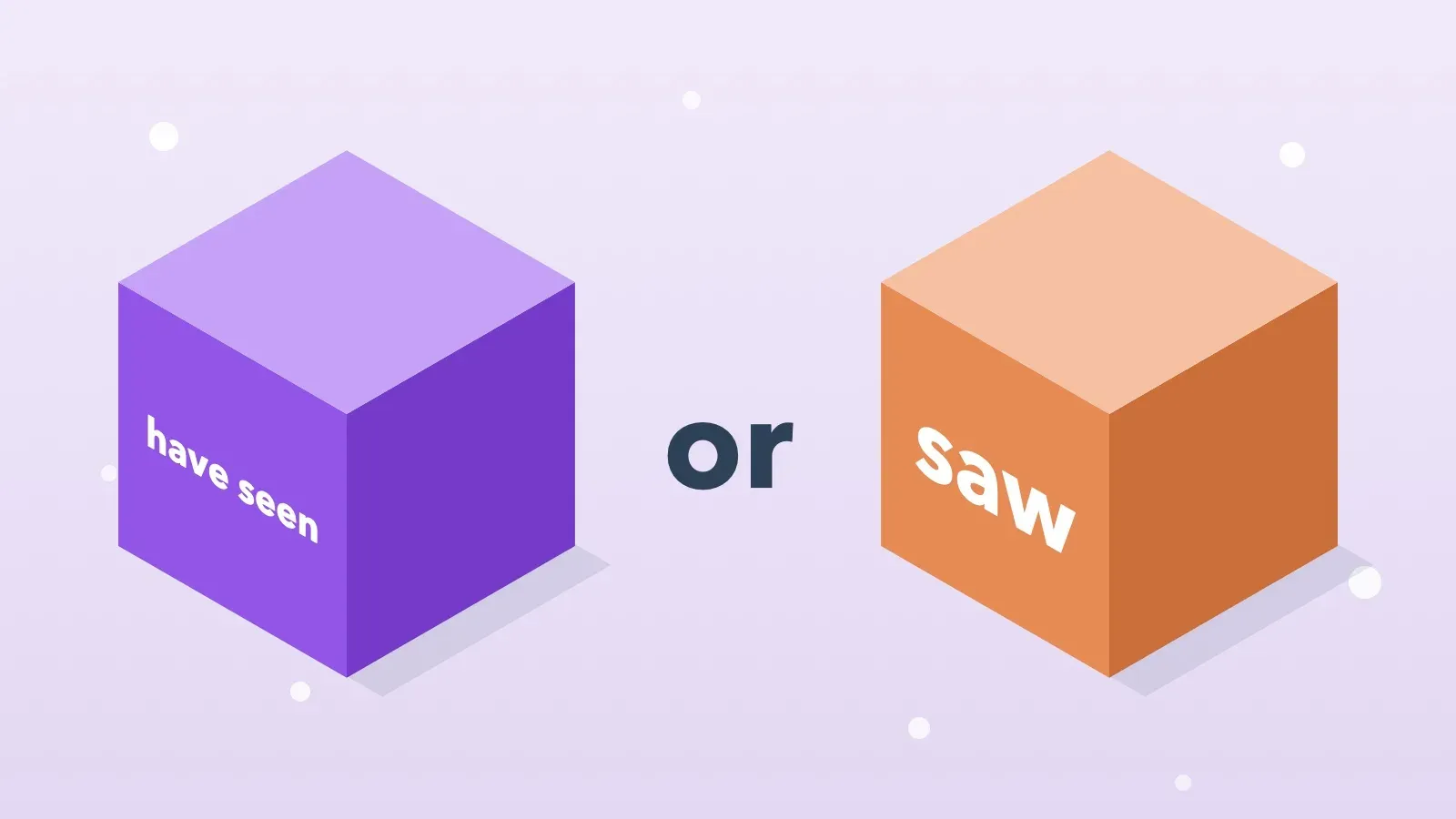
Present perfect or past simple: up to now or finished time?
 B1Plan lekcjiEnglish B1 · Hot Topics
GTA 6: worth the wait?
 B1Plan lekcjiEnglish B1.1
Would you visit an airport just for fun?
 B1Plan lekcjiEnglish B1.2
What should you do at a powwow?
 B1Plan lekcjiEnglish for IT B1
Done, not done yet
 B1Plan lekcjiEnglish for IT B1
The first actual bug
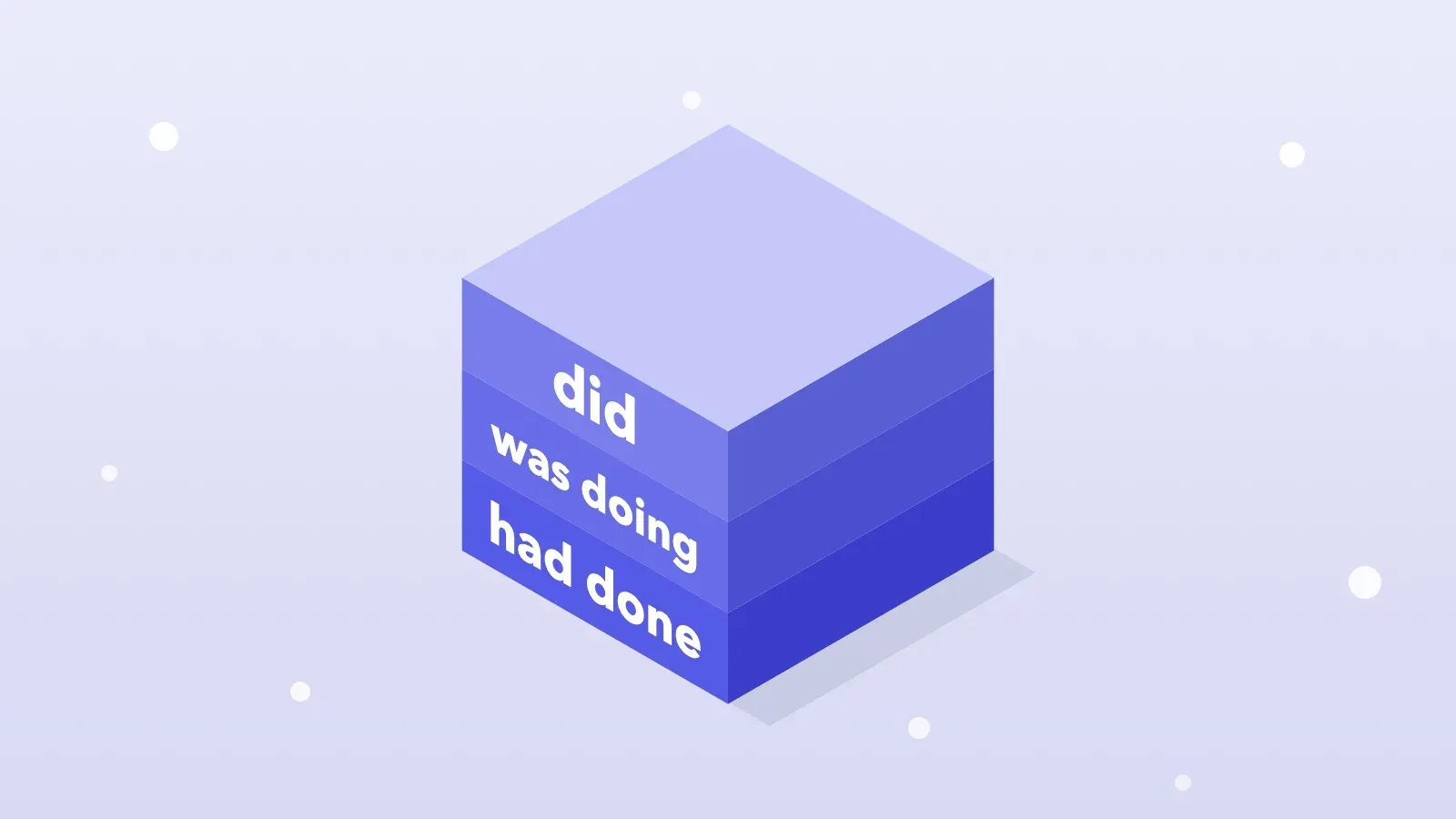 B1ĆwiczeniaGrammar Practice · B1
Narrative tenses: telling a great story
 B2Plan lekcjiBusiness English B2
Our Story: From Cart to Roastery
 B2Plan lekcjiEnglish B2.1
Checkmate: the day a computer beat the champion
Past simple – ćwiczenia online
Po jednym ćwiczeniu z 6 lekcji. To te same ćwiczenia, które twoi uczniowie robią w edio.
Past simple – zasady i przykłady
Past simple używamy do zakończonych czynności i stanów, często z określeniem czasu, takim jak yesterday, last summer czy in 1903, a także w opowieściach, wydarzenie po wydarzeniu. Każdy czasownik ma jedną formę przeszłą dla wszystkich osób, poza be: was i were. Przeczenia i pytania z pozostałymi czasownikami tworzymy z did i formą podstawową.
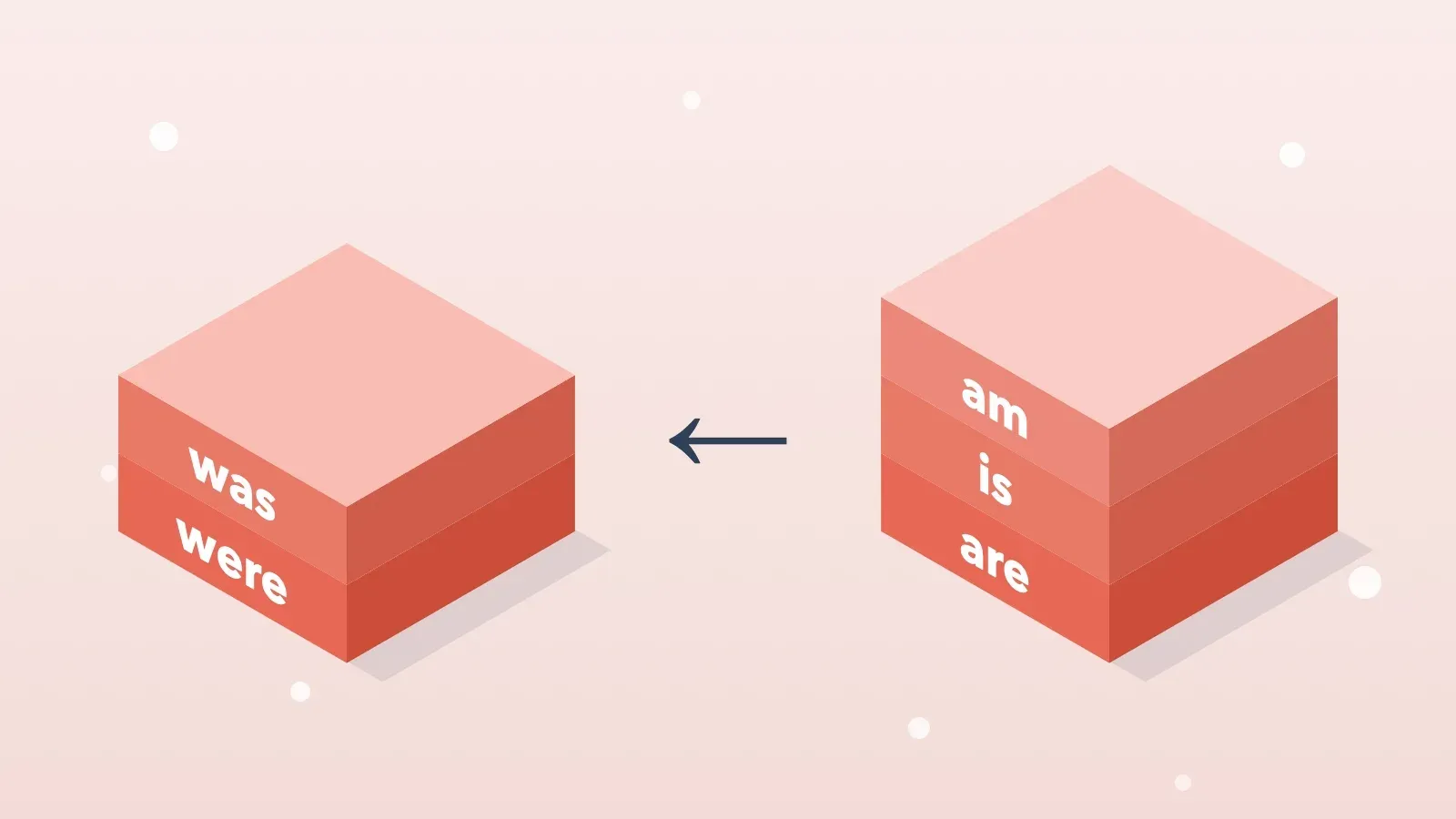
Was i were: przeszła forma be
Am i is zmieniają się w was, a are w were. Mamy więc I was, she was i it was, ale you were, we were i they were: It was sunny, We were at the beach.
| Who | Now | In the past |
|---|---|---|
| I | I am tired. | I was tired. |
| you | You are at home. | You were at home. |
| he, she, it | She is at the café. It is sunny. | She was at the café. It was sunny. |
| we | We are at the beach. | We were at the beach. |
| they | They are sleepy. | They were sleepy. |
Z lekcji Why do we have two days off? (English A1.2)
Czasowniki regularne: -ed w piśmie i w wymowie
Większość czasowników dostaje -ed, te zakończone na e tylko -d, a spółgłoska + y zmienia się w -ied: walked, arrived, carried. Krótkie czasowniki, jak stop, podwajają spółgłoskę, a w amerykańskim angielskim piszemy traveled przez jedno l. Końcówkę wymawiamy /t/, /d/ albo /ɪd/.
Spelling: add -ed
| The verb | Add | Examples |
|---|---|---|
| most verbs | -ed | walk → walked, visit → visited |
| ends in e | only -d | arrive → arrived, explore → explored |
| consonant + y | y → -ied | carry → carried, study → studied, try → tried |
| vowel + y | -ed | play → played, stay → stayed |
| a short verb (one syllable): one vowel + one consonant | double the consonant + -ed | stop → stopped, grab → grabbed, plan → planned |
| travel | -ed, one l | travel → traveled |
Say it: three endings
| Sound | When? | Examples |
|---|---|---|
| /t/ | after p, k, s, sh, ch, f sounds | walked, stopped, packed, crossed, watched |
| /d/ | after other sounds (b, l, m, n, r, v, vowels…) | traveled, arrived, explored, played, grabbed |
| /ɪd/ (one more syllable) | after t or d | started, visited, wanted, waited, ended |
Z lekcji Around the world in 72 days (English A2.1)
Czasowniki nieregularne: własna forma przeszła
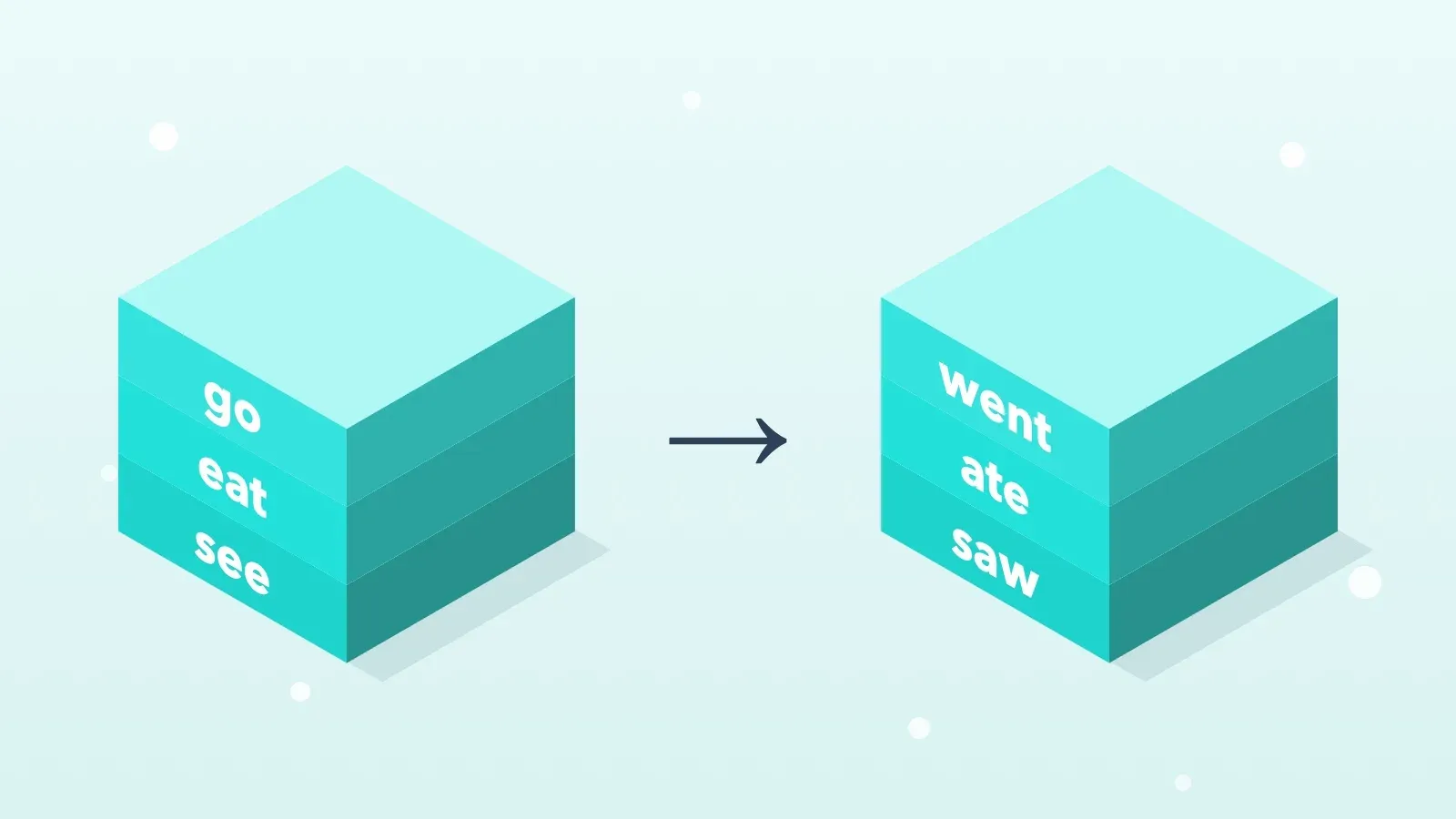
Wiele codziennych czasowników nie dostaje -ed, tylko zmienia formę: go → went, take → took, buy → bought. Każdą z tych form trzeba zapamiętać: went, nigdy goed. Jak każda forma przeszła, pasuje do wszystkich osób, więc he went, a nie he wents.
| Base form | Past | Example |
|---|---|---|
| drive | drove | Jackson drove across America. |
| leave | left | They left San Francisco in May. |
| take | took | The trip took 63 days. |
| break | broke | Big Blue broke down. |
| get | got | They got lost. |
| go | went | Bud went to New York. |
| come | came | A stranger came and helped. |
| have | had | The car had no roof. |
| see | saw | Marco saw the old car. |
| buy | bought | Jackson bought goggles for Bud. |
| eat | ate | Biscuit ate Marco's sandwich. |
| find | found | Nora found a mechanic. |
Z lekcji The first drive across America (English A2.1)
Przeczenia: didn't + forma podstawowa
Didn't już pokazuje przeszłość, więc czasownik po nim wraca do formy podstawowej, regularny czy nieregularny: We didn't stop, They didn't have GPS. Uważaj na didn't stopped i didn't went.
The past simple: no
I / you / he / she / it / we / theydidn't (= did not)base form
We didn't stop for lunch.
Big Blue didn't break down.
In 1966, they didn't have GPS.
Regular and irregular: one rule
Regular verbs (-ed)
- stopped → didn't stop
- missed → didn't miss
- rained → didn't rain
Irregular verbs
- drove → didn't drive
- had → didn't have
- went → didn't go
Z lekcji Get your kicks on Route 66 (English A2.1)
Pytania: Did…? dla większości czasowników, Was…? dla be
Pytania typu tak/nie zaczynamy od Did i formy podstawowej: Did Edison use the word “bug”? Krótka odpowiedź to po prostu Yes, he did albo No, he didn't. Czasownik be nie potrzebuje did: Was it a real bug?
Other verbs: Did + base form
- Did Edison use the word “bug”? – Yes, he did.
- Did the Mark II stay at Harvard? – No, it didn't.
be: Was / Were, no did
- Was it a real bug? – Yes, it was.
- Were the engineers at Harvard? – Yes, they were.
Z lekcji A real bug in the computer (English A2.1)
Past simple czy present perfect?
Zakończony czas, podany albo oczywisty, wymaga past simple: Claire set up Wrenfield in 2012. Podobnie opowieść krok po kroku. Present perfect służy do doświadczeń, skutków widocznych teraz i okresów, które wciąż trwają: We've had a partner since last year.
| Use | Time words | Example |
|---|---|---|
| Past simple: a finished time, said or clear | in 2012, last year, three weeks ago, when I was…, yesterday | Claire set up Wrenfield in 2012. |
| Past simple: a story, step by step | then, after that, soon, a year later | We moved into the warehouse and started roasting. |
| Present perfect: experience up to now, no time given | ever, never, before | Have you ever worked with hotels? |
| Present perfect: a past action with a result now | just, already, yet | The samples haven't arrived yet. |
| Present perfect: a period that is not over | since, for, so far, this week, How long…? | We've had a partner in Hamburg since last year. |
Z lekcji Our Story: From Cart to Roastery (Business English B2)
Pytania o past simple
Kiedy używamy czasu past simple?
Jak tworzy się past simple?
Jakie są określenia czasu w past simple?
Czym są czasowniki nieregularne w angielskim?
Jak wymawiać końcówkę -ed?
Czym różni się past simple od present perfect?
Jak uczyć past simple na poziomie A2?
Jakie gry i zabawy sprawdzają się przy past simple?
Czy są interaktywne ćwiczenia z past simple?
Czy te lekcje sprawdzą się na korepetycjach albo jako praca domowa?
Więcej gramatyki angielskiej
Lekcje do każdego zagadnienia gramatycznego, od czasownika to be po mowę zależną. Wszystkie zagadnienia