Verb to be: ESL lesson plans and exercises
Levels A1 to A2 6 lesson plans · 3 drill lessons Exercises that check themselves
The verb to be is the first verb most beginners learn: am, is and are for names, places, jobs and feelings, and was and were for the past. Gathered here are 6 ready-made lessons on it from the edio.ai library, levels A1 to A2, interactive and in American English. Try their exercises, look at each form in the grammar schemes, and pick a lesson for your class, from greetings and nationalities to was born. Students practice in their own accounts, and the exercises check themselves.
Verb to be lesson plans and drills
6 lesson plans and 3 drill lessons, A1 to A2. Lesson plans are whole lessons with reading, listening and speaking; drill lessons are 45 to 46 self-checking exercises with no new words.
 A1Lesson planEnglish A1.1
Hi, hey, howdy or aloha?
 A1Lesson planEnglish A1.1
Ellis Island: where are they from?
 A1Lesson planEnglish A1.1
Six languages at the UN
 A1Lesson planEnglish A1.1
Review: hello from the Statue of Liberty
 A1Lesson planEnglish A1.2
Why do we have two days off?
 A1DrillsGrammar Practice · A1
To be: I am, you are, she is
 A1DrillsGrammar Practice · A1
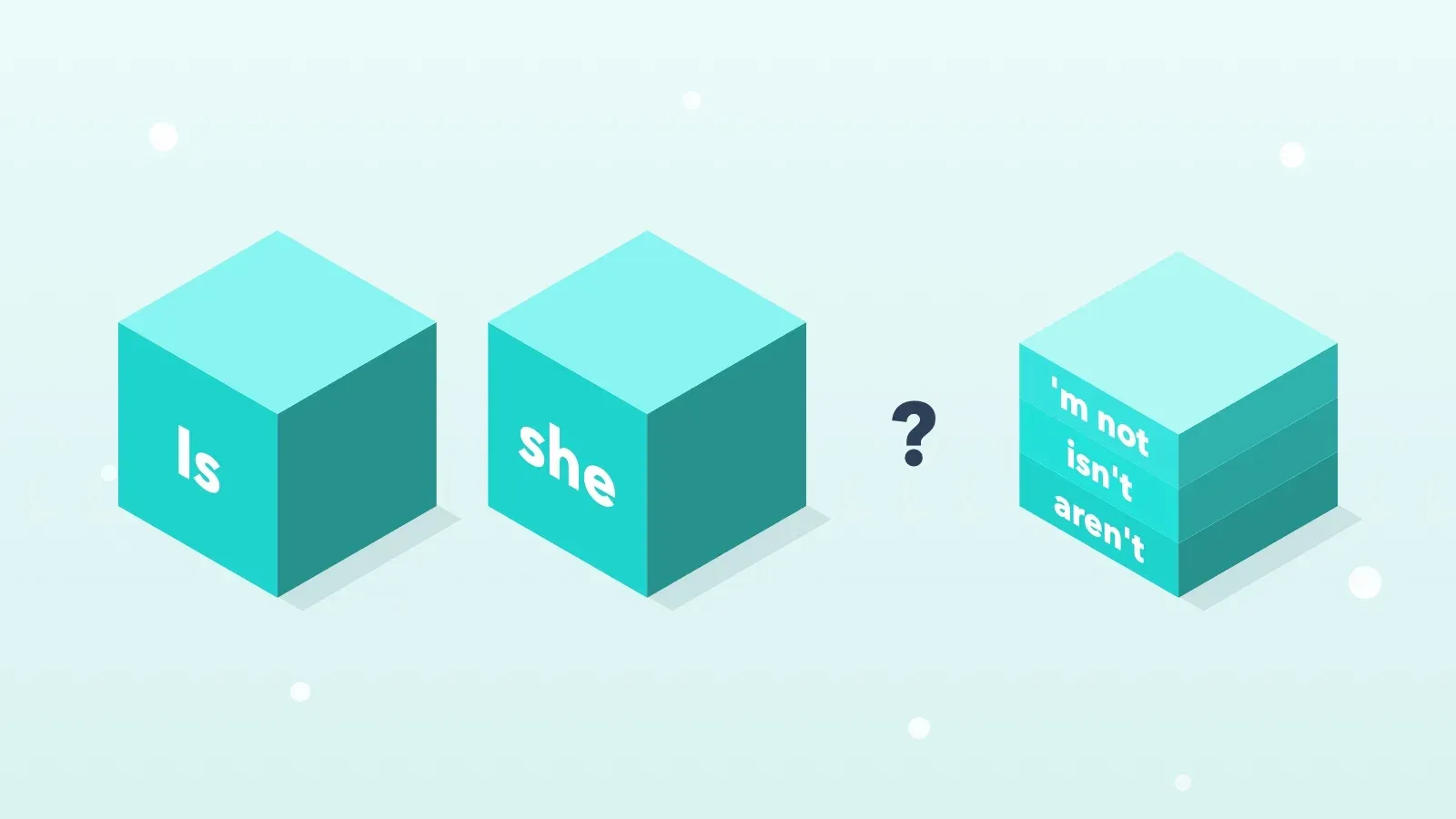
To be negatives and questions: is it your bag?
 A1DrillsGrammar Practice · A1
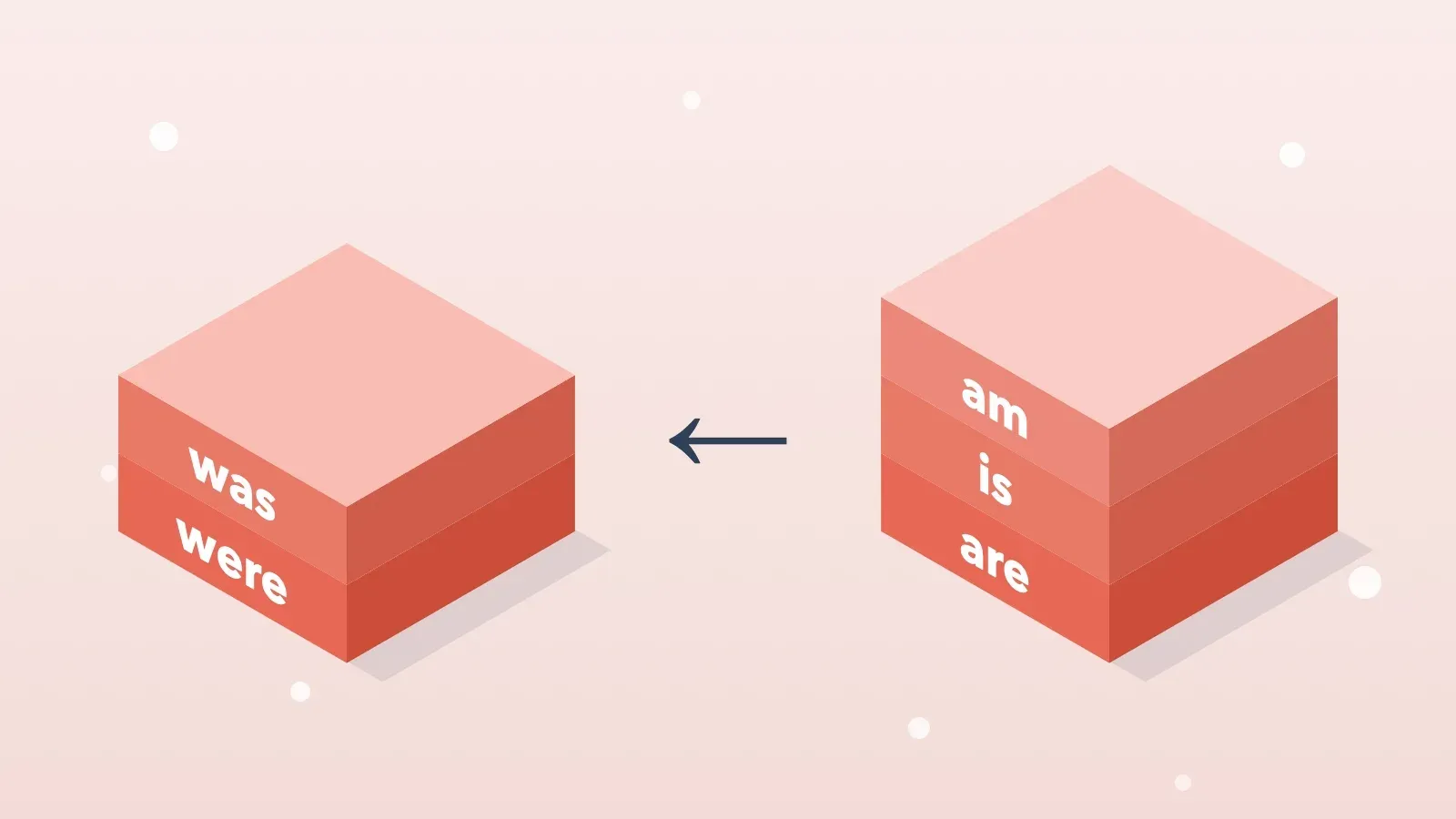
Was and were: where were you yesterday?
 A2Lesson planEnglish A2.1
The first American woman in space
Try the verb to be exercises
One exercise from each of 6 lessons. These are the same exercises your students do in edio.
Verb to be explained
We use be to say who people are, where they come from, where they are and how they feel: I'm Sam, We're American, They're in the kitchen, I was tired. Unlike most verbs, be makes questions and negatives without do or did: She isn't here, Was it hot?
Am, is and are: every person, yes and no
I takes am, he, she and it take is, and you, we and they take are, often shortened to I'm, she's, you're. For no, add not: I'm not, he isn't, we aren't, and with you also you're not.
| Who | Yes ✓ | No ✗ |
|---|---|---|
| I | I'm Olivia. (= I am) | I'm not Emma. (= I am not) |
| you | You're Sam. (= you are) | You aren't Jack. / You're not Jack. (= you are not) |
| he, she, it | He's Sam. She's Mia. It's late. (= he is, she is, it is) | He isn't Jack. She isn't Emma. It isn't late. (= he is not, she is not, it is not) |
| we | We're roommates. (= we are) | We aren't in Texas. (= we are not) |
| they | They're in the kitchen. (= they are) | They aren't in the backyard. (= they are not) |
From the lesson Hi, hey, howdy or aloha? (English A1.1)
He, she, it, we or they?
A man is he, a woman she, a place it, and two or more people they, while Liam and I make we. Where are you from? is answered with from + a country, or with a nationality and no from: I'm from Mexico. I'm Mexican.
People and places
- Hans is from Germany. He's German.a man → he
- Ingrid is from Sweden. She's Swedish.a woman → she
- Ellis Island? It's in New York Harbor.a place or a thing → it
- Liam and I are from the USA. We're American.Liam and I → we
- Rosa and Marco are from Italy. They're Italian.two or more people → they
Where are you from?
| Question | Answer |
|---|---|
| Where are you from? | I'm from Mexico. I'm Mexican. |
| Where's he from? (Where's = Where is) | He's from Germany. He's German. |
| Where's she from? | She's from China. She's Chinese. |
| Where are they from? | They're from Greece. They're Greek. |
From the lesson Ellis Island: where are they from? (English A1.1)
Yes/no questions: am, is or are first
For a question, move am, is or are to the front: She is American becomes Is she American? Short answers repeat the verb, in full after yes, Yes, I am, and often short after no: No, he isn't.
be: sentence and question
| Sentence | Question |
|---|---|
| I am late. | Am I late? |
| You are a guide. | Are you a guide? |
| He is a bus driver. | Is he a bus driver? |
| She is American. | Is she American? |
| It is in English. | Is it in English? |
| We are in the right room. | Are we in the right room? |
| They are interpreters. | Are they interpreters? |
Short answers
| Question | Yes | No |
|---|---|---|
| Am I late? | Yes, you are. | No, you aren't. |
| Are you a student? | Yes, I am. | No, I'm not. |
| Is he from Atlanta? | Yes, he is. | No, he isn't. |
| Is she a guide? | Yes, she is. | No, she isn't. |
| Is it in English? | Yes, it is. | No, it isn't. |
| Are you and Kofi roommates? | Yes, we are. | No, we aren't. |
| Are they interpreters? | Yes, they are. | No, they aren't. |
From the lesson Six languages at the UN (English A1.1)
Was and were: be in the past
The past of be has just two forms. Was goes with I, he, she, it and any one person or thing; were goes with you, we, they and two or more: My mom was happy, My friends were there.
was
- I was
- he, she, it was
- one person or thing: My mom was happy. The café was busy.
were
- you were
- we, they were
- two or more: My friends were there. The roommates were tired.
From the lesson Why do we have two days off? (English A1.2)
Wasn't, weren't, Was…? and was born
At A2, the past of be gets its negatives and questions: It wasn't hot, Were you at the beach? Dates and places of birth need was born or were born, never born alone: She was born in 1951, Where were you born?
be in the past: every person
| Who | Yes ✓ | No ✗ | Question ? |
|---|---|---|---|
| I | I was late. | I wasn't late. | Was I late? |
| you | You were at the beach. | You weren't at the beach. | Were you at the beach? |
| he | He was tired. | He wasn't tired. | Was he tired? |
| she | She was an astronaut. | She wasn't an astronaut. | Was she an astronaut? |
| it | It was hot. | It wasn't hot. | Was it hot? |
| we | We were in Florida. | We weren't in Florida. | Were we in Florida? |
| they | They were in orbit. | They weren't in orbit. | Were they in orbit? |
was born
| Say it | Ask it |
|---|---|
| I was born in Ohio. | Where were you born? |
| She was born in 1951. | When was she born? |
| They were born in Texas. | Were they born in Texas? |
From the lesson The first American woman in space (English A2.1)
Questions about the verb to be
What are the forms of the verb to be?
When do we use the verb to be?
How do you make questions with the verb to be?
How do you make the verb to be negative?
Do you use do or does with the verb to be?
How do I teach the verb to be to beginners?
What are good verb to be games and activities?
Are there interactive verb to be exercises?
When do you use was or were?
Do the verb to be lessons work with one student?
More English grammar
Lessons for every grammar point, from the verb to be to reported speech. All grammar points