Reported speech: ESL lesson plans and exercises
Levels B1 to C1 13 lesson plans · 4 drill lessons Exercises that check themselves
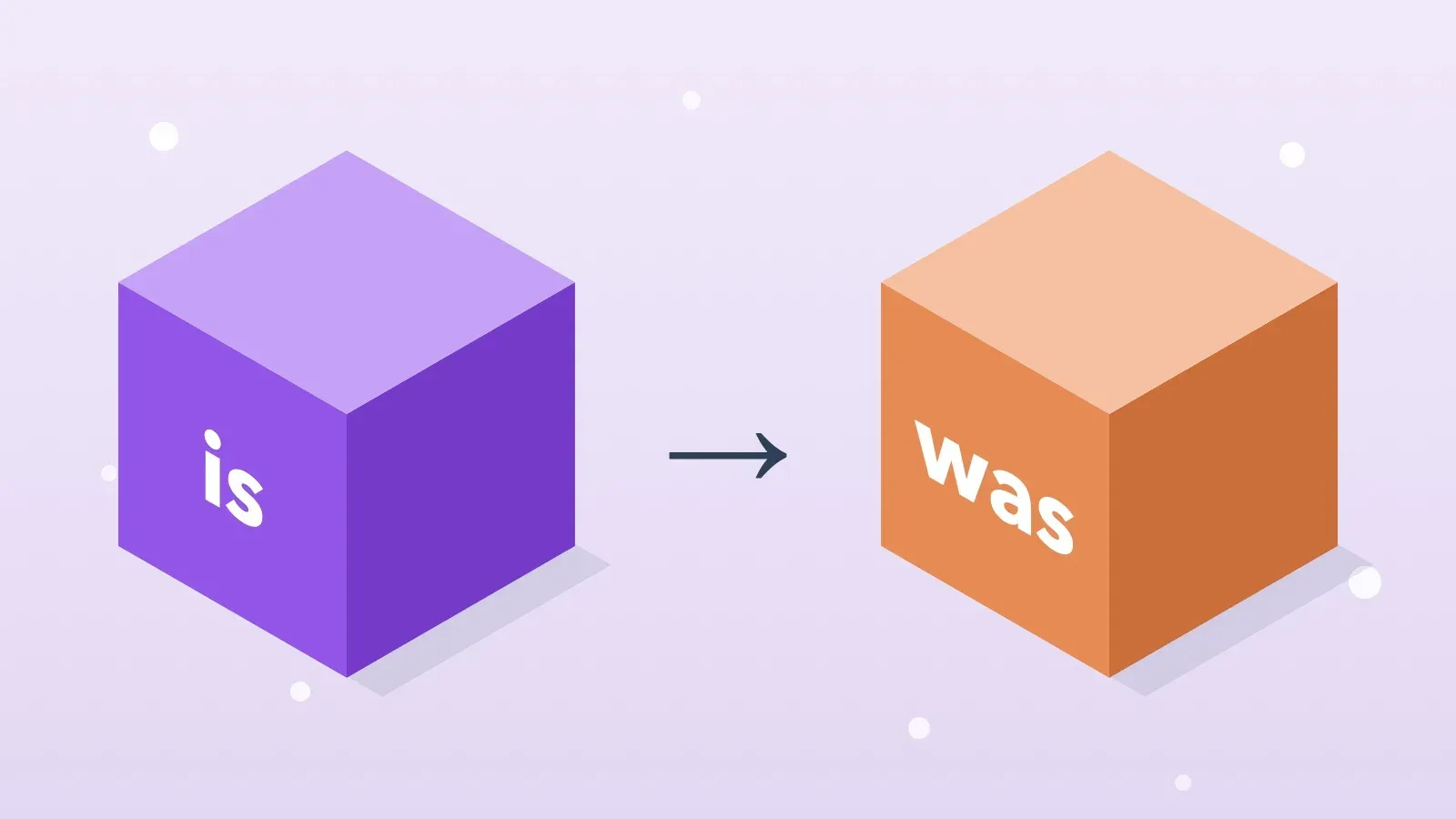
Reported speech is how we pass on what someone said or asked: “Is the app down?” becomes She asked if the app was down. This page collects 13 ready-made reported speech lessons from the edio.ai library, levels B1 to C1, with topics such as a client call, feedback at work and meeting notes. Below, you can play exercises taken from the lessons, compare the rules their grammar schemes teach, and choose a lesson by level. Each one is interactive and in American English, and its drills check every answer as students go.
Reported speech lesson plans and drills
13 lesson plans and 4 drill lessons, B1 to C1. Lesson plans are whole lessons with reading, listening and speaking; drill lessons are 45 to 46 self-checking exercises with no new words.
 B1Lesson planEnglish B1.2
Can you train your memory?
 B1Lesson planEnglish B1.2
He got better but never remembered
 B1Lesson planEnglish B1.2
Can a TV show teach the alphabet?
 B1Lesson planEnglish B1.2
Can you learn a new skill at 70?
 B1Lesson planEnglish for IT B1
"The client said it was broken"
 B1DrillsGrammar Practice · B1
Reported statements: who said what?
 B1DrillsGrammar Practice · B1
Reported questions and commands: what did they ask you?
 B2Lesson planBusiness English B2
Reporting Back
 B2Lesson planEnglish B2.1
Did wolves really change Yellowstone's rivers?
 B2Lesson planEnglish B2.1
Bringing a parrot back from the edge
 B2Lesson planEnglish B2.1
The beavers that came by parachute
 B2Lesson planEnglish B2.2
Bat-people on the Moon?
 B2Lesson planEnglish B2.2
Did George Washington really chop down a cherry tree?
 B2Lesson planEnglish for IT B2
Feedback that helps
 B2DrillsGrammar Practice · B2
Impersonal passive: it is said that…, she is said to…
 B2DrillsGrammar Practice · B2
Reporting verbs: what did they really say?
 C1Lesson planEnglish for IT C1
Meeting Notes and Follow-ups
Try the reported speech exercises
One exercise from each of 6 lessons. These are the same exercises your students do in edio.
Reported speech explained
We use reported speech to tell someone what another person said, asked or wanted, often some time later: in a call summary, a message for a colleague or meeting notes. After a past verb such as said or asked, the verb usually moves one tense back, and pronouns follow the new speaker: “I'm busy” becomes He said he was busy.
Statements: said + one tense back
After said, each verb steps back once: is becomes was, the present simple becomes the past simple, have done becomes had done, and will and can become would and could. So “We can't log in” turns into They said they couldn't log in.
| Change | They said | You report |
|---|---|---|
| am / is / are → was / were | “The app is broken.” | He said the app was broken. |
| present simple → past simple | “It doesn't work.” | She said it didn't work. |
| am / is / are + -ing → was / were + -ing | “I'm checking the app.” | He said he was checking the app. |
| have / has + past participle → had + past participle | “We've lost some data.” | They said they had lost some data. |
| will → would | “I'll call you.” | She said she would call me. |
| can → could | “I can't see my money.” | He said he couldn't see his money. |
From the lesson "The client said it was broken" (English for IT B1)
Pronouns and time words
The speaker's I and my become he, she, his or her. Swap today, tomorrow and yesterday for that day, the next day and the day before only if you report on a later day.
| They say | You report |
|---|---|
| I, my | he / she, his / her |
| you, your (to you) | me, my |
| today | that day |
| tomorrow | the next day |
| yesterday | the day before |
From the lesson "The client said it was broken" (English for IT B1)
Say or tell: is there a person after the verb?
Tell always has a person after it: She told us the room was booked. Say has none, or adds to before one: She said (to us) that the room was booked. After both verbs, that can be dropped.
say: no person after it
- Martin said (that) the samples were ready.
- With a person, add to: He said to me that he was busy.
- Before the exact words: Priya said, "Let's start."
tell: always a person after it
- Martin told me (that) the samples were ready.
- He told Ana about the cupping.
- She told us to wait.
From the lesson Reporting Back (Business English B2)
Questions and requests: asked if, asked someone to
Reported questions use statement order, with no do, did or question mark: “Where is it?” becomes She asked where it was, and yes/no questions take if or whether. Requests and orders take a person + to: He told us not to wait.
| Direct | Reported | Pattern |
|---|---|---|
| "Do you need more?" | He asked if / whether we needed more. | asked + if / whether + subject + verb |
| "When is Ana back?" | He asked when Ana was back. | asked + question word + subject + verb: no do / did, no ? |
| "Who is going to taste them?" | He asked who was going to taste them. | who is the subject, so nothing moves |
| "Could you call me, Ana?" | He asked Ana to call him. | ask someone to + verb |
| "Don't worry about the jargon." | He told me not to worry about it. | tell someone (not) to + verb |
| "I'll send my notes." | He promised to send his notes. | promise to + verb |
| "Would you like me to host a cupping?" | He offered to host a cupping. | offer to + verb |
| "Remember to book a room, Tom." | Jess reminded Tom to book a room. | remind someone to + verb |
| "Spot coffee is already in the warehouse." | Ana explained (to Tom) that spot coffee was already there. | explain (to someone) that … |
| "We've just opened a cupping room." | He mentioned that they had just opened one. | mention (to someone) that … |
From the lesson Reporting Back (Business English B2)
Reporting verbs: -ing, to, person + to
Verbs such as suggest, offer and warn name what the speaker did, and each has its own pattern: suggested taking a break, offered to help, warned me to check, apologized for missing the call.
| Pattern | Verbs | Example |
|---|---|---|
| verb + -ing | suggest, recommend, admit, deny | Kenji suggested practicing it out loud. |
| verb + that + clause | suggest, recommend, admit, deny, explain, point out, agree | Kenji pointed out that “messy” was a judgment. |
| verb + person + to + verb | encourage, advise, remind, warn (also tell, ask, persuade) | He encouraged Amara to give the feedback live. |
| verb + to + verb | offer, agree, refuse (also promise) | Kenji offered to play Iryna. |
| verb + for + -ing | apologize (to someone) for | Amara apologized for raising it. |
| not + to / -ing | not goes before to or the -ing form | He warned her not to start with a question. |
From the lesson Feedback that helps (English for IT B2)
Verbs that show the speaker's attitude
Some verbs also show how a point was made. State is neutral, claim means the writer isn't sure, admit accepts something bad, concede accepts the other side's point, insist holds firm and deny says it isn't true: She denied changing the settings.
| Verb | What it tells the reader | Example |
|---|---|---|
| state | neutral and formal: a plain fact | Maya stated that the launch date would not change. |
| claim | the speaker says it's true, but the writer isn't sure | The vendor claims its service never loses a message. |
| admit | the speaker accepts something bad, often about themselves | Priya admitted that she'd been a bit stubborn. |
| concede | the speaker accepts a point from the other side | Priya conceded that a managed service would cut the on-call load. |
| insist | the speaker says it firmly, against disagreement | Tom insisted that a second cluster meant twice the alerts. |
| deny | the speaker says it isn't true | Tom denied being against Kafka. |
From the lesson Meeting Notes and Follow-ups (English for IT C1)
Questions about reported speech
What is reported speech?
What are the tense changes in reported speech?
Do you always change the tense in reported speech?
How do you form reported questions?
What's the difference between say and tell?
What are reporting verbs?
How do I teach reported speech to ESL students?
What are good reported speech activities and games?
Are there interactive reported speech exercises?
Can I use these lessons one-to-one or for homework?
More English grammar
Lessons for every grammar point, from the verb to be to reported speech. All grammar points