Countable and uncountable nouns: ESL lesson plans and exercises
Levels A1 to B1 5 lesson plans · 2 drill lessons Exercises that check themselves
Countable and uncountable nouns are nouns you can count and nouns you can't: an egg, two eggs, but some flour, not two flours. Here are 5 ready-made lessons on them from the edio.ai library, for levels A1 to B1, written in American English. Play exercises with a bag of, a little and much, read the rules in the lessons' own grammar schemes, and pick a lesson for your class from the list by level. Each lesson is interactive, and its drills on nouns and amounts check themselves.
Countable and uncountable nouns lesson plans and drills
5 lesson plans and 2 drill lessons, A1 to B1. Lesson plans are whole lessons with reading, listening and speaking; drill lessons are 44 to 45 self-checking exercises with no new words.
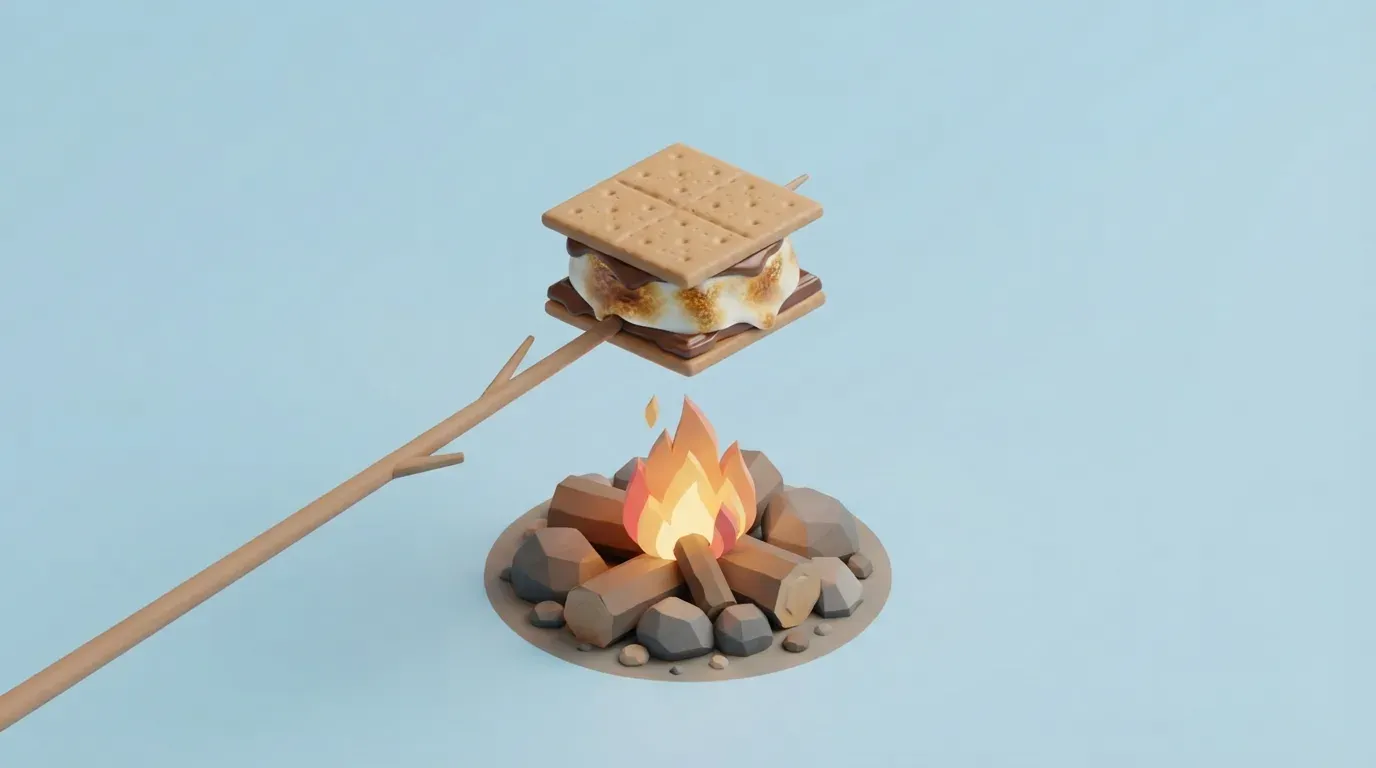 A1Lesson planEnglish A1.2
What do you need for s'mores?
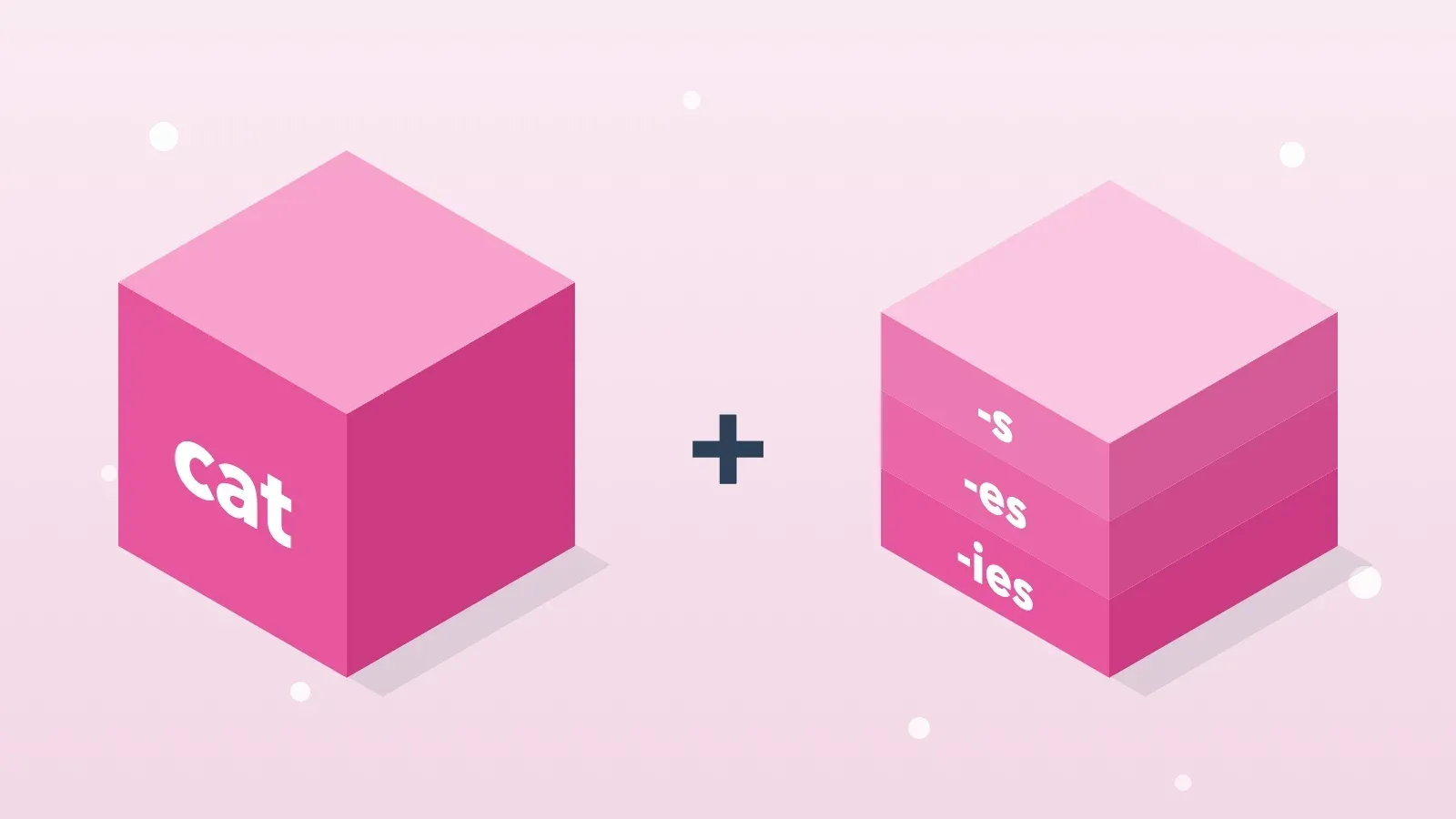 A1DrillsGrammar Practice · A1
Plural nouns: one box, two boxes
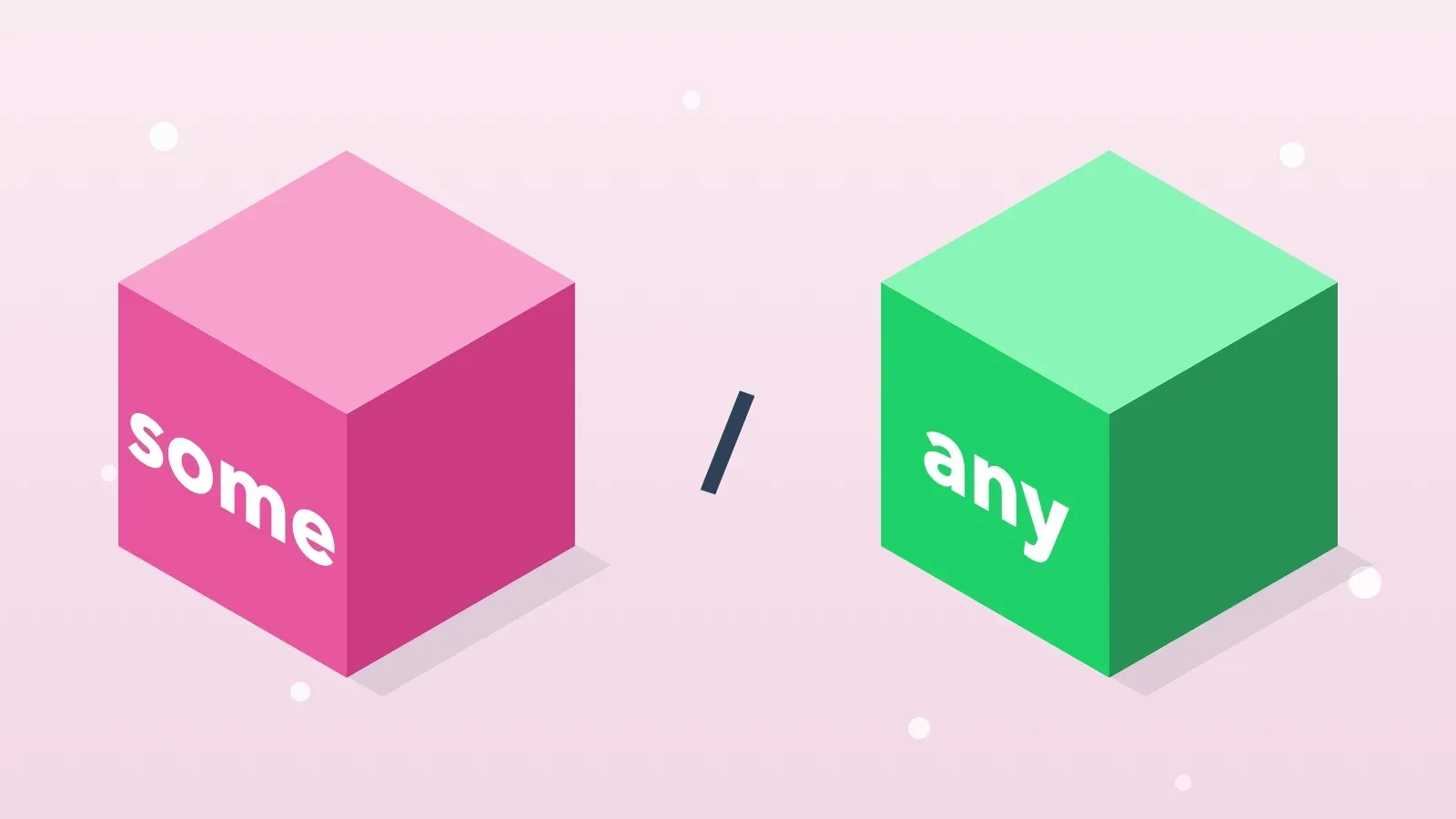 A1DrillsGrammar Practice · A1
Countable and uncountable nouns: some, any, how much?
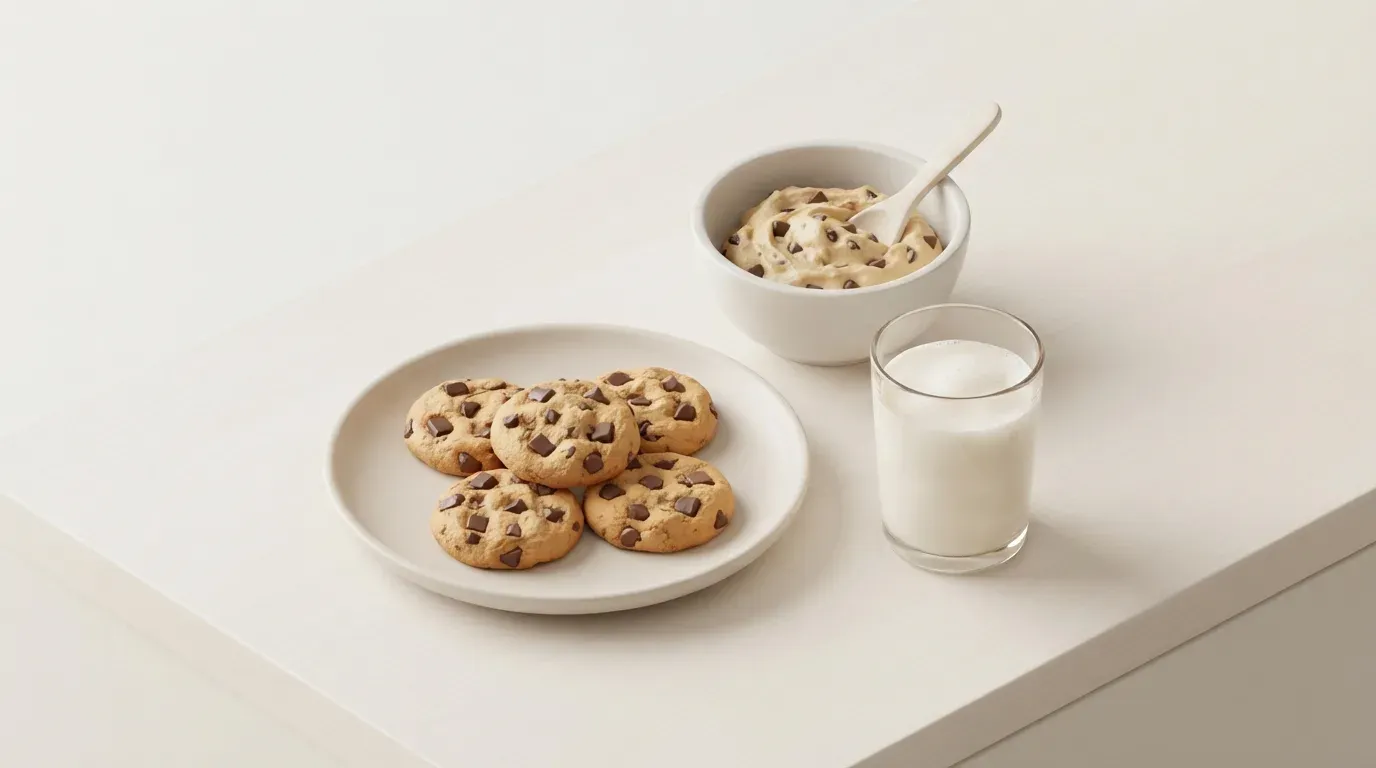 A2Lesson planEnglish A2.1
The first chocolate chip cookie
 A2Lesson planEnglish A2.1
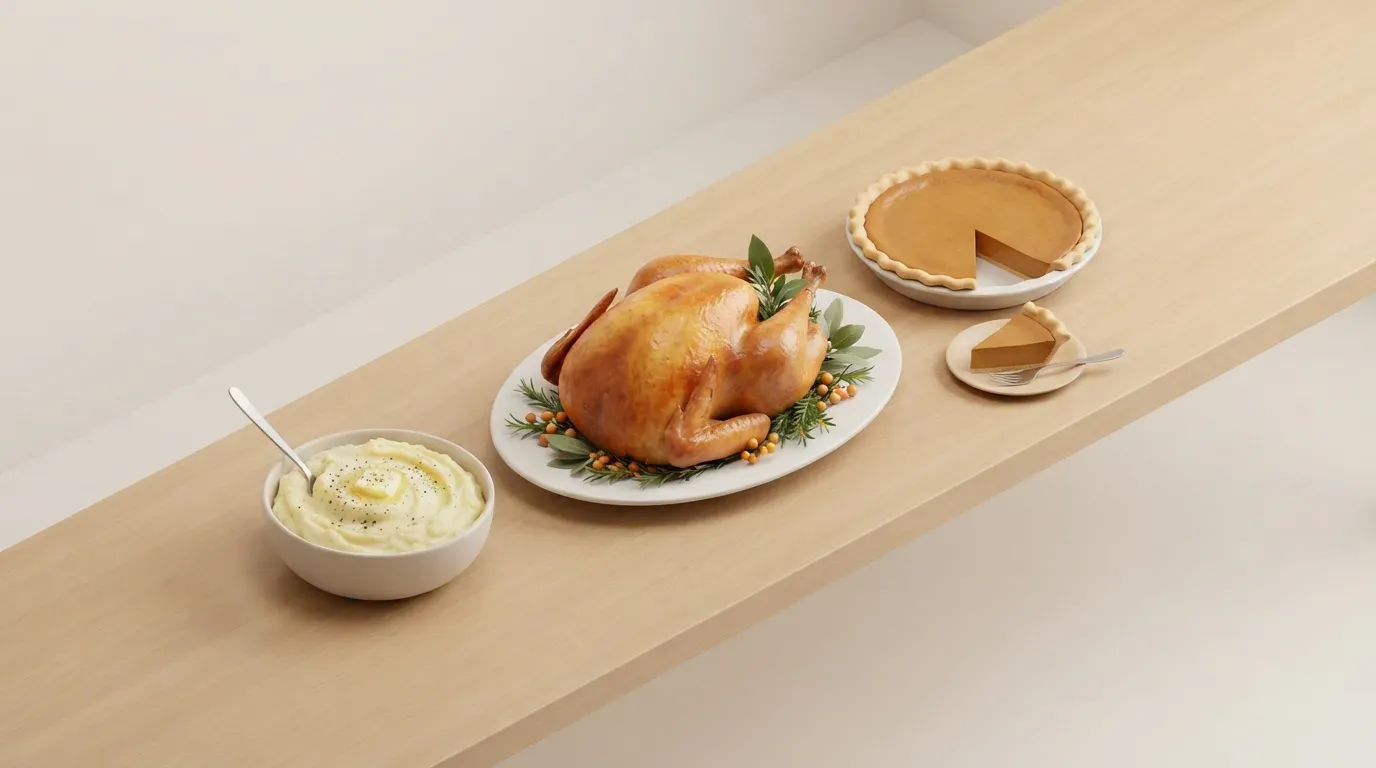
Cooking for twenty on Thanksgiving
 A2Lesson planEnglish A2.1
Everybody cleans up!
 B1Lesson planEnglish B1.1
What was the Great House for?
Try the countable and uncountable nouns exercises
One exercise from each of 6 lessons. These are the same exercises your students do in edio.
Countable and uncountable nouns explained
We count some nouns one by one: an egg, three cookies. Others, such as flour, water and advice, can't be counted that way, and they take no a or an and no -s. The difference also picks the words around a noun: a few or a little, many or much, and two cups of when we need a number.
A bag of, two bags of: containers come first
Learners first meet the two kinds on a shopping list. With two or more, the container takes -s: six bottles of water. After of, a countable noun is plural (a box of graham crackers), and an uncountable one has no -s: a jar of peanut butter.
Containers: one and two or more
| Container | One | Two or more: -s |
|---|---|---|
| bag | a bag of marshmallows | two bags of marshmallows |
| box (→ boxes) | a box of graham crackers | two boxes of graham crackers |
| bar | a bar of chocolate | three bars of chocolate |
| bottle | a bottle of water | six bottles of water |
| can | a can of beans | two cans of beans |
| jar | a jar of peanut butter | two jars of peanut butter |
| pack | a pack of hot dogs | two packs of hot dogs |
After of: -s or no -s?
You can count them (one, two, three): -s
- a bag of marshmallows
- a box of graham crackers
- a can of beans
- a pack of hot dogs
You can't count them: no -s
- a bottle of water
- two bars of chocolate
- a bag of ice
- a jar of peanut butter
From the lesson What do you need for s'mores? (English A1.2)
A or an, -s, or some
A countable noun takes a or an for one and -s for more: an egg, three cookies. An uncountable noun takes neither, so it's some butter, not a butter. Some goes with both kinds: some eggs, some flour.
| Use | Countable: egg, cookie | Uncountable: butter, flour |
|---|---|---|
| one | a cookie, an egg (an before a vowel sound: an oven, an idea) | ✗ no a / an |
| two or more | two eggs, three cookies | ✗ no -s |
| some | some eggs, some cookies | some butter, some flour |
| count it | two eggs, three cookies | a cup of flour, two cups of flour |
From the lesson The first chocolate chip cookie (English A2.1)
A cup of flour, a piece of advice
To put a number on an uncountable noun, add a countable word with of in front, and make that word plural for more than one: a glass of milk, two glasses of milk. Advice belongs here too: a piece of advice, never an advice.
one
- a cup of flour
- a bar of chocolate
- a glass of milk
- a teaspoon of salt
- a bag of sugar
- a piece of advice
two or more
- two cups of flour
- two bars of chocolate
- two glasses of milk
- two teaspoons of salt
- three bags of sugar
- two pieces of advice
From the lesson The first chocolate chip cookie (English A2.1)
A turkey or turkey? Nouns that are both
Some nouns can be either kind, with a change in meaning. A turkey is the bird, and it counts: a few turkeys. Turkey is the meat, so it takes a little or a lot of and no -s.
a turkey or turkey?
a turkey is the bird. It counts: one turkey, a few turkeys. turkey is the meat. It doesn't count: a little turkey, a lot of turkey. Grandpa buys a turkey, and the guests eat a lot of turkey!
From the lesson Cooking for twenty on Thanksgiving (English A2.1)
Many bags, much trash
Many goes with plural nouns and much with uncountable ones, as in How many volunteers came? and How much time is left? People is plural, so it's many people, never much people.
many + plural
- bags, bottles, cans
- people, kids, volunteers
- trees, miles, hours
much + no plural
- trash, litter, paper
- water, plastic, gas
- time, fun
From the lesson Everybody cleans up! (English A2.1)
Questions about countable and uncountable nouns
What are countable and uncountable nouns?
Are there interactive countable and uncountable nouns exercises?
How do you count uncountable nouns?
Is it how much or how many?
Can a noun be both countable and uncountable?
How do I teach countable and uncountable nouns to beginners?
What are good countable and uncountable nouns activities?
Can students do these lessons as homework?
More English grammar
Lessons for every grammar point, from the verb to be to reported speech. All grammar points