Present simple: ESL lesson plans and exercises
Levels A1 to B2 15 lesson plans · 4 drill lessons Exercises that check themselves
The present simple is the tense for routines, habits and facts, and the first tense most English learners meet: I work, she works, Do you work? This page brings together 15 ready-made present simple lessons from the edio.ai library, levels A1 to B2, all in American English. Try exercises from the lessons, see the rules in their own grammar schemes, and pick a lesson for your class from the list by level. Every lesson is interactive, and its practice exercises check themselves.
Present simple lesson plans and drills
15 lesson plans and 4 drill lessons, A1 to B2. Lesson plans are whole lessons with reading, listening and speaking; drill lessons are 45 to 46 self-checking exercises with no new words.
 A1Lesson planEnglish A1.1
Pancakes for breakfast?
 A1Lesson planEnglish A1.1
New York pizza or Chicago deep-dish?
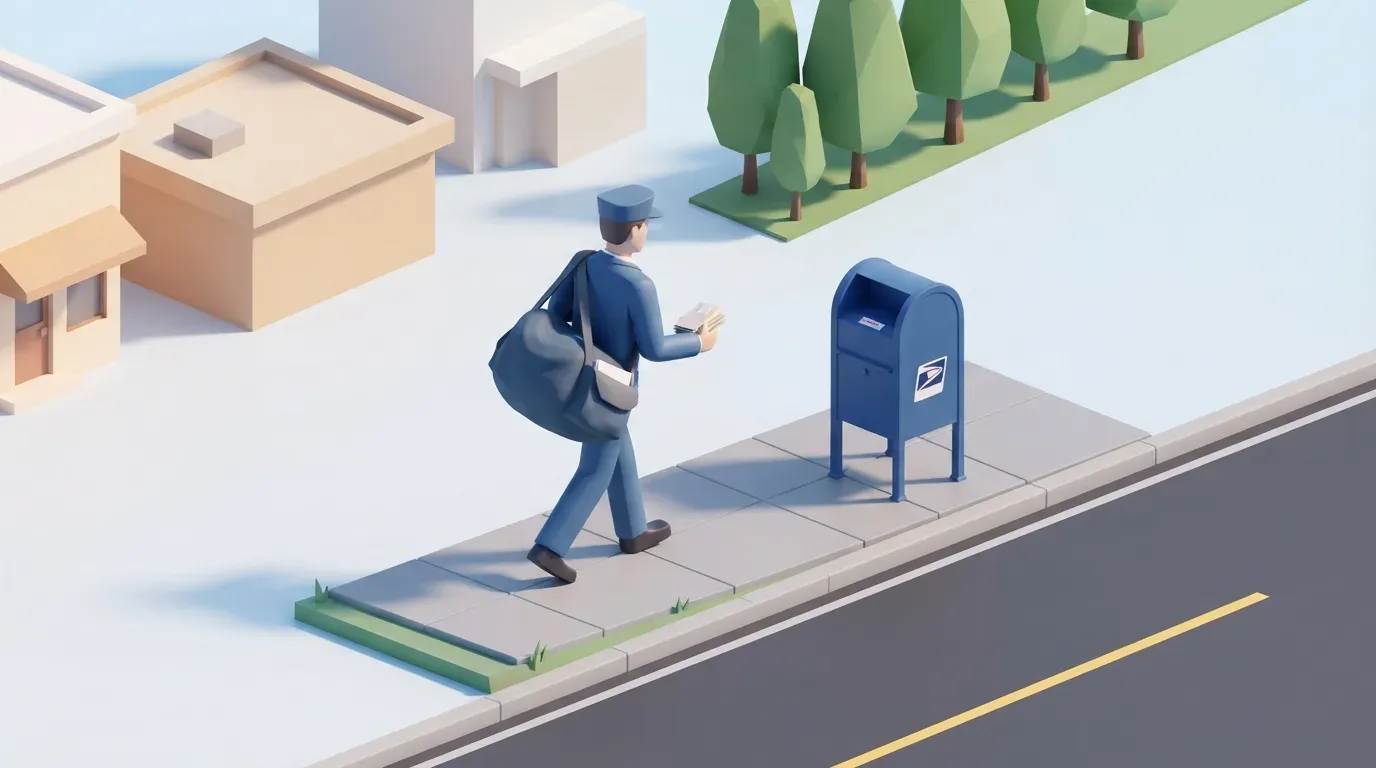 A1Lesson planEnglish A1.1
Who brings the mail?
 A1Lesson planEnglish A1.1
Meet me at Union Square
 A1Lesson planEnglish A1.2
What does she wear on Aloha Friday?
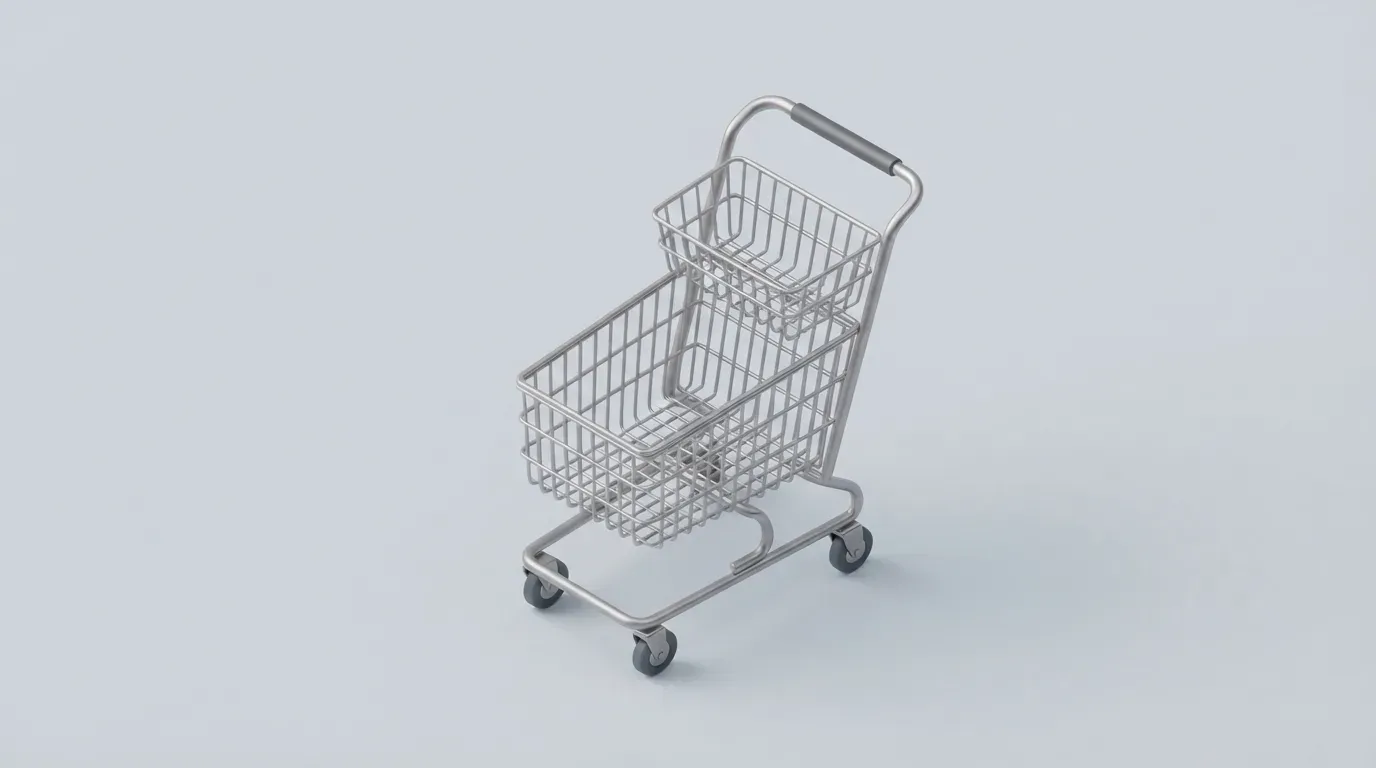 A1Lesson planEnglish A1.2
A basket on wheels?
 A1Lesson planEnglish A1.2
Does it rain in the desert?
 A1Lesson planEnglish A1.2
Is it always windy on Mount Washington?
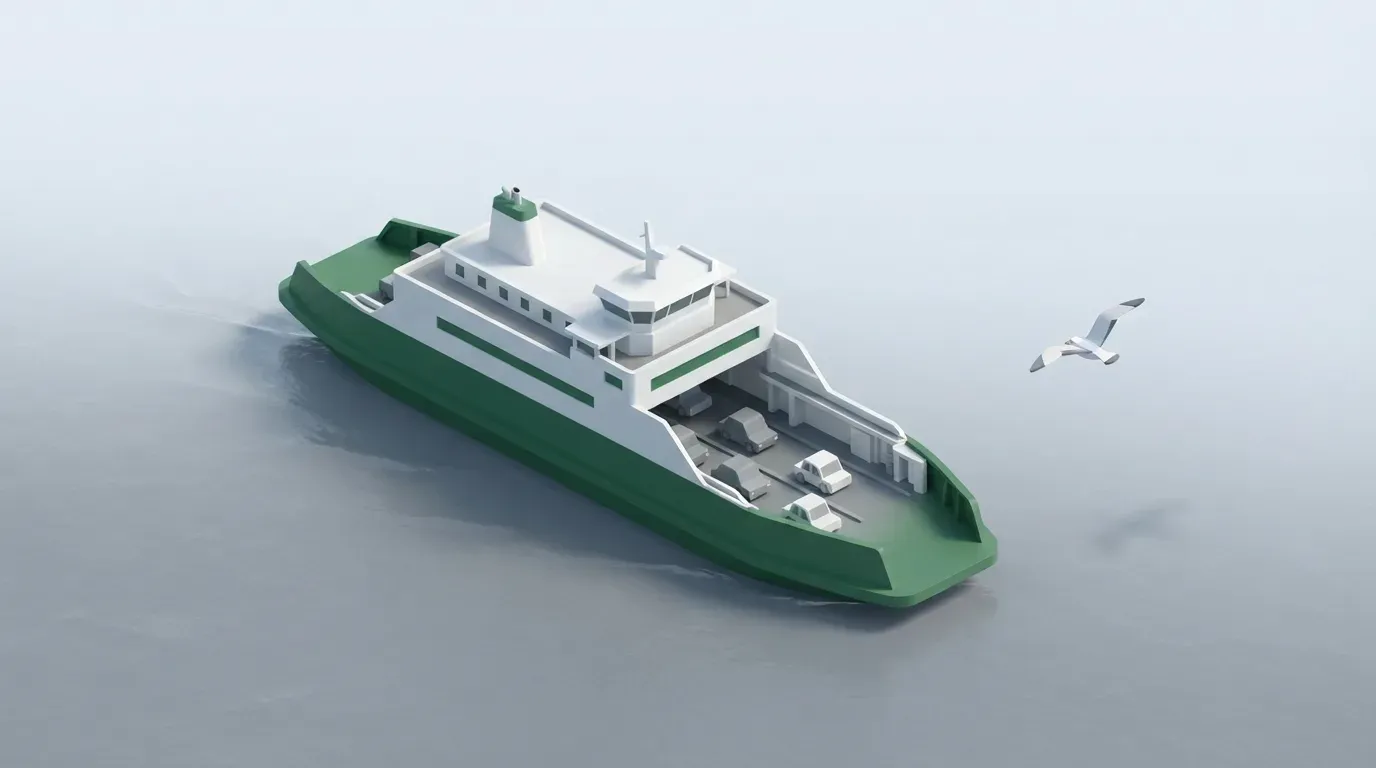 A1Lesson planEnglish A1.2
What time does the ferry leave?
 A1Lesson planEnglish A1.2
How often do you walk?
 A1Lesson planEnglish A1.2
What's the matter?
 A1Lesson planEnglish A1.2
Who makes the sounds in movies?
 A1DrillsGrammar Practice · A1
Have and has: she has a dog
 A1DrillsGrammar Practice · A1
Present simple: she works, they work
 A1DrillsGrammar Practice · A1
Present simple: don't, doesn't, do you…?
 A1DrillsGrammar Practice · A1
Adverbs of frequency: always, usually, never
 B1Lesson planEnglish for IT B1
How big is a two-pizza team?
 B1Lesson planEnglish for IT B1
Why is it called a scrum?
 B2Lesson planBusiness English B2
Making Contacts
Try the present simple exercises
One exercise from each of 6 lessons. These are the same exercises your students do in edio.
Present simple explained
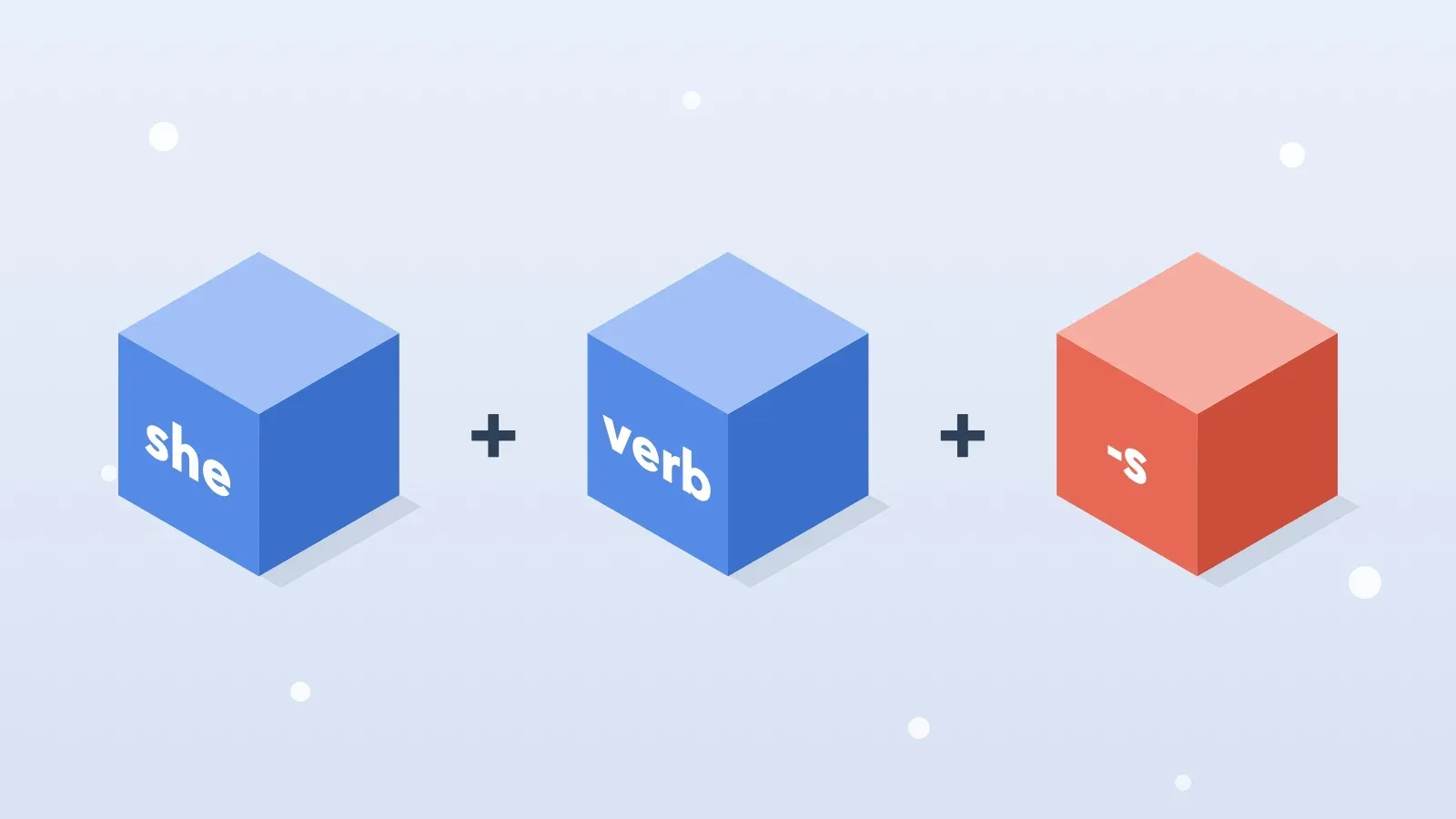
We use the present simple for what happens regularly or is always true: They deliver the mail on Saturday, She wears an aloha shirt on Fridays. The verb stays in its base form, except after he, she and it, where it adds -s. Negatives and questions use do and does, and then the main verb has no -s.
I, you, we and they: the base form
With I, you, we and they, the verb has no ending at all: We work on Monday, They start at seven. The table shows every person, with the -s of she for comparison.
| Who | Yes ✓ | No ✗ (don't = do not) |
|---|---|---|
| I | I work on Monday. | I don't work on Sunday. |
| you | You work on Monday. | You don't work on Sunday. |
| he, she, it → A1.2 | She works on Monday. | She doesn't work on Sunday. |
| we | We work on Monday. | We don't work on Sunday. |
| they | They work on Monday. | They don't work on Sunday. |
From the lesson Who brings the mail? (English A1.1)
He, she and it: add -s, -es or -ies
After he, she and it, most verbs add -s. Verbs ending in -ch, -sh, -s, -x or -o add -es, a consonant + y becomes -ies, and have becomes has.
| The verb ends in … | he, she, it | Examples |
|---|---|---|
| most verbs | + s | wear → wears, work → works, like → likes |
| a, e, o, u + y | + s | buy → buys, play → plays |
| -ch, -sh, -s, -x, -o | + es | watch → watches, wash → washes, fix → fixes, go → goes, do → does |
| another letter + y (r + y, d + y …) | y → ies | carry → carries, try → tries, study → studies |
| have | special! | have → has |
From the lesson What does she wear on Aloha Friday? (English A1.2)
Negatives: don't and doesn't + verb
Doesn't takes the -s, so the verb after it has none: She doesn't carry a basket, not She doesn't carries. With I, you, we and they, the negative is don't.
| Who | Yes ✓ | No ✗ |
|---|---|---|
| I | I use a basket. | I don't use a basket. |
| you | You use a basket. | You don't use a basket. |
| he | He pushes the cart. | He doesn't push the cart. |
| she | She carries a basket. | She doesn't carry a basket. |
| it | It has wheels. | It doesn't have a motor. |
| we | We shop on Saturday. | We don't shop on Saturday. |
| they | They want carts. | They don't want carts. |
From the lesson A basket on wheels? (English A1.2)
Questions and short answers with do and does
Questions put do or does before the subject, and the short answer repeats it: Does it rain in July? Yes, it does. Learners often answer Yes, it rains instead.
| Who | Question ? | Yes ✓ | No ✗ |
|---|---|---|---|
| I | Do I need an umbrella? | Yes, you do. | No, you don't. |
| you | Do you like storms? | Yes, I do. | No, I don't. |
| he | Does he live in Tucson? | Yes, he does. | No, he doesn't. |
| she | Does she like thunder? | Yes, she does. | No, she doesn't. |
| it | Does it rain in July? | Yes, it does. | No, it doesn't. |
| we | Do we have class today? | Yes, we do. | No, we don't. |
| they | Do they like snow? | Yes, they do. | No, they don't. |
From the lesson Does it rain in the desert? (English A1.2)
Adverbs of frequency: before the main verb
Always, usually, often, sometimes and never go before the main verb but after be: It usually snows in October, but It's always cold in January.
adverb + main verb
- It usually snows in October.
- They always work for about a week.
- He often climbs the tower.
be (am, is, are) + adverb
- It's often foggy.
- It's never hot.
- I'm usually at home on Sunday.
From the lesson Is it always windy on Mount Washington? (English A1.2)
Questions about the present simple
When do we use the present simple?
How do you form the present simple?
How do I teach the present simple to beginners?
What are good present simple games and activities?
Are there interactive present simple exercises?
Where do adverbs of frequency go in a sentence?
What's the difference between the present simple and the present continuous?
Do these present simple lessons work one-to-one?
More English grammar
Lessons for every grammar point, from the verb to be to reported speech. All grammar points