Past continuous: ESL lesson plans and exercises
Levels A2 to B2 4 lesson plans · 3 drill lessons Exercises that check themselves
The past continuous, was or were + -ing, describes an action in progress at a past moment: At nine, we were watching a movie. This page collects 4 ready-made past continuous lessons from the edio.ai library, levels A2 to B2, interactive and in American English. Try exercises from them, see how their grammar schemes set it against the past simple, with when and while for interrupted actions, and choose a lesson for your class by level. Their practice exercises check every answer as students go.
Past continuous lesson plans and drills
4 lesson plans and 3 drill lessons, A2 to B2. Lesson plans are whole lessons with reading, listening and speaking; drill lessons are 44 to 46 self-checking exercises with no new words.
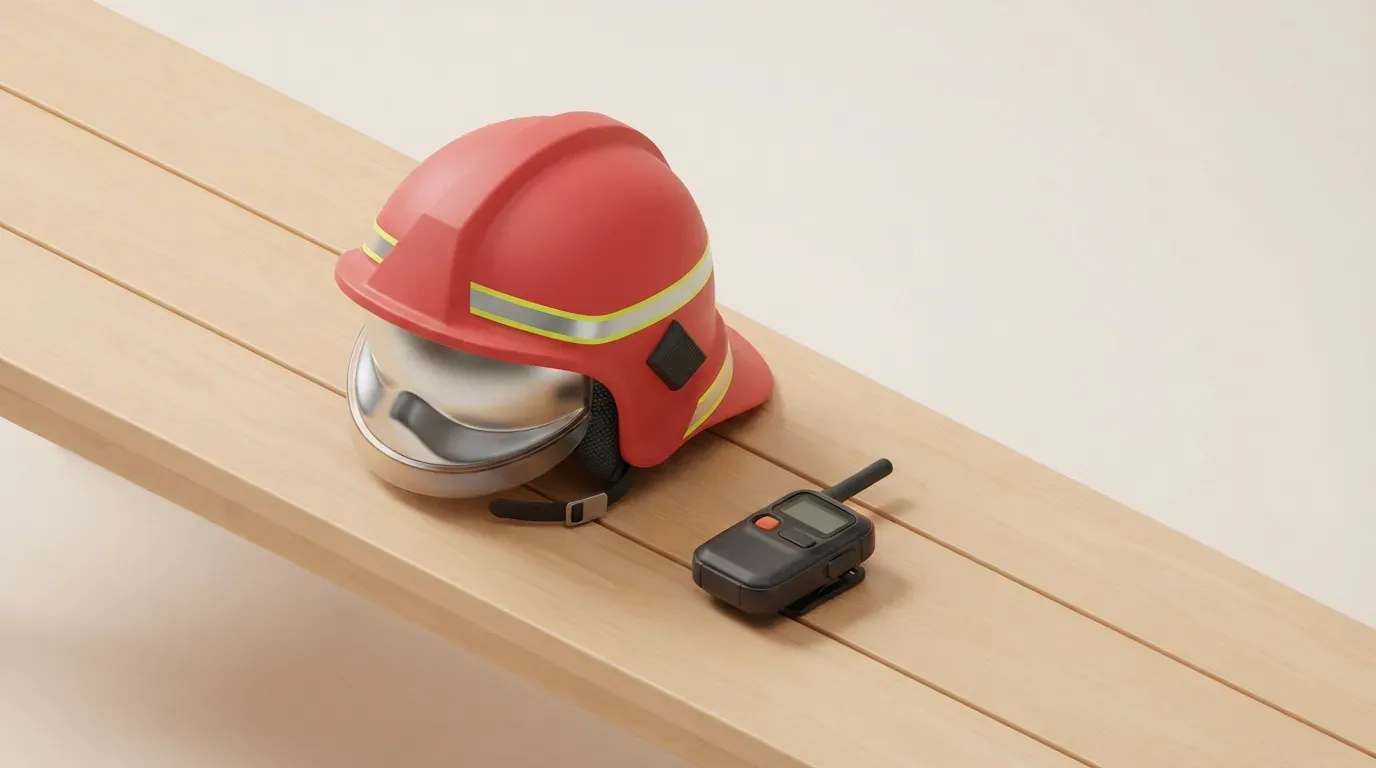 A2Lesson planEnglish A2.2
When the pager beeps
 A2Lesson planEnglish A2.2
The man who planted apple trees
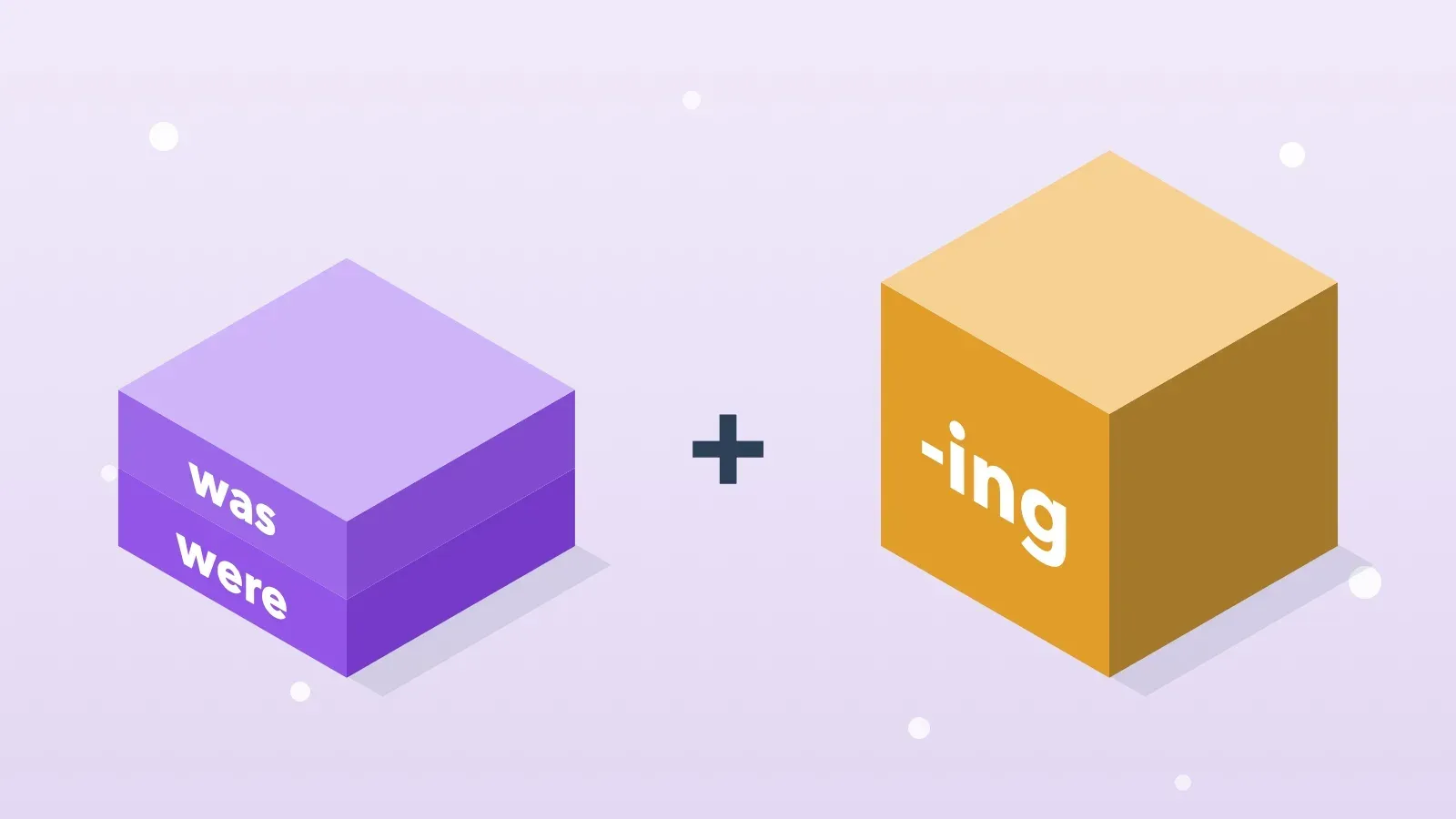 A2DrillsGrammar Practice · A2
Past continuous: what were you doing at 9 p.m.?
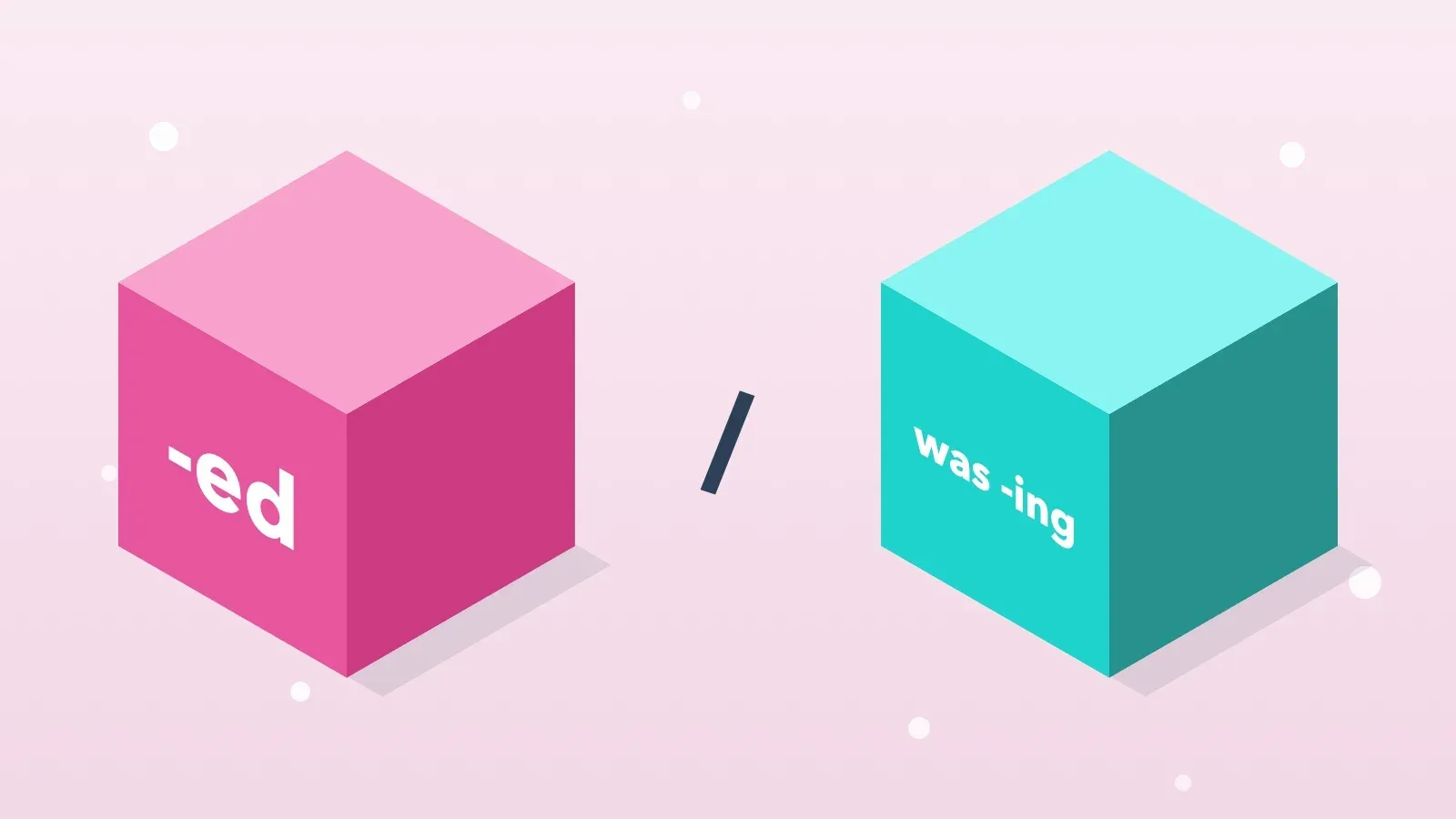 A2DrillsGrammar Practice · A2
Past simple or past continuous: what were you doing when it happened?
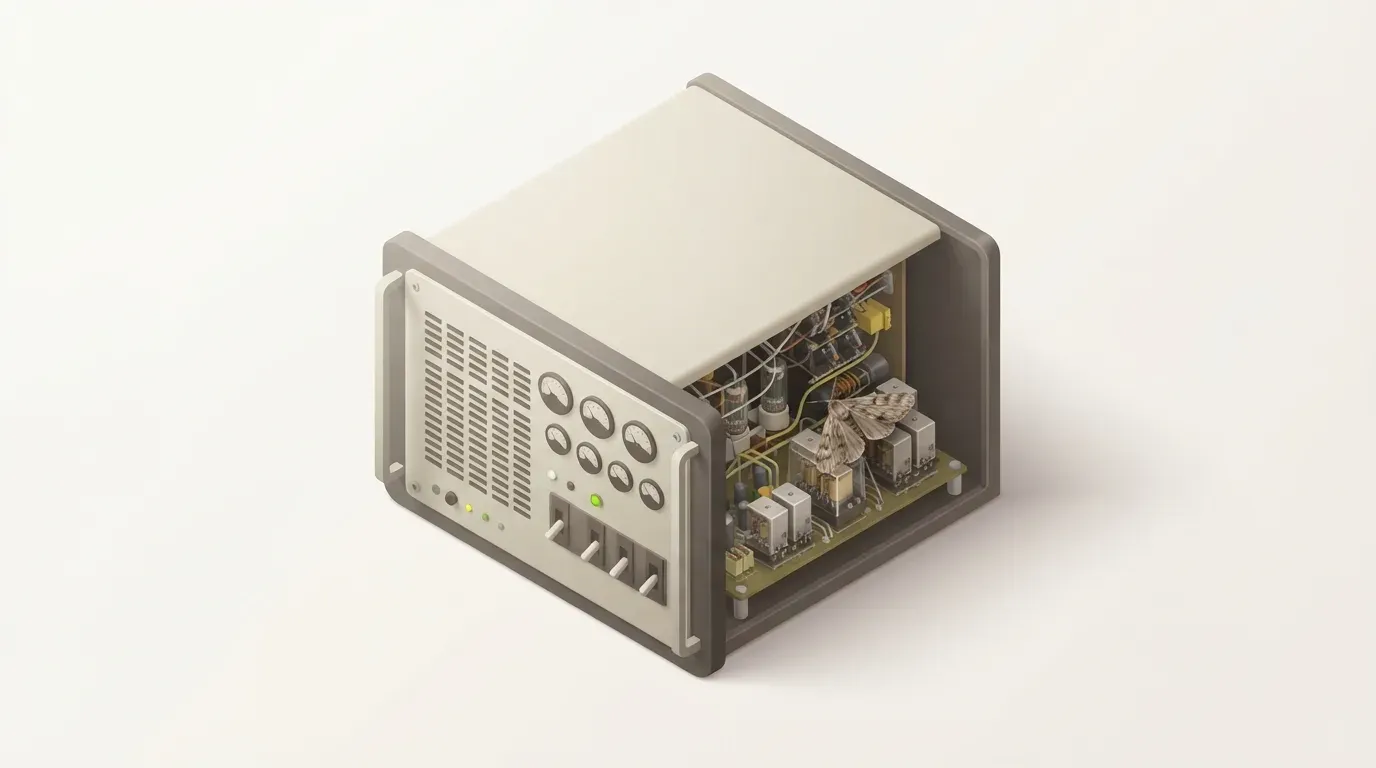 B1Lesson planEnglish for IT B1
The first actual bug
 B1DrillsGrammar Practice · B1
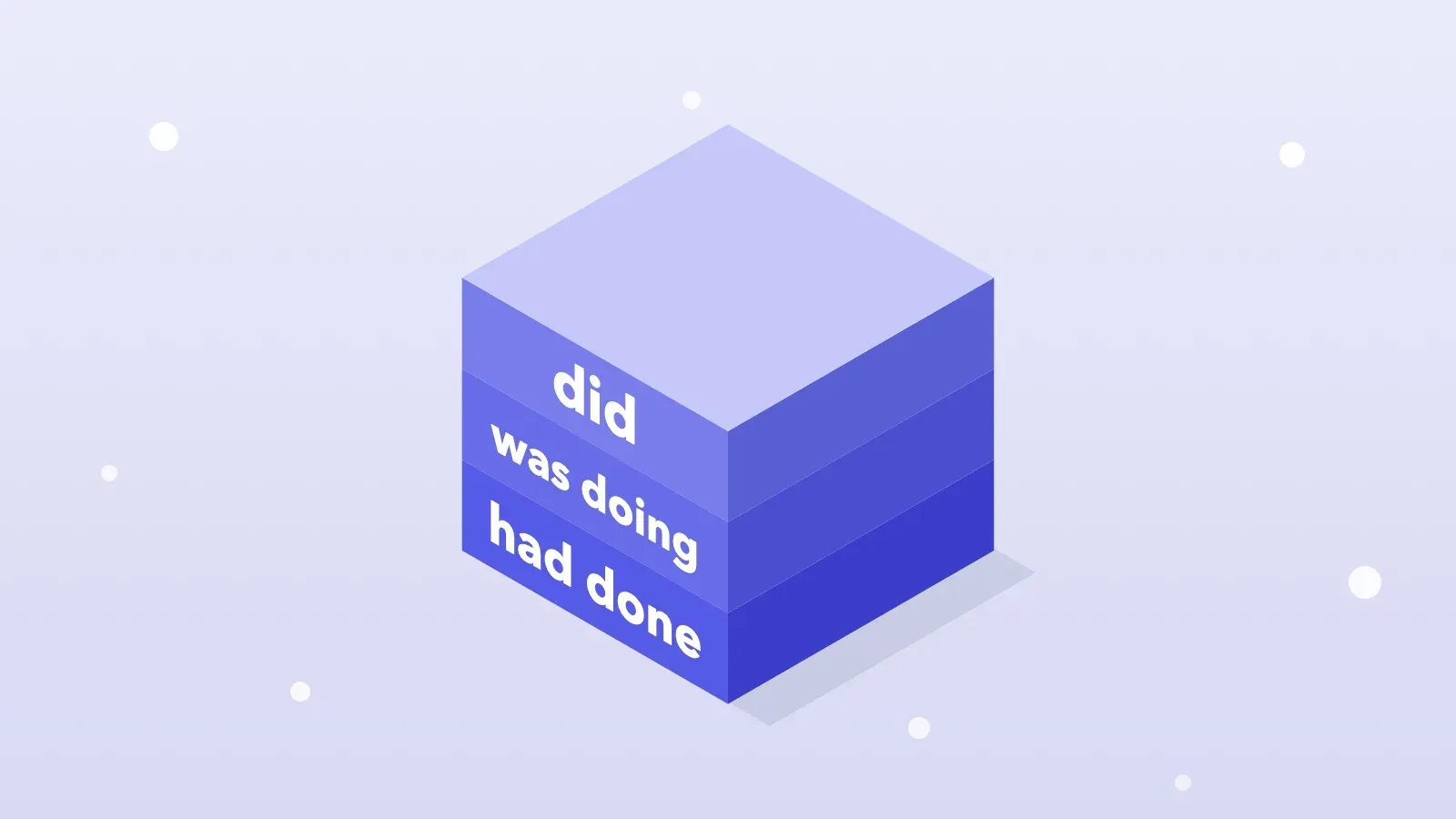
Narrative tenses: telling a great story
 B2Lesson planEnglish B2.1
Checkmate: the day a computer beat the champion
Try the past continuous exercises
One exercise from each of 6 lessons. These are the same exercises your students do in edio.
Past continuous explained
We use the past continuous for an action in progress at a past time, often the background of a story: I was reading when the phone rang. The event that interrupts it takes the past simple. Two longer actions that happen side by side can both be continuous: She was cooking while he was working.
Was or were + -ing
I, he, she and it take was; you, we and they take were, so never I were. The negatives are wasn't and weren't, and questions start with Was or Were. The second table covers -ing spelling: make → making, sit → sitting.
I, he, she, it: was · you, we, they: were (not: I were)
| Who | Yes (+) | Not (–): wasn't / weren't | Question (?) |
|---|---|---|---|
| I | I was cooking. | I wasn't sleeping. | Was I cooking? |
| you | You were cooking. | You weren't sleeping. | Were you cooking? |
| he | He was sleeping. | He wasn't cooking. | Was he sleeping? |
| she | She was watching TV. | She wasn't sleeping. | Was she watching TV? |
| it | It (the pager) was beeping. | It wasn't working. | Was it beeping? |
| we | We were rushing. | We weren't walking. | Were we rushing? |
| they | They were rushing. | They weren't sleeping. | Were they rushing? |
-ing spelling
| The verb | What to do | Examples |
|---|---|---|
| most verbs | add -ing | rush → rushing, cook → cooking, beep → beeping, sleep → sleeping |
| ends in -e | drop the e, add -ing | make → making, ride → riding, drive → driving |
| a short verb (one syllable) with one vowel + one consonant at the end | double the consonant, add -ing | sit → sitting, run → running, put → putting, swim → swimming, shop → shopping |
| ends in w, x or y | never double: just add -ing | show → showing, fix → fixing, play → playing |
From the lesson When the pager beeps (English A2.2)
In the middle of an action, or all of it
The past continuous drops us into the middle of an action: At eight, we were eating breakfast means breakfast had already begun. The past simple sees the whole action, so We ate breakfast at eight means it started at eight.
Past continuous: in the middle
- At eight, we were eating breakfast. (We started at 7:30.)
- At nine, my cat was sleeping.
Past simple: the whole action
- We ate breakfast at eight. (We started at eight.)
- My cat slept for ten hours.
From the lesson When the pager beeps (English A2.2)
When and while: a long action and a short one
While introduces the long action in the past continuous; when usually introduces the short one in the past simple: While we were walking, Biscuit found an apple. Either part can come first; if the sentence opens with when or while, a comma ends the first part.
| The pattern | Example |
|---|---|
| long action + when + short action | I was picking apples when it started to rain. |
| When + short action, long action | When it started to rain, I was picking apples. |
| When + long action, short action | When I was picking apples, it started to rain. |
| While + long action, short action | While we were walking, Biscuit found an apple. |
| short action + while + long action | Biscuit found an apple while we were walking. |
From the lesson The man who planted apple trees (English A2.2)
Questions: What were you doing when…?
To ask about the background, put was or were before the subject: What were you doing when the bell rang? Yes/no questions take short answers with the same verb, Yes, I was or No, I wasn't, and What happened? asks about the short event.
| Question | Answer |
|---|---|
| What were you doing when Biscuit took the apple? | I was stirring the apple butter. |
| What was Marco doing when you saw him? | He was buying pie. |
| Were you picking apples when it started to rain? | Yes, I was. / No, I wasn't. |
| What happened while you were walking? | Biscuit found an apple. |
From the lesson The man who planted apple trees (English A2.2)
Background, events and state verbs
In a story, the past continuous sets the scene and the past simple moves through the events, one after another: The app froze, so I closed it. State verbs such as know, need and want keep the past simple: I knew the password, not I was knowing.
| Use | Tense | Example |
|---|---|---|
| a longer action in progress (the background) | past continuous | I was uploading a photo… |
| a short event that interrupts it | past simple | …when the app froze. |
| two longer actions at the same time | past continuous + past continuous | While I was testing, Diego was updating the server. |
| short events, one after another | past simple | The app froze, so I closed it and tried again. |
| state verbs: know, need, want, like | past simple | I knew the password. |
From the lesson The first actual bug (English for IT B1)
Questions about the past continuous
When do we use the past continuous?
How do you form the past continuous?
What's the difference between the past continuous and the past simple?
When do you use when and while?
Is the past continuous the same as the past progressive?
Which verbs don't take the past continuous?
How do I teach the past continuous to A2 students?
What are good past continuous activities?
Are there interactive past continuous exercises?
Can I teach these lessons one-to-one?
More English grammar
Lessons for every grammar point, from the verb to be to reported speech. All grammar points