Adjectives and adverbs: ESL lesson plans and exercises
Levels A1 to B2 16 lesson plans · 3 drill lessons Exercises that check themselves
Adjectives describe people and things (a soft pillow), and adverbs of manner say how someone does something (hit the ball softly). Here are 16 ready-made lessons on both from the edio.ai library, levels A1 to B2, in American English, from adjective order and -ly adverbs to too and enough. Try exercises from the lessons, read the rules in their own grammar schemes and choose a lesson for your class by level. Each one is interactive, with practice exercises that check every answer.
Adjectives and adverbs lesson plans and drills
16 lesson plans and 3 drill lessons, A1 to B2. Lesson plans are whole lessons with reading, listening and speaking; drill lessons are 45 self-checking exercises with no new words.
 A1Lesson planEnglish A1.1
Can a dorm room be cozy?
 A2Lesson planEnglish A2.1
A park on an old railroad
 A2Lesson planEnglish A2.1
Pickleball: a game from a backyard
 A2Lesson planEnglish A2.2
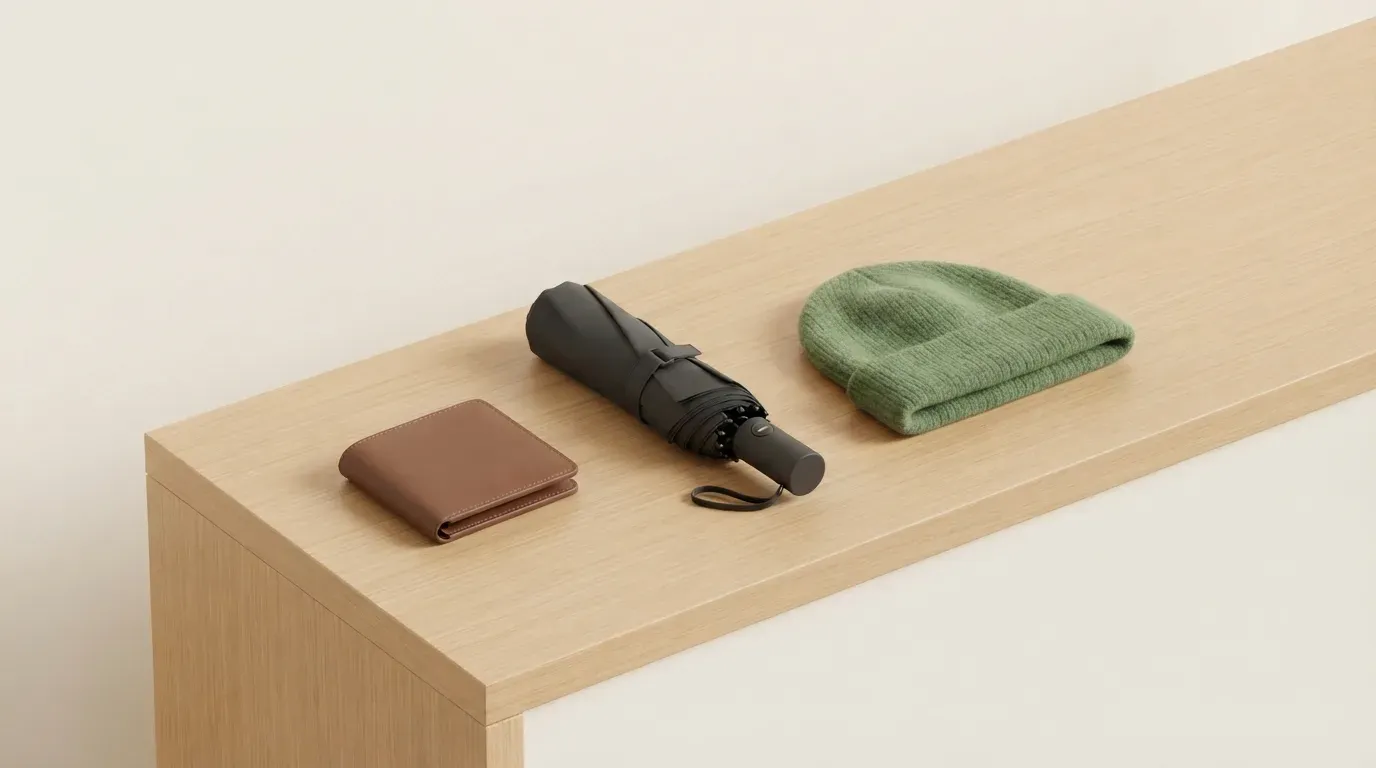
What's in the lost and found?
 A2Lesson planEnglish A2.2
Sailors thought it was a mermaid
 A2Lesson planEnglish A2.2
From turnips to pumpkins
 A2DrillsGrammar Practice · A2
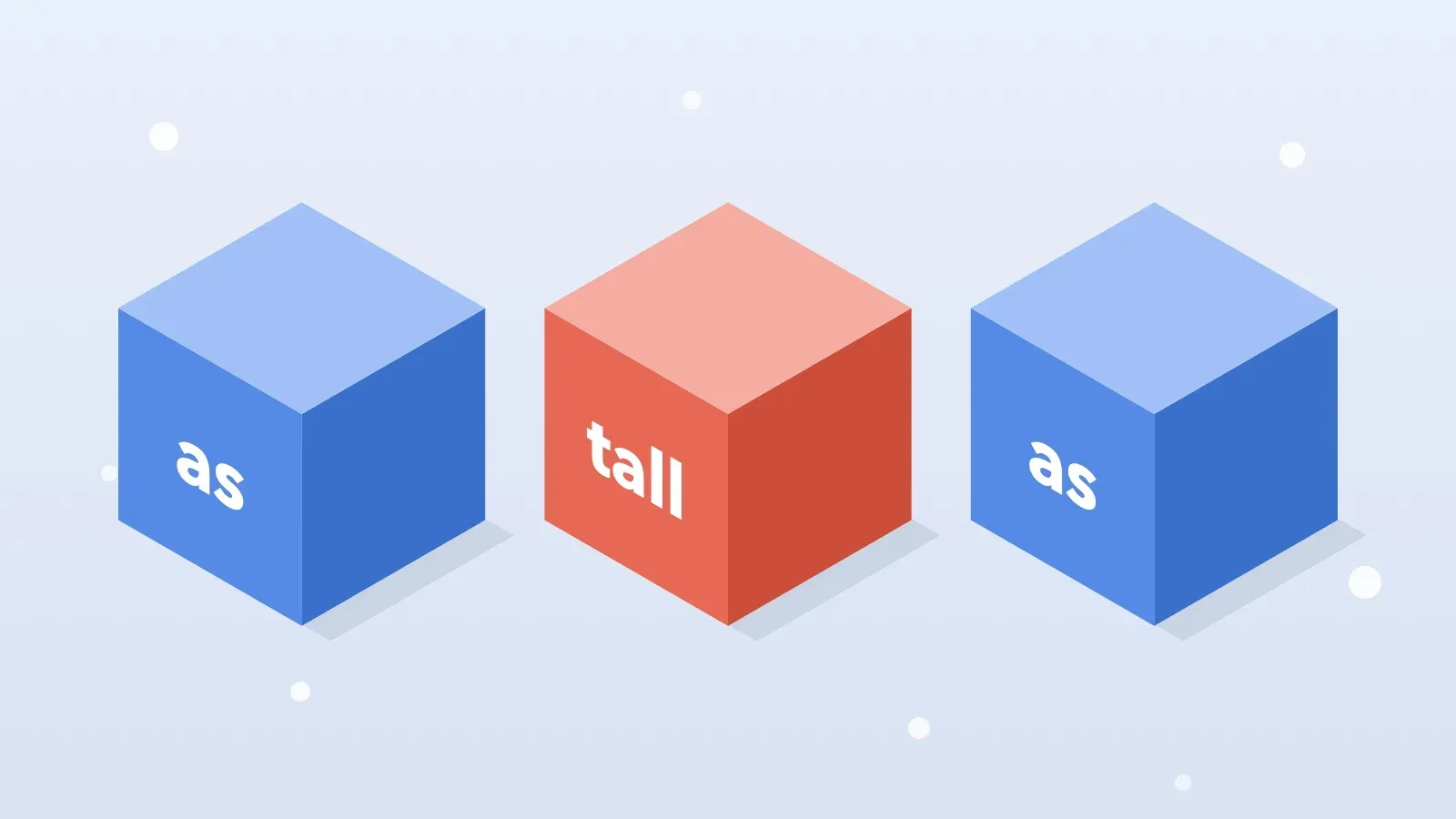
As … as, too, enough: is it the right size?
 A2DrillsGrammar Practice · A2
Adverbs of manner: how did she drive?
 B1Lesson planEnglish B1 · Hot Topics
Two blockbusters, one Friday
 B1Lesson planEnglish B1.1
A helicopter on Mars?
 B1Lesson planEnglish B1.1
Why do readers still love Nancy Drew?
 B1Lesson planEnglish B1.1
Movie night in your car
 B1Lesson planEnglish B1.2
To tip or not to tip?
 B1Lesson planEnglish for IT B1
What's a nit?
 B1DrillsGrammar Practice · B1
-ed and -ing adjectives: bored or boring?
 B2Lesson planEnglish B2.1
The party that started hip hop
 B2Lesson planEnglish B2.1
Flying on pedal power
 B2Lesson planEnglish B2.1
Two years under glass
 B2Lesson planEnglish B2.2
Who decides where a generation ends?
Try the adjectives and adverbs exercises
One exercise from each of 6 lessons. These are the same exercises your students do in edio.
Adjectives and adverbs explained
We use adjectives to describe nouns and adverbs of manner to say how an action happens. An adjective goes before its noun or after be and never takes -s. Most adverbs of manner add -ly to an adjective and come after the verb or its object: She serves carefully.
Before the noun or after be
An adjective sits in front of its noun or after is and are: a cozy room, My room is cozy. Its form doesn't change for one thing or many, so it's two warm blankets, never warms.
Before a noun
- a cozy room
- a soft pillow
- warm blankets
After is / are
- My room is cozy.
- The pillow is soft.
- The blankets are warm.
From the lesson Can a dorm room be cozy? (English A1.1)
Too and enough
Too goes before an adjective and means more than OK, a problem: It's too cold to sit. Enough goes after it and means as much as you need (warm enough), while not … enough means less than you need: The bench isn't big enough.
| Pattern | It means… | Example |
|---|---|---|
| too + adjective | more than OK: a problem ✗ | It's too cold to sit. |
| adjective + enough | OK: as much as you need ✓ | The bench is warm enough. Let's sit! |
| not + adjective + enough | less than you need: a problem ✗ | The bench isn't big enough for three. |
| Question: be + adjective + enough? | Is it OK? | Are you warm enough? – Yes, I am. / No, I'm not. |
From the lesson A park on an old railroad (English A2.1)
Adverbs of manner: softly, carefully, well
An adverb of manner says how someone does something: a soft hit, but hit softly. Most adjectives just add -ly; easy becomes easily, and gentle becomes gently. Good changes to well, and hard, fast and late keep the same form.
Adjective or adverb?
Adjective: with a noun or after be
- a soft hit
- a careful player
- Lila is a good teacher.
- The ball is fast.
Adverb: with a verb (how?)
- hit softly
- play carefully
- Lila teaches well.
- The ball flies fast.
Make the adverb
| Adjective | How | Adverb |
|---|---|---|
| soft, quick, slow, bad, loud, quiet | + ly | softly, quickly, slowly, badly, loudly, quietly |
| careful, diagonal | + ly (two l's!) | carefully, diagonally |
| easy, happy | y → ily | easily, happily |
| gentle, terrible | le → ly | gently, terribly |
| good | a new word | well |
| hard, fast, late | no change | hard, fast, late |
From the lesson Pickleball: a game from a backyard (English A2.1)
The order of adjectives
Before a noun, adjectives line up as opinion, size, age, shape, color, origin, material and purpose. Five of those groups do most of the work: a nice small old brown leather wallet. No commas go between the groups.
The order
| Order | Group | It tells you… | Examples |
|---|---|---|---|
| 1 | opinion | what you think | nice, beautiful, strange |
| 2 | size | how big or long | big, small, tiny, long |
| 3 | age | how old | old, new, young |
| 4 | shape | what shape | round, square, flat |
| 5 | color | what color | green, brown, pink |
| 6 | origin | where it's from | American, Texan |
| 7 | material | leather? wool? metal? | leather, wool, cotton, metal |
| 8 | purpose | what it's for | sleeping (bag), running (shoes) |
| → | the noun | the thing | cap, wallet, umbrella |
The five groups you use most
opinionsizeagecolormaterialnoun
a nice small old brown leather wallet
a beautiful long new red wool scarf
From the lesson What's in the lost and found? (English A2.2)
Look, sound and feel + an adjective
Look, sound and feel work like is, so they take an adjective, not an -ly adverb: It looks gentle, not It looks gently. A noun needs like first: It looks like a potato. Smell and taste follow the same pattern.
look / sound / feel + adjective
- It looks gentle.
- It sounds strange.
- The water feels warm.
- You look tired.
look / sound / feel + like + noun
- It looks like a potato.
- It sounds like a bird.
- The sand feels like sugar.
- You look like your mom.
From the lesson Sailors thought it was a mermaid (English A2.2)
-ed or -ing: confused or confusing?
At B1, -ing adjectives describe what causes a feeling and -ed adjectives how a person feels: This name is confusing, so Iryna is confused by this name. A name can only cause the feeling, so This variable name is confused is wrong.
-ing: what causes the feeling (a thing, a situation or a person)
- This name is confusing.
- Long reviews are tiring.
- Wes can be a bit annoying about names.
-ed: how a person feels
- Iryna is confused by this name.
- I'm tired after long reviews.
- Wes gets annoyed by short names.
From the lesson What's a nit? (English for IT B1)
Questions about adjectives and adverbs
What's the difference between adjectives and adverbs?
How do you form adverbs of manner?
Where do adverbs of manner go in a sentence?
What is the correct order of adjectives?
When do we use too and enough?
What's the difference between -ed and -ing adjectives?
How do I teach adjectives to beginners?
Are there interactive adjectives and adverbs exercises?
When do you use so and such?
Do these adjective and adverb lessons work one-to-one?
More English grammar
Lessons for every grammar point, from the verb to be to reported speech. All grammar points