Third and mixed conditionals: ESL lesson plans and exercises
Levels B2 to C1 12 lesson plans · 5 drill lessons Exercises that check themselves
The third conditional imagines a different past and its different result: If we had left earlier, we would have caught the train. Mixed conditionals join two times, such as a past cause and a present result. This page brings together 12 ready-made lessons from the edio.ai library, levels B2 to C1, in American English, built around post-mortems, outage reviews, decision records and team retros. Try exercises from the lessons, see the forms in their grammar schemes, and pick the lesson that suits your group. All the lessons are interactive, and their drills check every answer.
Third and mixed conditionals lesson plans and drills
12 lesson plans and 5 drill lessons, B2 to C1. Lesson plans are whole lessons with reading, listening and speaking; drill lessons are 44 to 46 self-checking exercises with no new words.
 B2Lesson planBusiness English B2
What Went Wrong
 B2Lesson planEnglish B2.1
The moldy melon that changed medicine
 B2Lesson planEnglish B2.1
Slide to the left!
 B2Lesson planEnglish B2.1
If only they'd kept Superman
 B2Lesson planEnglish B2.1
Why buy a drill you'll use once?
 B2Lesson planEnglish B2.2
One cousin, one video, millions of learners
 B2Lesson planEnglish B2.2
School in the woods
 B2Lesson planEnglish for IT B2
If we had had an alert…
 B2Lesson planEnglish for IT B2
Write down the why
 B2Lesson planEnglish for IT B2
Start, stop, continue
 B2DrillsGrammar Practice · B2
Third conditional: if I hadn't missed that train…
 B2DrillsGrammar Practice · B2
Mixed conditionals: where would you be now?
 B2DrillsGrammar Practice · B2
Wish and if only: is it too late?
 B2DrillsGrammar Practice · B2
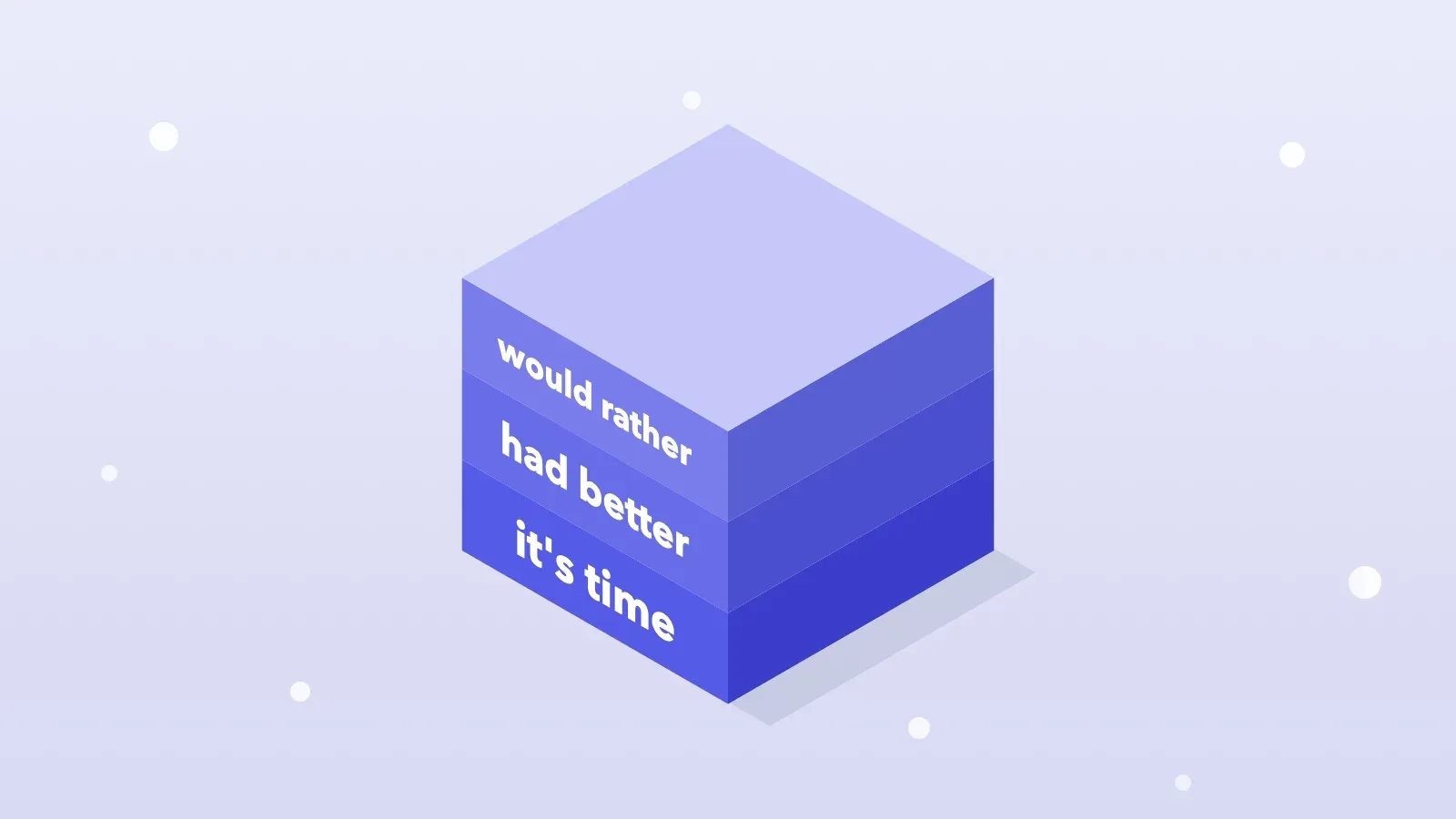
Would rather, had better and it's time: the couch crisis
 C1Lesson planEnglish for IT C1
Estimates, Deadlines and Saying No (Politely)
 C1Lesson planEnglish for IT C1
The Retro: What Went Wrong This Quarter
 C1DrillsGrammar Practice · C1
Conditionals without if: had I known, should you need, were I to
Try the third conditional exercises
One exercise from each of 6 lessons. These are the same exercises your students do in edio.
Third and mixed conditionals explained
We use the third conditional to look back at something that didn't happen and imagine its result: If I had known about the traffic, I would have taken the train. It's the grammar of regrets, criticism and lessons learned. When the two halves are about different times, the sentence becomes a mixed conditional: If I had taken that job, I would live in Denver now.
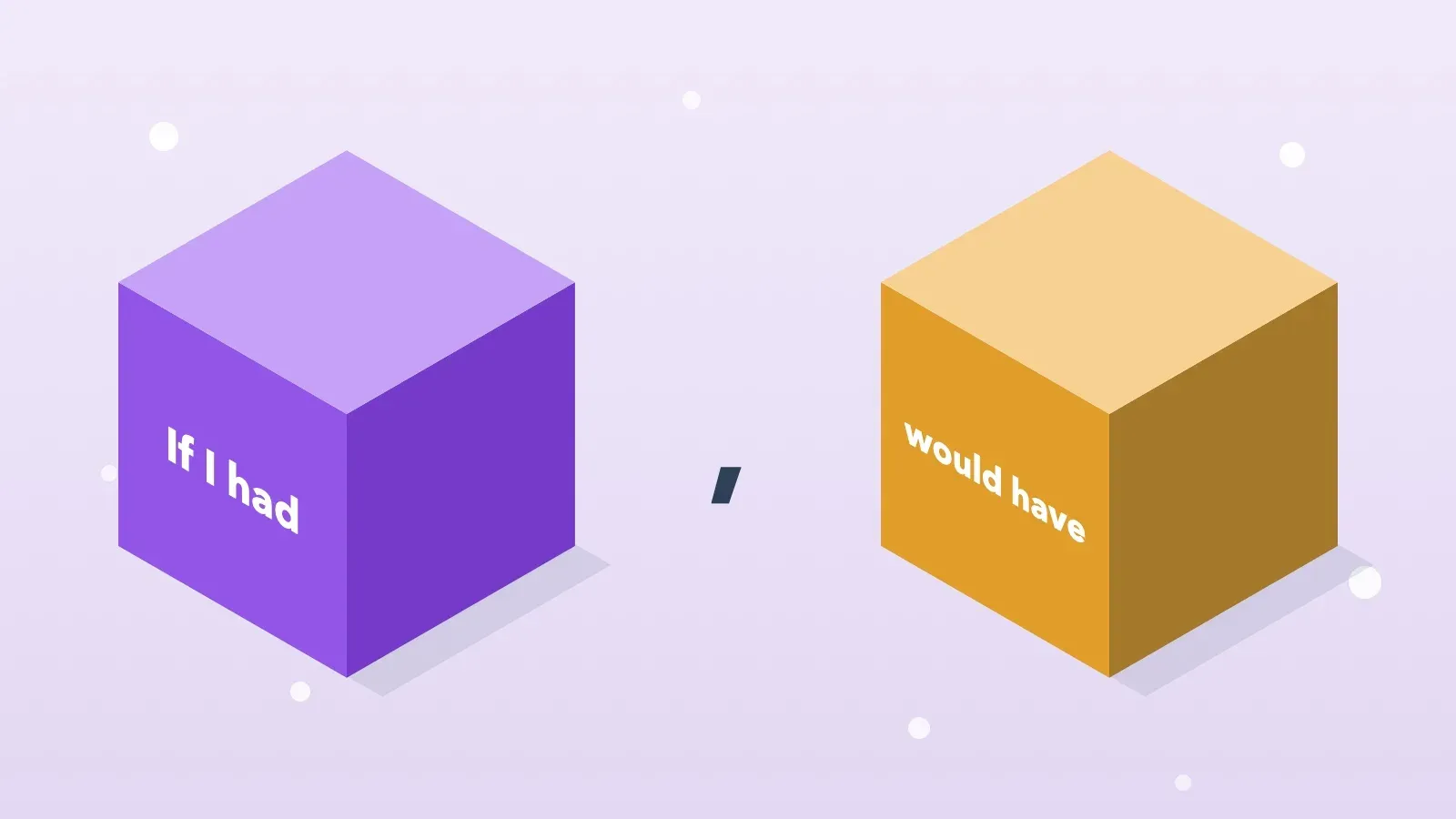
The third conditional: had + participle, would have
The if-part takes had + past participle and the result would have + past participle: If we had had an alert, we would have caught it earlier. Could have says it was possible, and might have means perhaps.
| Part | Form | Example |
|---|---|---|
| If-part | if + had + past participle | If we had had an alert on app opens, … |
| If-part, negative | if + hadn't + past participle | If the config hadn't reached every app at once, … |
| If-part, passive | if + had (not) been + past participle | If the version had been checked, … |
| Result: sure | would (not) have + past participle | … we would have caught the problem earlier. |
| Result: able to | could (not) have + past participle | … merchants could have downloaded the update. |
| Result: perhaps | might (not) have + past participle | … more merchants might have called support. |
| In speech | we'd had = we had had; we'd have = we would have | If we'd had an alert, we'd have caught it. |
From the lesson If we had had an alert… (English for IT B2)
'd: had or would?
In speech, 'd can stand for either word, and what follows tells you which: before a past participle it's had (we'd known), before have or a base form it's would (we'd have moved, we'd be).
| 'd + … | It means | Example |
|---|---|---|
| 'd + past participle | had | If we'd known about the registers, … |
| 'd + have + past participle | would | … we'd have moved the launch. |
| 'd + base form | would | … we'd be in a better position now. |
From the lesson What Went Wrong (Business English B2)
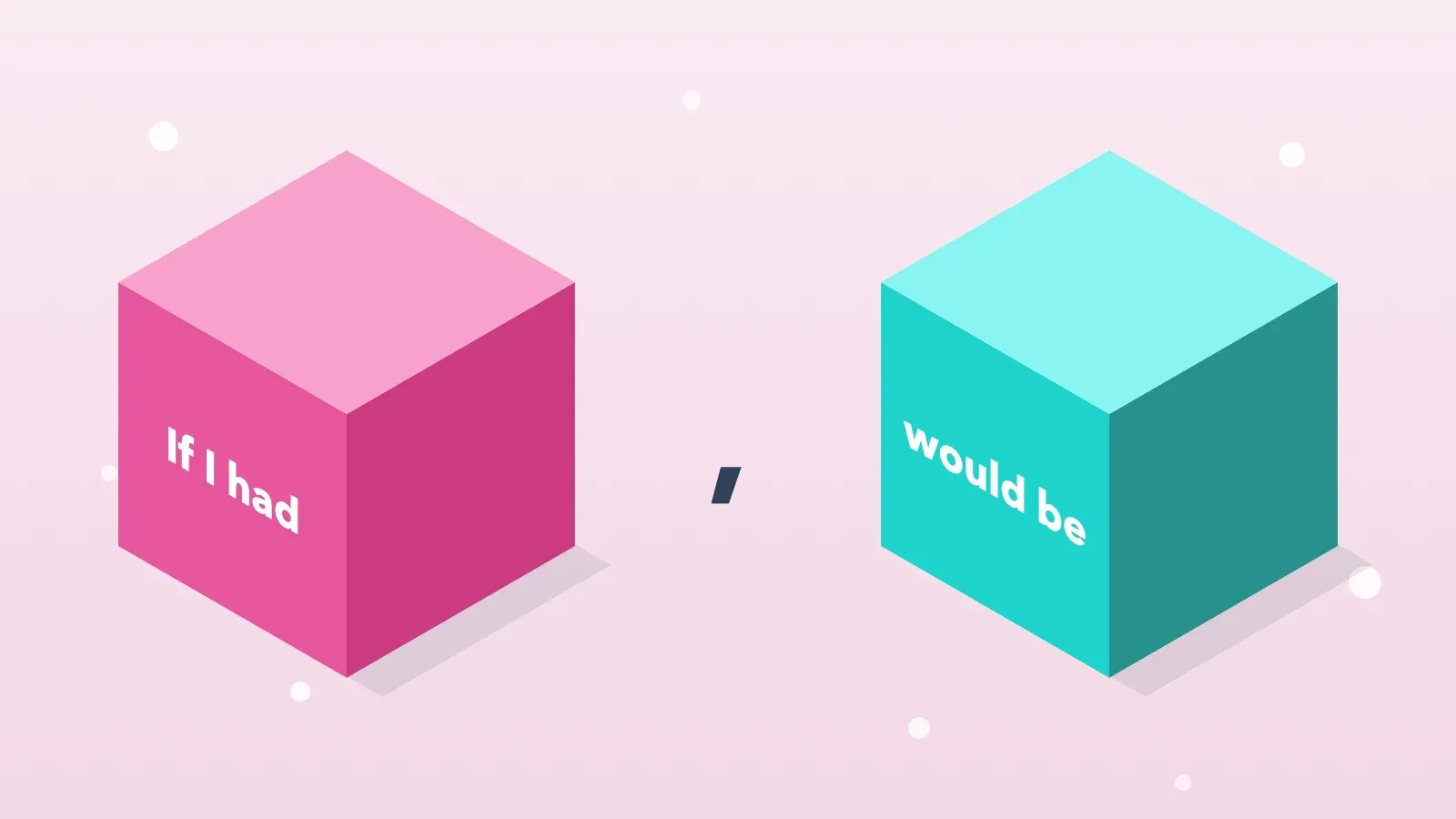
Mixed conditionals: two halves, two times
A past cause can have a present result: If we hadn't cached the list, merchants wouldn't see their payments today. A present state can explain a past result: If our team were smaller, we would have gone with drafts.
| Times | If-part | Result | Example |
|---|---|---|---|
| Past → past (third conditional) | If + had + past participle | would have + past participle | If the app had saved the refund, Bruno wouldn't have walked outside yesterday. |
| Past cause → present result | If + had + past participle | would + verb / would be + -ing | If we hadn't cached the payments list, merchants wouldn't see their payments today. |
| Present state → past result | If + past simple (were) | would have + past participle | If our team were smaller, we would have gone with drafts. |
From the lesson Write down the why (English for IT B2)
Third or mixed? Check when the result happens
After a past condition, a past result takes would have + participle, and a result that's true now takes would + base form or would be + -ing, often with now, today or still.
The result is in the past: third
- If we had ordered more ice, we wouldn't have run out in the first week.
- If the registers had been updated, the lines would have been shorter during the offer.
The result is true now: mixed
- If we had tested the offer, we wouldn't be having this post-mortem now.
- If the registers had been updated, our August figures would look better today.
From the lesson What Went Wrong (Business English B2)
Wish and if only: one step back in time
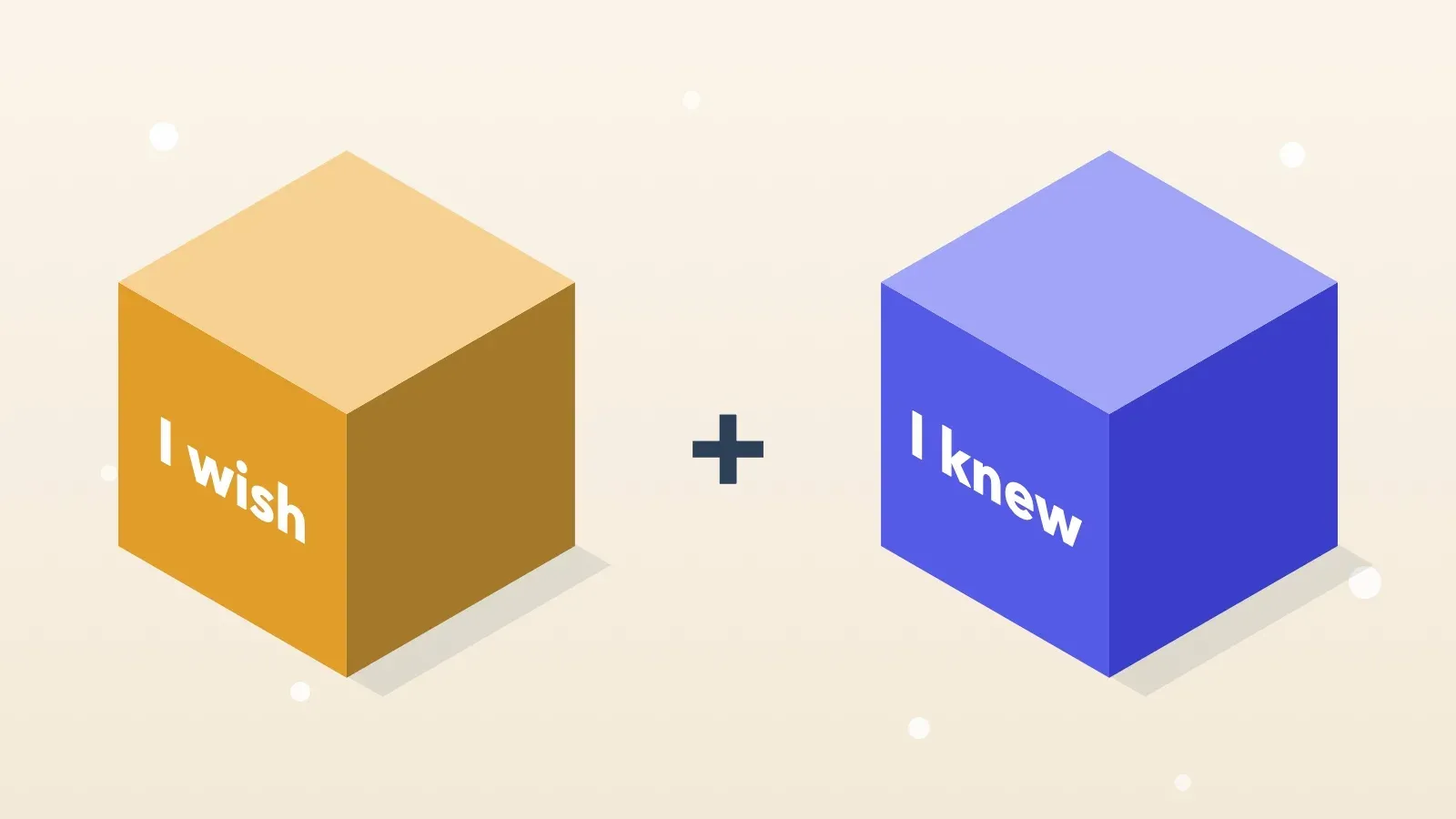
After wish, the past simple describes now (I wish we had more test phones) and the past perfect a regret (I wish we had tested it). Wish + would is for someone or something else you want to change.
| Meaning | Form | Example |
|---|---|---|
| A present situation you want to be different | wish + past simple (were for be) | I wish we had more test phones. |
| A past regret | wish + past perfect (had + past participle) | I wish we had tested with battery saver on. |
| Someone or something else's habit that you want to change | wish + would + verb | I wish the alerts would wait until the morning. |
| An ability you don't have | wish + could + verb | I wish I could watch merchants use the app. |
| A stronger feeling | If only + the same forms | If only we had known earlier! |
From the lesson Start, stop, continue (English for IT B2)
Would rather and it's high time + past simple
At C1, a past form with present meaning also follows would rather with another subject and it's high time: I'd rather you sent me the logs, It's high time we fixed those tests.
would rather: you, or someone else?
Same person: would rather + verb (no to)
- I'd rather not deploy on Fridays.
- Priya would rather lose a week now than a weekend later.
- Would you rather present or take notes?
Someone else: would rather + subject + past simple
- I'd rather we didn't deploy on Fridays.
- I'd rather you sent me the logs, not a screenshot.
- Daniel would rather we didn't ban Friday deploys.
it's time to… or it's (high) time we…?
it's time (for us) to + verb: now is the right moment
- Everyone's here. It's time to start the retro.
- It's time for us to vote on the action items.
it's (high / about) time + subject + past simple: it's late
- It's high time we automated the release notes.
- It's about time Lena got a second reviewer.
- It's time we fixed those flaky tests.
From the lesson The Retro: What Went Wrong This Quarter (English for IT C1)
Questions about the third and mixed conditionals
When do we use the third conditional?
How do you form the third conditional?
What are mixed conditionals?
What's the difference between the second and third conditional?
How do you use wish and if only?
Are there interactive third and mixed conditional exercises?
How do I teach the third conditional to B2 students?
What are good third conditional activities?
Do these lessons suit a private student?
More English grammar
Lessons for every grammar point, from the verb to be to reported speech. All grammar points