Second conditional: ESL lesson plans and exercises
Levels B1 to B2 5 lesson plans · 2 drill lessons Exercises that check themselves
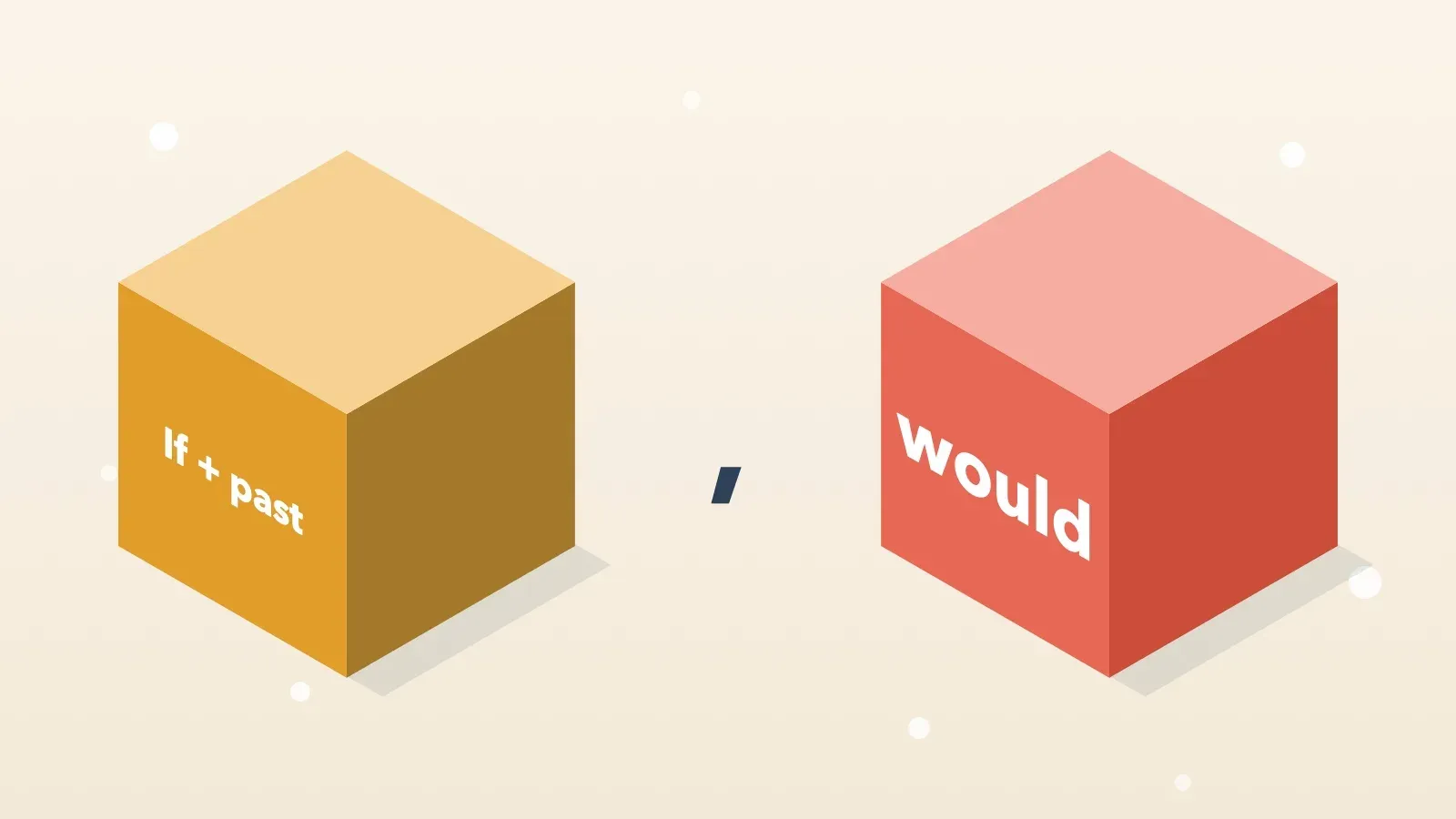
The second conditional, if + past simple with would + verb, talks about situations that aren't real or aren't likely: If I had a car, I'd drive to work. This page gathers 5 ready-made second conditional lessons from the edio.ai library, levels B1 to B2, in American English, among them a developer's job interview and a supply deal at the negotiating table. Try exercises from the lessons, read the form in their grammar schemes, and pick a lesson that suits your class. The lessons are interactive, and students see each drill answer checked at once.
Second conditional lesson plans and drills
5 lesson plans and 2 drill lessons, B1 to B2. Lesson plans are whole lessons with reading, listening and speaking; drill lessons are 45 to 46 self-checking exercises with no new words.
 B1Lesson planEnglish B1.2
The garage where Silicon Valley began
 B1Lesson planEnglish B1.2
Would you sell lemonade to save bees?
 B1Lesson planEnglish B1.2
Pitch it to the Sharks!
 B1Lesson planEnglish for IT B1
What would you do if…?
 B1DrillsGrammar Practice · B1
Second conditional: what would you do?
 B1DrillsGrammar Practice · B1
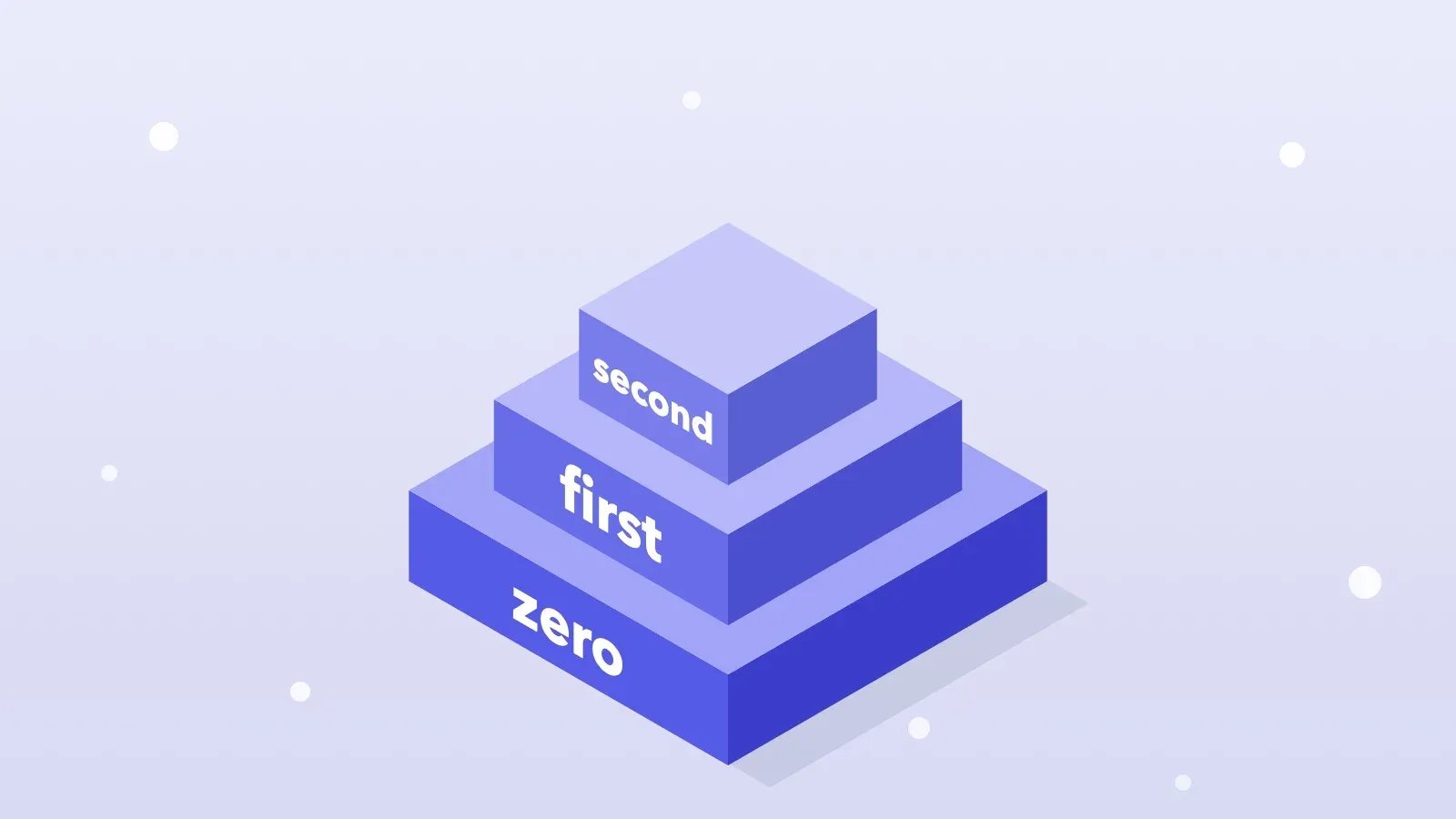
Conditionals compared: real or imagined?
 B2Lesson planBusiness English B2
Negotiating a Deal
Try the second conditional exercises
One exercise from each of 6 lessons. These are the same exercises your students do in edio.
Second conditional explained
We use the second conditional to imagine the present or the future differently: If I lived near the ocean, I'd swim every day. The past form after if doesn't mean the past; it shows that the situation is imaginary or unlikely. The same pattern gives advice (If I were you, I'd…), asks hypothetical questions and, in business, tests an idea without promising anything.
If + past simple, would + base verb
The if-part takes the past simple and the result takes would, often shortened to 'd: If the app crashed, I'd ask for the logs. In a question, would goes before the subject: What would you do if…?
If + past simplewould ('d) / wouldn't + base verb
If the app crashed, I'd ask support for the logs.
What would you do if you didn't know the answer?
From the lesson What would you do if…? (English for IT B1)
Negatives, could, might and were
Negatives use didn't in the if-part and wouldn't in the result. Could means would be able to, might means perhaps would, and be becomes were for every person: If I were you, I'd think aloud.
| Use | Form | Example |
|---|---|---|
| An imaginary situation | If + past, would + verb | If the app crashed, I'd ask for the logs. |
| A negative | didn't + verb / wouldn't + verb | If I didn't know, I wouldn't guess. |
| A question | What would you do if + past? | What would you do if a test failed? |
| Ability | could + verb (= would be able to) | If we hired Tariq, he could learn from Wes. |
| Maybe | might + verb (= perhaps would) | If I got two offers, I might choose the smaller team. |
| Advice | If I were you, I'd + verb | If I were you, I'd think aloud. |
| be | were for every person | If the reviewer were right, I'd change the code. |
From the lesson What would you do if…? (English for IT B1)
First or second: likely or imaginary?
The choice shows how real the speaker thinks the situation is. If the build breaks, I'll tell the team expects that it could happen; If I had more time, I'd learn iOS too pictures something that isn't true now.
Likely: first conditional
- If the test fails, I'll fix it today.
- If the build breaks, I'll tell the team.
Imaginary: second conditional
- If the app crashed, I'd ask for the logs.
- If I had more time, I'd learn iOS too.
From the lesson What would you do if…? (English for IT B1)
Would, could, might: an idea, not a promise
In a negotiation, the second conditional tests an idea without committing to it: If we paid within 30 days, would you lower the price? The table pairs each modal with its second conditional form: will and would, can and could, may and might.
Second conditional: an idea, not a promise
If + past simplewould / could / might + verb
If we paid within 30 days, would you lower the price?
If you came down to €19, we'd sign today.
will or would, can or could, may or might
| Meaning | First conditional | Second conditional |
|---|---|---|
| a sure result | we will include training | we would include training |
| it's possible, we're able to | we can lower the price | we could lower the price |
| perhaps | Lukas may say yes | Lukas might say yes |
From the lesson Negotiating a Deal (Business English B2)
Questions about the second conditional
When do we use the second conditional?
How do you form the second conditional?
Is it if I were or if I was?
What's the difference between the first and second conditional?
Can you use could and might in the second conditional?
Are there interactive second conditional exercises?
How do I teach the second conditional to B1 students?
What are good second conditional activities?
Can I use these second conditional lessons with one student?
More English grammar
Lessons for every grammar point, from the verb to be to reported speech. All grammar points