This, that, these and those: ESL lesson plans and exercises
Level A1, beginner 3 lesson plans · 1 drill lesson Exercises that check themselves
This, that, these and those are the words English uses to point at things: this bed here, those shoes over there. This page has 3 ready-made lessons for A1 learners from the edio.ai library, in American English and all about homes. Try exercises from them, read the rules in the lessons' own grammar schemes, and choose the one that suits your class. Each lesson is interactive, and the drills on this, that, these and those check themselves.
This, that, these and those lesson plans and drills
3 lesson plans and 1 drill lesson, A1. Lesson plans are whole lessons with reading, listening and speaking; drill lessons are 46 self-checking exercises with no new words.
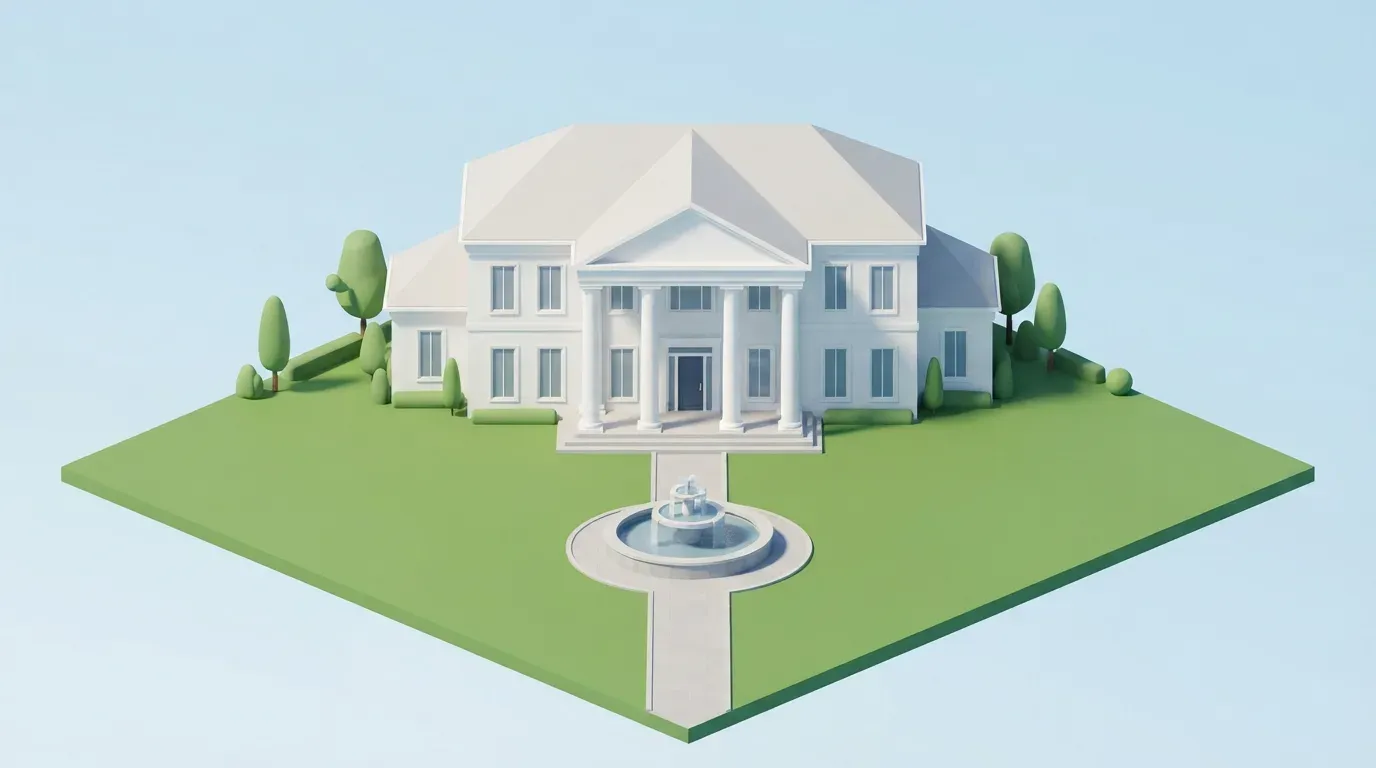
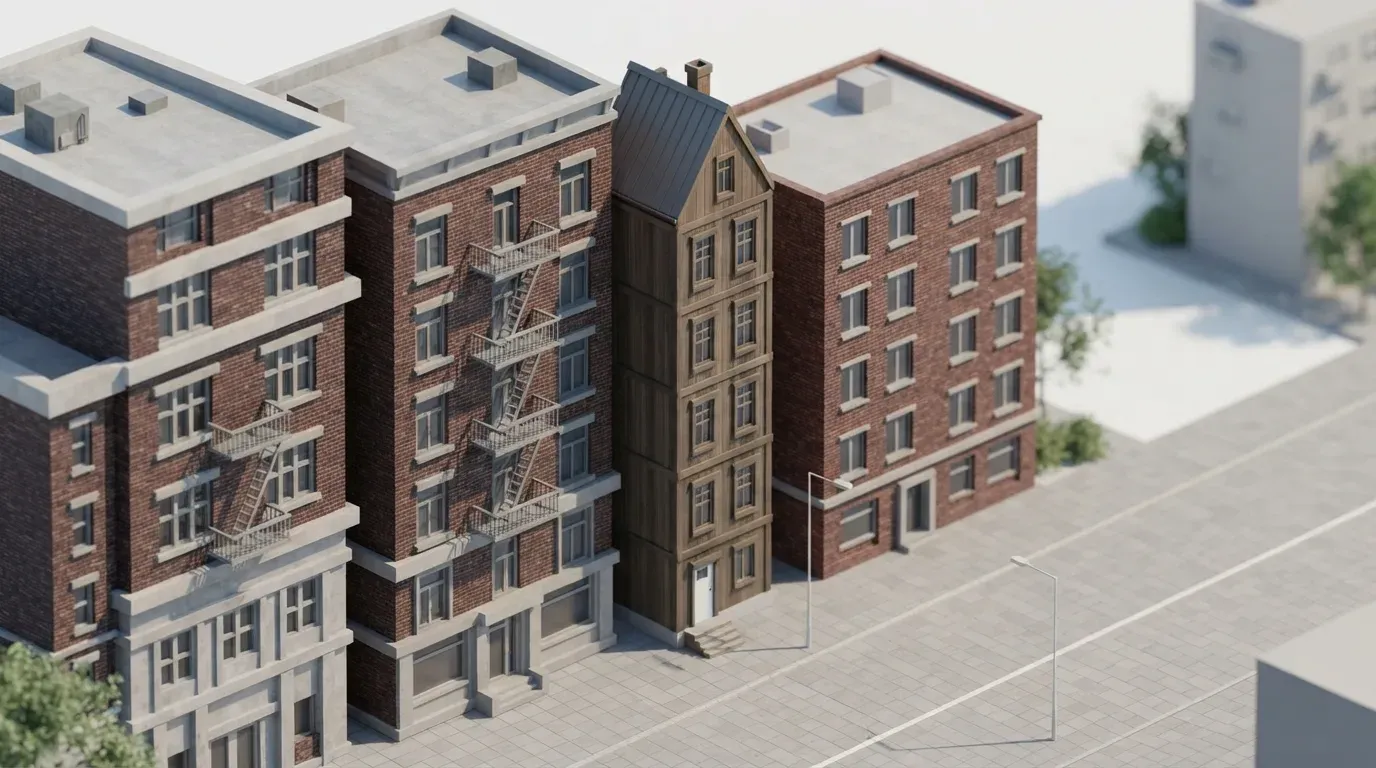
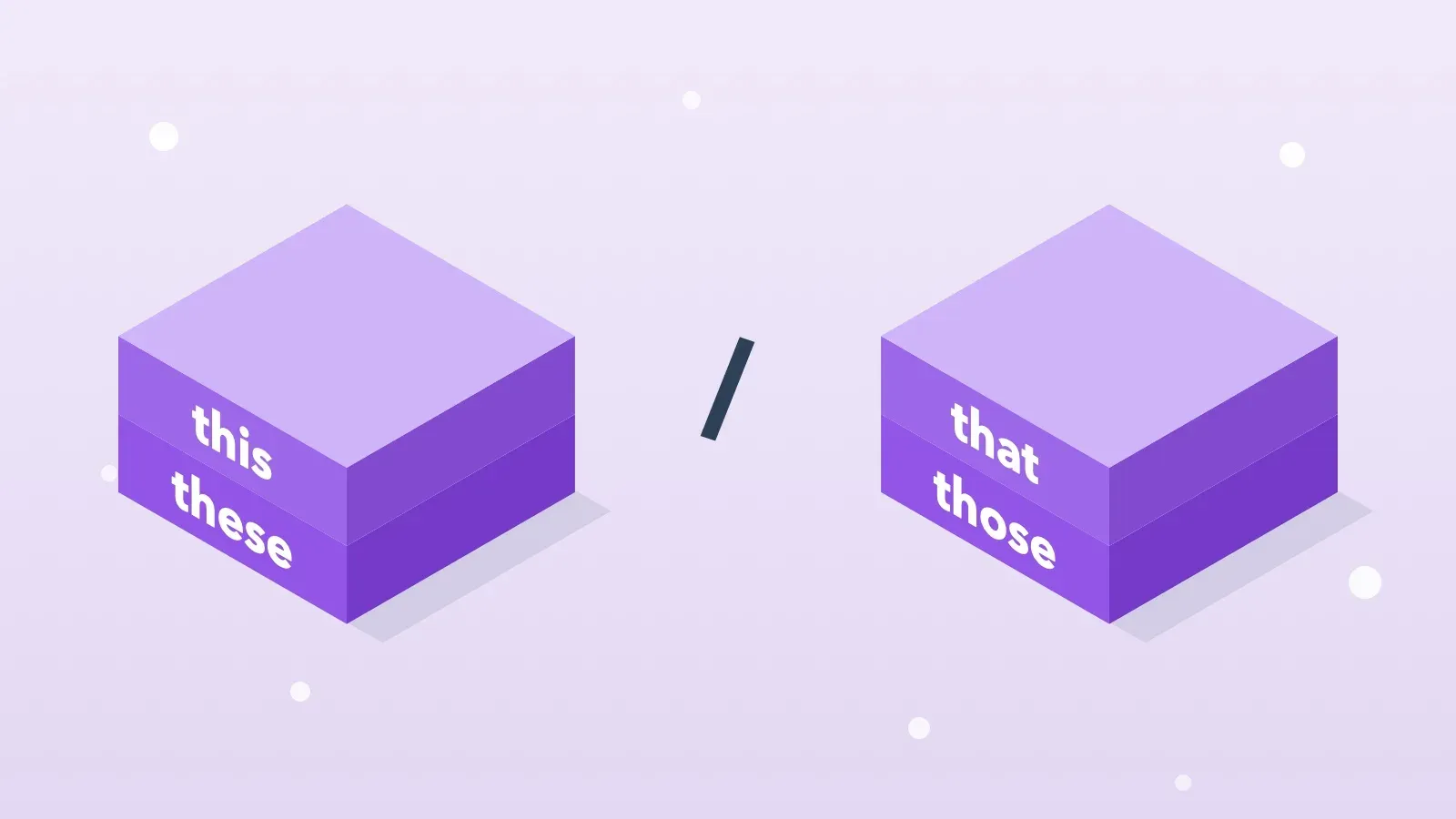
Try the this, that, these and those exercises
One exercise from each of 4 lessons. These are the same exercises your students do in edio.
This, that, these and those explained
Near or far? One or more? Those two questions pick the word: this and these for things near you, that and those for things farther away, this and that for one, these and those for two or more. Each can go before a noun (these beds) or stand alone (That's the bathroom).
This is the kitchen, these are the bedrooms
This is shows one room and these are two or more, so the noun after these are is plural: These are our bathrooms. The room also needs the, our or my in front, which makes This is kitchen a mistake.
One or two or more?
One (1): this is
- This is the kitchen.
- This is our bathroom.
- This is my bedroom.
Two or more (2, 3, 132…): these are
- These are the bedrooms.
- These are our bathrooms.
- These are my windows.
Show a room
This is / These arethe / our / myroom / rooms
This is the kitchen.
These are our bedrooms.
From the lesson A house with 132 rooms (English A1.1)
Plurals after these: rooms, boxes, people
These and those need a plural noun. Most nouns add -s (147 windows), nouns ending in -s, -x, -ch or -sh add -es (two boxes), and a few change completely: a person, nine people.
| One (a / one) | Two or more | How? |
|---|---|---|
| a room | 132 rooms | most words: + s |
| a window | 147 windows | most words: + s |
| a door | 412 doors | most words: + s |
| a fireplace | 28 fireplaces | most words: + s |
| a box | two boxes | -s, -x, -ch, -sh: + es |
| a person | nine people | a new word |
From the lesson A house with 132 rooms (English A1.1)
Near or far: this, that, these, those
The table crosses the two questions. One thing near you is this bed and one over there is that bed; two or more near you are these beds, and two or more over there are those beds.
| How many? | Near me (here) | Far from me (over there) |
|---|---|---|
| one | this bed | that bed |
| two or more | these beds | those beds |
From the lesson Boston's skinny house: where's the bed? (English A1.1)
Point and ask: Is this your chair?
Alone, the four words point at something: That's the bathroom, Those are Emma's shoes. A question puts the verb first, and the answer uses it or they: Are those your keys? – No, they aren't. Only that is has a short form: that's.
Point and say
- This is my bed.
- That's the bathroom.
- These are my books.
- Those are Emma's shoes.
- Is this your chair? – Yes, it is.
- Are those your keys? – No, they aren't.
Short forms
that is → that's · where is → where's · it is → it's · they are → they're. But say this is, these are and those are: no short forms!
From the lesson Boston's skinny house: where's the bed? (English A1.1)
Questions about this, that, these and those
When do you use this, that, these and those?
Are there interactive this, that, these and those exercises?
What's the difference between this is and these are?
Do this, that, these and those have short forms?
How do you answer Is this your…? questions?
How do you make plurals for these and those?
How do I teach this, that, these and those?
What are good activities for this, that, these and those?
Can students practice this and these at home?
More English grammar
Lessons for every grammar point, from the verb to be to reported speech. All grammar points